
Selecting the ideal pencil sharpener for a student’s back-to-school checklist depends directly on their grade level, balancing motor skill development, writing volume, and classroom rules. While younger students benefit from sturdy, manual handheld sharpeners that accommodate larger grip pencils, older students require precise, portable options that fit neatly into pencil cases without causing disruption during lessons. Selecting the right tool ensures pencils remain sharp for daily writing tasks while keeping classroom cleanups to a minimum.
When preparing for a new school term, parents often focus on notebooks and writing instruments, overlooking the critical role of a reliable sharpener. A poorly matched sharpener can lead to constant lead breakage, wasted pencils, and unnecessary frustration during class activities. By understanding the specific demands of each academic stage, you can select a tool that supports your child’s learning routine and matches their physical development.
Identifying Sharpening Needs Across Different Grade Levels
Children in Kindergarten and Lower Primary are still developing their fine motor skills and hand-eye coordination. During these early years, schools frequently introduce jumbo or triangular-shaped pencils to help young learners establish a proper finger grip. Consequently, a sharpener for this age group must feature larger entry holes and a design that is easy to grasp securely, allowing the child to apply twisting force without the sharpener slipping from their hands.
Products mentioned in this guide
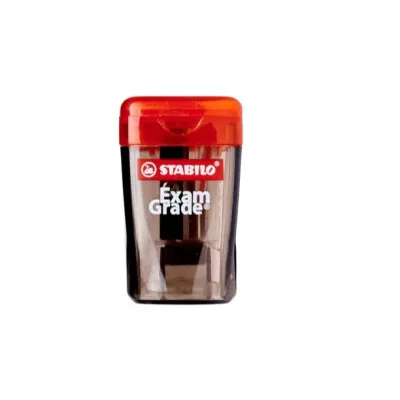
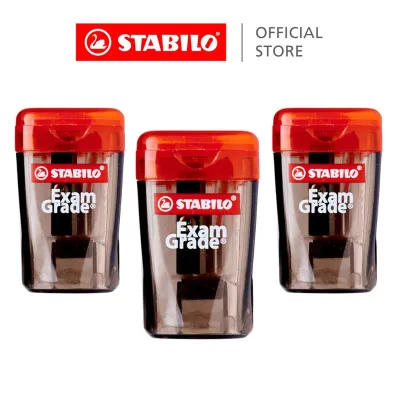
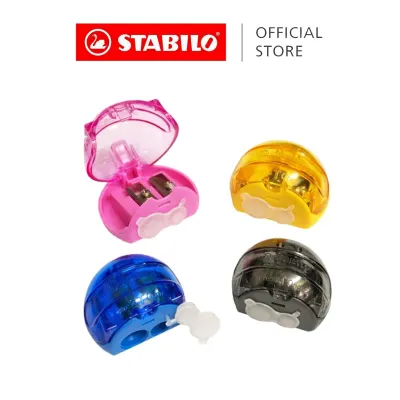
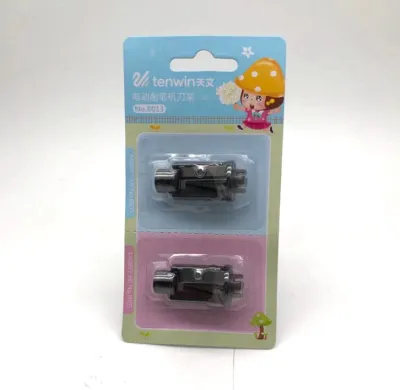
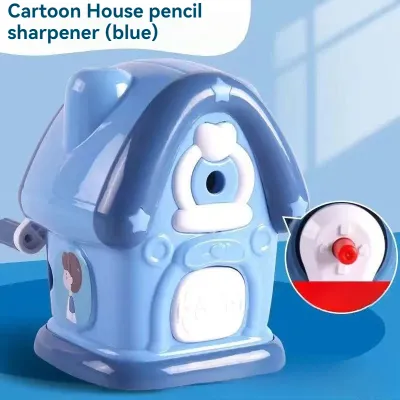
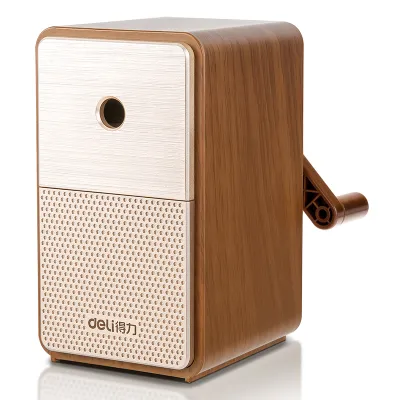
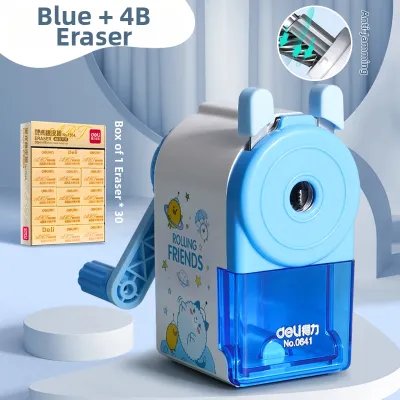
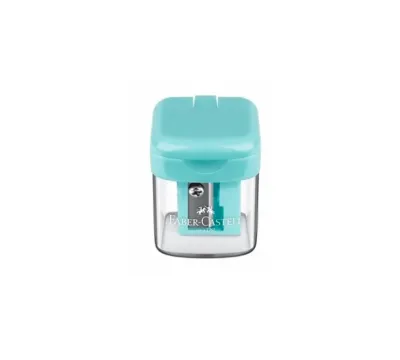
Prices are valid at publication and may change. Please refer to the product page for the latest price.
As students progress to Middle and Upper Primary, their daily writing volume increases significantly with the introduction of longer compositions, mathematics worksheets, and science notes. At this stage, standard graphite pencils become the primary writing tool, requiring a sharpener that can withstand frequent daily use. Durability and consistent point quality are essential here, as students need a sharpener that quickly restores a strong, usable point without eating away too much of the pencil wood.
By the time students reach Secondary School, their stationery needs shift toward portability, specialized subjects, and classroom etiquette. Secondary students carry a wider variety of tools, including fine-lead pencils for technical drawing, soft-core colored pencils for geography maps, and standard writing pencils. Their sharpeners must be compact enough to slide into a crowded pencil case, highly precise to prevent fine leads from snapping, and quiet enough to use during silent exams or independent study periods.
Core Features to Check Before Buying
Before purchasing any sharpener, it is essential to verify the pencil diameter compatibility listed on the product packaging. Standard school pencils typically measure between 7 mm and 8 mm in diameter, but specialty drawing pencils or early-learner jumbo pencils can range from 9 mm to 12 mm. Choosing a sharpener with a dual-hole design ensures that both standard and oversized pencils can be sharpened using a single, versatile tool.

Shavings capacity and containment mechanisms are equally critical features to evaluate, especially for items carried inside a school bag. A sharpener with a small reservoir will require constant emptying, which can disrupt a student during a lesson. Look for models that feature a secure locking lid, a sliding shutter, or a tight-fitting cap over the pencil entry hole to prevent graphite dust and wood shavings from spilling into the pencil case.
The quality of the blade determines how smoothly the sharpener cuts through wood and graphite. High-quality steel blades, such as high-carbon steel or treated alloys, retain their sharpness longer and cut cleanly rather than tearing the wood casing. When browsing options, check the manufacturer’s specifications to see if the blade is secured with a screw, which sometimes allows for blade replacement, or if the unit is a sealed, disposable design.
Ergonomics play a vital role in how easily a student can use the tool without assistance. For younger children, look for sharpeners with rubberized outer coatings, textured finger grips, or contoured shapes that fit naturally into smaller hands. A comfortable grip reduces the physical effort required to hold the sharpener steady, preventing hand fatigue and ensuring a safer, more controlled sharpening experience.
Evaluating Sharpener Mechanisms for School Routines
Manual handheld sharpeners remain the most popular choice for daily school carry due to their unmatched portability and simplicity. These compact tools require no batteries or electrical outlets, making them highly reliable and easy to use directly at a classroom desk. Their lightweight design ensures they do not add unnecessary bulk to a student’s school bag, though they do require a nearby waste bin or a reliable built-in reservoir to collect shavings.
Manual crank or desktop sharpeners offer excellent stability and speed, making them ideal for a dedicated study desk at home. These units typically use a rotary cutter mechanism that sharpens pencils quickly and evenly with minimal effort, often stopping automatically when a sharp point is achieved. Because they are bulkier and heavier, they are less practical for carrying to school but serve as an excellent station for preparing pencils before the school day begins.
Battery-operated or electric sharpeners provide rapid, effortless sharpening, which can be highly convenient for students who do a large volume of writing or drawing. However, before choosing an electric model for school use, parents must check the power requirements and noise levels. These devices can be quite loud in a quiet classroom environment, and the need for regular battery replacements or USB charging can make them less practical for mobile school routines.
Specialty sharpeners are designed to handle specific mediums, such as colored pencils or thick charcoal leads used in art and design classes. Colored pencils feature softer, wax-based or oil-based cores that break easily under the high tension of a standard graphite sharpener. A specialty sharpener often utilizes a different blade angle or a gentler cutting action to preserve the soft colored core, preventing frustrating breakages and extending the life of expensive art supplies.
Safety, Maintenance, and Classroom Rules
Aligning stationery choices with specific school guidelines is crucial for a smooth back-to-school transition. Many schools have clear policies regarding the types of sharpeners permitted in the classroom, often banning noisy electric models or bulky desktop units that distract other students. Checking the school’s stationery list or consulting the teacher beforehand ensures the selected sharpener is fully compliant with classroom rules.
Establishing a simple maintenance routine helps keep the sharpener functioning efficiently throughout the school term. Encourage your child to empty the shavings reservoir regularly, as an overfilled chamber forces compacted shavings back into the blade assembly. This buildup can jam the cutting mechanism, dull the blade prematurely, and cause pencil leads to snap repeatedly during use.
Safety checks are particularly important for manual sharpeners carried in school bags, as loose blades or cracked casings can pose a risk. Periodically inspect the sharpener to ensure the blade screw remains tight and the plastic housing is free from sharp cracks. If the shavings receptacle no longer clicks shut securely, it is best to replace the unit to avoid messy spills and potential contact with the blade.
Knowing when to retire a worn-out sharpener prevents unnecessary damage to your child’s pencils. If the sharpener begins to split the wood casing, leaves a rough texture on the pencil, or consistently breaks the lead, the blade has likely reached the end of its useful lifespan. In such cases, consult the manufacturer’s guidelines to see if a replacement blade can be installed, or replace the sharpener entirely to maintain a frustration-free writing experience.
Frequently Asked Questions (FAQ)
Can one sharpener handle both standard and jumbo pencils?
Yes, many manual sharpeners feature a dual-hole design specifically intended to accommodate different pencil sizes. To verify compatibility, check the product packaging for the exact millimeter measurements of both holes and compare them to the diameters of your child’s pencils before purchasing.
How do I know when the sharpener blade is too dull?
A dull blade will tear or splinter the wood casing of the pencil rather than shaving it smoothly, and the pencil lead may break repeatedly during the sharpening process. You can also observe if sharpening requires significantly more physical effort or twisting force than it did when the sharpener was new.
Are battery-operated sharpeners practical for daily school use?
Battery-operated sharpeners are generally less practical for daily school carry due to their weight, bulk, and the noise they generate during quiet classroom hours. It is best to check your school’s classroom policy first, as many teachers prefer students to use quiet, manual handheld sharpeners to minimize distractions.

Community discussion
Share your experience or ask a question. Comments are reviewed before publication.