
Moving into a junior college hostel or university hall for the new semester is an exciting milestone, but the physical process of packing up your life into cardboard boxes can be stressful. There is nothing more frustrating than lifting a heavily packed box of textbooks only to have the bottom split open, spilling your belongings across a busy corridor or lift lobby.
While it is tempting to grab the cheapest roll of adhesive tape from a local stationery shop, securing your belongings requires a more strategic choice. Selecting the right packing tape depends on the weight of your boxes, the fragility of your items, and the specific storage conditions of your student accommodation.
Assess Your Box Contents and Hostel Conditions
Before purchasing your packing supplies, take a close look at what you actually need to transport. Student belongings generally fall into two distinct categories: heavy, dense items like textbooks, reference guides, and small electronics, and lightweight, high-volume items like bedsheets, winter wear, and daily clothing.
Products mentioned in this guide
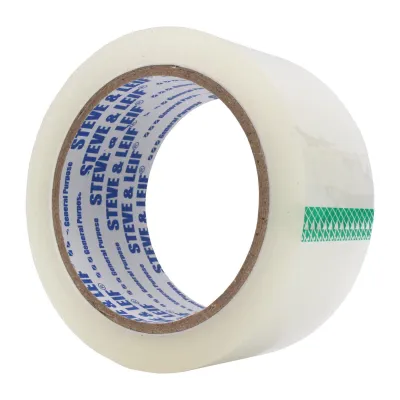
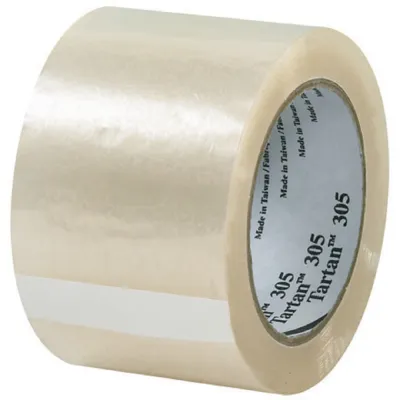
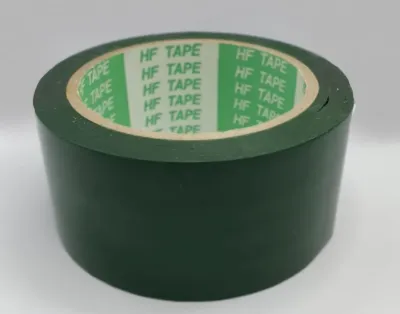
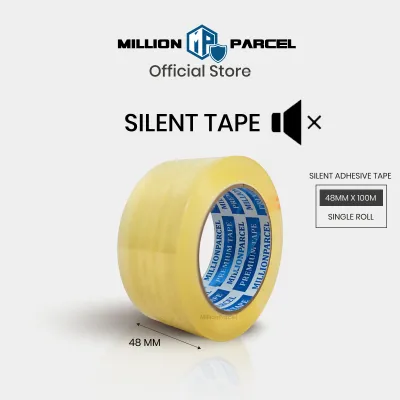
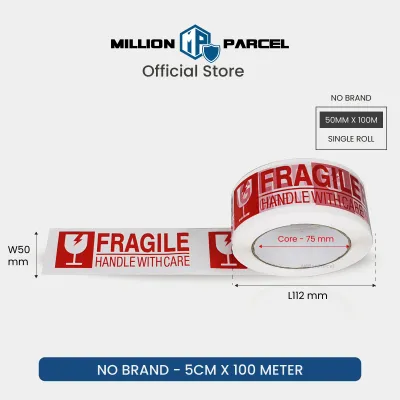
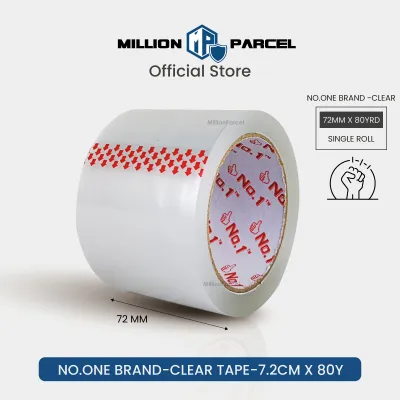
Prices are valid at publication and may change. Please refer to the product page for the latest price.
Heavy items exert significant downward pressure on the bottom flaps of a cardboard box, requiring a tape with high tensile strength and strong initial tack. Conversely, lightweight items might not stress the box structure as much, but they often require larger boxes that need secure sealing along the seams to prevent dust from entering.
The tropical climate in Singapore introduces a major variable: high humidity. Hostel storage environments, such as under-bed storage drawers, top shelves of shared wardrobes, or non-air-conditioned utility rooms, can become warm and damp.
Standard adhesives can degrade, soften, or lose their grip when exposed to persistent humidity over several months. If your boxes will remain packed in these storage spaces throughout the semester, you must choose a tape with an adhesive formulation that resists moisture and does not peel away over time.
To plan your purchase effectively, estimate the total number of boxes you will be moving. A standard medium-sized moving box typically requires about two to three meters of tape when sealed properly using secure methods.
By calculating the total linear meters needed for your entire stack of boxes, you can determine exactly how many rolls to buy. This simple calculation prevents the common frustration of running out of tape late at night right before moving day, saving you an unnecessary trip to the store.
How to Read Packing Tape Specifications
When browsing the stationery aisle or an online marketplace, you will encounter several types of packing tape, each with distinct material properties. The most common option is biaxially-oriented polypropylene (BOPP) tape, which is the standard clear or brown plastic tape.

BOPP tape is highly resistant to tearing and splitting along its length, making it a practical general-purpose choice. Another common material is kraft paper tape, which is easy to tear by hand and offers a neat, professional look.
For maximum strength, reinforced filament tape contains fiberglass strands embedded in the backing, providing extreme resistance to snapping under heavy loads.
To gauge the durability of a tape, look at the thickness and width indicators printed on the packaging. Tape thickness is typically measured in microns (sometimes denoted as mils in import specifications).
A standard utility tape is usually around 40 to 45 microns thick, which is suitable for light boxes. For heavier loads, look for heavy-duty options that measure 50 microns or more, as the thicker backing prevents stretching and tearing.
The standard width for packing tape is 48 millimeters (approximately 2 inches), which provides adequate coverage across the center seam of a standard shipping box. Avoid narrow 24-millimeter stationery tapes, as they do not provide enough surface area to grip both sides of a cardboard seam securely.
The adhesive type listed on the label also dictates how the tape will perform under different environmental conditions. Hot melt adhesive tapes offer a very strong, immediate bond to cardboard surfaces, making them ideal for fast packing, though they can sometimes struggle with long-term exposure to extreme heat.
Acrylic adhesive tapes, on the other hand, cure over time and offer excellent resistance to UV light, humidity, and temperature fluctuations, making them the preferred choice for boxes destined for long-term hostel storage.
Finally, if you plan to use a tape dispenser to speed up your packing process, you must verify the roll’s core size. Most standard hand-held tape dispensers are designed for rolls with a 76-millimeter (3-inch) inner core.
Buying bulk rolls with smaller utility cores will prevent them from fitting onto a standard dispenser, forcing you to apply the tape manually. Always check the product specifications on the packaging to ensure compatibility with your existing tools.
Matching Tape Types to Student Moving Scenarios
Different packing scenarios require different tape characteristics to ensure your items arrive intact. For heavy textbooks, reference manuals, and small appliances like desk fans or mini-fridges, general-purpose tape is often insufficient.
For these heavy loads, look for reinforced filament tape or heavy-duty packaging tape specifically labeled with high tensile strength. These tapes are designed to withstand the high shear forces experienced when a heavy box is lifted and carried up hostel stairwells.
For standard clothing, bedding, and daily stationery supplies, standard clear or brown BOPP tape is highly suitable. Ensure you select a roll with a minimum width of 48 millimeters to guarantee a secure hold on standard single-wall or double-wall corrugated cardboard boxes.
Since these items are relatively light, the primary goal of the tape is to seal out dust and pests rather than support massive weight, allowing you to use a more cost-effective, general-purpose option.
If you are moving into shared hostel spaces where you might need to label boxes clearly, or if you are worried about leaving sticky residues on sensitive surfaces, paper packaging tape is a highly effective alternative. Kraft paper tape can be written on directly with a permanent marker, making it easy to label your boxes by room zone or contents.
Additionally, if you need to tape protective bubble wrap around delicate items that will sit directly on wooden dorm desks or wardrobes, look for specialty low-residue or clean-removal tapes to prevent permanent adhesive damage to university property.
Proper Taping Techniques to Prevent Box Failure
Even the strongest packing tape can fail if it is applied incorrectly. A highly reliable method for sealing moving boxes is the H-tape method.
To execute this, apply a strip of tape along the center seam where the two major flaps meet, allowing at least 5 to 8 centimeters of overhang on each side of the box. Next, apply tape along the open side seams on both the top and bottom of the box, forming a letter “H”.
This seals all open edges, preventing dust from entering and significantly reinforcing the structural integrity of the cardboard flaps.
Before applying any tape, ensure the surface of the cardboard box is properly prepared. Dust, moisture, and old adhesive residue from previous moves can severely compromise the tape’s ability to form a strong bond.
Wipe down the box surfaces with a dry cloth to remove any loose fibers or dust. If you are reusing old boxes, try to peel off old, peeling tape layers, or apply the new tape directly to clean, bare cardboard sections to ensure maximum adhesion.
When applying the tape, press down firmly along the entire length of the strip to activate the pressure-sensitive adhesive. Avoid pulling or stretching the tape excessively during application; over-stretched tape has a natural tendency to shrink back to its original length over time, which can cause the edges to peel away from the cardboard.
Ensure there is adequate overlap on the sides of the box to distribute the weight evenly and prevent the tape from lifting during transit.
Frequently Asked Questions (FAQ)
Can I use masking tape, duct tape, or stationery tape instead of packing tape?
Masking tape and standard clear stationery tape lack the tensile strength and adhesive thickness required to hold heavy cardboard flaps together under load. They are highly prone to snapping or peeling off under the slightest tension.
Duct tape is strong, but its thick rubber-based adhesive can degrade rapidly in humid hostel environments, leaving a sticky, difficult-to-clean residue on your belongings and dorm furniture. It also does not adhere as reliably to dusty cardboard surfaces as dedicated acrylic or hot-melt packing tape.
How do I remove sticky tape residue from dorm furniture or boxes?
To remove adhesive residue from hostel furniture without causing damage, start with gentle mechanical methods. Try rolling the residue into a ball with your finger or using a flat plastic scraper, such as an old student ID card.
If the residue persists, check the furniture manufacturer’s care instructions or hostel guidelines before applying any liquids. For non-porous surfaces, a tiny drop of mild dish soap on a damp cloth can help break down the adhesive, but always test a small, hidden area first to ensure you do not strip the wood finish or paint.
Do I need a tape dispenser for a single student move?
If you are only packing three or four boxes for a quick move, purchasing a dedicated tape dispenser is generally unnecessary. You can easily apply the tape manually and cut it using a pair of household scissors or a utility knife, taking care to fold the end of the tape over itself to create a small tab for easy finding next time.
However, if you are packing a large volume of boxes, a dispenser significantly speeds up the process and ensures clean, even application.
Community discussion
Share your experience or ask a question. Comments are reviewed before publication.