
To set your child up for success in the Primary School Leaving Examination (PSLE), choosing the right notebook is a small but highly impactful decision. The ideal notebook for PSLE revision should feature a paper weight of 90 to 100+ GSM to prevent ink bleed-through from gel pens and highlighters, alongside subject-specific page layouts: single-line ruling (8mm or 9mm) for languages, squared ruling (5mm grid) for Mathematics and Science, and blank pages for conceptual mind maps. Selecting the correct specifications directly enhances handwriting legibility, accelerates note-taking speed, and ensures that critical revision materials survive a year of intense study.
During the final stretch of primary school, students produce an extraordinary volume of notes, practice papers, and corrections. Low-quality paper often leads to immediate frustration, as thin sheets allow ink to bleed through to the reverse side, effectively cutting the usable pages of a notebook in half. Furthermore, frequent erasing of pencil work or mathematical formulas on fragile paper can cause unsightly tears, ruining hours of meticulous work. By understanding a few basic paper specifications, parents and students can select study tools that actively support neatness and organization rather than creating unnecessary obstacles.
Decoding Paper Weight (GSM): How Thick Should Your Notebook Be?
Paper weight is globally measured in GSM, which stands for Grams per Square Meter. Simply put, GSM indicates the thickness, density, and overall weight of the paper.
Products mentioned in this guide
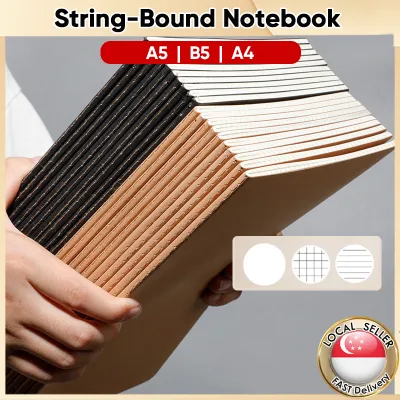
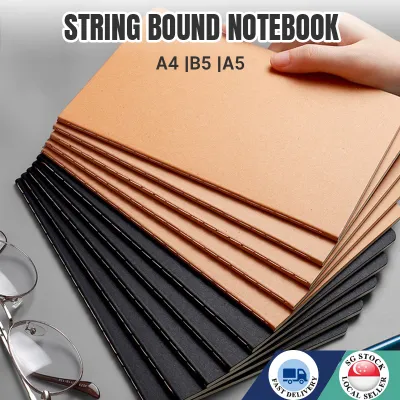
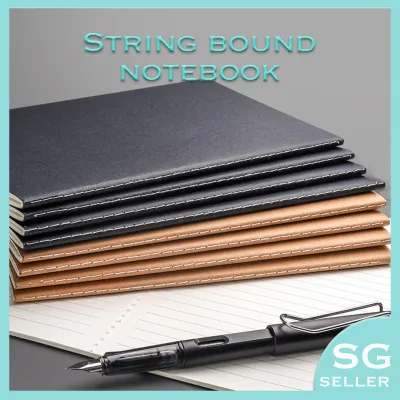
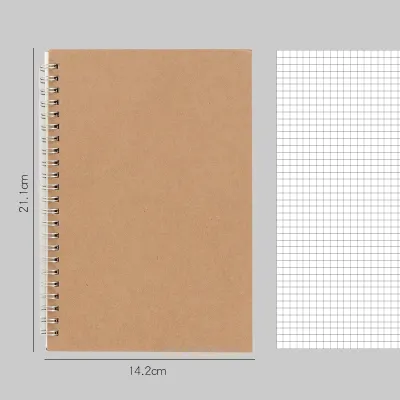
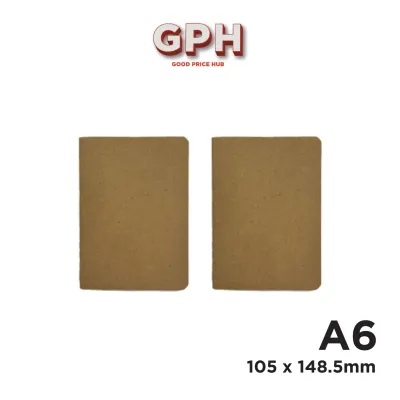
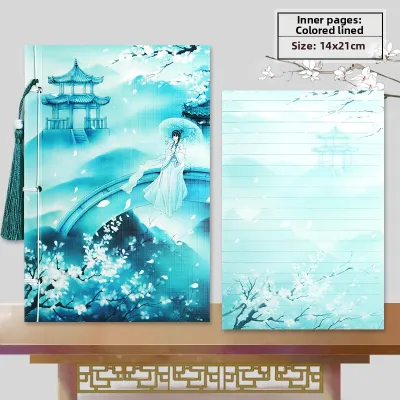
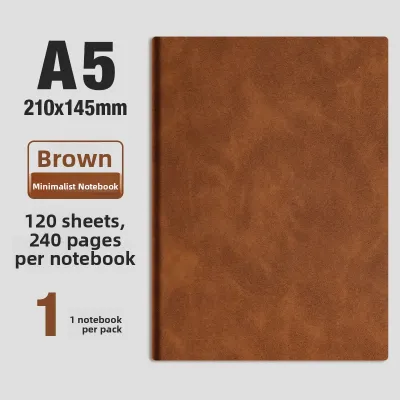
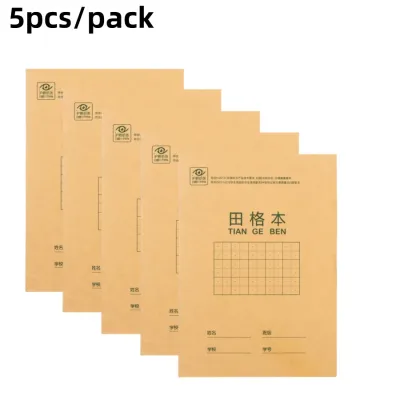
Prices are valid at publication and may change. Please refer to the product page for the latest price.
When selecting a notebook, a higher GSM is not universally superior for every task; instead, the weight must be carefully matched to the student’s writing instruments of choice. Matching the paper’s density to specific pens, pencils, and highlighters prevents ink saturation issues while keeping the overall weight of the school bag manageable.
70 to 80 GSM: The Standard for Everyday Notes
Paper ranging from 70 to 80 GSM is the standard weight used in most typical school exercise books and budget notebooks. This paper is lightweight, relatively thin, and performs perfectly well under low-moisture writing conditions.
If your child primarily writes with standard ballpoint pens or lead pencils, 80 GSM paper offers a smooth, reliable surface that keeps the notebook slim and easy to carry. The paper provides enough resistance for graphite to cling to the page without excessive smudging.
However, this weight class struggles when paired with liquid inks. If your child prefers smooth-writing gel pens, fountain pens, or vibrant highlighters to color-code their revision notes, 70 to 80 GSM paper will likely suffer from “ghosting” (where writing is visible on the other side) or outright bleed-through. This makes writing on both sides of the page highly impractical.
90 to 100+ GSM: The Solution for Gel Pens and Highlighters
For serious PSLE revision notes that require multiple colors, diagrams, and heavy highlighting, upgrading to 90 to 100+ GSM paper is highly beneficial. This thicker paper provides a sturdier, premium feel and offers excellent opacity, preventing ink from seeping through to the reverse side.
We highly recommend this weight for students who rely on gel pens for effortless, fast writing, or those who use color-coding systems to categorize Science concepts or Mother Tongue vocabulary. Highlighters can be applied multiple times over key phrases without warping or dampening the sheet.
The primary trade-off with heavier paper is the physical bulk it adds to the notebook. A 100-page notebook made of 100 GSM paper will be noticeably thicker than one made of 70 GSM paper. However, because revision notebooks usually remain on the home study desk or are carried selectively, this minor increase in bulk is a small price to pay for pristine, highly readable notes.
Matching Ruling Types to PSLE Subjects for Better Organization
The ruling or pattern printed on notebook pages plays a vital role in cognitive organization. Different subjects require distinct visual structures to help students align their work, structure their answers, and review complex concepts efficiently.

Single Line (Ruled) for Language Subjects
Single-line ruled notebooks are the traditional choice for language-based subjects, including English and Mother Tongue languages. Lined pages provide a clear horizontal guide that helps students maintain consistent handwriting size, proper spacing, and clean margins.
For upper primary students preparing for the PSLE, maintaining highly legible handwriting is critical, as examiners must be able to read composition scripts quickly and clearly under exam conditions. Lined pages train students to write along a straight baseline and keep their letters proportional.
When shopping, look for notebooks with standard 8mm or 9mm line spacing. This spacing aligns closely with the writing lines provided in official PSLE answer booklets, helping students transition seamlessly from their daily practice notebooks to the actual examination sheets.
Squared (Grid) for Mathematics and Science
Squared or grid notebooks, typically featuring 5mm grids, are indispensable tools for Mathematics and Science revision. The grid pattern acts as a multi-directional alignment guide, which is incredibly helpful for structured problem-solving.
In Mathematics, a grid helps students align numbers perfectly in vertical columns for long division, multi-digit multiplication, and decimal calculations. This structural support drastically reduces careless alignment errors. It also simplifies the process of drawing accurate geometry diagrams, bar charts, and line graphs.
For Science, grid paper allows students to sketch neat, proportional experimental setups, electrical circuit diagrams, and biological structures. It also helps organize step-by-step scientific explanations and structured tables, making it easier for teachers to review and for students to spot calculation or logical errors during self-correction.
Blank Pages for Mind Maps and Diagrams
Blank, unlined notebooks offer complete creative freedom, making them highly effective for non-linear thinking and visual brainstorming. Without the visual constraint of lines or grids, the brain is free to map out connections across a broad canvas.
These notebooks are ideal for creating large, colorful mind maps that connect different Science topics (such as the respiratory and circulatory systems) or brainstorming plot points and vocabulary for English situational writing. They are also perfect for drawing complex, multi-layered diagrams that require unrestricted space.
However, blank pages are best utilized as supplementary revision tools rather than primary daily notebooks. Without a printed guide, writing long paragraphs of text can easily become slanted and disorganized, which defeats the purpose of structured exam preparation.
Beyond GSM and Ruling: Paper Finish and Binding to Consider
While weight and ruling are the primary specifications to look for, several secondary design features can significantly enhance a student’s daily study experience.
Paper Color and Finish The brightness and texture of the paper play a subtle yet vital role in reducing physical fatigue. Bright white paper can reflect a significant amount of glare, leading to eye strain during long evening revision sessions under intense desk lamps. Choosing paper with a slightly off-white, ivory, or cream tone is much gentler on the eyes. Additionally, pay attention to the paper’s finish. A smooth, satin finish allows gel pens to glide effortlessly across the page, reducing hand fatigue during long writing sessions. Conversely, if your child prefers using wooden or mechanical pencils, paper with a slight “tooth” or texture provides the necessary friction to prevent graphite from smudging easily.
Binding Style The way a notebook is bound directly impacts how comfortable it is to use on a crowded study desk. Avoid stiff, glued bindings that constantly spring shut or require heavy weights to keep open. Instead, opt for thread-sewn (section-sewn) or spiral-bound notebooks. These styles allow the notebook to lay completely flat (180-degree flat-lay) on the desk. This ensures the student can write comfortably across the entire page, including the inner margins, without having to awkwardly hold the book down with their non-dominant hand.
Perforated Pages Some notebooks feature micro-perforated pages near the spine. This is an incredibly convenient feature for students who need to tear out practice exercises, essay drafts, or formula sheets to hand in to school teachers or tutors. However, advise your child to handle these pages with care; low-quality perforations can easily tear prematurely under the weight of a packed school bag, leading to lost notes.
A Quick Shopping Checklist for PSLE Notebooks
Before heading to the stationery store or browsing online marketplaces, keep this quick checklist handy to ensure you select the most effective notebooks for your child’s PSLE preparation:
- Check the Label: Confirm the paper weight on the cover or packaging. Aim for a minimum of 80 GSM for standard pencil and ballpoint use, and 90 to 100+ GSM if your child relies heavily on gel pens and highlighters.
- The Feel Test: If shopping in person, gently flip through the pages to verify the texture and thickness. Press the notebook open to ensure the binding supports a flat-lay position without cracking or resisting.
- The Margin Check: Look for notebooks that feature a pre-printed vertical margin line on the left side of the page. This margin is essential for school corrections, teacher feedback, and noting down key question numbers.
- Size and Portability: Choose physical dimensions that match the school's requirements. A4 notebooks are excellent for comprehensive mind maps and practice papers, while B5 notebooks offer a highly portable middle ground that fits comfortably into a standard school bag without bending the corners.
Frequently Asked Questions (FAQ)
Is it better to use one multi-subject notebook or separate ones for PSLE?
For rigorous PSLE preparation, using separate notebooks for each subject is highly recommended. Mixing different ruling types—such as using math grids for English vocabulary—can quickly lead to visual clutter and disorganization. Having dedicated notebooks for English, Mother Tongue, Mathematics, and Science makes it significantly easier for students to locate specific revision notes, file their corrections chronologically, and focus on one subject at a time during intense study sessions.
Will 100 GSM paper make the school bag too heavy?
While 100 GSM paper is physically thicker and heavier than standard 70 GSM paper, the weight difference for a single notebook is negligible. The long-term benefit of having durable, bleed-resistant notes that survive months of revision far outweighs the minor weight increase. If you are concerned about overall bag weight, simply choose notebooks with a lower page count—such as 80-page or 120-page books instead of bulky 200-page volumes—to keep the school bag light and manageable.
Community discussion
Share your experience or ask a question. Comments are reviewed before publication.