
Starting school brings a long checklist of books, stationery, and uniforms. Keeping track of these items in a busy classroom requires an effective labeling strategy. The right name sticker prevents mix-ups and saves you from constantly replacing lost items.
The ideal choice depends heavily on your child’s grade level and the specific materials of the items being labeled. While kindergarteners benefit from bright, highly visual identifiers, secondary school students require discreet, residue-free labels for high-value personal learning devices. Understanding the balance between adhesive strength, material durability, and age-appropriate design ensures your labels last the entire school year.
Understanding Name Sticker Types and Materials
Name stickers are not one-size-fits-all. They utilize different backing materials and adhesive formulations designed for specific surfaces. Choosing the wrong type can lead to peeling, fading, or damaged school items.
Products mentioned in this guide
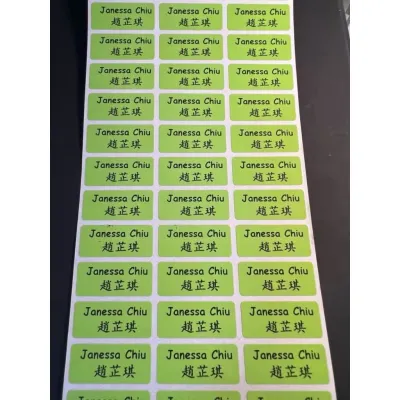
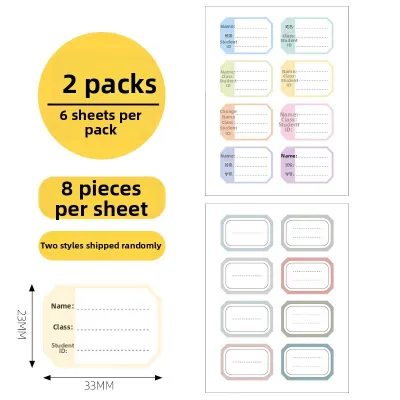
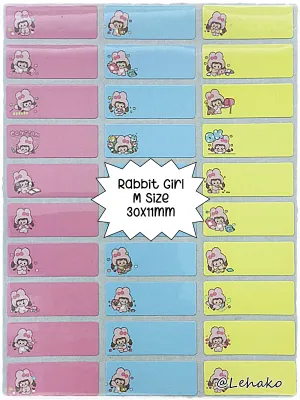
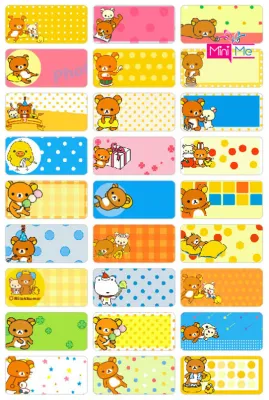
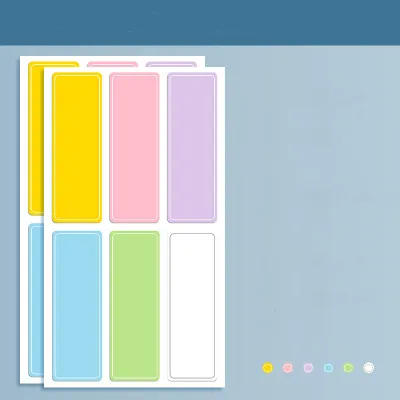
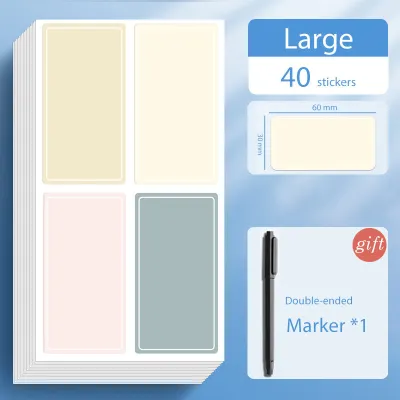
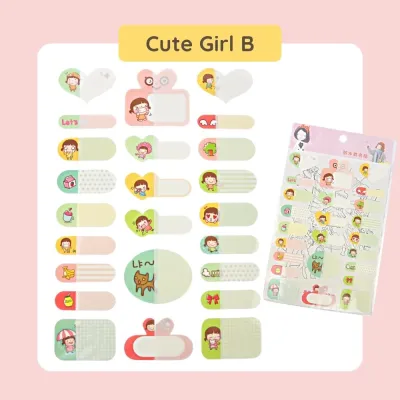
Prices are valid at publication and may change. Please refer to the product page for the latest price.
Standard self-adhesive paper stickers are highly cost-effective. They are best reserved for dry paper surfaces like notebooks, folders, or the interior covers of textbooks. Because they lack water resistance, they will tear, smudge, or peel if exposed to moisture or sweat.
Waterproof vinyl stickers are made from polyvinyl chloride (PVC) or polyester. They feature a water-resistant topcoat and strong acrylic adhesive. These are ideal for items subjected to daily washing or outdoor exposure, such as lunchboxes, water bottles, and sports gear.
Clear or transparent stickers are typically polyester-based. They allow the underlying color or design of the item to show through while displaying the printed name clearly. This provides a clean, modern look that is highly popular for older students.
Iron-on and fabric labels are engineered specifically for textiles. Iron-ons use a heat-activated adhesive that fuses with fabric fibers under the heat of a household iron, offering a semi-permanent bond. Alternatively, woven fabric labels can be sewn directly onto garments for maximum longevity.
For quick labeling, custom ink stamps with wash-resistant fabric ink are a popular alternative. Clip-on tags also work well for labeling school bag zippers, shoe loops, or water bottle handles where adhesive stickers cannot easily cling.
When selecting stickers for younger children, look for non-toxic, BPA-free, and lead-free certifications on product packaging. Ensuring the adhesives and inks comply with consumer safety standards is crucial for items that frequently come into contact with food or hands.
Lower Primary and Kindergarten: High Visibility and Durability
Large and Icon-Based Stickers for Easy Recognition
Younger children, especially those in nursery, kindergarten, or Primary 1, are still developing reading skills and visual ownership. Large, bold-font name stickers with highly legible typography are essential for textbooks, plastic folders, and art portfolios.

Adding a customizable icon, such as a specific animal, vehicle, or simple shape, allows pre-readers to recognize their belongings instantly. They do not need to decode the letters of their name to identify their items. Bright, contrasting color schemes further enhance this visual recognition in a crowded classroom cubby.
Waterproof and Scratch-Resistant Options for Daily Wear
Daily school life for younger children involves frequent spills, outdoor play, and regular cleaning of food containers. Water bottles and lunchboxes require heavy-duty vinyl or laminated waterproof stickers that can withstand daily scrubbing and exposure to oil or condensation.
When purchasing, verify the manufacturer’s dishwasher-safe or microwave-safe specifications on the packaging. Laminated options feature an extra clear protective layer. This layer prevents the printed ink from scratching off when items rub against each other inside a school bag.
Iron-On and Fabric Labels for Uniforms and PE Kits
School uniforms, PE t-shirts, shorts, and socks are frequently misplaced during changing times or sports activities. Iron-on labels provide a semi-permanent bond by fusing directly with the fabric fibers, resisting peeling even after dozens of laundry cycles. Stick-on fabric tags are quicker to apply but may lift at the corners over time when subjected to high-temperature washes.
Always check the garment’s care label before applying heat. Many modern school uniforms contain synthetic fibers like polyester or nylon blends, which can melt under high iron temperatures. Use a protective baking sheet or thin pressing cloth between the iron and the label, and follow the sticker manufacturer’s recommended heat and timing settings precisely.
Upper Primary and Secondary: Discreet and Space-Saving Labels
Mini and Clear Stickers for Small Stationery
As students progress to upper primary and secondary school, their stationery kits become more complex. They begin carrying fine-tip pens, mechanical pencils, erasers, compasses, and geometry rulers. These slim or cylindrical items do not have flat surfaces large enough for standard stickers.
Mini rectangular or thin wrap-around stickers are specifically designed to fit around pen barrels without peeling off at the edges. Clear or transparent stickers are excellent for scientific calculators, rulers, and colored folders. They provide a sleek, mature look that older students prefer, labeling the item clearly without covering up functional markings, buttons, or the original design of the device.
Discreet Fabric Labels and Clothing Stamps
Older students often prefer subtle labeling that is not immediately visible to their peers. Instead of large, bright iron-on labels on the outside of garments, opt for discreet placement such as the inner collar, care tag, or inside waistband.
Custom clothing stamps using skin-safe, wash-resistant ink offer an efficient alternative. Before stamping, perform an observable trial on a scrap piece of similar fabric to check for ink bleeding and drying speed. Stamp directly onto the care label or inner lining where the ink won’t show through to the outside of the uniform. Woven sew-in tags remain a highly durable, classic option for high-wear sports jerseys and blazers.
Tech and Gadget Labeling
With secondary schools implementing Personal Learning Devices (PLDs) like tablets, laptops, and stylus pens, labeling high-value electronics is a priority. These devices require residue-free, static-cling, or easily removable stickers that do not leave sticky adhesive behind when peeled off.
Avoid using permanent, high-adhesion vinyl stickers on delicate tablet screens, matte-finish casings, or laptop lids. Strong adhesives can chemically react with matte coatings or leave stubborn residue. Cleaning this residue often requires harsh solvents, potentially voiding the device’s warranty or damaging its finish.
Matching Sticker Sizes to Common School Items
Selecting the wrong size can cause stickers to overhang, catch on fabrics, and peel off prematurely. Purchasing a mixed-size pack is often the most cost-effective approach, providing a variety of dimensions suitable for different school items throughout the academic year.
Before applying any sticker, measure the flat, clean surface area of the item. Avoid placing stickers over curved edges, ridges, or heavily textured surfaces, as this prevents the adhesive from forming a complete bond.
| School Item | Recommended Sticker Shape & Size | Ideal Material | Key Feature to Verify |
|---|---|---|---|
| Water Bottles | Medium to Large Rectangle (approx. 50mm x 20mm) | Laminated Vinyl | Dishwasher-safe and scratch-resistant |
| Pencils & Pens | Mini Slim Strip (approx. 30mm x 6mm) | Flexible Vinyl or Polyester | Wrap-around adhesion without lifting |
| Textbooks & Folders | Large Square or Rectangle (approx. 60mm x 40mm) | Standard Self-Adhesive Paper | Matte finish for easy writing/reading |
| Shoes | Contour Heel Shape or Round | Heavy-Duty Vinyl with Clear Overlay | Sweat-resistant and friction-proof |
| Lunchboxes | Medium Square or Round (approx. 40mm x 40mm) | Waterproof Vinyl | Microwave-safe and oil-resistant |
| Calculators & PLDs | Small Clear Rectangle (approx. 45mm x 15mm) | Transparent Polyester | Residue-free adhesive for easy removal |
Application Tips for Long-Lasting Results
The longevity of any name sticker depends heavily on how it is applied. Proper surface preparation is the most critical step. Clean the target item thoroughly with mild dishwashing soap and warm water to remove surface oils, dust, and manufacturing residues. Ensure the item is completely dry before proceeding; even a microscopic layer of moisture can ruin the adhesive bond.
Once applied, press down firmly from the center outward to push out any trapped air bubbles. Allow the sticker to cure. Most high-quality acrylic adhesives require 24 to 48 hours to reach maximum bonding strength. Avoid washing labeled water bottles, heating lunchboxes, or wearing labeled garments during this crucial curing window.
For items that will eventually be handed down or resold, clean removal is essential. To remove old stickers without damaging the surface, apply gentle heat using a hairdryer on a low setting to soften the adhesive. Slowly peel the sticker back at a 45-degree angle. If any sticky residue remains, apply a small amount of household vegetable oil or a specialized, gentle adhesive remover to a microfiber cloth and rub gently. Always test any remover on an inconspicuous area of the item first to ensure it does not discolor or degrade the material.
Frequently Asked Questions (FAQ)
Can I use regular paper stickers for school water bottles?
Standard paper stickers are not suitable for school water bottles or lunchboxes. Exposure to condensation, daily washing, and spills will cause paper labels to quickly disintegrate, smudge, and peel away, leaving an untidy residue. For any item that requires regular washing or comes into contact with liquids, always use waterproof vinyl or polyester name stickers with a protective laminate coating.
How do I remove old name stickers without leaving residue?
To remove old name stickers cleanly, start by warming the sticker with a hairdryer on a low heat setting for 10 to 15 seconds to soften the adhesive. Slowly peel the sticker from one corner. If adhesive residue remains on plastic or metal items, apply a drop of cooking oil or a mild adhesive remover to a cloth, let it sit for a minute, and wipe it away. Avoid using harsh chemical solvents, metal scrapers, or abrasive scouring pads, as these can permanently scratch or melt plastic school items.
Community discussion
Share your experience or ask a question. Comments are reviewed before publication.