
To find the most reliable moving plastic wrap for protecting furniture during a relocation in Singapore, buyers should focus on verifying physical material specifications rather than relying on unverified brand names. In the local market, stretch wraps are widely distributed by industrial packaging suppliers, hardware stores, and online marketplaces. Because performance depends entirely on material science rather than marketing labels, the key to securing heavy or delicate furniture is understanding how to evaluate film thickness, material composition, and roll weight. Selecting a high-quality, industrial-grade film ensures your items survive transit through tight condominium corridors, HDB service lifts, and the high-humidity conditions typical of a local move.
By learning to read product specifications and applying the correct wrapping techniques, you can prevent costly damage to your belongings. This guide outlines the essential technical criteria to check before purchasing, explains how to compare available products, and provides a step-by-step framework for wrapping your furniture safely.
Key Specifications to Check Before Buying Moving Plastic Wrap
When evaluating moving plastic wrap, the thickness of the film—measured in microns (micrometer) or gauge—is the single most critical factor determining puncture resistance and load stability. For general household items, a standard film thickness of 15 to 17 microns is often sufficient. However, when wrapping heavy furniture with sharp wooden edges, metal frames, or protruding hardware, you should look for heavy-duty films ranging from 20 to 23 microns. Thicker films resist tearing when scraped against concrete walls or lift doors, providing a reliable protective barrier that maintains its structural integrity under tension.
Products mentioned in this guide
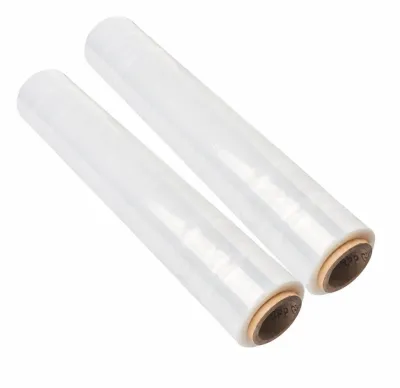
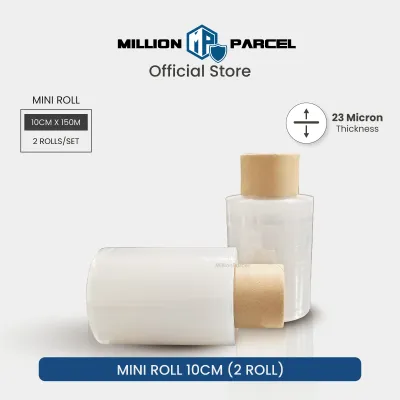
![🏅[CHEAPEST] Stretch Film/ Shrink Wrap / Cling Wrap /Pallet wrapping /Moving Supplies/pallet Wrap/Pallet wrapping](https://img.lazcdn.com/g/p/c69357eb04f4e35ac9ee2d124f108fda.jpg_400x400q80.jpg_.webp)
Prices are valid at publication and may change. Please refer to the product page for the latest price.
The width of the roll dictates how efficiently you can cover different types of furniture. Standard rolls are typically 500 millimeters wide, making them ideal for wrapping large surfaces such as sofas, wardrobes, mattresses, and dining tables. This width allows you to cover large areas quickly with fewer passes. Conversely, narrow rolls ranging from 100 to 250 millimeters, often called baby rolls, are designed for bundling smaller items, securing loose cabinet doors, wrapping table legs, or keeping rolled-up carpets tight. Attempting to wrap a large sofa with a narrow roll leads to uneven tension and excessive seams, which compromises the overall protection.
Elastic recovery and self-cling properties are the mechanical features that allow stretch wrap to function without adhesives. High-quality moving plastic wrap should have a stretch capacity of at least 100% to 150% under manual tension, meaning a one-meter section can stretch to over two meters without snapping. This elasticity creates a continuous compressive force that holds moving blankets and protective padding firmly against the furniture. Additionally, the film must exhibit strong self-cling properties, sticking securely to itself without leaving any sticky adhesive residue on your furniture surfaces when removed.
Understanding Different Types of Stretch Film for Relocations
Selecting the right roll format can significantly affect your physical comfort and packing speed during a demanding move. Standard hand rolls feature a simple cardboard core that requires you to hold the inner tube directly or use a separate plastic dispenser. While cost-effective, wrapping an entire apartment with standard rolls can cause friction burns on your hands if used without gloves or dispensers. Extended core rolls solve this issue by extending the cardboard tube several inches beyond the plastic film on both sides, creating built-in handles that allow for a more ergonomic grip and better tension control.

Color options also serve distinct functional purposes during transit and storage. Clear stretch film is the most common choice, allowing you to easily identify wrapped items, read labels, and spot any shifting or damage through the plastic. Opaque films, usually available in black or dark blue, offer privacy by concealing valuable electronics, artwork, or personal items from view. Furthermore, opaque films provide a basic level of light shielding, which is beneficial if wrapped furniture must be temporarily stored in areas exposed to direct sunlight, preventing UV-induced fading on fabrics and wood finishes.
Pre-stretched film is an alternative option that has been mechanically stretched during manufacturing. Because the film is already close to its maximum stretch point, it requires very little physical effort to apply, making it an excellent choice for individuals who want to minimize physical fatigue. Pre-stretched film also reduces material waste because you use less physical force to achieve a tight wrap. However, because it has less residual elastic recovery than standard stretch film, it is best suited for securing lightweight items or holding protective blankets in place, rather than stabilizing exceptionally heavy, shifting furniture loads.
How to Evaluate and Shortlist Reliable Packaging Brands
To build a reliable shortlist of packaging supplies from local hardware shops or online marketplaces in Singapore, you must look past generic “super strong” or “heavy duty” marketing claims and verify the actual product specifications. Always check the product listing or label for the exact micron thickness and roll dimensions. A common industry pitfall is comparing rolls solely by gross weight. Some low-quality products use an extra-thick, heavy cardboard core to make the roll feel substantial, while actually providing very little plastic film. To ensure you are getting good value, compare the net weight of the plastic film itself, which reputable suppliers will clearly state.
Material composition is another critical indicator of performance. High-quality moving plastic wrap is manufactured from 100% virgin Linear Low-Density Polyethylene (LLDPE). Virgin LLDPE provides superior tensile strength, excellent puncture resistance, and consistent cling compared to films made with recycled plastic content. Recycled films often have a distinct chemical odor, lower elasticity, and a tendency to tear prematurely when stretched around sharp corners. If a seller does not specify the material composition or net weight, it is best to look for another supplier that provides transparent technical specifications.
When purchasing bulk packaging supplies online, take time to assess seller reputation and customer feedback. Look for reviews that specifically mention the film’s resistance to splitting, its cling strength, and whether the rolls arrived undamaged. In Singapore, reliable industrial suppliers often maintain official stores on local ecommerce platforms, offering a level of quality consistency that generic, unbranded listings cannot guarantee. Additionally, verify the seller’s return policy; a supplier confident in their product’s industrial grade will typically offer straightforward returns or replacements for defective rolls that split consistently during normal use.
Practical Steps for Wrapping Furniture Securely
Before applying a single layer of moving plastic wrap, you must properly prepare the furniture to prevent damage. Begin by thoroughly cleaning all surfaces to remove dust, dirt, and grit. If left on the furniture, these abrasive particles can act like sandpaper when pressed tightly against the surface by the plastic wrap during transit. Next, remove all detachable components, such as table legs, drawer knobs, glass shelves, and loose brackets. Pack these smaller parts separately in labeled bags to prevent them from scratching the main furniture body or getting lost during the move.
Once the surfaces are clean and disassembled, apply primary cushioning layers before using the stretch wrap. Moving plastic wrap is designed to bundle, compress, and protect against moisture and dust, but it does not provide impact cushioning. Place cardboard corner protectors on sharp edges, and wrap delicate wooden, lacquered, or upholstered surfaces in thick moving blankets or bubble wrap. The moving plastic wrap should then be applied over these cushioning materials, acting as a tight outer skin that locks the protective layers securely in place and prevents them from shifting.
To apply the film with consistent tension, start at the bottom of the item and work your way upward. Anchor the film by wrapping it around a sturdy base, such as the legs of a sofa or the bottom of a chest of drawers, overlapping the first layer several times to secure the end. As you move upward, pull the roll firmly to stretch the film slightly, maintaining constant tension to create a tight, cohesive sleeve. Ensure each new pass overlaps the previous layer by approximately 50% to build structural strength. When wrapping items with joints or hollow sections, avoid pulling the film so tightly that it warps wooden frames or crushes delicate decorative elements.
Common Wrapping Mistakes That Damage Furniture
One of the most damaging mistakes you can make is wrapping plastic film directly over delicate finishes, untreated solid wood, or genuine leather. Singapore’s tropical climate features high relative humidity, which can easily trap moisture between the non-porous plastic film and the organic furniture materials. This trapped moisture can lead to rapid mold growth, wood warping, or permanent clouding of lacquered finishes within just a few hours inside a moving truck. Always ensure there is a breathable barrier, such as a cotton moving blanket or paper padding, between the furniture surface and the outer plastic wrap.
Another frequent error is over-tightening the plastic wrap on fragile structures, glass panels, or hollow-core doors. While tight tension is necessary to secure moving blankets, excessive compressive force can cause structural joints to crack or glass inserts to shatter under pressure. When wrapping items containing glass, always apply a layer of cardboard over the glass pane first to distribute the pressure evenly, and avoid pulling the stretch wrap to its absolute physical limit around these sensitive areas.
Finally, many people fail to apply sufficient layers of film on high-friction and high-impact zones. The corners of wardrobes, the bottom edges of heavy desks, and the feet of chairs are highly vulnerable to scraping against walls, door frames, and truck floors. Applying only one or two thin layers of plastic wrap in these areas will result in immediate punctures, exposing the furniture underneath to deep scratches. To prevent this, reinforce all corners and high-friction points with extra padding, and apply at least four to five overlapping layers of heavy-duty stretch wrap to create a durable, puncture-resistant shield.
Frequently Asked Questions (FAQ)
Can I use standard kitchen cling wrap instead of moving plastic wrap?
No, you should not use standard kitchen cling wrap to protect furniture during a move. Kitchen cling wrap is typically made from low-density polyethylene (LDPE) or polyvinyl chloride (PVC) and is engineered to be extremely thin, usually ranging from 8 to 12 microns. It lacks the tensile strength, puncture resistance, and width required to secure heavy furniture or hold thick moving blankets in place. Under the stress of a relocation, kitchen wrap will stretch excessively, tear easily on minor corners, and fail to provide any meaningful structural support, leaving your furniture vulnerable to damage.
How do I safely remove stretch wrap without scratching the furniture?
To safely remove stretch wrap after your move, avoid using sharp utility knives or pocket knives directly against the wrapped surfaces, as the blade can easily slip through the plastic layers and gouge wood, leather, or fabric upholstery. Instead, use a specialized safety cutter featuring a guarded blade designed specifically for slicing shrink film. If a safety cutter is not available, carefully insert a blunt tool, such as a plastic opening tool or the rounded edge of a spoon, under the outer layers of wrap to lift them away from the furniture, then use scissors to cut outward, away from the item’s surface.
Community discussion
Share your experience or ask a question. Comments are reviewed before publication.