
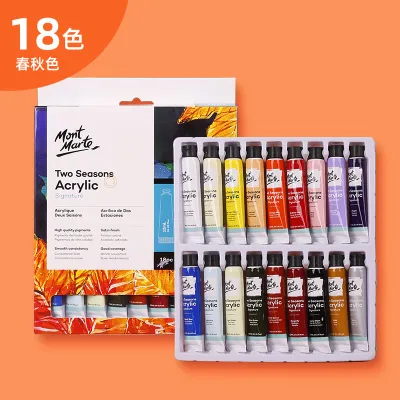
Selecting your first acrylic paint set requires balancing color variety, paint quality, and your specific creative goals. For beginners exploring the Mont Marte range, a student-grade set containing 12 to 24 tubes is generally the most practical starting point. This range offers a sufficiently broad palette to practice color mixing without the overwhelming complexity or high cost of professional-grade collections. In Singapore’s warm and humid climate, managing paint drying times and storage space is a key consideration, making the choice of packaging and paint viscosity highly influential to your overall painting experience.
Acrylic paint is highly favored by beginners due to its water-soluble nature, fast drying time, and versatility across various surfaces. However, not all starter sets are created equal, and selecting the wrong tier or color configuration can lead to frustration. By understanding how different paint characteristics behave on canvas or craft surfaces, you can make an informed decision that supports your learning curve.
Understanding Mont Marte Acrylic Paint Tiers
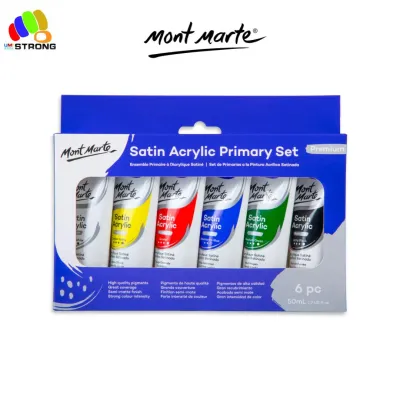
Mont Marte categorizes its acrylic paints into distinct tiers, primarily distinguishing between student-grade (often labeled as “Signature” or introductory lines) and studio or professional-grade (such as “Premium” or “Satin” lines). The primary difference between these tiers lies in the pigment load and the quality of the acrylic polymer binder. Student-grade paints utilize a higher proportion of synthetic binders and fillers, such as calcium carbonate, which lowers the production cost but also reduces the overall color intensity. Professional-grade paints, by contrast, contain a higher concentration of finely ground pigments, resulting in richer, more vibrant colors that retain their brilliance even when heavily diluted with water or medium.
Products mentioned in this guide
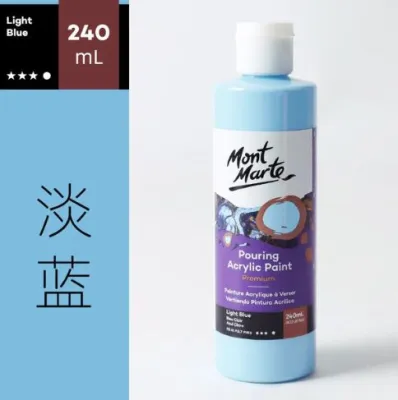
Prices are valid at publication and may change. Please refer to the product page for the latest price.
When evaluating these sets, pay close attention to the lightfastness and opacity ratings printed on the packaging or individual tubes. Lightfastness refers to a pigment’s resistance to fading when exposed to light over time, typically rated on a scale from I (excellent) to V (poor), or represented by a star system on Mont Marte tubes. Opacity indicates how effectively the paint covers underlying layers, ranging from transparent to semi-transparent and fully opaque. For beginners, understanding these ratings is crucial because transparent colors require layering to achieve solid coverage, while highly opaque colors can cover mistakes easily.
Another critical factor to consider is color shift, which is the tendency of acrylic paint to dry slightly darker than it appears when wet. This shift occurs because the wet acrylic binder is milky white but dries completely clear, leaving only the pigment visible. Student-grade paints often exhibit a more pronounced color shift due to the higher volume of binders and fillers. While higher-tier paints offer better blending capabilities and minimal color shift, they are not strictly necessary for initial technique practice, where the focus is on brush control and basic color theory.
Core Selection Criteria for Beginner Acrylic Sets
When comparing specific Mont Marte starter kits, the number of colors included in the set is your first major decision point. A set of 12 to 24 colors is generally considered the sweet spot for beginners. A 12-color set typically includes warm and cool primaries (red, yellow, blue), essential earth tones (like burnt sienna and yellow ochre), along with black and white. This limited palette forces you to learn the fundamentals of color mixing, which is a vital skill for any aspiring artist. Opting for a massive set of 36, 48, or more colors might seem convenient, but it often leads to a reliance on pre-mixed colors and can result in muddy, unappealing mixtures when you attempt to blend them.

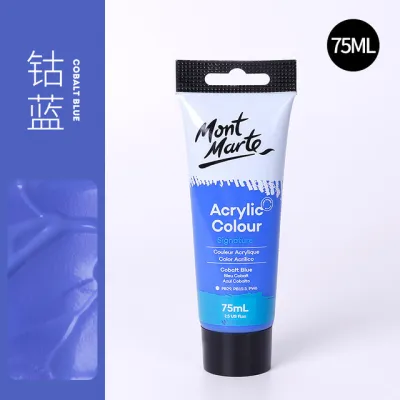
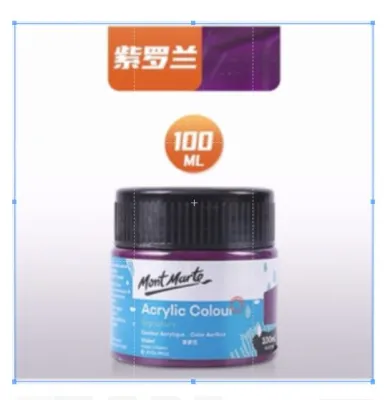
The packaging of the paint—specifically tubes versus jars—also plays a significant role in usability and preservation. Tubes, ranging from 12ml to 75ml, are highly recommended for beginners. They allow for precise dispensing, minimize exposure to air, and are easy to store in compact spaces, which is particularly beneficial for those working in typical Singapore apartments. Jars, which usually contain larger volumes of 250ml or more, are excellent for covering large background areas or for classroom settings, but they carry a higher risk of drying out if the lid is left off during a painting session. Furthermore, dipping a dirty brush directly into a jar can introduce contaminants, leading to mold growth in humid environments.
Many starter kits come bundled with accessories such as plastic palettes, basic synthetic brushes, or small tabletop easels. While these all-in-one kits offer immediate convenience, it is important to assess the quality of the included tools. Often, the brushes in budget-friendly bundles are prone to shedding bristles and losing their shape quickly. If you are budgeting around S$15 to S$30 for your initial setup, it is frequently more advantageous to purchase a paint-only set and select a few high-quality synthetic brushes separately, rather than relying on the basic accessories included in a bundled kit.
Matching Mont Marte Sets to Your Learning Goals
Your choice of a Mont Marte acrylic set should align directly with the specific projects you plan to undertake. Different creative workflows require different paint behaviors, and matching the paint’s physical properties to your goals will prevent unnecessary difficulty during your practice sessions.
For Basic Canvas Painting and Color Mixing Practice
If your primary goal is to learn traditional canvas painting, you should look for standard viscosity sets, often referred to as medium or heavy body acrylics. These paints have a thick, buttery consistency that holds brushstrokes and palette knife marks, allowing you to experiment with texture and impasto techniques. A balanced set containing warm and cool variations of the primary colors is essential for mastering color theory.
When selecting a set for canvas work, ensure it includes generous volumes of titanium white and mars black. Beginners quickly discover that white is the most frequently used color on the palette, as it is required for tinting and creating highlights. A set that offers larger tubes of white, or purchasing an extra individual tube of titanium white alongside your starter set, will ensure you do not run out of paint mid-project.
For Mixed Media, Crafts, and Detail Work
For those interested in painting miniatures, customizing clay crafts, decorating wooden surfaces, or working in art journals, fluid acrylics or sets with smaller tube sizes (such as 12ml tubes) are highly suitable. These paints have a lower viscosity, allowing them to flow smoothly off the brush without leaving heavy textures, which is ideal for intricate detail work and achieving flat, even coats.
When painting on non-traditional or textured craft surfaces, the opacity of the pigment becomes incredibly important. You will need paints that can cover dark or uneven backgrounds without requiring dozens of layers. Additionally, because Singapore’s high humidity can slow down the drying process on non-porous surfaces like plastics or sealed clay, applying thin, even coats of fluid acrylic is much more effective than using thick layers of heavy body paint, which may remain tacky for an extended period.
Pre-Purchase Checks for Online and In-Store Buying
Whether you are purchasing your Mont Marte set from a local art supply shop or an online marketplace, performing a few quick checks will ensure you receive a fresh, usable product. First, inspect the packaging integrity. If buying in-store, gently squeeze the tubes to ensure they feel pliable and liquid; a rock-hard tube indicates that the paint has cured inside due to a compromised seal. When buying online, read recent customer reviews to verify that the seller stores their inventory in a temperature-controlled environment, as extreme heat can cause the acrylic emulsion to separate permanently.
Next, examine the product labels for safety and quality standards. Look for non-toxic certifications, such as the AP (Approved Product) seal from the Art and Creative Materials Institute (ACMI), which ensures the paints are safe for indoor use and prolonged skin contact. Additionally, check if the packaging lists the specific pigment index codes (such as PW6 for Titanium White or PB29 for Ultramarine Blue). The presence of these codes is a strong indicator of a reputable paint line, allowing you to track exactly what chemical pigments are used in your colors.
Finally, confirm what is included in the box. Some online listings may use promotional images that display accessories not included in the basic set. Double-check the written product description to ensure you are getting the exact color count and tube sizes you expect. If the product description promises a color mixing guide or a digital tutorial link, verify that these resources are accessible and included with your purchase.
Essential Add-Ons to Complete Your Beginner Setup
While a Mont Marte acrylic set provides the core medium, you will need a few additional tools to establish a functional painting station. The most critical add-on is a set of dedicated synthetic brushes. Acrylic paint is highly alkaline and dries into a water-resistant plastic film, which can quickly ruin delicate natural hair brushes like sable. Synthetic bristles made of nylon or polyester are much more resilient, maintain their spring when wet, and are easier to clean. A basic selection consisting of a medium flat brush for backgrounds, a round brush for details, and a filbert brush for soft edges is sufficient for almost any beginner project.
Surface preparation is another key step that beginners often overlook. If you are painting on raw wood, cardboard, or unprimed canvas, applying a layer of acrylic gesso is highly recommended. Gesso seals the porous surface, preventing the acrylic binder from soaking into the material, which can leave your paint looking dull and chalky. A single jar of white gesso can significantly improve the vibrancy and adhesion of your paints on various craft surfaces.
Lastly, managing your paint on the palette is essential, especially in warm climates. Standard plastic palettes allow acrylic paint to dry out within minutes, leading to wasted paint. Investing in a stay-wet palette—which uses a damp sponge layer beneath a sheet of permeable paper—keeps your acrylics moist and workable for hours, or even days when sealed. If a stay-wet palette is outside your budget, disposable palette paper sheets offer a convenient alternative, allowing you to tear off and discard the used surface for quick cleanup in small living spaces.
Frequently Asked Questions (FAQ)
Can I mix student-grade acrylics with professional brands later?
Yes, you can safely mix student-grade and professional-grade acrylic paints because they both utilize a compatible water-based acrylic polymer emulsion as their binder. However, you should expect some changes in performance when blending different tiers. Mixing a highly pigmented professional paint with a student-grade paint will dilute the overall pigment density, resulting in a mixture that is less vibrant and has lower tinting strength than the pure professional paint. Additionally, the texture and drying times may vary slightly depending on the specific fillers used in each brand, so it is always wise to test your mixed colors on a scrap piece of paper before applying them to your final artwork.
How do I prevent my acrylic paint tubes from drying out between sessions?
To maximize the shelf life of your Mont Marte acrylic tubes, always clean the threads of the tube nozzle before screwing the cap back on. Acrylic paint acts as a powerful adhesive when dry; if paint accumulates on the threads, it can glue the cap shut or prevent a tight seal, allowing air to enter and cure the remaining paint inside the tube. Wipe the nozzle with a damp cloth or paper towel after each use. Store your paint tubes in a cool, dry drawer away from direct sunlight and fluctuating temperatures, keeping them flat or cap-down to ensure any air pockets rise to the bottom of the tube rather than sitting near the opening.
Are the brushes included in starter kits good enough for beginners?
The brushes included in starter kits are generally acceptable for your very first practice strokes, color charts, and basic blending exercises. However, they are typically made from lower-grade synthetic fibers that tend to splay, lose their sharp edges, and shed bristles onto your wet paint over time. As you progress past basic exercises and begin working on detailed canvas paintings or crafts, upgrading to a few mid-range, individually purchased synthetic brushes will significantly improve your control and precision. Investing in a few reliable brushes and maintaining them with proper brush soap will yield much better results than relying solely on bundled tools.

Community discussion
Share your experience or ask a question. Comments are reviewed before publication.