
To choose the best MemoArt yarn for your knitting or crochet project, you must align the yarn’s weight, fiber composition, and structural texture with the specific demands of your pattern and the intended use of the finished item. There is no single universal option; instead, the ideal selection depends on whether you are crafting a lightweight wearable, a structured toy, or a durable home accessory. By evaluating these technical characteristics systematically, you can ensure your project has the correct drape, stitch definition, and longevity.
Matching Yarn Weights to Your Pattern Requirements
Yarn weight refers to the thickness of the strand, which directly dictates the density, drape, and scale of your knitted or crocheted fabric. The Craft Yarn Council categorizes yarn weights using a standardized numbering system from 0 (lace) to 7 (jumbo). Each category serves a distinct purpose in crafting:
- Lace (Weight 0) and Fingering (Weight 1): These ultra-fine yarns are highly suited for delicate socks, lightweight shawls, and intricate baby garments where a fluid, light drape is essential.
- Sport (Weight 2) and DK (Weight 3): Double knitting (DK) and sport weights represent a versatile middle ground, frequently selected for lightweight sweaters, cardigans, and detailed accessories.
- Worsted (Weight 4) and Aran: These medium-weight yarns are the most popular choices for everyday garments, blankets, scarves, and home decor because they offer a balanced combination of warmth, structure, and speed of crafting.
- Bulky (Weight 5) and Super Bulky (Weight 6): These thick yarns are ideal for quick-knitting projects like thick winter hats, heavy cowls, and chunky throw blankets, producing a dense, insulating fabric.
Before purchasing any yarn, it is critical to consult your chosen pattern to identify the recommended yarn weight and gauge. The pattern will specify a baseline weight category and a target gauge, which is the number of stitches and rows per inch or centimeter. You must verify if the available MemoArt yarn options align with these specific requirements. If a pattern calls for a worsted-weight yarn, substituting a fingering-weight yarn without significant modifications will result in an item that is far too small and lacks structural integrity. Conversely, using a bulky yarn for a pattern designed for DK weight will produce an oversized, stiff, and heavy object. Checking the manufacturer’s specifications on the product listing or label allows you to confirm that the yarn’s designated weight category matches your pattern’s expectations.
Products mentioned in this guide
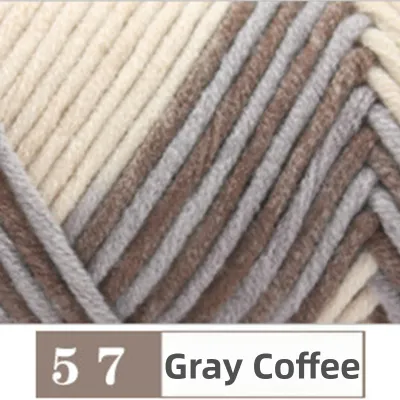
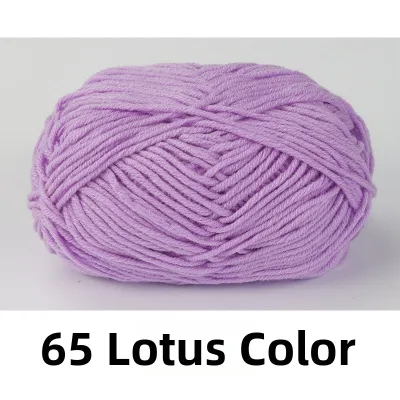
Prices are valid at publication and may change. Please refer to the product page for the latest price.
Furthermore, understanding how tension affects gauge is vital. Even if you use the exact yarn weight recommended, your personal knitting or crocheting style—whether you naturally work tightly or loosely—will influence the final dimensions. Measuring your gauge using a dedicated ruler or gauge tool on a test swatch is the only reliable way to ensure your project will turn out the correct size. When evaluating MemoArt yarn, compare the recommended gauge on the label with your pattern’s requirements to determine if they are compatible.
Choosing the Right Fiber Material for Your End Use
The fiber content of your yarn determines how the finished item behaves, feels against the skin, and responds to washing. Different materials possess distinct physical properties that make them suitable for specific applications.

Cotton and Plant Fibers
Cotton is a natural plant fiber celebrated for its exceptional breathability, strength, and lack of elasticity. It produces a cool, comfortable fabric that is ideal for warm-weather garments, market bags, and kitchen accessories like dishcloths. Because cotton yarn does not stretch or bloom significantly, it offers outstanding stitch definition, making it a preferred choice for amigurumi (crocheted toys) where tight, neat stitches are necessary to prevent stuffing from escaping.
When choosing cotton, consider the difference between mercerized and unmercerized cotton. Mercerized cotton undergoes a chemical treatment that increases its luster, strength, and dye affinity, resulting in vibrant colors and a smooth, slightly shiny finish. Unmercerized cotton, on the other hand, is softer, highly absorbent, and matte, making it better suited for bath and kitchen accessories.
Wool and Animal Fibers
Wool and animal fiber blends offer contrasting characteristics, characterized by natural elasticity, warmth, and memory. Wool fibers have microscopic scales that cling to one another, providing excellent insulation and allowing the fabric to retain its shape after stretching. This elasticity makes wool highly forgiving for beginners, as it helps even out minor tension inconsistencies. Wool is also highly responsive to blocking—a process of wetting and shaping the finished piece—which is essential for opening up intricate lace patterns or settling complex cable stitches in winter wear.
When selecting wool or wool-blend variants, it is important to consider skin sensitivity, as some individuals find rustic wools scratchy, whereas merino wool blends offer a much softer hand feel. Additionally, pay attention to whether the wool is treated as “superwash,” which means it has been chemically treated or coated to prevent felting, allowing it to be machine washed safely. Untreated wool must be hand-washed with care to avoid shrinking and felting.
Acrylic and Synthetic Fibers
Acrylic and synthetic fibers provide a highly durable, cost-effective, and easy-care alternative to natural fibers. Synthetic yarns are generally resistant to shrinking, fading, and moths, making them excellent for high-use, frequently washed items such as baby blankets, everyday garments, and home decor. They are also hypoallergenic, which is a key consideration when gifting items to individuals with sensitive skin or wool allergies.
However, synthetic fibers lack the breathability of cotton and the natural temperature regulation of wool. When browsing available options, always check the official product descriptions or physical labels for exact fiber percentages, as blends (such as acrylic-cotton or wool-acrylic) often combine the best properties of both materials.
Evaluating Texture and Ply for Stitch Definition
Yarn construction—specifically how the individual plies are spun together—plays a major role in how your stitches look and feel. Ply refers to the number of individual strands twisted together to form a single yarn.
- Multi-Ply Yarns: A smooth, tightly plied yarn consisting of multiple strands twisted firmly together provides excellent stitch definition. This structural clarity is essential if your pattern features complex textures, such as cables, twisted stitches, ribbing, or intricate colorwork like Fair Isle. The smooth surface allows each stitch to stand out sharply, showcasing the technical detail of your work.
- Single-Ply Yarns: Single-ply (roving-style) yarns consist of a single, softly spun strand. They are incredibly soft and fluffy, making them highly comfortable for accessories worn close to the face, but they are prone to pilling and have lower structural strength.
- Textured and Novelty Yarns: Yarns with a textured, fuzzy, or halo surface (such as brushed fibers, chenille, or bouclé) behave very differently. These yarns tend to fill the spaces between stitches, creating a soft, cohesive, and cloud-like fabric. While they are incredibly cozy and warm, they obscure individual stitch details. If you attempt to knit a complex cable pattern with a highly textured or fuzzy yarn, the intricate work will be lost in the texture, resulting in a muddy appearance. Therefore, textured yarns are best paired with simple, basic stitches like garter stitch or stockinette, where the yarn itself provides the visual interest.
The interaction between your tools and the yarn texture also affects the final fabric. Using a larger hook or needle size with a textured yarn can create a light, airy drape, whereas smaller tools will produce a dense, stiff fabric. Additionally, the material of your needles or hooks matters; smooth yarns glide easily on metal tools, while slippery yarns might be easier to control on grippy bamboo or wooden needles. Before committing to a large quantity of yarn for a major project, it is highly beneficial to check product images, read user reviews, or order a single sample skein. This allows you to knit or crochet a small test swatch to observe how the yarn behaves with your chosen needles or hooks, ensuring the resulting texture matches your expectations.
Reading Yarn Labels to Verify Project Suitability
A yarn label is a dense source of technical information that must be carefully decoded before starting a project. The most prominent feature on a standard label is the yarn weight symbol, typically represented by a stylized skein icon containing a number from 0 to 7. Next to this symbol, you will find the manufacturer’s recommended knitting needle and crochet hook sizes, usually listed in both millimeters and US sizes. The label also displays a standard gauge swatch graphic, indicating the approximate number of stitches and rows a typical crafter will achieve in a 10 cm by 10 cm (4-inch by 4-inch) square using the recommended tools. This serves as a helpful starting point, though your personal tension may require you to adjust your tool size.
Another critical piece of information on the label is the dye lot number. When yarn is dyed in large vats, subtle variations in temperature, water chemistry, and dye concentration can cause slight differences in color between batches. Even if two skeins share the exact same color name or color code, they may look noticeably different when worked into a solid fabric if they come from different dye lots. To avoid visible lines or blocks of mismatched color in your finished item, always verify that every skein you purchase for a single project shares the identical dye lot number. If you must use different dye lots, alternating skeins every two rows can help blend the transition seamlessly.
Finally, the label outlines care instructions using standard international laundry symbols or written text. These instructions dictate whether the finished item can be machine washed and tumble dried, or if it requires gentle hand washing and flat drying. For items like baby clothes, kitchen towels, or blankets, machine-washable yarn is often a necessity. For heirloom sweaters or delicate lace shawls, hand-wash-only fibers may be acceptable. Reviewing these care requirements during the selection process ensures that the finished item will fit the lifestyle and maintenance preferences of the end user.
Building a Conditional Shortlist for Common Projects
To simplify your decision-making process, you can use a conditional framework to narrow down the best yarn options based on the specific category of your project. Different items demand different physical characteristics from the yarn, and prioritizing the right features will lead to a more successful outcome.
Wearables (Sweaters, Cardigans, and Scarves)
For garments worn close to the skin, comfort and drape are the primary considerations. You should prioritize softness to prevent irritation, along with appropriate thermal properties for the intended season.
- Material Choice: Look for fine wool blends, soft acrylics, or cotton-blend yarns that offer a balance of warmth and breathability.
- Weight: Fingering, sport, or DK weights are ideal for maintaining a flattering, fluid drape without adding excessive bulk.
- Verification: Check the label for skin-contact comfort and ensure the fiber blend has enough elasticity to prevent the garment from stretching out of shape over time.
Home Decor (Blankets, Cushions, and Rugs)
Items designed for the home must withstand regular use, friction, and frequent laundering while maintaining their structural integrity.
- Material Choice: High-quality acrylics, sturdy cottons, or durable synthetic blends are excellent choices.
- Weight: Worsted, bulky, or super-bulky weights work well, allowing you to create thick, cozy fabrics relatively quickly.
- Verification: Prioritize machine-washable and tumble-dry-safe options, and calculate the total yardage required to ensure you can source enough skeins from the same dye lot.
Amigurumi and Toys
Crocheted toys require a yarn that can hold a firm shape, resist stretching when stuffed, and showcase clean, precise stitches.
- Material Choice: 100% cotton or cotton-acrylic blends are the industry standard because they do not stretch easily and offer exceptional stitch definition.
- Weight: Sport or DK weights are commonly used to keep the stitches small and tight.
- Verification: Ensure the yarn has a tight ply to prevent splitting during tight crochet work, and look for low-shedding fibers to ensure the toy is safe for handling.
When you have identified your project’s specific needs, cross-reference these conditional requirements with the available MemoArt variants on official craft stores or authorized retail channels to make your final purchase.
Frequently Asked Questions (FAQ)
How do I calculate the number of skeins needed for a large project?
To determine how many skeins of yarn to purchase, you must calculate the total yardage or meterage required by your pattern rather than relying on the number of skeins the designer used. Different brands and yarn types have varying lengths per skein, even if the weight of the ball is identical. First, locate the total required yardage specified in your pattern instructions. Next, check the label or product listing of your chosen yarn to find the yardage or meterage provided in a single skein. Divide the total required yardage by the yardage per skein, and round up to the nearest whole number. For example, if your pattern requires 1,200 yards and each skein contains 250 yards, you will need 4.8 skeins, which rounds up to 5 skeins. It is highly recommended to add a 10% buffer (purchasing 6 skeins in this scenario) to account for differences in personal tension, swatching, or minor mistakes.
What should I do if my gauge swatch does not match the pattern?
If your gauge swatch does not match the pattern’s specified stitch and row count, you must adjust your tool size or tension to ensure the finished item fits correctly. If your swatch has too many stitches per inch, your tension is too tight, or your needles/hooks are too small; you should switch to a larger needle or hook size and knit another swatch. If your swatch has too few stitches per inch, your tension is too loose, or your tools are too large; switch to a smaller needle or hook size. Always wash and block your gauge swatch exactly as you plan to care for the finished item before measuring, as fibers often expand or contract when wet. If you find that you must adjust your tool size by more than two sizes to achieve gauge, the fabric may become too stiff or too loose, indicating that you should consider switching to a different yarn weight or material entirely.

Community discussion
Share your experience or ask a question. Comments are reviewed before publication.