
The best magnetic weekly planner features for secondary students managing Co-Curricular Activities (CCAs) and exam schedules are a structured time-blocking layout, a robust magnetic backing that adheres firmly to metal surfaces, and bleed-resistant paper that handles heavy highlighting. Balancing fixed commitments like CCAs and tuition alongside fluid study plans requires a highly visible, durable tool that can transition between home study spaces and school environments. By focusing on layout clarity, physical durability, and size compatibility, students can maintain a clear overview of their weekly commitments without losing track of critical academic milestones.
Identifying the Best Layout for CCA and Tuition Timetables
Time-blocking layouts divide the day into hourly or session-based intervals, making them highly effective for secondary school students. This structure is ideal for mapping out fixed blocks of time dedicated to CCAs, which often run late into the afternoon, alongside scheduled tuition classes. Standard to-do lists, while useful for simple tasks, do not show the gaps or overlaps in a student’s day, making it easy to accidentally overcommit during busy weeks.
Weekly views are generally superior to daily views for managing overall schedules because they allow students to see the entire week’s commitments at a single glance. This perspective helps in identifying lighter days where intensive exam revision can be prioritized. However, the writing space within each day must be large enough to accommodate specific tasks. If a weekly view feels too cramped, a hybrid layout that offers a weekly overview alongside a small daily breakdown is an excellent alternative.
Products mentioned in this guide
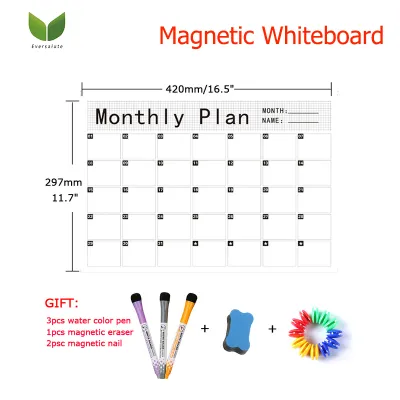
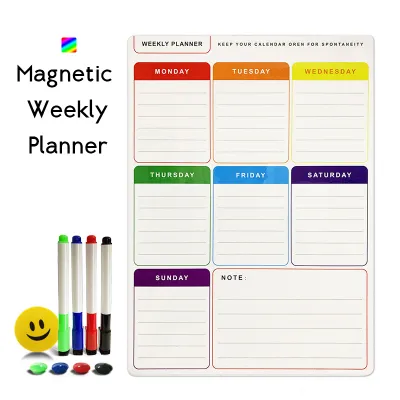
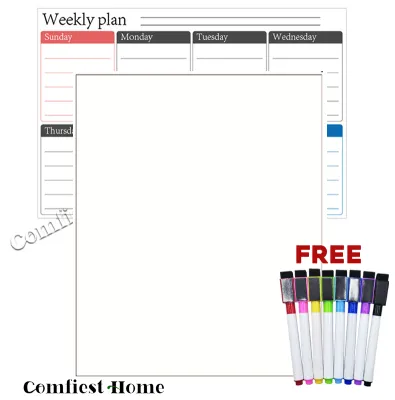
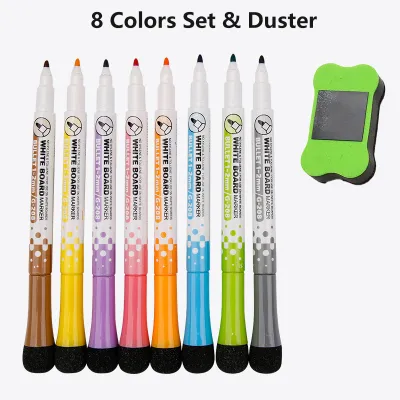
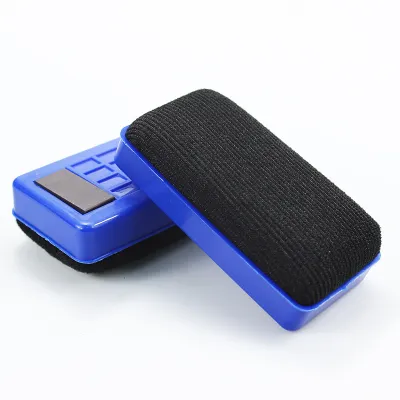
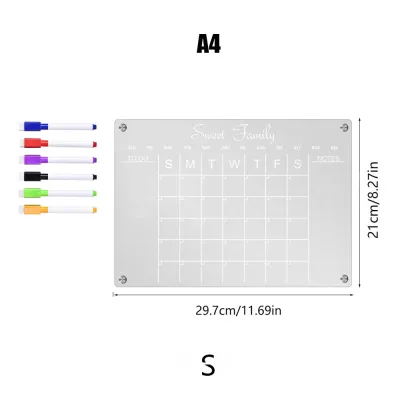
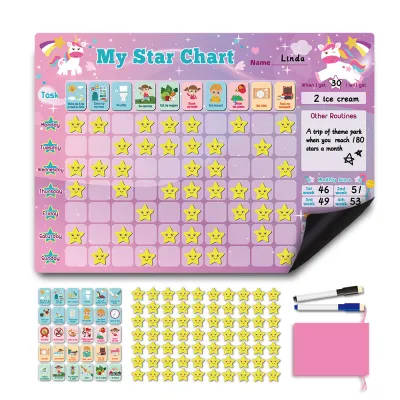
Prices are valid at publication and may change. Please refer to the product page for the latest price.
Look for planners that include dedicated sections for weekly goals or exam milestones. These separate spaces allow students to highlight critical deadlines, such as project submissions or specific exam papers, keeping them top-of-mind without cluttering the daily schedule. Having a designated area for priorities ensures that academic targets remain visible even when the daily calendar is packed with extracurricular activities.
Checking Magnetic Strength and Paper Quality for Daily Use
A magnetic planner is only useful if it stays securely in place on a locker door or a home refrigerator. When used on standard metal lockers, the planner requires a full-surface magnetic backing rather than small corner magnets. Corner magnets often slip or peel away when writing on the planner or when the locker door is slammed. Verify that the magnet is flexible yet strong enough to hold the weight of the planner, especially if it features multiple tear-off pages.

Secondary school revision often involves color-coding with highlighters, gel pens, and fine-liners. To prevent ink from bleeding through to the next page, look for paper with a high weight specification, typically 100 gsm (grams per square metre) or higher. Since ink absorption depends on the exact combination of paper fibers and pen ink, students should test their preferred writing tools on an inconspicuous corner of the planner to check for ghosting or feathering before filling out their schedule.
For planners that travel in a school bag, binding durability is critical. Double-wire binding allows the planner to fold completely flat, which is excellent for writing on cramped school desks or when holding the planner against a locker. The cover should ideally be a thick, water-resistant material like polypropylene to protect the inner pages from water bottle spills and general wear inside a crowded backpack.
Ensuring Enough Space and Durability for Exam Seasons
During intensive exam preparation, standard weekly blocks may not offer enough space for detailed revision timetables. Planners that feature built-in pockets, sticky note sections, or fold-out pages allow students to temporarily expand their writing area. These additions are perfect for tracking specific syllabus topics, formulas, or quick reminders without permanently altering the main weekly layout.
To ensure the planner lasts the entire academic year, consider models that support refillable paper inserts. Refillable systems allow students to replace completed weeks while keeping the durable magnetic cover and any custom dividers, making it a more sustainable and cost-effective choice over time. This design also prevents the planner from becoming overly bulky as the year progresses.
Size is a major constraint for secondary students who must manage limited locker space and heavy school bags. A planner that is too large will not fit into a standard locker or may weigh down a backpack. Conversely, a planner that is too small will not provide enough writing space for complex schedules. Students must measure their locker dimensions and bag capacity before purchasing, balancing the need for writing space with daily portability.
A Practical Testing Checklist Before You Buy
Before committing to a purchase, or immediately upon delivery, perform a quick physical assessment to ensure the planner meets your daily needs. Test the magnetic grip on a vertical metal surface; the planner should not slide down when you gently tap the top edge or open the locker door. To test paper quality, write a few words using your wettest gel pen or highlighter on a back page, then check the reverse side for any signs of ink penetration.
Use a pencil to mock up a typical high-intensity week, including three CCA sessions, two tuition classes, and daily exam revision blocks. This simulation will immediately reveal if the daily columns are wide enough for your handwriting or if the layout feels too cramped to read quickly. If the spaces are too small, you may need to opt for a larger size or a more streamlined layout.
Since physical performance can vary based on the specific metal alloy of your locker or the exact pens you use, always check the retailer’s return and exchange policies. Ensure you can return the planner if the magnetic strength is insufficient for your specific locker or if the paper fails your initial ink tests. This precaution prevents spending money on a tool that cannot withstand the rigors of the school year.
Frequently Asked Questions (FAQ)
Will the Magnet Scratch or Damage a School Locker?
Standard flexible rubber magnets typically do not scratch painted metal locker surfaces. However, dust and grit trapped between the magnet and the locker door can cause minor abrasions over time. To prevent this, wipe both the locker surface and the back of the planner clean before mounting, and avoid dragging the planner across the metal surface when repositioning it.
Should You Choose A4 or A5 for Your School Bag?
The choice between A4 and A5 depends on where you plan to do most of your writing. An A4 planner offers ample space for detailed time-blocking and is excellent for desk-based study sessions, but its bulk can make it difficult to carry daily. An A5 planner is highly portable, fits easily into standard school bags alongside textbooks, and takes up less space on a shared classroom desk, making it the preferred option for students who need to update their schedules on the go.
Community discussion
Share your experience or ask a question. Comments are reviewed before publication.