
Finding the right magnetic clothing clips for sewing in Singapore requires looking past marketing labels and focusing on physical attributes: magnetic pull strength, casing materials that resist the local humid climate, and smooth, snag-free edges. While several global haberdashery brands and unbranded imports fill the shelves of local textile districts, your decision should rest on a hands-on evaluation of how these clips interact with your specific fabrics. By understanding what makes a magnetic clip durable and safe for delicate textiles, you can confidently curate a toolkit that protects your materials and streamlines your sewing workflow.
The Role of Magnetic Clips in Sewing Projects
Delicate fabrics like silk, satin, chiffon, and high-thread-count cottons are highly susceptible to permanent pinholes. Traditional dressmaker pins can bend, snag fibers, or leave unsightly dark marks if they oxidize. Magnetic clothing clips hold these delicate layers together using flat, magnetized surfaces that clamp the fabric without piercing the weave. This non-destructive hold is particularly valuable when working with waterproof fabrics, laminated textiles, or genuine leather, where any puncture mark remains permanently visible.
Beyond protecting delicate fibers, magnetic clips significantly accelerate the preparation stages of tailoring and garment construction. When draping fabric on a dress form or adjusting a paper pattern against a textile layer, sliding a magnetic clip into place takes a fraction of the time required to pin through multiple dense layers. They allow for rapid adjustments during fittings, as you can easily slide or reposition the clips without removing them entirely.
Products mentioned in this guide
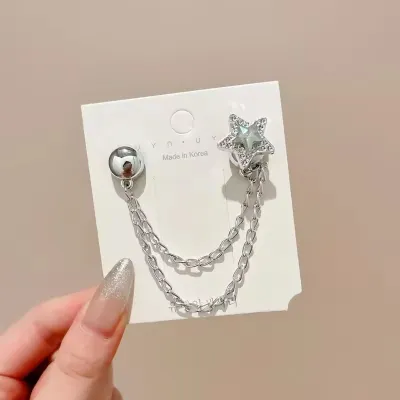
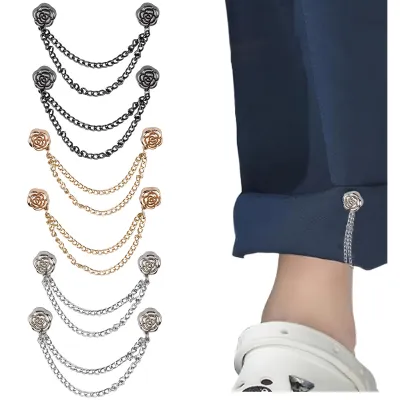
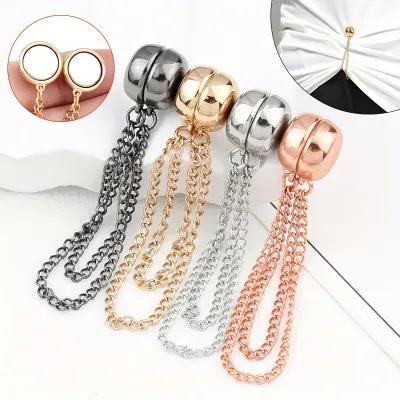
Prices are valid at publication and may change. Please refer to the product page for the latest price.
Workspace safety is another practical advantage. Dropped pins are a constant hazard in a home studio, easily lost in carpets or stepping hazards. Magnetic clips are larger, highly visible, and naturally cling to metal surfaces or magnetic pin cushions. This makes them much easier to track, reducing the risk of accidental injuries and keeping your sewing area clean and organized.
How to Evaluate Magnetic Clip Quality and Fit
The primary functional element of any magnetic clip is the magnet itself, typically made from neodymium or ferrite. Neodymium magnets offer a much stronger pull relative to their size, making them ideal for holding multiple layers of heavy fabrics like denim, canvas, or wool. When evaluating clips, look for specifications indicating the magnetic grade or weight capacity. A high-quality clip should hold its position when subjected to the natural shifting of fabric during handling. If the magnet is too weak, the layers will slide apart under the weight of the drape; if it is too strong, it may crush delicate fibers or prove difficult to separate with one hand.

The physical design of the clip determines how it distributes pressure across the fabric. Look for clips with a flat, wide surface area rather than a narrow, concentrated point of contact. A wider surface distributes the clamping force evenly, minimizing the risk of leaving temporary indentations or crushing delicate pile fabrics like velvet. Inspect the edges of the plastic or metal casing closely. Any sharp corners, flashing from the molding process, or rough seams can catch on fine threads and cause snags. High-quality clips feature rounded, polished edges that glide smoothly over the fabric surface.
Singapore’s tropical climate, characterized by high relative humidity, poses a constant threat of rust and corrosion to metal tools. Cheap magnetic clips often use low-grade steel casings or unprotected iron magnets that degrade quickly when exposed to moisture in the air or perspiration from your hands. To prevent rust from transferring onto your expensive fabrics, prioritize clips encased in high-grade, impact-resistant plastics or rust-resistant metals such as stainless steel or brass. If the magnet itself is exposed, verify that it has a protective coating, such as nickel-copper-nickel plating, to shield it from environmental moisture.
Sewing sessions often involve repetitive motions, making ergonomic design a key consideration. The clips should be easy to pick up, align, and separate using only one hand while your other hand holds the fabric in place. Look for designs that incorporate textured ridges, finger grooves, or slightly raised tabs that provide leverage when pulling the magnets apart. Avoid clips that are completely flat and smooth on the exterior, as they can be slippery and difficult to manipulate, especially if your fingers are dry or covered in fabric dust.
Where to Buy Haberdashery Tools in Singapore
To truly assess the weight, texture, and magnetic strength of clothing clips, visiting a physical haberdashery shop is highly recommended. Singapore has several historic textile and craft hubs, most notably in the Chinatown district, where multi-generational fabric shops and sewing supply merchants operate. Exploring the stalls at People’s Park Food Centre or visiting dedicated craft department stores in central shopping districts allows you to handle the clips before purchasing. Many of these physical retailers stock reputable Japanese and European haberdashery brands, giving you the opportunity to test the magnetic pull against different fabric samples you bring along.
If you prefer the convenience of online shopping, digital marketplaces and specialist sewing e-commerce platforms offer an extensive selection of magnetic clips. When browsing online, look for listings that provide detailed technical specifications, including exact dimensions, weight, and material composition. Avoid listings that rely solely on generic stock photos or vague descriptions. Instead, seek out specialist craft retailers that curate high-quality sewing notions and provide clear, transparent product details.
Because you cannot physically inspect online purchases beforehand, you must rely on strategic verification methods. Examine customer reviews specifically for feedback regarding magnet durability, rust resistance, and edge smoothness. Be cautious of extremely low-priced multipacks, as these often compromise on casing quality and magnet consistency. Look for sellers who offer clear return policies or product guarantees, allowing you to return the clips if they do not meet your quality standards upon arrival.
How to Test and Maintain Magnetic Grip
Before introducing new magnetic clips to a live sewing project, conduct a systematic test on scrap pieces of the same fabric. Sandwich two or more layers of the scrap material between the clips and gently pull the fabric in opposite directions. Observe whether the clips hold firm or slide along the fibers. For delicate fabrics, leave the clips clamped for several hours, then remove them to check for any permanent indentations, fiber distortion, or discoloration. This simple step ensures that the clamping force is perfectly matched to your material.
Magnets naturally attract fine metallic dust, loose thread tails, and lint from your sewing workspace. Over time, this accumulation of debris forms a barrier on the magnetic face, reducing its grip and potentially scratching your fabrics. Regularly inspect the clamping surfaces of your clips. To clean them, use a soft-bristle brush, a lint roller, or a piece of low-tack masking tape to lift away loose fibers and dust. Avoid using harsh chemical solvents or soaking the clips in water, as moisture can seep into the casing and initiate internal rust.
To preserve the magnetic strength of your clips over the long term, store them in a dedicated container away from extreme heat and direct sunlight. Keep them separated from computerized sewing machines, magnetic storage drives, and sensitive electronic devices, as strong magnetic fields can interfere with digital components. Storing them in a lined tin or a dedicated plastic compartment box prevents them from clumping together in a tangled mass, making them easier to retrieve during your next project.
When to Choose Alternatives for Specific Fabrics
While magnetic clips are highly versatile, they have physical limitations. When working with extremely thick assemblies, such as multi-layered quilting sandwiches, heavy denim flat-felled seams, or bulky winter wear, the distance between the two magnets increases. This gap significantly weakens the magnetic pull, causing the clips to shift or fall off. In these scenarios, spring-loaded binding clips or classic wonder clips are far more effective, as their mechanical spring action provides a consistent, high-pressure grip regardless of fabric thickness.
For tasks that require absolute precision, such as intricate draping on a dress form, creating fine gathers, or setting sleeves, magnetic clips can be too bulky. Their physical footprint can distort the natural drape of lightweight fabrics like chiffon or organza. In these delicate applications, fine glass-head dressmaker pins remain the superior choice. They pierce the fabric with minimal friction, allow you to see the exact seam line clearly, and do not add unnecessary weight that could alter the garment’s hang.
Heavy-duty projects involving thick upholstery fabrics, stiff canvas, or genuine leather often exceed the holding capacity of standard magnetic sewing clips. Attempting to force a magnet through these dense materials can result in the clip slipping, which may scratch the leather surface or misalign your seams. For these specialized materials, consider using heavy-duty leather clamps, double-sided basting tape, or specialized rotary clips designed specifically to handle high-tension, thick-gauge materials without causing structural damage.
Frequently Asked Questions (FAQ)
Can strong magnetic clips damage my sewing machine?
Yes, strong magnetic clips can potentially affect computerized sewing machines if they are placed directly on or near sensitive electronic components. Modern sewing machines rely on internal computer boards, LCD screens, and electronic sensors to control stitch patterns and tension. While using magnetic clips on your fabric near the presser foot is generally safe, you should avoid storing loose clips on the machine’s body or near the screen. Always refer to your sewing machine manufacturer’s guidelines regarding the use of magnetic accessories and keep a safe distance of at least ten centimeters between strong magnets and electronic displays.
How do I clean lint off the magnetic surface?
To clean lint, thread fibers, and dust off the magnetic surface, use a soft-bristle brush, a lint roller, or a strip of low-tack masking tape. Pressing the tape against the magnetic face and peeling it away is highly effective for lifting stubborn micro-fibers without scratching the casing. Avoid using liquid cleaners, water, or harsh chemical solvents, as moisture can seep into the seams of the casing and cause the internal magnet or metal backing to rust. Keeping the magnetic faces dry and clean ensures a consistent grip and prevents any transfer of dirt onto your sewing projects.
Community discussion
Share your experience or ask a question. Comments are reviewed before publication.