
Selecting the right journal accessories for school-aged children in Singapore requires balancing developmental needs, academic demands, and classroom rules. While primary school students benefit from tactile, highly visual, and safe tools that make journaling an engaging creative outlet, secondary school students require streamlined, high-performance accessories designed for rapid note-taking, exam preparation, and personal organization. Matching these tools to a student’s grade level ensures that their journal remains a productive space rather than a source of distraction.
Identifying Journaling Needs Across Different Grade Levels
The transition from primary to secondary school marks a significant shift in how students interact with written media. In the early primary years, journaling serves as a vital tool for developing fine motor skills, spatial awareness, and basic literacy. Younger students use their journals to process daily experiences, practice handwriting, and express emotions through drawings and simple sentences. Consequently, their accessories must prioritize tactile engagement, ease of use, and immediate visual feedback to keep them motivated.
As students enter secondary school, the academic workload increases, shifting the journal’s role from a creative diary to a critical organizational tool. Secondary students must manage multiple subjects, project deadlines, and co-curricular activities. Their journaling needs transition toward structured note-taking, time management, and efficient revision. Accessories for this age group must support rapid information processing, clear categorization, and long-term durability under heavy daily use.
Products mentioned in this guide
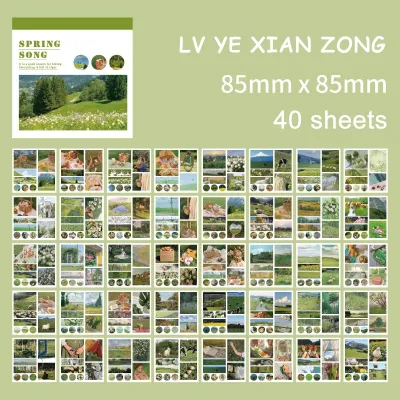

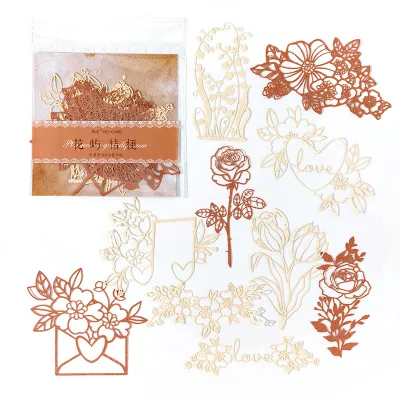
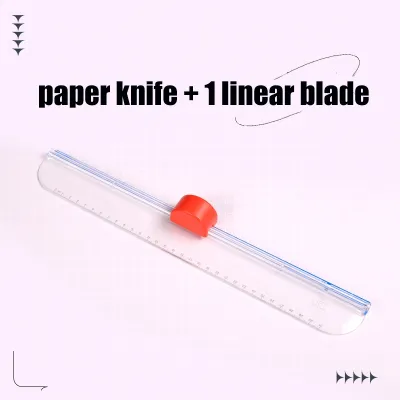
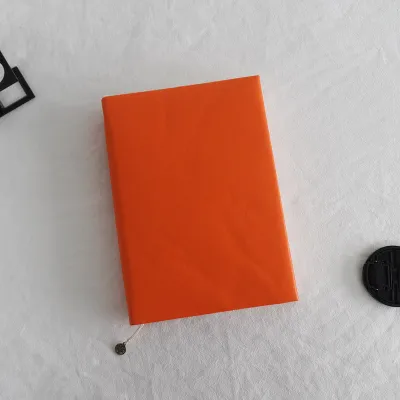
Prices are valid at publication and may change. Please refer to the product page for the latest price.
Safety and school policy compliance act as the primary filters when selecting stationery. In Singapore, primary schools often enforce strict guidelines regarding safety, prohibiting sharp tools or highly distracting toys in the classroom. Secondary schools, while more lenient with tool complexity, still require students to adhere to professional presentation standards, often restricting non-standard ink colors in official work. Understanding these shifting boundaries helps parents and students make practical, stress-free stationery choices.
Essential Journal Accessories for Primary School Students
For primary school students, safety and physical ease of use are paramount. When introducing cutting and pasting activities to a child’s journaling routine, parents should opt for blunt-tip safety scissors and solid glue sticks rather than liquid adhesives. Liquid glue often leads to messy, warped pages that take hours to dry. A solid glue stick provides immediate adhesion with minimal mess, allowing the journal pages to remain flat. Non-toxic, water-based markers are also essential, ensuring that any accidental skin or clothing contact can be easily washed away.

Developing fine motor skills requires tools that accommodate smaller hands and developing grip strength. Thick-barrel pens and triangular coloring pencils are excellent choices, as they naturally guide fingers into a comfortable tripod grip, reducing hand fatigue. Pre-cut stickers and easy-peel decorative tapes allow younger children to personalize their journals independently, fostering a sense of ownership and pride in their work without requiring the precise scissor skills they may still be developing.
While decorative items can make journaling fun, it is important to avoid accessories that hinder focus or pose safety risks. Small, detachable parts like tiny decorative eraser caps or loose sequins should be excluded from a primary student’s kit due to choking hazards and classroom distraction. Complex mechanical tools, such as advanced multi-pen systems or intricate tape dispensers, can also cause frustration if they jam. Keeping the primary school journal kit simple, sturdy, and highly visual ensures a positive, independent experience.
Functional Journal Accessories for Secondary School Students
Secondary school students require a highly functional toolkit that enhances study efficiency and supports advanced note-taking techniques. Fine-liner pens with water-resistant ink are indispensable for creating precise, legible text in compact journal layouts. When paired with mild highlighters in soft pastel shades, students can color-code their notes and highlight key concepts without overwhelming the page. Multi-color pens featuring standard blue, black, red, and green inks allow for rapid switching between main text, corrections, and annotations during fast-paced lectures.
Organization and quick referencing are critical when managing dense secondary school curricula. Reusable sticky notes and transparent page flags allow students to mark important pages, write temporary reminders, and flag textbook sections without leaving permanent marks. Functional plastic stencils featuring geometric shapes, grids, and arrows are also highly beneficial, enabling students to draw neat, accurate diagrams, flowcharts, and mind maps quickly during science or geography lessons.
Given the demanding nature of daily commuting and moving between classrooms, secondary school accessories must be both minimalist and durable. Bulky, decorative pencil cases should be replaced with slim, hard-shell or heavy-duty fabric cases that fit easily into crowded school bags. Choosing accessories made from robust materials, such as metal-ring binders, tear-resistant page dividers, and high-quality plastic rulers, ensures that the student’s organizational system remains intact throughout the demanding academic year.
Versatile Accessories That Work Across All Grade Levels
Despite the differing needs of primary and secondary students, several high-value stationery items offer universal utility across all grade levels. The foundation of any good journaling practice is a durable notebook featuring thick paper. When selecting a journal, look for paper weights of at least 100gsm to 120gsm. This thickness is crucial for preventing ink bleed-through and ghosting, whether a primary student is using heavy water-based markers or a secondary student is writing with fine-liners. A sturdy, thread-bound binding is also ideal, as it allows the notebook to lay completely flat for comfortable writing.
Standard geometric rulers, basic pencil cases, and neutral-colored adhesive notes are universal staples that transition seamlessly from primary to secondary education. A clear, shatterproof 15cm or 30cm ruler is equally useful for drawing simple borders in a primary school diary and constructing precise graphs in secondary physics. Simple, transparent mesh pencil cases allow students of all ages to locate their tools instantly, reducing time wasted rummaging through bags during class.
When investing in these shared or long-term items, evaluating the cost-per-use helps determine if a higher initial price in S$ is justified. While cheap, low-quality notebooks and pens may seem economical initially, they often require frequent replacement due to torn pages, broken bindings, or dried-out ink. Spending a moderate amount on a well-constructed, refillable journal system or a set of durable, ergonomic tools often proves more cost-effective over several school terms, teaching students the value of caring for high-quality personal belongings.
How to Build a Smart and Budget-Friendly Journal Kit
Assembling a practical journal kit does not require buying an entirely new set of stationery every semester. The first step in building a budget-friendly kit is conducting a thorough inventory check of existing household supplies. Gather all loose pens, markers, rulers, and notebooks from around the home to identify what is already usable. Testing existing pens on a scrap piece of paper and checking glue sticks for moisture can prevent unnecessary duplicate purchases, saving both money and storage space.
Once the inventory is complete, establish a realistic budget and prioritize core functional tools over trendy, single-use decorative novelties. For primary students, focus the budget on safe, high-quality coloring tools and a sturdy notebook. For secondary students, prioritize reliable writing instruments and organizational flags. Limit decorative purchases to one or two versatile items, such as a single roll of neutral washi tape or a basic set of functional stickers, which can be used creatively across multiple pages without cluttering the journal.
Finally, always verify specific school rules regarding allowed stationery before finalizing any purchases. Some schools in Singapore maintain strict guidelines regarding acceptable pen colors for homework, often banning gel pens or specific bright shades. Others may prohibit electronic label makers or highly distracting novelty pencil cases in the classroom. Checking the school’s handbook or orientation guidelines ensures that the student’s carefully curated journal kit remains fully compliant and ready for daily classroom use.
Frequently Asked Questions (FAQ)
How often should journal accessories be replaced?
Journal accessories should be replaced based on physical wear and performance rather than seasonal trends or academic terms. Parents and students can perform simple visual and functional checks to determine when an item has reached the end of its lifespan. Test markers and pens on scrap paper to check for fading or scratchiness, inspect glue sticks to ensure they have not dried into a hard, unusable solid, and examine safety scissors for loose hinges or dull blades that tear paper instead of cutting it. Replacing items only when they fail to perform their core function or pose a safety risk keeps costs low and reduces environmental waste.
Can primary and secondary students share the same journal accessories at home?
Yes, sharing certain journal accessories at home is a highly cost-effective strategy for families, provided the items are safe for both age groups. Universal tools such as standard plastic rulers, desktop tape dispensers, safety scissors, and bulk packs of sticky notes can easily be kept in a communal study area for shared use. However, personal items that require specific care or are tailored to individual academic needs—such as a secondary student’s specialized fine-liners, mild highlighters, and daily-carry pencil cases—should be kept separate. This boundary prevents younger siblings from accidentally damaging delicate pen tips and avoids stressful conflicts over misplaced school supplies.
Community discussion
Share your experience or ask a question. Comments are reviewed before publication.