
Selecting the right hot glue gun set for school projects requires balancing a student’s developmental stage with the specific demands of their crafting materials. In Singapore, where students frequently engage in hands-on projects for Art, Science, or Design & Technology (D&T), a hot glue gun is a staple tool. However, because these tools rely on heat to melt adhesive, matching the tool’s specifications to the user’s age and motor skills is essential to prevent accidental burns while ensuring strong, lasting bonds.
Understanding Temperature Settings and Safety Features
To evaluate burn risks and material compatibility, start by distinguishing between low-temperature and dual-temperature models. Low-temperature glue guns typically operate around 120 degrees Celsius, which is sufficient for bonding lightweight materials like paper, cardstock, and thin foam. Standard-temperature models often reach 190 degrees Celsius or higher, making them suitable for dense materials like wood, metal, and thick plastics. Always check the exact heat ranges and specifications printed on the product label, as operating temperatures vary between brands.
Physical safety features are critical when choosing a hot glue gun set for younger users. Look for models equipped with an insulated silicone nozzle cover, which minimizes the exposed hot metal area and reduces the risk of accidental contact burns. A built-in, stable wire stand or an integrated base keeps the hot nozzle elevated off the work surface when the tool is resting. Additionally, a drip guard or anti-drip chamber helps prevent hot adhesive from pooling unexpectedly on the table.
Products mentioned in this guide
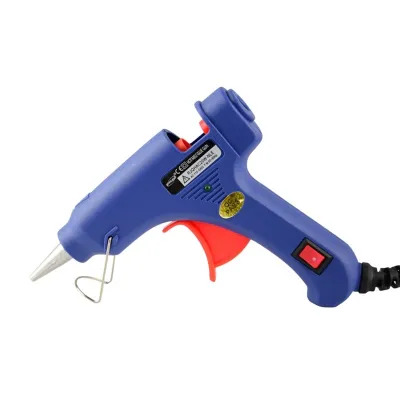
![[Cozy Nest] Compact Mini Hot Glue Gun Set with 2 Silicone Hot Glue Sticks Essential DIY Tool Kit for Crafting and Handiwork Projects Handy DIY Tool for Crafting Projects](https://img.lazcdn.com/g/p/0aecf6cf0450265c2e0508953a9a5067.png_400x400q80.png_.webp)
![[Free 5Pcs Glue Sticks] 20W Hot Melt Glue Gun US/EU Electric Heat Temperature Gun Mini Industrial Household Repair Tool](https://img.lazcdn.com/g/p/99ffe3ce7be5d925888856f9f2c8b96b.jpg_400x400q80.jpg_.webp)
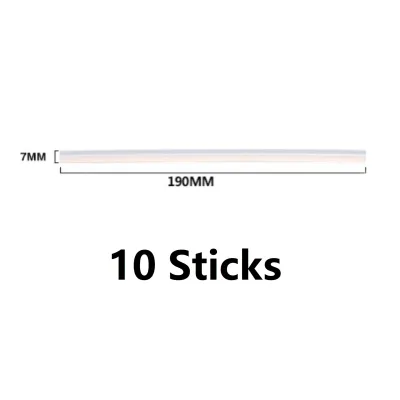
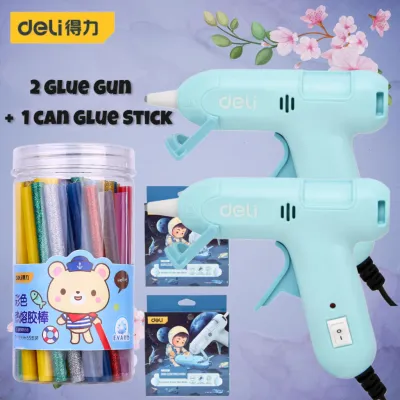
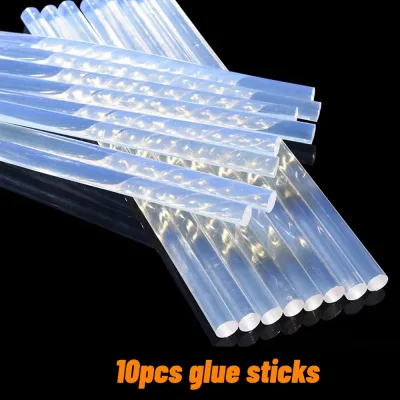
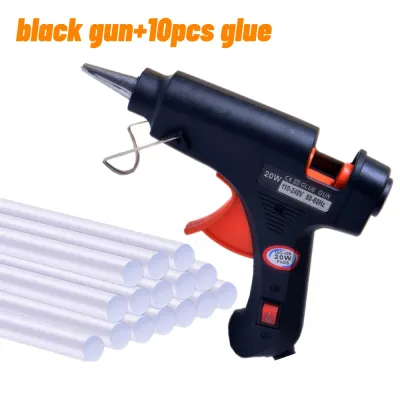
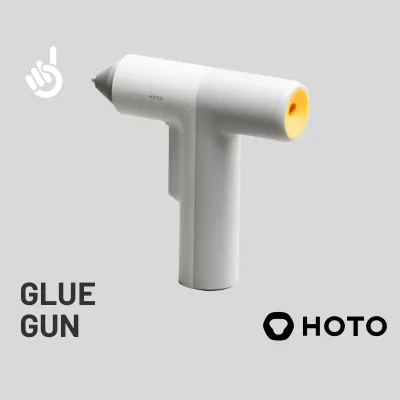
Prices are valid at publication and may change. Please refer to the product page for the latest price.
Before purchasing, verify safety certifications and age recommendations. In Singapore, look for safety marks on the packaging to ensure the appliance meets local electrical safety standards. Warning labels and manufacturer-specified age limits provide crucial guidance on whether a tool is appropriate for independent use or requires strict adult supervision.
Matching the Hot Glue Gun Set to Grade Levels and Project Types
Choosing the right hot glue gun set involves matching the tool’s physical size, weight, and mechanism to the student’s hand size and fine motor skill development. A tool that is too heavy or requires excessive grip strength can lead to hand fatigue and poor control, increasing the likelihood of slips.

Furthermore, the materials used in school assignments dictate the required temperature and glue flow rate. Delicate materials like crepe paper, sequins, and thin fabrics can melt or warp under high heat, making low-temperature settings necessary. Conversely, structural projects using corrugated cardboard, balsa wood, or acrylic sheets require the stronger, faster-setting bond of a standard-temperature adhesive. Because drying speed, bond strength, and material compatibility depend on the exact combination of the adhesive and the substrate, students should always perform an observable trial on a scrap piece of material first. This allows them to verify if the glue sets too quickly or if the heat damages the surface before committing to the final project.
Lower Primary: Supervised and Low-Risk Crafting
For students in lower primary levels (typically ages 7 to 9), safety is the absolute priority. At this developmental stage, children are still refining their fine motor coordination and may struggle to react quickly if hot adhesive drips. The ideal choice is an ultra-low-temperature hot glue gun set, which operates at a significantly reduced heat level to minimize burn risks.
Look for lightweight, compact bodies designed specifically to fit comfortably in smaller hands. Some models feature manual squeeze designs or low-resistance triggers that do not require intense grip strength to dispense the glue. These ergonomic adjustments help young crafters maintain a steady grip without straining their fingers.
Regardless of the tool’s built-in safety features, lower primary students must always work under direct adult supervision. Parents or educators should provide physical assistance, handle the plugging and unplugging of the device, and remain nearby to manage the hot tool at all times.
Upper Primary: Independent Crafting and Detail Work
As students progress to upper primary levels (ages 10 to 12), they begin tackling more complex school projects, such as historical dioramas, science models, and detailed art pieces. At this stage, children have developed better hand-eye coordination and can transition to trigger-fed mechanisms. Trigger-fed models offer superior control over the glue flow, allowing for precise application and reducing hand fatigue during longer crafting sessions.
A dual-temperature hot glue gun set is highly beneficial for this age group. These versatile tools feature a simple switch that allows students to toggle between low heat for delicate paper crafts and standard heat for sturdier materials like felt, fabric, and cardboard. This adaptability ensures the tool remains useful across a wide variety of school subjects.
For detailed craft work, look for models that accept precision or narrow nozzles. A narrow nozzle tip allows the student to apply tiny dots of glue to small components, such as beads or intricate paper cutouts, without creating messy adhesive strings or overloading the project with excess glue.
Secondary School: Advanced Projects and Heavy-Duty Use
Secondary school students (ages 13 to 16 and above) often engage in advanced design, engineering, and technology coursework that demands robust construction. For these demanding assignments, standard-temperature or heavy-duty hot glue gun sets are appropriate. These tools provide the high heat necessary to melt heavy-duty adhesive sticks, creating strong, durable bonds on challenging materials like wood, thick plastics, leather, and metal.
Ergonomics and mobility become increasingly important during extended project sessions. Look for models with comfortable, rubberized ergonomic grips that reduce hand strain during prolonged use. A longer, flexible power cord is also essential, as it allows students to move around larger prototypes or workpieces without being restricted by the proximity of the electrical outlet.
When selecting a heavy-duty set, verify the wattage and heating time on the manufacturer’s label. Higher wattage models (typically 40W to 100W) heat up faster and maintain a consistent operating temperature during continuous use, preventing the glue from cooling down and hardening inside the nozzle during large-scale assembly.
Evaluating Ergonomics, Design, and Glue Stick Compatibility
When comparing different hot glue gun sets, pay close attention to the dispensing mechanism. Trigger-fed models are generally preferred for most students because they use leverage to push the glue stick forward, requiring less physical effort than manual squeeze designs. For students with limited hand strength, a long, multi-finger trigger is easier to operate than a short, single-finger trigger.
Glue stick compatibility is another critical factor for long-term usability. Check the required glue stick diameter on the product specifications before purchasing. Most craft glue guns use either mini sticks (approximately 7mm in diameter) or standard/full-size sticks (approximately 11mm in diameter). Mini sticks are ideal for detail work and smaller tools, while standard sticks are better for high-volume projects. Ensure that replacement glue sticks of the correct diameter and temperature rating are readily available at local stationery shops or online marketplaces.
The physical stability of the tool when not in use is vital for preventing accidents. Evaluate the design of the included stand; a wide, flip-down wire stand or a weighted base provides better stability than a flimsy plastic clip. A stiff, heavy power cord can easily tip over a lightweight glue gun, so look for flexible cords that lay flat on the work surface to keep the hot nozzle pointing safely downward.
Safe Setup, Usage, and Storage Guidelines
Creating a safe crafting environment is essential before plugging in any hot glue gun set. Always prepare a heat-resistant workspace by laying down protective barriers, such as silicone craft mats, parchment paper, or thick scrap cardboard. These barriers protect dining tables or study desks from stray adhesive drips and provide a safe spot to rest the tool.
Once the crafting session is complete, follow proper cooling and storage procedures. Unplug the glue gun immediately from the wall outlet. Allow the tool to cool completely in an upright position on its stand—this process typically takes at least 15 to 20 minutes. Never attempt to wrap the power cord around a warm glue gun, and store the tool in a dry, secure cupboard out of reach of younger siblings.
Over time, residual glue can build up around the nozzle, or minor clogs may occur. To clear these safely, refer to the manufacturer’s instructions. Generally, you can wipe away excess warm glue from the exterior nozzle using a thick, dry cloth while wearing protective gloves, but never pull a partially melted glue stick backward out of the rear entry port, as this can damage the internal heating element and feed mechanism.
Frequently Asked Questions (FAQ)
Can a child use a hot glue gun without adult supervision?
Lower primary students must always work under direct adult supervision, regardless of the tool’s temperature setting or safety features. Older primary and secondary students may work independently only after they have demonstrated safe handling practices, fully understand the risks of heat burns, and have carefully read the manufacturer’s safety guidelines.
What should I do if hot glue gets on the skin?
If hot glue contacts the skin, immediately run cool water over the affected area for several minutes to cool the adhesive and soothe the skin. Do not attempt to peel or tear the glue off while it is hot, as this can pull the skin and worsen the injury. For severe burns, or if the glue covers a large area, seek professional medical attention immediately, and consult the product’s safety data sheet for specific first-aid guidance.

Community discussion
Share your experience or ask a question. Comments are reviewed before publication.