
Selecting the right fabric glue for primary school students requires balancing their developmental stage, motor skills, and project complexity. For younger children in Primary 1 and 2, the priority is washability and ease of handling, making fabric glue sticks or sponge-tip applicators ideal. As students progress to Middle Primary (Primary 3 and 4), they can transition to liquid fabric glues with precision tips to handle more detailed crafts. By Upper Primary (Primary 5 and 6), students working on complex mixed-media projects can safely manage stronger, semi-permanent or permanent adhesives, including low-temperature glue guns under supervision.
An adhesive that is too strong or difficult to squeeze can lead to frustration, ruined school uniforms, or safety hazards in the classroom. Conversely, an adhesive that is too weak will cause fabric pieces to detach, discouraging young creators. By understanding the specific demands of each grade level, parents can equip their children with tools that foster independence, creativity, and confidence during school art projects.
Decoding Fabric Glue Formats and Safety Certifications
Fabric adhesives come in several distinct formats, each offering different levels of application control and spill risks. Liquid bottles are highly versatile and excellent for covering larger surface areas, but they present a higher risk of accidental spills on desks and clothing. Glue sticks offer a solid, low-mess alternative that is incredibly easy for small hands to twist and apply evenly. Precision pens and squeezable tubes with fine metal or plastic nozzles provide excellent control for detailed lines, though they require more hand strength to operate consistently.
Products mentioned in this guide
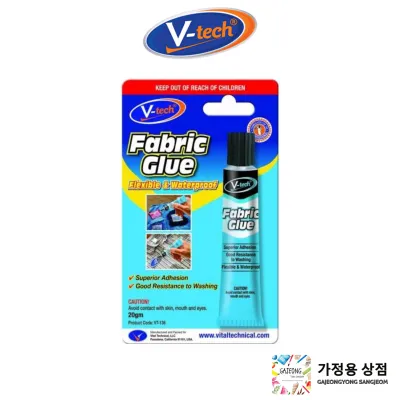
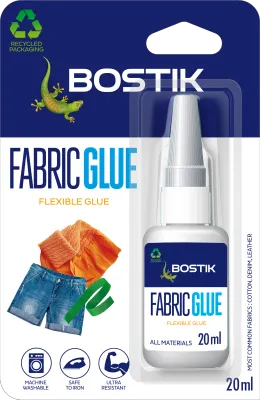
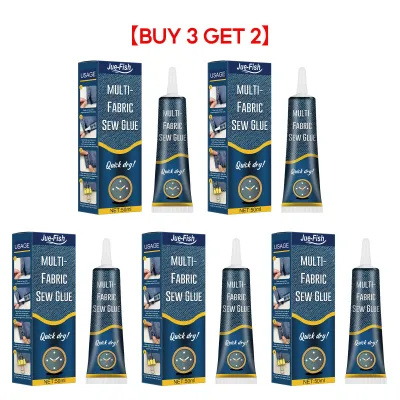
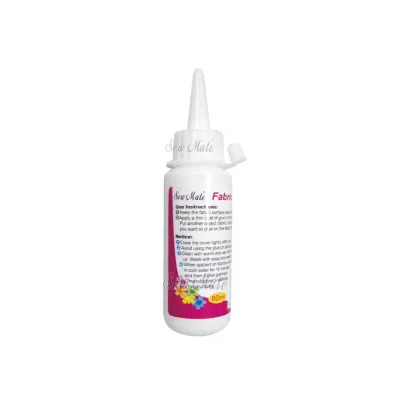
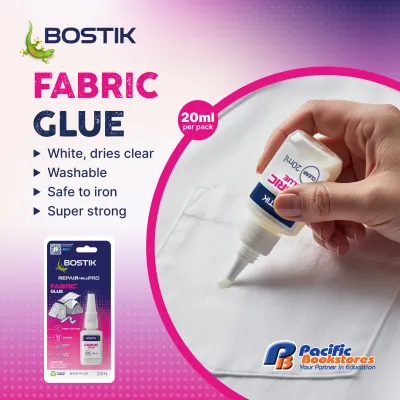
![[SG SELLER]Liyc Super-stick Sew Glue Liquid Multi-fabric Sewing Multi Function Clothing Repair Glue Universal Kit Fast Tack Dry Sewing Supplies](https://img.lazcdn.com/g/p/7157e2147d3be1cd12c6cba6d6267e36.jpg_400x400q80.jpg_.webp)
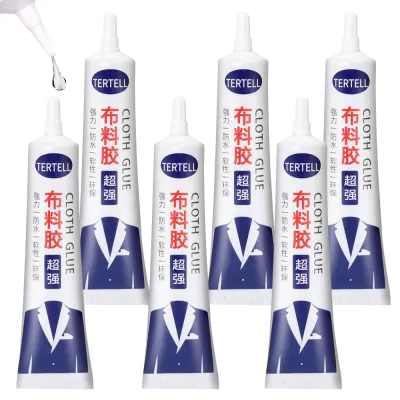
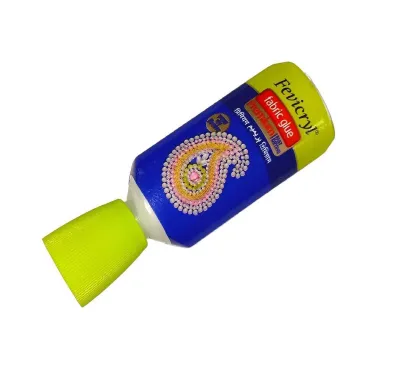
Prices are valid at publication and may change. Please refer to the product page for the latest price.
When shopping for school supplies, safety should always be the primary consideration. Parents should look for recognized non-toxic certification marks on the packaging. The ACMI “AP Non-Toxic” seal and the European “EN71” standard (specifically EN71-3 for chemical safety) are reliable indicators that the adhesive has been evaluated and is safe for children’s use. These certifications ensure that the product does not contain harmful solvents or chemicals that could cause adverse reactions during skin contact.
It is also essential to distinguish between permanent and washable formulas before making a purchase. Washable fabric glues are designed to dissolve in water, making them forgiving during the crafting process and easy to clean up. Permanent formulas, on the other hand, resist water and laundering once they have fully cured. While permanent glues are necessary for wearable crafts or items that will undergo regular washing, they require immediate cleanup before the adhesive sets.
Lower Primary (Primary 1–2): Prioritizing Washability and Motor Skill Support
Children in Primary 1 and 2, typically aged seven to eight, are still developing their fine motor control and hand strength. Squeezing a stiff plastic bottle of thick liquid glue can be physically exhausting for them, often resulting in sudden, large pools of adhesive that saturate the fabric and ruin the project. To support their motor skill development, parents should opt for fabric glue sticks or wide sponge-tip applicators. These formats allow children to apply a thin, even layer of adhesive directly onto the fabric without dripping or pooling.

At this early stage of schooling, messy hands and stained uniforms are almost guaranteed during art and craft lessons. Selecting a fully washable, water-soluble fabric glue is crucial for stress-free cleanup. These formulas can be easily rinsed off hands with warm water and soap, and they wash out of standard school uniform fabrics—such as cotton-polyester blends—in a standard laundry cycle, even after the glue has completely dried. This ensures that accidental spills do not result in permanently stained school attire.
Drying time is another critical factor to consider for lower primary students. Young children have limited patience and can easily become frustrated if their fabric pieces slide around or fall off. Quick-tack formulas are ideal because they begin to hold the fabric in place within a few minutes, even if the final cure takes several hours. This rapid initial hold allows children to see immediate results, keeping them engaged and motivated to complete their creative designs.
Middle Primary (Primary 3–4): Balancing Bond Strength and Application Control
By Primary 3 and 4, students have developed better hand-eye coordination and can manage more detailed tasks. Their art projects often involve attaching smaller decorative elements, such as sequins, ribbons, beads, or small felt shapes, to larger fabric backings. To accommodate these detailed crafts, liquid fabric glues housed in soft, squeezable bottles with fine precision nozzles are highly suitable. The narrow tip allows students to apply tiny dots or thin lines of glue exactly where needed, preventing excess adhesive from seeping through porous fabrics.
As projects become more structured, there is a natural transition from purely washable glues to semi-permanent options. Many middle primary crafts are intended as keepsakes, classroom displays, or gifts, requiring a bond that can withstand light handling over time. Semi-permanent fabric glues offer a stronger hold while remaining relatively easy to manage. These formulas are often water-based, allowing for easy cleanup with a damp cloth while the glue is still wet, but they cure into a water-resistant bond that keeps the project intact.
Because stronger fabric glues may require a few minutes to set, this stage is an excellent opportunity to teach children basic assembly techniques. Parents and educators can instruct students on how to use plastic clothes pegs, paper clips, or sewing pins to hold the fabric layers together while the adhesive cures. Learning to clamp or pin their work teaches children patience and precision, ensuring a flat, secure bond without the need to hold the pieces manually for extended periods.
Upper Primary (Primary 5–6): Managing Complex Projects and Mixed Materials
Students in Primary 5 and 6 frequently engage in advanced art, design, or co-curricular activities that involve heavier textiles. They may work with materials like denim, canvas, thick felt, or synthetic blends that require specialized fabric glues with high tensile strength. Standard school glues are simply not strong enough to penetrate these dense fibers, making heavy-duty fabric adhesives necessary to achieve a lasting bond.
These advanced projects often require bonding dissimilar materials, such as attaching plastic buttons, metal snaps, or wooden elements to fabric backings. Specialized fabric glues formulated for mixed media are ideal for these tasks. These adhesives are typically thicker and form a highly flexible, permanent bond that does not crack or stiffen when the fabric is bent, folded, or handled during school presentations.
For rapid assembly of three-dimensional textile projects, low-temperature hot glue guns may be introduced, but they require strict adult supervision and clear safety guidelines. Parents and teachers must ensure the workspace is stable and that students understand the risks of burns, even from low-temperature tools. Instructing students to use silicone finger protectors or wooden sticks to press the fabric onto the hot adhesive is an excellent way to prevent direct skin contact with the nozzle or molten glue.
Stronger permanent adhesives may contain solvents that emit mild fumes, making proper ventilation essential. Always check the manufacturer’s packaging for specific safety instructions regarding air circulation and skin protection. Instruct students to work in a well-ventilated area, such as near an open window or a fan, to avoid touching their eyes or face while crafting, and to wash their hands thoroughly with soap and water immediately after finishing their project.
A Pre-Purchase Checklist for School Fabric Glue
Before purchasing fabric glue from a local stationery shop or online marketplace, carefully read the product packaging to verify its suitability. Check the recommended age range and look for explicit safety warnings to ensure the product is appropriate for your child’s grade level. Confirm that the adhesive is labeled non-toxic and carries recognized safety certifications, which guarantees it is safe for classroom use.
Next, evaluate the stated fabric compatibility printed on the label. Some glues work exceptionally well on natural fibers like cotton and linen but fail to bond synthetic materials like polyester, nylon, or acrylic felt. Matching the glue’s specifications to the materials listed in your child’s school art syllabus or project brief will prevent project failures and wasted materials.
Finally, consider the storage requirements and shelf life of the adhesive. School terms are punctuated by holidays, meaning fabric glue may sit unused in a pencil case or art drawer for weeks or months. Choose bottles with secure, airtight caps—such as twist-lock nozzles—to prevent the adhesive from drying out between uses. Storing the glue upright in a cool, dry place away from direct sunlight will maximize its shelf life and ensure it is ready for the next school term.
Frequently Asked Questions (FAQ)
Can standard school glue be used instead of dedicated fabric glue?
Standard white school glue (PVA) or clear paper glue is formulated for porous, rigid materials like paper and cardboard. While it may temporarily hold lightweight fabrics together for a quick mock-up, it lacks the flexibility required for textiles. Once dry, standard school glue becomes stiff and brittle; bending or washing the fabric will cause the bond to crack and fail. Dedicated fabric glues contain flexible polymers that move with the fibers, ensuring a lasting bond.
How should fabric glue stains be treated if they get on school uniforms?
The key to removing fabric glue from school uniforms is acting quickly. If the glue is still wet, scrape off the excess with a blunt plastic edge, then rinse the area thoroughly under warm running water, rubbing the fabric together to dissolve the adhesive. For dried glue, check the uniform’s care label first. If the glue is water-soluble, soaking the garment in warm soapy water before washing should remove it. For permanent or solvent-based glues, consult the adhesive manufacturer’s instructions; some may require spot-treatment with rubbing alcohol or a specialized adhesive remover, which should always be tested on an inconspicuous seam first to prevent discoloring the uniform.

Community discussion
Share your experience or ask a question. Comments are reviewed before publication.