
Selecting the right display glue for school projects is essential for creating durable, neat, and professional-looking presentations. The ideal adhesive depends on the student’s grade level, the materials they are bonding, and the complexity of the assignment. While younger students require safe, washable, and easy-to-handle options, older students often need stronger, more precise adhesives to construct complex three-dimensional models.
In Singapore’s humid climate, drying times and material warping are critical factors that can affect the outcome of a project. Choosing the wrong glue can lead to wrinkled poster boards, detached components, or messy residue. By understanding the unique properties of different adhesives, parents and students can select the best tools to ensure their school projects remain intact from the classroom to the grading exhibition.
Compare Common Display Glue Types for School Crafts
Understanding the fundamental categories of display adhesives helps students match the right product to their specific project materials. Glue sticks are the most common school adhesive, designed primarily for flat paper, lightweight cardstock, and low-mess applications. They apply smoothly, dry relatively quickly, and contain minimal moisture, which prevents thin paper from wrinkling or bubbling during application.
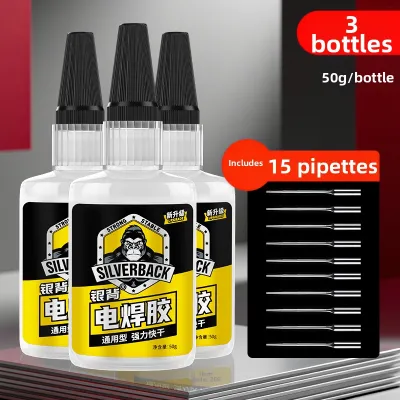
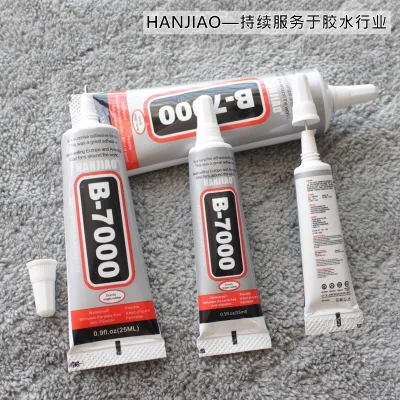
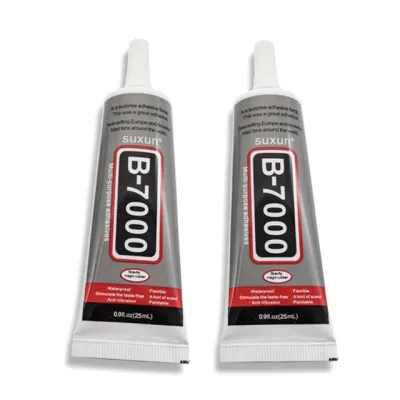
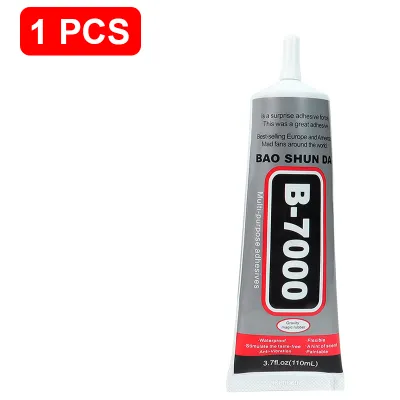
Products mentioned in this guide
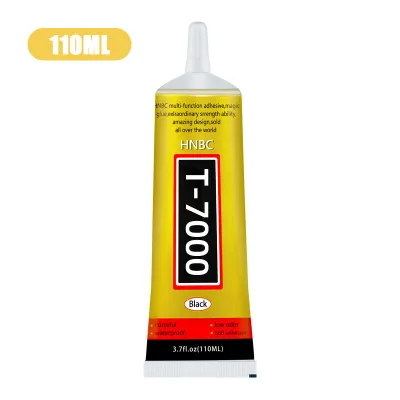
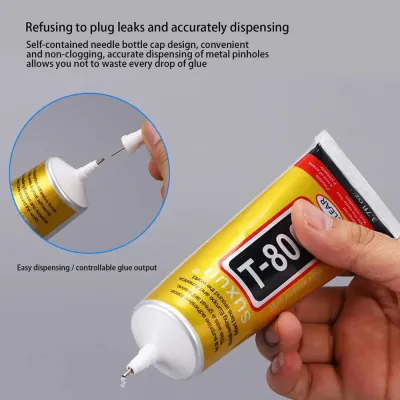
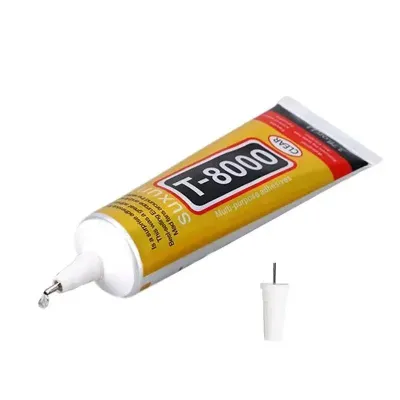
![[SG FREE ] B-7000 Glue 110ml 50ml 25ml 15ml Multi-Purpose Super Adhesive Epoxy Resin For DIY LCD Screen Phone Case](https://img.lazcdn.com/g/p/408b3a3f8b71489b83caa14aba826a52.jpg_400x400q80.jpg_.webp)
Prices are valid at publication and may change. Please refer to the product page for the latest price.
Liquid PVA (polyvinyl acetate), commonly known as white school glue, is a versatile option ideal for bonding porous materials like cardboard, wood, and papier-mâché. It penetrates the fibers of the materials to create a strong, flexible bond once fully cured. However, because liquid PVA has a high water content, it can cause thin paper to warp, and it requires a longer drying time, especially in high-humidity environments.
Craft and tacky glues offer a thicker consistency than standard liquid PVA, making them excellent for mixed-media projects. They are designed to hold lightweight 3D embellishments, fabric, felt, and porous surfaces in place without running or dripping. This immediate “tack” allows students to position items on vertical display boards without waiting hours for the adhesive to set.
Double-sided tape and glue runners provide an instant, dry bond that eliminates drying times entirely. These tools are perfect for precise edge work, attaching photographs, and securing borders on presentation boards. Because they contain no moisture, they guarantee a completely flat, wrinkle-free finish, making them a favorite for secondary school students aiming for a polished, professional look.
To ensure the best results, students should always perform a quick test on scrap pieces of their project materials. Apply a small amount of the chosen glue to a scrap piece of paper or cardboard, let it dry completely, and observe the drying speed, smoothness, and whether it bleeds through the paper. This simple trial helps verify if the adhesive will warp the display board or leave visible marks before applying it to the final project.
Match Glue Types to Primary School Needs and Safety
For primary school students, safety and ease of cleanup are the most important considerations when choosing an adhesive. Parents should prioritize formulas that are explicitly labeled as non-toxic and washable. These products can be easily cleaned from skin, desks, and school uniforms using warm water and mild soap, minimizing the stress of accidental spills during creative sessions.

Glue sticks are the ideal choice for younger children working on flat poster boards and paper cutouts. Their solid formulation prevents the liquid spills and puddles that often occur with squeeze bottles. Additionally, glue sticks allow children to apply adhesive evenly across paper shapes, reducing the risk of corners peeling off the display board over time.
Because primary school classrooms can be busy, choosing a glue stick with a disappearing color formula—which applies blue or purple and dries clear—helps younger students see exactly where they have applied the adhesive. This visual cue prevents over-application, reduces mess, and allows children to verify that they have covered the entire surface before pressing it down. Parents can also teach children to gently touch the edge of the paper after a few minutes to check if it has set, ensuring they do not move the pieces prematurely.
When shopping for younger students, look for easy-grip, twist-up packaging designed specifically for smaller hands. These containers help children control the amount of glue they expose, preventing the stick from breaking or drying out prematurely. Using these tools also helps primary school students develop their fine motor skills and hand-eye coordination in a safe, controlled manner.
It is best to avoid solvent-based adhesives, strong-smelling glues, or products that require complex application tools in primary school settings. Simple, cold-application adhesives keep the crafting environment safe and comfortable. By sticking to basic, child-friendly options, parents can ensure that school projects remain a fun and stress-free learning experience.
Upgrade Adhesives for Secondary School Complex Models
As students progress to secondary school, their academic projects often demand higher structural integrity and a more refined aesthetic. For building detailed architectural models, historical dioramas, or science fair displays, students should transition to liquid PVA glue equipped with precision nozzles. These fine tips allow for controlled application along narrow edges and tight joints, ensuring a clean finish without excess squeeze-out.
When selecting liquid PVA for secondary school models, look for bottles that offer refillable options or interchangeable tips. A fine-point nozzle is essential for detailed joinery, while a wider spreader tip is useful for laminating large sheets of cardboard together. Additionally, secondary students should verify the compatibility of their adhesive with specialized materials like acrylic sheets or metallic foils, as some standard glues may peel off non-porous surfaces once dry. Conducting a peel test on a small sample is an excellent way to verify bond strength before final assembly.
For heavier mixed-media elements such as balsa wood, thick foam board, or acrylic sheets, specialized craft glues are often necessary. These adhesives offer superior tensile strength and are formulated to bond non-porous surfaces that standard school glue cannot hold. When working with these materials, students should perform a quick test on scrap pieces to verify compatibility and ensure the glue does not dissolve or damage the medium.
Double-sided tape is an invaluable tool for secondary students who need to mount high-resolution prints, charts, or diagrams onto presentation boards. It provides a completely flat, instant hold that prevents the paper from warping under the humid conditions typical of local classrooms. Using a tape runner allows for rapid, precise application along the exact borders of the printed material.
To achieve the strongest possible bond with liquid adhesives, students should practice clamping or weighting their materials while the glue cures. Using simple tools like binder clips, masking tape, or heavy books to hold joints together ensures a flush, secure connection. Allowing the adhesive to cure fully without disturbance prevents structural failure when the model is transported to school.
Verify Safety and Performance Labels Before Purchasing
Equipping yourself with a practical checklist before purchasing display glue ensures you select a product that is both safe and effective. Always check the product packaging for recognized non-toxic safety certifications, such as the AP (Approved Product) seal from the Art and Creative Materials Institute (ACMI) or equivalent regional standards. These marks guarantee that the product has been evaluated by toxicologists and is safe for school use.
Verify the washability claims on the label, especially if the glue is intended for younger children. Water-soluble formulas can be washed out of most fabrics even after they have dried, whereas water-resistant or permanent formulas require specialized solvents that can damage school uniforms. Understanding this distinction beforehand saves time and preserves clothing.
When evaluating performance claims on adhesive packaging, pay close attention to the specified drying and curing times. Drying time refers to how quickly the glue sets so the pieces stay in place, while curing time is the duration required for the bond to reach its maximum strength. In humid climates, these times can double, so it is wise to allow projects to cure overnight in a well-ventilated room. Checking the label for water-resistance ratings is also crucial; water-resistant glues are excellent for outdoor displays but require stronger cleaning agents if spilled.
Finally, ensure the adhesive is compatible with the specific materials required for the project. Some general-purpose glues contain solvents that can melt polystyrene foam board or warp glossy photo paper. Reading the material compatibility list on the back of the bottle prevents costly mistakes and ensures a successful, durable bond on the first attempt. Investing a few S$ in high-quality, reliable adhesives prevents the frustration of a collapsed project on grading day.
Frequently Asked Questions (FAQ)
Can I use standard super glue for school display boards?
Super glue, or cyanoacrylate, is not recommended for school display boards or general crafts. It poses a significant safety risk due to its ability to instantly bond skin on contact and release irritating chemical fumes. Furthermore, super glue reacts chemically with polystyrene foam boards, causing the material to melt and ruin the display. Safer alternatives like tacky craft glue or double-sided foam tape provide excellent holding power without these hazards.
How do I remove dried glue from school uniforms?
The removal process depends on whether the glue is water-soluble or permanent. For standard washable glue sticks and white school glues, soak the stained uniform in warm water for about thirty minutes, then gently rub the spot with laundry detergent before washing. For hardened liquid PVA or craft glue, scrape away any excess dried glue, apply a small amount of rubbing alcohol to a clean cloth, and dab the stain to soften the adhesive before laundering. Always check the garment’s care label first.
Is hot glue allowed for primary school projects?
Most primary schools discourage or prohibit the use of hot glue guns due to the high risk of painful skin burns from both the metal nozzle and the melted glue. If a project requires a fast-setting, strong bond that standard glue sticks cannot provide, parents can look for low-temperature glue guns designed for children, which must always be used under direct adult supervision. Alternatively, high-tacky cold craft glues or double-sided foam tape offer safe and effective bonding without the heat.
Community discussion
Share your experience or ask a question. Comments are reviewed before publication.