
Selecting the right Deli whiteboard for a primary school student in Singapore depends heavily on their current academic stage and the physical constraints of the home study environment. For lower primary students (Primary 1 to 3), smaller, highly portable, or magnetic lapboards are ideal for practicing spelling, handwriting, and basic arithmetic. As students transition to upper primary (Primary 4 to 6), their academic workload demands larger writing surfaces, such as wall-mounted or easel-style boards, to accommodate complex math model drawing, science mind maps, and structured study schedules. Matching the board’s format to your child’s developmental needs ensures the tool actively supports their learning journey without cluttering their study space.
Assessing Learning Requirements by Primary School Stage
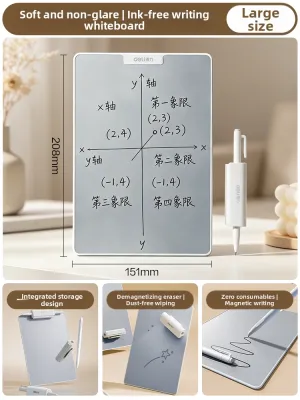
In Singapore, the primary school journey is marked by a distinct shift in academic expectations between the lower and upper primary years. During the lower primary phase, children are developing foundational literacy and numeracy skills. They require a whiteboard primarily for tactile, repetitive practice, such as forming Chinese characters with correct stroke orders, spelling English vocabulary words, and visualizing simple addition or subtraction. A portable, double-sided board allows them to work comfortably at the dining table or desk, making learning an interactive, low-pressure activity where mistakes can be easily wiped away.
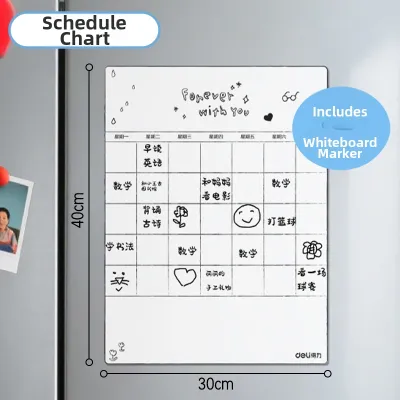
Visual scheduling also becomes highly relevant during these early years. Parents can use a small magnetic board to display daily timetables, spelling lists, or reward charts, helping young children build self-discipline and transition smoothly into the structured routine of primary school life. Because lower primary students are still developing fine motor skills, they tend to write larger, meaning a compact but clear writing surface is essential for comfortable practice.
Products mentioned in this guide
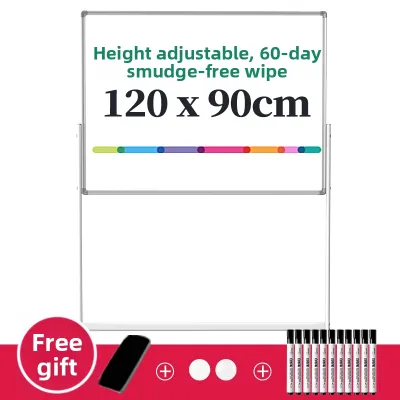
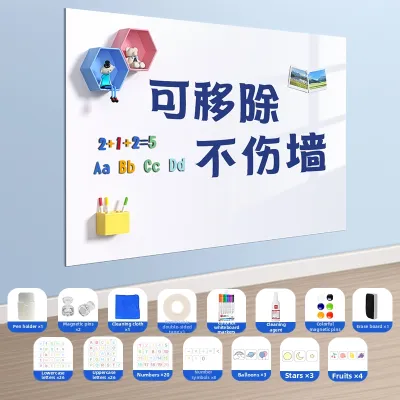
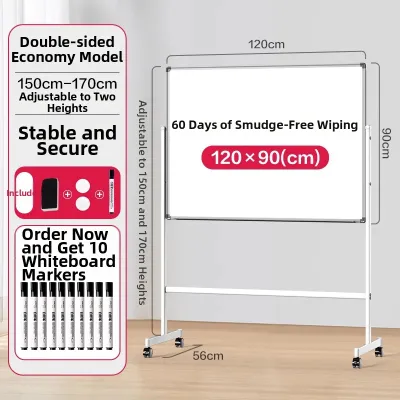
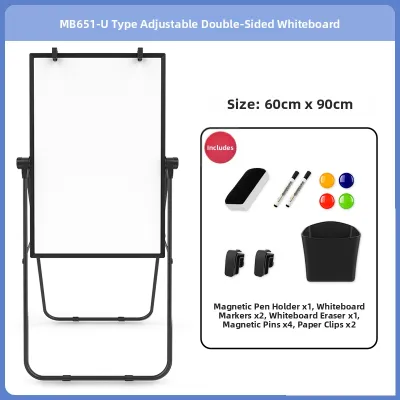
Prices are valid at publication and may change. Please refer to the product page for the latest price.
By the time students reach upper primary, the academic focus shifts toward complex problem-solving and conceptual synthesis. Mathematics lessons involve multi-step heuristics and detailed model drawing, which require significantly more physical space than a standard notebook page allows. Similarly, science topics require students to link multiple concepts together, making large-scale concept mapping a highly effective revision strategy.
To support these advanced tasks, the whiteboard must transition from a simple practice pad to a comprehensive planning and drafting station. This requires a larger surface area where a student can map out an entire science cycle or solve a complex math problem without running out of space mid-calculation. Portability becomes less critical than having a dedicated, stable writing zone where notes can remain undisturbed for several days during exam preparation.
Matching Deli Whiteboard Formats to Study Environments
Singaporean homes, particularly HDB flats, often require smart space planning to accommodate dedicated study areas. Desktop and mini Deli whiteboards are highly practical solutions for compact study desks. These smaller formats are perfect for quick, scratch-pad calculations during daily homework sessions or rapid vocabulary drills before a spelling test. Because they can be easily tucked away in a drawer or bookshelf when not in use, they keep the study desk free of clutter, allowing the child to focus on their textbooks and worksheets.

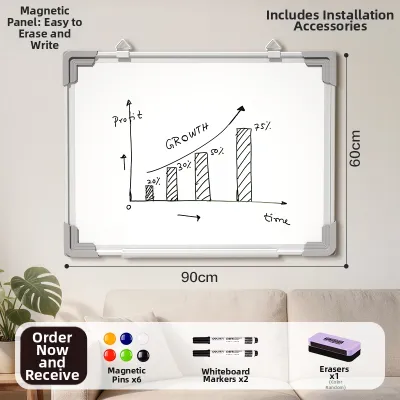
For families with a dedicated study corner, a wall-mounted magnetic whiteboard offers a more permanent and structured learning hub. Mounting the board on a wall frees up valuable desk space while creating a highly visible focal point for the child’s daily learning. This format is particularly useful for displaying weekly schedules, school announcements, and key formulas that the student needs to memorize. The magnetic surface allows parents to pin up educational charts, flashcards, or calendar grids, turning the wall into an interactive teaching tool.
Easel or stand-mounted whiteboards provide a highly flexible alternative for homes with multi-functional spaces. These boards can be easily moved between the living room and the bedroom, making them excellent for interactive tutoring sessions or collaborative study with siblings. An easel board can be adjusted to the child’s height, allowing them to stand while working out problems, which can be a refreshing change of posture during long study sessions. When choosing this format, it is important to select a model with a stable base and lockable wheels to ensure safety during active use.
Determining the Right Size and Surface Features
Selecting the correct dimensions for a whiteboard involves balancing the available wall or desk space with the child’s physical reach. A board that is too large can overwhelm a small room and force the child to stretch uncomfortably to write at the top, while a board that is too small will quickly frustrate an upper primary student trying to draw a complex diagram. To find the ideal size, measure the child’s comfortable arm span and eye level when seated or standing at their study station. The writing surface should sit comfortably within this zone to prevent neck and shoulder strain during extended use.
Beyond physical dimensions, the quality and compatibility of the whiteboard surface are critical for long-term usability. Parents should carefully check product labels to verify that the surface is designed for standard dry-erase markers. Different whiteboard surfaces offer varying levels of smoothness and erasability; some are optimized for quick, daily wiping, while others are designed to resist ghosting even when ink is left on the surface for several days. Testing a small, inconspicuous corner of the board with a new marker brand is always a sensible precaution to ensure the ink wipes away cleanly without leaving permanent shadows.
Magnetic capability is another essential feature to evaluate before purchase. A magnetic whiteboard significantly expands the utility of the tool, allowing it to double as a bulletin board. This feature is highly beneficial for lower primary students who use magnetic letters, numbers, or phonics tiles to build words and solve basic math equations. For older students, the magnetic surface is ideal for holding up reference sheets, periodic tables, or exam schedules, keeping essential information within line of sight without cluttering the desk surface.
Installation, Daily Care, and Troubleshooting
Proper installation and routine maintenance are key to ensuring the whiteboard remains a safe and functional study aid throughout your child’s primary school years. When installing a wall-mounted board, always follow the manufacturer’s instructions carefully to ensure secure mounting, especially on drywall or concrete walls common in Singapore homes. Avoid placing the whiteboard in direct sunlight, as prolonged exposure to heat and UV rays can degrade the surface coating over time, making it more difficult to erase and prone to permanent staining.
Daily care is straightforward but essential for maintaining a smooth writing experience. Encourage your child to use a dedicated whiteboard eraser or a soft microfiber cloth to clean the board after each study session. Leaving marker ink on the board for weeks can lead to “ghosting,” where faint outlines of old writing remain visible. If ink buildup does occur, a gentle wipe with a damp microfiber cloth is usually sufficient to restore the surface. Avoid using abrasive sponges, scouring pads, or harsh household chemicals, as these can scratch or strip away the protective top layer of the board.
In the event of accidental permanent marker use or stubborn stains, refer to the product manual for approved cleaning methods. A common and safe troubleshooting technique is to write directly over the permanent marker ink with a fresh dry-erase marker, let it sit for a few seconds, and then wipe both away together with a clean eraser. The solvents in the dry-erase ink help dissolve the permanent binder, allowing it to be lifted from the surface. Always ensure the board is completely dry before writing on it again, as moisture can cause new marker ink to bead up and run, affecting legibility.
Frequently Asked Questions (FAQ)
Are all Deli whiteboards compatible with any dry-erase marker?
While most Deli whiteboards are designed to work with standard dry-erase markers, it is always best to check the specific product label or packaging for compatibility guidelines. Using unverified liquid chalk, permanent markers, or low-quality ink can permanently damage the board’s protective coating. If you are trying a new brand of marker, test it on a small, discreet corner of the board first to ensure it writes smoothly and erases completely without leaving stains.
How can I safely remove ghosting or old marker stains?
To safely remove ghosting or stubborn ink stains, wipe the surface with a dedicated whiteboard cleaning spray or a microfiber cloth slightly dampened with water. Avoid using abrasive scrubbing tools, window cleaners, or harsh chemical solvents, as these can permanently ruin the board’s smooth finish. After cleaning, allow the whiteboard surface to dry completely before using it again, as writing on a damp surface can cause the marker ink to bleed and become difficult to erase.

Community discussion
Share your experience or ask a question. Comments are reviewed before publication.