
Selecting the right Christian greeting card for a religious milestone involves matching the card’s visual symbols, tone, and paper quality with the specific theological meaning of the occasion. Baptisms call for gentle, life-giving imagery like water and doves; First Communions require Eucharistic symbols like wheat and chalices; and Confirmations demand mature, inspiring designs featuring flames or descending doves. By aligning these traditional motifs with the recipient’s age and church tradition, you ensure your message of faith feels both respectful and deeply personal.
Understanding the Purpose of Christian Milestone Cards
Religious milestones represent pivotal moments in a believer’s spiritual journey, marking steps of commitment, grace, and community integration. A physical greeting card serves as a tangible keepsake of these transitions, preserving a moment in time that digital messages cannot replicate. In many households, these cards are kept for decades in memory boxes, serving as lasting reminders of a community’s support.
When selecting stationery for these occasions, certain universal design elements immediately signal the sacred nature of the event. Classic motifs such as clean Latin crosses, elegant doves, and delicate gold or silver foil accents are widely accepted across various denominations. The choice of paper stock also plays a significant role; heavy, textured cardstock conveys a sense of reverence and durability, matching the solemnity of the vows being taken.
Products mentioned in this guide
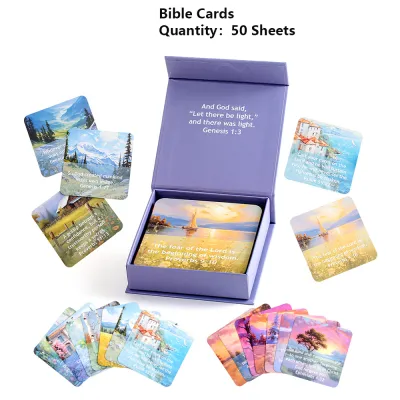
Prices are valid at publication and may change. Please refer to the product page for the latest price.
Matching the card’s tone to the recipient’s age and the specific church tradition is essential for a thoughtful presentation. A card intended for an infant baptism naturally leans toward soft, celebratory pastel tones, whereas a confirmation card for a teenager or adult requires a more sophisticated, reflective aesthetic. Understanding whether the service is liturgical and traditional, or contemporary and informal, helps you choose between a classic, formal card and a modern, minimalist design.
Selecting the Right Card for Baptisms and Christenings
Baptism represents the entry point into the Christian faith, symbolizing cleansing, rebirth, and initiation into the church community. Traditional motifs for baptism cards center heavily on water-related imagery, which directly reflects the sacrament itself. Look for designs featuring gentle water droplets, scallop shells (a traditional symbol of baptism), descending doves representing the Holy Spirit, or guardian angels. These symbols communicate the profound spiritual cleansing and divine protection associated with the day.

The age of the person being baptized dictates the visual style of the card. For infant baptisms or christenings, soft pastel palettes, delicate watercolor illustrations, and playful yet respectful animal motifs are highly appropriate. When celebrating the baptism of an older child or an adult, however, these whimsical designs should be replaced with clean, mature layouts. Adult baptisms are beautifully honored with elegant typography, botanical borders, or striking geometric cross designs that reflect a conscious, mature decision of faith.
Denominational differences also influence which card is most suitable. For Catholic or Eastern Orthodox baptisms, cards featuring traditional sacramental imagery, patron saints, or formal liturgical symbols are highly valued. In contrast, Protestant and non-denominational baptisms often favor simpler, scripture-focused designs with modern typography and fewer traditional icons. If you are unsure of the family’s specific church tradition, choosing a clean, elegant card featuring a simple cross and a universal blessing is a safe and respectful approach.
Choosing a Card for First Holy Communions
First Holy Communion is a deeply significant sacrament in liturgical traditions, marking the first time a young believer receives the Eucharist. The imagery on these cards should directly reflect this sacred meal and the spiritual nourishment it provides. Key visual symbols to look for include a golden chalice, a loaf of bread or a host, clusters of grapes, and stalks of wheat. These elements serve as direct visual representations of the bread and wine, grounding the card in the specific theology of the sacrament.
Because First Communion typically occurs when children are around seven to nine years old, the card design must strike a balance between childhood innocence and religious solemnity. Avoid overly babyish designs, as children at this age appreciate being recognized as growing members of their faith community. Opt instead for bright, cheerful illustrations that feature clean lines, soft metallic accents, or elegant representations of children in their communion attire.
Balancing reverence with joy is the primary goal when selecting a First Communion card. While the event is highly solemn, it is also a festive celebration for the child and their family. Look for cards that combine sacred symbols with uplifting, celebratory text, such as “Joy on Your First Communion” or “Blessed Day.” This combination acknowledges the serious spiritual step the child is taking while still matching the celebratory atmosphere of the family gathering that follows the service.
Picking a Mature Card for Confirmations
Confirmation is the sacrament or rite where a believer personalizes and confirms the promises made on their behalf at baptism. This milestone is heavily associated with the strengthening presence of the Holy Spirit, which dictates the symbolic language of the card. Look for designs that feature vibrant red or gold tones, representing the fire of the Holy Spirit. Common symbols include stylized flames, wind patterns, or a descending dove, which represent the spiritual gifts bestowed upon the candidate.
Since confirmation candidates are typically teenagers or young adults, the card’s design should reflect their growing maturity. Steer clear of pastel colors, cartoonish illustrations, or overly simplistic layouts. Instead, seek out sophisticated stationery featuring bold typography, deep jewel tones, or minimalist line art. Textured papers, blind debossing, and modern geometric patterns appeal well to this age group, signaling that their transition into mature faith is respected and taken seriously.
The thematic focus of a confirmation card should center on personal commitment, strength, and the lifelong journey of faith. Look for cards that emphasize courage, steadfastness, and the active role the recipient will play in their church and the wider world. Phrases that highlight spiritual growth, leadership, and walking in the light of faith are highly appropriate, helping the recipient feel empowered as they take ownership of their spiritual path.
Pairing Your Card with Other Christian Gifts
A greeting card is rarely presented in isolation; it is often part of a larger gesture of support and celebration. When pairing your card with physical christian gifts, aim for visual and thematic harmony. For example, if you are gifting a high-quality leather-bound study Bible, a minimalist card with gold foil accents and classic typography will complement the gift’s timeless feel. If your gift is a delicate silver rosary or a wooden keepsake box, choosing a card with matching metallic details or natural, organic textures creates a cohesive and thoughtful presentation.
The relationship you share with the recipient determines whether the card acts as the main gift or a supporting element. For distant acquaintances, neighbors, or colleagues, a beautifully crafted card containing a thoughtful message and perhaps a modest monetary gift of S$20 or S$50 is entirely appropriate on its own. For close family members, godparents, or close friends, the card should serve as the emotional centerpiece that accompanies a more substantial, lasting keepsake, explaining the personal significance of the gift you have chosen.
How you present the card also affects the overall impression of your gift. If you are using a gift bag, place the card inside its envelope and tuck it neatly at the top, ensuring it is the first thing the recipient sees when they open the package. For wrapped boxes, you can secure the card to the top using a coordinated satin ribbon or a subtle wax seal, which adds an extra layer of elegance. If the card contains a monetary gift, ensure the envelope is securely sealed and clearly addressed to prevent it from slipping out during the busy celebration.
Crafting Meaningful Messages and Selecting Scriptures
The message you write inside a Christian milestone card is often what transforms it from a simple piece of stationery into a cherished keepsake. To write a meaningful message, follow a simple three-part structure. Begin by explicitly acknowledging the specific milestone, expressing your joy and congratulations. Next, offer a personal blessing or prayer for their future, wishing them peace, wisdom, or strength. Finally, close by expressing your ongoing support, letting the recipient know that you stand ready to walk alongside them in their faith journey.
Incorporating scripture is a traditional and powerful way to elevate your message, provided the verses align with the specific occasion. For baptisms, verses focusing on new life, light, and God’s protection, such as Matthew 28:19 or Psalm 121:7-8, are excellent choices. First Communion messages benefit from verses centered on spiritual nourishment and love, such as John 6:35. For confirmations, select verses that inspire courage, strength, and purpose, such as Joshua 1:9 or Romans 12:2. Always double-check the spelling and citation of the verse to ensure accuracy.
When writing your message, there are a few pitfalls to avoid to maintain the appropriate level of respect. Steer clear of overly casual slang or clichés that might detract from the solemnity of the day. Additionally, avoid assuming highly specific theological stances unless you are certain of the recipient’s church teachings; instead, focus on universal Christian truths of love, grace, faith, and community. Keeping your tone warm, respectful, and encouraging ensures your card will be received with gratitude and read with joy for years to come.
Community discussion
Share your experience or ask a question. Comments are reviewed before publication.