
Selecting a calendar or planner is a highly personal decision that directly impacts your daily productivity and mental clarity. In Singapore’s fast-paced professional and academic environments, a well-chosen planning system serves as an anchor, helping you manage tight schedules, track long-term goals, and document personal reflections. However, with a vast array of international stationery brands available, finding the right fit requires looking beyond attractive cover designs. The key to long-term planning success lies in matching your specific writing habits with the physical construction, paper quality, and internal layouts of the planner. By understanding these technical aspects, you can make an informed choice that supports your daily routine.
Define Your Planning Style and Daily Needs
Before exploring specific brands, you must identify how you naturally process and organize information. Planning styles generally fall into three primary categories: time-blocking, task-tracking, and reflective journaling. Time-blocking is highly structured, requiring you to allocate specific hours of the day to dedicated tasks or meetings. If your day is filled with appointments, client calls, or scheduled study blocks, you will need a planner that offers clear hourly increments. This structured approach prevents overcommitment and ensures that you allocate sufficient time to your most important responsibilities.
In contrast, task-tracking focuses on lists and deliverables rather than strict hourly schedules. If your day is driven by a fluid to-do list where tasks can be completed at any time, a layout that prioritizes open checklist space is far more beneficial than a rigid hourly timeline. This style allows you to focus on outcomes and manage your workload dynamically. Reflective journaling, on the other hand, is less about scheduling and more about capturing thoughts, memories, and creative ideas. If you use your planner as a diary or a space for creative expression, you will require ample blank or lined space that accommodates long-form writing and media like stickers or sketches.
Products mentioned in this guide
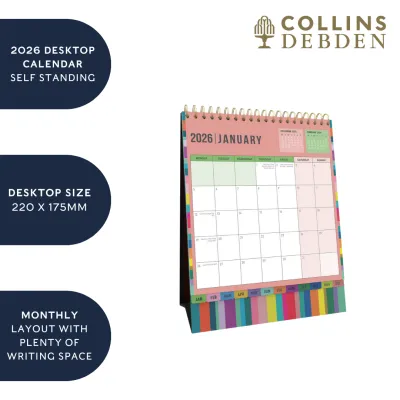
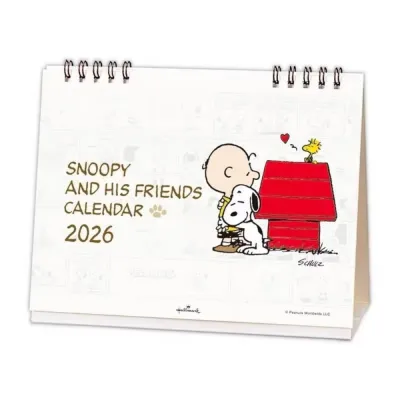

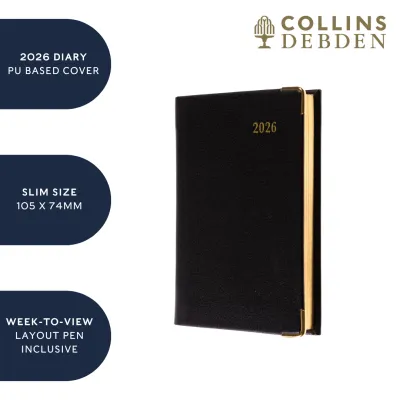
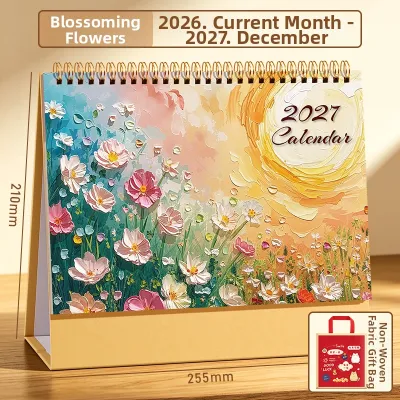
Prices are valid at publication and may change. Please refer to the product page for the latest price.
The density of your daily schedule also dictates the level of detail your planner must accommodate. A professional managing multiple projects simultaneously will require a comprehensive daily layout with dedicated pages for each day. Conversely, someone tracking high-level milestones, family schedules, or weekly habits may find a weekly or monthly overview much more efficient, as it prevents the clutter of empty daily pages.
Portability is another critical factor to consider based on your lifestyle in Singapore. If you primarily work from a dedicated desk at home or in an office, a large, heavy planner provides a spacious canvas for detailed planning without the worry of carrying extra weight. However, if you commute frequently, attend off-site meetings, or prefer planning in local cafes, a compact and lightweight format is essential. A bulky planner left at home is of little use when you need to update your schedule on the go, making portability a primary consideration for active users.
Key Physical Specifications to Verify Before Buying
The physical materials of a planner determine how comfortable it is to use and how well it holds up over a year of daily handling. Paper weight, measured in grams per square meter (gsm), is one of the most critical specifications to verify. Standard office paper is typically around 70 to 80 gsm, which is suitable for basic ballpoint pens but may suffer from ink feathering or bleed-through when using gel pens, rollerballs, or fountain pens. If you prefer wet inks, look for planners featuring high-density paper, often ranging from 80 gsm to 120 gsm, or specialized thin papers that are specifically engineered to resist ink penetration despite their light weight.

Texture is equally important and ranges from smooth, coated surfaces to toothy, uncoated papers. Coated papers slow down ink absorption, which enhances color vibrancy and prevents feathering, though it may result in longer drying times—a key consideration in Singapore’s humid climate where ink can smudge easily. Uncoated papers absorb ink quickly, reducing dry times, but they can cause certain inks to spread slightly along the paper fibers. Testing your preferred writing instruments on a sample page is the most reliable way to ensure compatibility before committing to a specific brand.
The binding method of a planner directly affects your writing comfort and the book’s overall durability. Lay-flat binding, such as Smyth-sewn or thread-bound construction, allows the planner to open completely flat on a desk without requiring you to hold the pages down. This is highly advantageous for writing near the inner margins and ensures that the spine does not crack over time. Spiral or wire-o binding offers the convenience of folding the planner completely in half to save desk space, but the metal or plastic coils can sometimes obstruct your hand while writing. Stitched booklet planners are incredibly slim and portable, making them excellent inserts for modular cover systems, though they contain fewer pages.
Finally, verify standard paper sizes to ensure your planner fits your existing accessories. The most common sizes are A5 (approximately 148mm x 210mm), which offers an ideal balance of writing space and portability, and A6 (approximately 105mm x 148mm), which fits easily into small bags or pockets. B6 sizes offer a comfortable middle ground. Ensuring your planner adheres to these standard dimensions allows you to use third-party protective plastic covers, fabric sleeves, or leather organizers, extending the life of your planner and allowing for personalization.
Match Internal Layouts to Your Routine
Once you have defined your planning style and physical preferences, you can match them to specific internal layouts. Daily planners dedicate an entire page—and sometimes two—to a single day. This layout is perfect for individuals who require granular task management, detailed hourly scheduling, and space for daily notes or journaling. The abundance of space ensures you never run out of room, but it requires a commitment to writing daily to avoid leaving large sections of the book empty, which can be discouraging for some users.
Weekly overviews distribute the seven days of the week across a two-page spread, providing an immediate visual summary of your upcoming commitments. These layouts generally come in vertical or horizontal formats. Vertical weekly layouts present each day as a column, often with hourly markings, making them the gold standard for time-blocking and managing sequential appointments. Horizontal weekly layouts divide the pages into rows, offering more natural line lengths for writing tasks, short journal entries, or daily highlights. Many weekly planners also include adjacent blank or grid pages, allowing you to balance structured appointments on one side with freeform task lists and habit trackers on the other.
For those who find pre-printed structures too restrictive, flexible formats like dotted, grid, or blank pages offer unlimited freedom. This is the core foundation of bullet journaling, a system where you design your own layouts, trackers, and calendars as you go. Dotted grids provide subtle guidance for drawing straight lines and organizing text without the visual clutter of dark ruled lines. This format adapts entirely to your changing needs; you can use a single page for a highly detailed daily log one day, and dedicate the next three pages to mind mapping, project planning, or sketching without wasting any pre-dated space.
Evaluate Brand Ecosystems and Retail Options in Singapore
When selecting a planner brand, it is beneficial to evaluate the broader ecosystem of accessories and refills that the brand supports. Many premium stationery brands design modular systems where a durable outer cover can be reused for multiple years, requiring you to purchase only the paper refills or inserts annually. This approach is not only environmentally conscious but also allows you to invest in a high-quality leather or fabric cover that patinas beautifully over time. Verify whether the brand consistently produces refills in your preferred layout and size, ensuring long-term continuity for your planning system.
To make an informed purchase, take advantage of local stationery stores, specialty bookshops, and official brand boutiques in Singapore. Visiting these physical locations allows you to inspect the planners in person, feel the paper texture, test the flexibility of the binding, and evaluate the true size and weight of the book. Many local retailers display sample planners that have been written on, giving you a clear indication of how the paper handles different types of ink and pressure.
If you prefer purchasing online, ensure you are buying from authorized retailers or official brand storefronts on major ecommerce platforms. Because premium planners are highly sought after, counterfeit products with inferior paper quality and weak binding are common on online marketplaces. Carefully review the seller’s credentials, check customer reviews for mentions of paper quality, and verify the return policy. Purchasing from reputable sources guarantees that you receive authentic paper that performs as expected, protecting your investment in your organizational tools.
Frequently Asked Questions (FAQ)
How can I test if a planner's paper is suitable for my fountain pen?
To verify if a planner’s paper is compatible with your fountain pen, utilize the blank index, notes, or test pages typically located at the back of the book. Apply a small amount of your preferred ink using your standard writing pressure, observing how quickly the ink dries and whether it spreads along the paper fibers, which indicates feathering. Turn the page to inspect the reverse side for ghosting or actual bleed-through, where the ink penetrates completely to the other side. If you observe significant pooling or bleeding during this initial test, consider switching to a finer nib, using a drier ink formulation, or selecting a planner with a more resistant paper coating.
What should I do if my preferred planner brand does not offer a specific layout?
If your favorite planner brand lacks a specific layout, you can easily customize your pages using compatible third-party inserts, adhesive layout templates, or functional stickers. For modular ring-bound or disc-bound systems, you can purchase specialized hole punches to insert custom-printed templates directly into your planner. Alternatively, choosing a dotted or blank notebook from your preferred brand allows you to draw custom trackers and calendars tailored precisely to your routine. For highly complex tracking or scheduling needs that physical paper cannot easily accommodate, consider adopting a hybrid system that pairs your physical planner with a digital calendar application.
Community discussion
Share your experience or ask a question. Comments are reviewed before publication.