
Selecting the perfect buttons for a cheongsam is a crucial step in both constructing and restoring this classic garment. The right closures do not merely hold the fabric together; they define the dress’s silhouette, complement its intricate patterns, and respect its rich design heritage. Whether you are sewing a bespoke piece from scratch, updating an heirloom, or repairing a modern off-the-rack dress, understanding the structural and aesthetic roles of different button types ensures your garment remains both functional and beautiful. Sourcing these specialized fasteners in Singapore requires a blend of visiting historic textile districts, consulting local artisans, and navigating online platforms with precise search criteria.
To achieve a professional finish, you must balance the weight of the button against the delicate nature of traditional cheongsam fabrics like silk, brocade, and lace. A button that is too heavy will cause the front placket to sag, while an incorrectly sized closure will make fastening difficult or cause the fabric to pucker. By mastering the characteristics of traditional frog knots, fabric-covered options, modern metals, and delicate pearls, you can make an informed decision that enhances the durability and elegance of your garment.
Understanding Cheongsam Button Styles and Their Uses
Traditional frog knots, historically known as pankou, are the most iconic closures used on a cheongsam. These intricate fasteners are crafted from bias tape—often made of satin, silk, or brocade—that is wrapped around a stiffening cord or wire to help the knot retain its shape. Pankou range from simple, minimalist straight designs to highly elaborate floral, butterfly, or phoenix shapes. They are best suited for authentic, formal, or heritage silk cheongsams where the closure itself serves as a primary decorative element. Because they rely on precise loop closures, they require meticulous alignment during construction to ensure the front overlap of the dress lies completely flat against the body.
Products mentioned in this guide
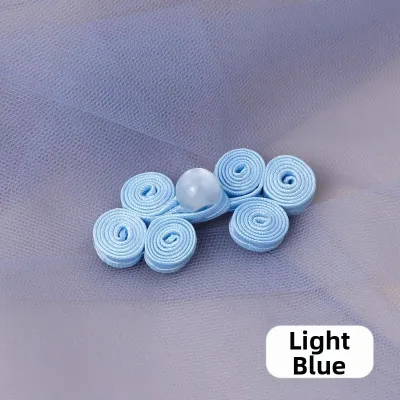
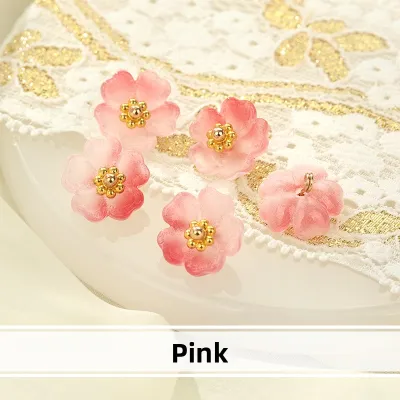
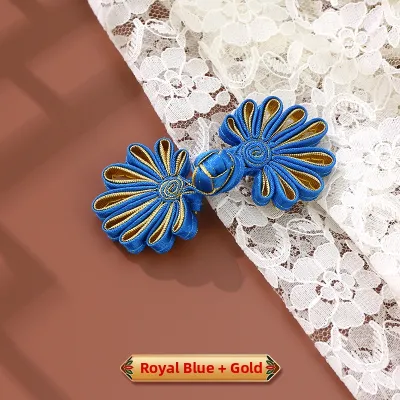
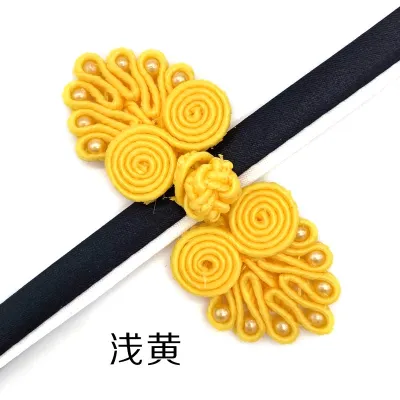
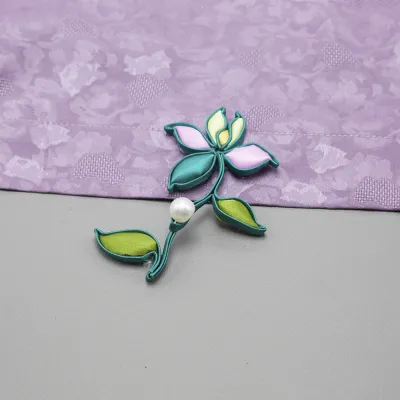
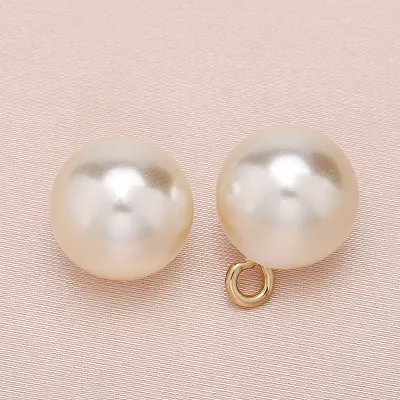
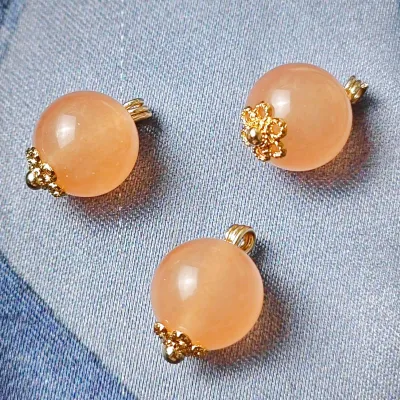
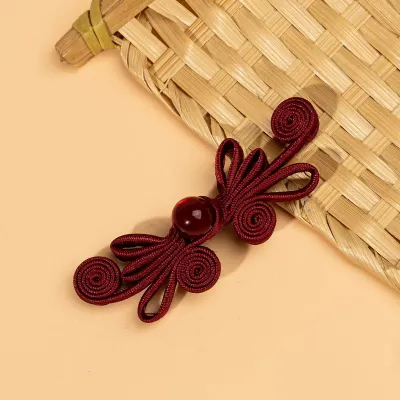
Prices are valid at publication and may change. Please refer to the product page for the latest price.
Fabric-covered buttons offer a seamless, minimalist alternative that allows the pattern of your fabric to remain uninterrupted. These buttons are constructed by wrapping a small piece of matching or contrasting fabric over a sturdy metal or plastic mold, which is then secured with a backplate. They are highly versatile and work exceptionally well with busy floral prints, textured jacquards, or contemporary everyday cheongsams. Because they blend into the background, they do not compete with the dress’s print, making them an excellent choice when you want the fabric design to take center stage. To ensure longevity, the internal mold must be rust-resistant, and the fabric must be wrapped tightly to prevent fraying at the edges.
Metal and enamel buttons introduce a contemporary, structured edge to modern cheongsam designs. Often featuring intricate filigree, geometric patterns, or colorful enamel inlays, these buttons add a touch of contrast and weight to the garment. They are particularly suited for winter-weight cheongsams made of heavier wool blends, velvet, or thick brocades. Metal buttons provide excellent durability and are much easier to fasten than traditional fabric loops. However, because they are heavier than fabric-based options, they require a reinforced placket to prevent the fabric from drooping under their weight.
Pearl, resin, and crystal buttons are popular choices for eveningwear, bridal cheongsams, and modern romantic styles. These buttons catch the light beautifully, adding a subtle shimmer to the collar and placket. Pearl buttons, whether natural mother-of-pearl or high-quality synthetic resin, offer a classic, soft luster that pairs beautifully with lace or silk georgette. When selecting these decorative options, it is essential to inspect the back of the button. A smooth, well-integrated shank is necessary to prevent the button from snagging delicate threads on the garment’s face.
Key Sizing and Compatibility Checks Before You Buy
Before purchasing buttons for your cheongsam, measuring the button diameter against your finished buttonholes or fabric loops is critical. Button sizes are often measured in millimeters or using the traditional trade unit known as ligne (where 1 ligne is roughly equal to 0.635 millimeters). For a standard flat button, the buttonhole length should equal the button’s diameter plus its thickness. If you are using traditional fabric loops or frog knots, the loop must be snug enough to hold the knot securely without requiring excessive force to push it through. A loop that is too loose will cause the placket to gape open during wear, compromising the dress’s fitted silhouette.

Evaluating whether to use a shank button or a flat-back button depends entirely on your fabric thickness and closure design. Shank buttons feature a small loop or protrusion on the back through which the thread is sewn, raising the button slightly off the fabric surface. This design is highly recommended for cheongsams because it provides the necessary clearance for the overlapping fabric layer to sit smoothly beneath the button. Flat-back buttons, which feature two or four holes drilled directly through the face, sit flush against the fabric and are rarely used on traditional cheongsam collars unless they are paired with a hand-sewn thread shank to create artificial clearance.
Checking the weight of your chosen buttons is a vital step in preserving the drape of your garment. Lightweight fabrics such as silk crepe de chine, organza, and fine lace cannot support heavy solid metal or large glass crystal buttons without stretching or tearing over time. If you fall in love with a heavier decorative button, you must reinforce the underside of the placket with a lightweight, stable interfacing material like silk organza or a fine fusible stabilizer. This reinforcement distributes the weight of the button across a larger area of the garment, preventing unsightly sagging and structural damage.
Verifying the colorfastness and washability of your buttons before sewing them onto your dress prevents costly laundry disasters. Fabric-covered buttons and dyed silk frog knots are particularly susceptible to color bleeding when exposed to water or dry-cleaning solvents. To test for colorfastness, moisten a white cotton swab with water or a small drop of mild detergent and gently rub an inconspicuous part of the button or a scrap piece of the matching bias tape. If any dye transfers to the swab, the button is not colorfast, and you must either source a different option or design the buttons to be detachable for cleaning.
Where to Source Cheongsam Buttons in Singapore
For those shopping in Singapore, local haberdashery and fabric stores offer the advantage of tactile inspection and immediate color matching. Historic textile hubs, such as the upper floors of People’s Park Food Centre in Chinatown and the traditional textile merchants along Arab Street, house specialized shops filled with sewing notions. When visiting these physical stores, always examine the buttons under natural light if possible, as the fluorescent lighting common in retail shops can distort subtle color undertones. Physical shopping also allows you to feel the weight of metal buttons and test the stiffness of handmade frog knots before making a purchase.
If you require highly specific or perfectly matching closures, custom tailors and alteration shops specializing in traditional Chinese wear are invaluable resources. Many experienced dressmakers located in heritage shopping plazas across Singapore can handcraft custom frog knots using the exact fabric of your cheongsam. This service ensures a flawless match in both color and textile texture, which is nearly impossible to achieve with pre-made, mass-produced options. While custom-made buttons carry a higher cost, the structural integrity and aesthetic harmony they bring to a bespoke cheongsam are well worth the investment.
Online marketplaces and specialty global craft platforms provide an extensive selection of unique, vintage, and bulk buttons that may not be available locally. When searching online, use precise keywords such as “Chinese frog closures,” “pankou buttons,” or “fabric-covered shank buttons” to filter out irrelevant results. Always verify the seller’s ratings, read customer reviews regarding the durability of the materials, and check the estimated shipping times to Singapore to ensure they align with your sewing schedule. Be sure to double-check the listed dimensions in millimeters, as online photos can often make buttons appear larger or smaller than they are in reality.
Regardless of where you choose to shop, always bring a fabric swatch of your cheongsam or one of the dress’s existing buttons with you. Having a physical swatch allows you to place potential buttons directly against the fabric to check how the colors, textures, and weights interact. If you are replacing a single lost button, bringing an existing one ensures you can match the diameter, shank height, and luster precisely. This simple preparation eliminates guesswork and prevents the frustration of purchasing buttons that ultimately do not fit or match your garment.
How to Attach and Care for Delicate Cheongsam Buttons
Attaching shank buttons securely requires a sewing technique that minimizes stress on both the button and the fabric. Use a strong, high-quality thread, such as a waxed polyester or a dedicated buttonhole twist, to prevent fraying. When sewing a shank button, insert your needle from the underside of the fabric, pass it through the shank, and go back down through the fabric, keeping your stitches neat and compact. To prevent the button from pulling tightly against the fabric and causing puckering, place a toothpick or a matchstick between the button shank and the fabric while sewing to act as a spacer, then remove it and wrap the thread tightly around the base of the stitches to create a sturdy thread neck.
Securing traditional frog knots requires a patient, hand-sewn approach to ensure they lie perfectly flat without altering the drape of the dress. Pin both halves of the frog knot—the knot side and the loop side—onto the closed placket of the cheongsam while the garment is laid completely flat on a table. Using a fine hand-sewing needle and matching silk thread, secure the decorative outer loops (often called the wings or leaves) of the knot to the garment using tiny, invisible slip stitches. Avoid pulling your stitches too tight, as this will cause the delicate silk or brocade fabric underneath to pucker and ruin the clean, smooth lines of the collar.
Caring for a cheongsam with delicate buttons requires careful laundering strategies to prevent physical and water damage. If your dress features delicate fabric-covered, pearl, or hand-painted enamel buttons, professional dry cleaning is often the safest option. For washable cheongsams, consider using detachable buttons that are secured on the inside of the placket with small cotter pins or safety pins, allowing you to remove them entirely before washing. If the buttons are permanently attached and the garment is hand-washable, turn the dress inside out and place it inside a padded, zippered mesh laundry bag to protect the buttons from striking the sides of the sink or tub.
Proper storage is the final step in preserving the beauty of your cheongsam buttons over time. Store your garment in a breathable cotton garment bag rather than a plastic cover, as plastic can trap moisture and accelerate the tarnishing of metal buttons or cause mold to grow on fabric-covered options. To prevent heavy decorative buttons from crushing adjacent fabric or getting snagged on lace, wrap individual buttons in small pieces of acid-free tissue paper before folding or hanging the dress. Keep the wardrobe in a cool, dry place, as Singapore’s high humidity can cause metal components to rust and delicate pearls to lose their natural luster.
Frequently Asked Questions (FAQ)
Can I replace traditional frog knots with standard buttons on an existing cheongsam?
Replacing traditional frog knots with standard buttons is possible, but it requires careful structural and aesthetic consideration. Traditional frog knots rely on fabric loops that extend past the edge of the placket, whereas standard flat or shank buttons typically require a slit buttonhole cut directly into the fabric. If you wish to use standard buttons, you must first assess whether the existing fabric loops can accommodate the diameter and shank of the new buttons without tearing. Cutting new buttonholes into an existing, finished cheongsam is highly risky, as delicate fabrics like silk and brocade fray easily and may ruin the clean line of the overlap. Alternatively, you can sew standard shank buttons onto the underside of the placket and use hidden snap fasteners to keep the opening secure, maintaining a clean exterior appearance.
How do I clean a cheongsam with delicate fabric-covered or pearl buttons?
Cleaning a cheongsam with delicate fabric-covered or pearl buttons requires a gentle touch to avoid water spotting, fabric shrinkage, or adhesive failure. Always check the manufacturer’s care label on both the garment and the buttons before proceeding. If hand-washing is permitted, use cold water and a mild, pH-neutral detergent designed for delicate silks. Avoid soaking the garment for extended periods, as prolonged exposure to water can cause the internal metal molds of fabric-covered buttons to rust or dissolve the adhesives used to secure pearl settings. Gently squeeze the soapy water through the garment without twisting or wringing it. After rinsing, lay the cheongsam flat on a clean, dry towel, roll it gently to remove excess moisture, and dry it flat away from direct sunlight and heat sources.
Community discussion
Share your experience or ask a question. Comments are reviewed before publication.