
Selecting the right button extender is a practical way to temporarily adjust the fit of your wardrobe without committing to permanent alterations. The ideal extender depends entirely on the weight of the fabric, the style of the existing button, and the amount of tension the garment experiences during daily wear. Heavyweight denim requires a robust, rigid connector to withstand high tension, while lightweight dress shirts and delicate blouses demand low-profile, flexible, and smooth designs to prevent fabric damage and maintain a clean silhouette.
Using the wrong type of extender can lead to visible puckering, sagging waistlines, or even torn threads. By understanding the structural differences between extender types and matching them to your specific garments, you can ensure both comfort and a polished appearance. This guide breaks down the physical characteristics of common button extenders and provides a step-by-step approach to selecting, testing, and maintaining them.
Identifying Common Button Extender Structures
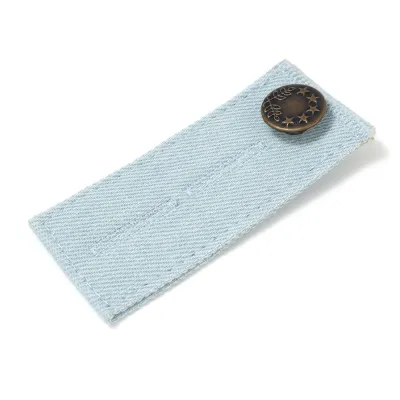
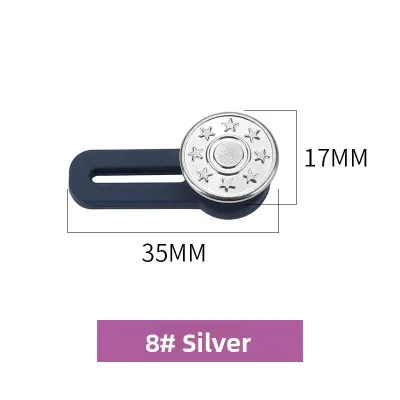
Button extenders are simple mechanical devices designed to bridge the gap between a button and its corresponding buttonhole. They generally consist of an attachment loop or hook on one end and a new button on the other. Despite this basic shared purpose, their physical structures and materials vary widely to accommodate different clothing styles.
Products mentioned in this guide
Prices are valid at publication and may change. Please refer to the product page for the latest price.
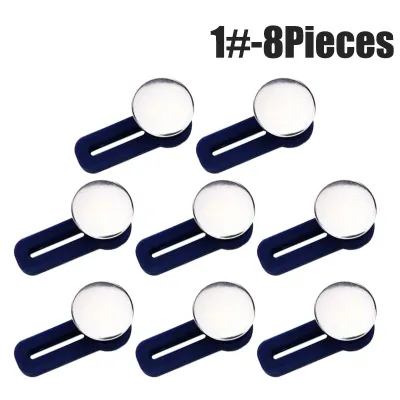
Solid bridge extenders feature a rigid connector, typically made of hard plastic or metal, between the loop and the button. This design offers a fixed, non-stretching extension distance. Because they do not flex or stretch, solid bridge extenders are highly stable and keep the waistband or collar at a precise, consistent width throughout the day.
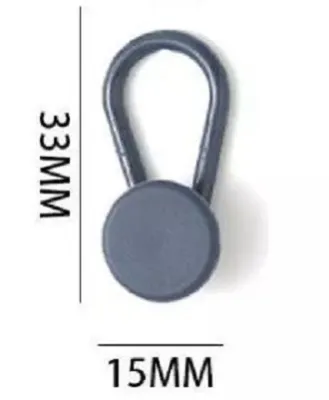
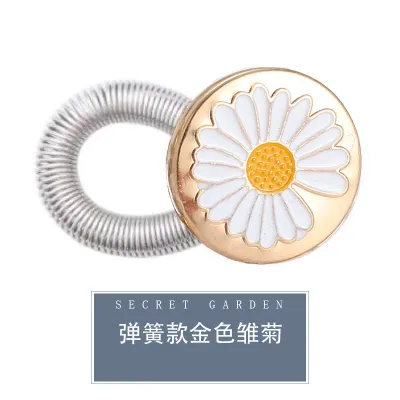
Flexible chain or spring extenders utilize a series of small metal links or a tightly wound metal spring. Spring-loop extenders are particularly common for shirt collars, as they expand slightly when you breathe or move your neck, then contract back to their original size. This dynamic flexibility provides a balance between structural security and physical comfort.
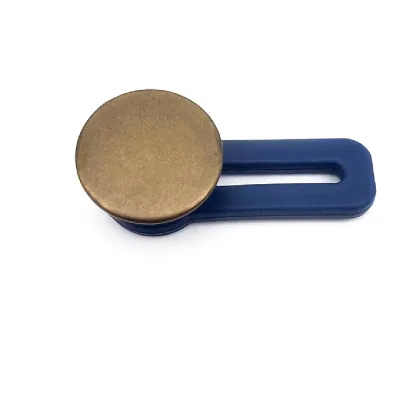
Elastic loop extenders consist of a fabric-covered elastic band or a soft silicone loop attached to a plastic or metal button. These are highly versatile and stretch easily to accommodate movement. However, because they are flexible, they can allow the garment opening to gap slightly if subjected to high tension.
Soft silicone extenders are molded from a single piece of flexible, moisture-resistant silicone. They are exceptionally smooth, lightweight, and gentle against the skin. Their seamless construction eliminates rough edges, making them a popular choice for close-fitting garments and sensitive skin.
When evaluating these structures, pay close attention to the attachment ends. Loop attachments slip over your existing button, while hook attachments are designed specifically for trousers that use a slide-and-hook closure instead of a traditional button. The style of the attachment end determines how securely the extender anchors to the garment’s primary stress points.
Matching Extenders to Jeans, Dress Shirts, and Blouses
To achieve a comfortable fit and preserve the look of your clothing, you must align the physical properties of the extender with the weight and drape of the garment fabric.

Jeans (Heavyweight Denim)
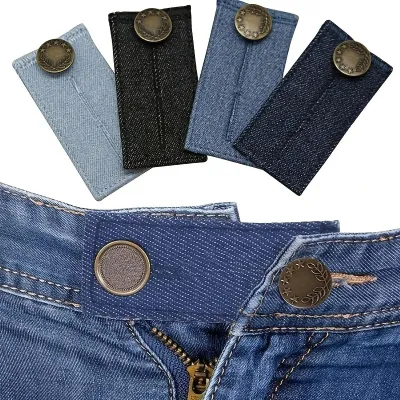
Denim is a thick, heavy woven fabric that experiences significant tension at the waist, especially when you sit down or bend over. To support this weight, jeans require a heavy-duty extender with a rigid or highly reinforced structure. A solid metal bridge or a thick, high-tensile silicone loop is ideal for this application.
These robust materials prevent the waistband from sagging and distribute the pulling force evenly across the denim fabric, rather than concentrating it on the original button’s threads. Avoid thin elastic loops on jeans; the heavy denim will easily overstretch the elastic, causing the fly to gap open and reducing the effectiveness of the extension.
Dress Shirts (Lightweight Woven)
Dress shirts, typically made of lightweight cotton or linen blends, require a discreet, low-profile solution. The primary goal is to ease tightness around the collar or cuffs without creating an unsightly bulge under a tie or jacket. A spring-loop metal extender or a small, flat elastic loop works best here.
These designs sit flat against the neck or wrist, maintaining the shirt’s structured lines. It is also helpful to match the color of the extender’s button to the shirt’s original buttons to ensure it remains virtually invisible if exposed. Bulky plastic or thick silicone extenders should be avoided, as they will distort the collar stand and look unprofessional.
Blouses (Delicate or Draped Fabrics)
Blouses made of silk, chiffon, satin, or fine polyester are highly susceptible to pulling, snagging, and distortion. For these delicate garments, lightweight and ultra-smooth soft silicone or fabric-covered elastic loops are the safest choice. The material must have no sharp edges, metal burrs, or rough seams that could catch on the fine weave of the fabric.
Because blouses drape softly against the body, the extender itself must be incredibly light. A heavy metal or rigid plastic extender will drag the fabric downward, causing unsightly puckering around the buttonhole and altering the intended drape of the garment. A soft, flexible loop allows the blouse to move naturally while providing just enough extra breathing room.
Verifying Button Style and Attachment Compatibility
Before purchasing or applying an extender, inspect the existing buttons on your garment to ensure a secure, damage-free fit. Different button designs interact with extender loops in distinct ways.
Jeans typically feature metal shank buttons, which are mounted on a small post or shank that stands away from the fabric. Dress shirts and blouses, on the other hand, use flat, sew-through buttons stitched directly to the cloth. This structural difference affects how the extender loop sits on the button.
A shank button requires an extender with a slightly wider, more flexible loop that can easily slip over the raised metal head and settle securely around the post. If the extender loop is too rigid or narrow, it will sit awkwardly on top of the shank, causing the extender to protrude and put uneven pressure on the button assembly.
For flat, sew-through buttons, the extender loop must fit snugly behind the button face, resting against the sewing threads. If the loop material is too thick, it will push the flat button forward, putting immense stress on the threads and potentially pulling them loose over time. Conversely, if the extender’s loop or hook is too large, it will easily slip off the flat button during normal movement.
To verify compatibility, perform a quick physical check. Compare the inner diameter of the extender loop to the outer diameter of your garment’s button. The loop should stretch or open just enough to pass over the button with minor resistance, ensuring a secure hold once in place. If the loop slips on and off with absolutely no resistance, it is too large and may detach unexpectedly.
Testing Fit, Comfort, and Fabric Safety
Once you have installed the extender, it is essential to evaluate its performance and safety through a series of practical checks before wearing the garment out for the day.
Begin with a visual inspection of the fastened garment. Look closely at the fabric surrounding the buttonhole. If you notice severe pulling, horizontal stress lines, or a wide gap that exposes your undergarments, the extender may be too short, or the fabric may be under too much tension. A longer or more flexible extender may be required to distribute the load safely.
Next, assess physical comfort against your skin. In warm, humid climates, metal or rigid plastic edges can rub against the skin, leading to irritation, redness, or chafing. Run your finger along the back of the installed extender to ensure all contact points are smooth and rounded. If you feel any sharp edges or rough seams, swap the extender for a soft silicone or fabric-covered alternative.
Finally, conduct a movement test. Sit down in a chair, bend forward to tie your shoes, and twist gently from side to side. The extender should remain securely anchored to the button without shifting excessively or popping off. If the extender detaches during these basic movements, the loop is either too loose for your button style or the tension on the waistband is too high for the selected extender type.
Maintenance, Washing, and Replacement Signals
Proper care and timely replacement of your button extenders will protect your clothing from accidental damage and ensure a reliable fit.
Always remove button extenders from your garments before laundering. Leaving them attached during a wash cycle can cause significant damage. Metal extenders can rust when exposed to water and humidity, leaving permanent stains on light-colored fabrics. Additionally, the tumbling action of a washing machine can cause rigid extenders to catch on other clothes, leading to snags, tears, or chipped buttons.
Elastic and silicone extenders are also vulnerable to laundry damage. The high heat of a clothes dryer can warp plastic buttons, melt or weaken silicone loops, and destroy the elasticity of fabric-covered bands. Removing them takes only a few seconds and significantly extends their lifespan.
Regularly inspect your extenders for visible signs of degradation. For fabric-covered elastic types, look for fraying threads, exposed rubber strands, or a permanent loss of stretch. For silicone extenders, check for stiffening, discoloration, or tiny cracks near the loop joints. Metal extenders should be inspected for bent loops, loose hinges, or signs of corrosion.
If an extender begins to slip off the button repeatedly, or if you notice any structural fatigue, retire the accessory immediately. Continuing to use a compromised extender risks sudden failure while you are wearing the garment, which can damage the buttonhole or cause sudden discomfort.
Frequently Asked Questions (FAQ)
Can I use a single button extender type for all my garments?
No, a single extender type is rarely suitable for all garments due to differences in fabric weight, button styles, and tension. A heavy-duty metal extender designed for jeans will drag down and damage a delicate silk blouse, while a small, elastic collar extender will quickly snap or overstretch if used on a heavy denim waistband. For the best results, keep a variety of extenders on hand to match the specific needs of your wardrobe.
Will a button extender damage delicate blouse fabrics?
A button extender can damage delicate blouse fabrics if it is too heavy, has rough edges, or creates excessive tension. To prevent damage, choose lightweight, ultra-smooth silicone or fabric-covered elastic loops. Ensure the extender does not pull tightly against the buttonhole, as this can cause the delicate threads to stretch, fray, or tear. Always verify that the contact surfaces of the extender are completely smooth before use.
How do I measure my buttons to ensure a proper fit?
To measure your buttons without specialized tools, place the button flat against a standard household ruler and measure its diameter at the widest point. Alternatively, you can compare the button to common reference items, such as coins. Compare this measurement to the manufacturer’s specifications for the extender loop. The loop’s inner opening should be slightly smaller than the button’s diameter if it is elastic, or exactly match the recommended button size if it is a rigid, non-stretching material.
Community discussion
Share your experience or ask a question. Comments are reviewed before publication.