
Selecting the right bookmark for a student involves more than just picking a pleasing design. The ideal choice depends heavily on the student’s academic level, reading habits, and how they handle their books daily. Primary school students benefit most from highly durable, flexible, and secure bookmarks—such as silicone, thick laminated paper, or magnetic clips—that can withstand rough handling and prevent lost pages. Secondary school students, on the other hand, require slim, book-safe, and multi-functional options like thin metal, PET film, or woven fabric that protect tight textbook bindings and double as active study tools.
Understanding the Reading Habits and Needs of Different Age Groups
Children interact with books in vastly different ways as they grow. In primary school, reading is often a highly physical and tactile experience. Younger students are still developing their fine motor skills and organizational habits, which frequently leads to bent pages, dropped books, and misplaced items. Their school bags are often packed tightly with lunchboxes, water bottles, and art supplies, creating a chaotic environment where loose paper bookmarks can easily be crushed, torn, or lost.
As students transition to secondary school, their academic workload increases, and their reading materials change dramatically. Instead of thin picture books or early readers, they carry thick novels, heavy reference materials, and tightly bound study guides. These older students handle their books with more care, but the sheer volume of reading requires bookmarks that can remain in place across hundreds of pages without causing structural damage to the volume.
Products mentioned in this guide

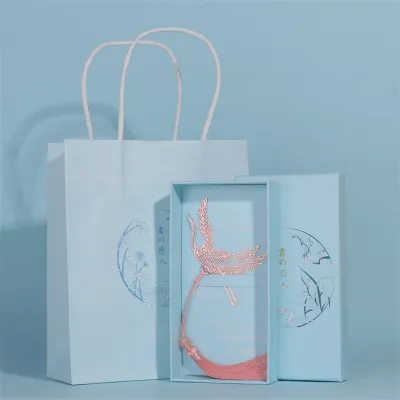
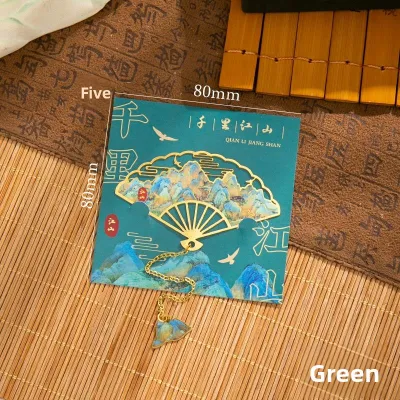
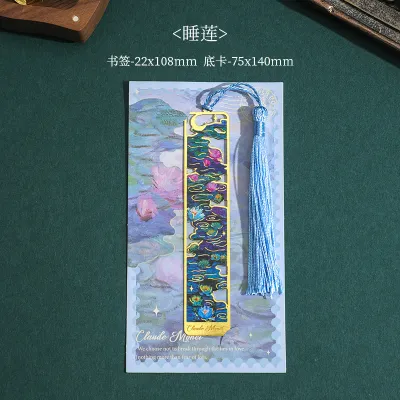
Prices are valid at publication and may change. Please refer to the product page for the latest price.
Consequently, the evaluation metrics for choosing a bookmark shift naturally over time. For primary schoolers, the priority lies in durability, loss prevention, and motivational appeal. For secondary schoolers, the focus turns to thickness, portability, spine preservation, and aesthetic maturity. Understanding this transition from learning to read to reading to learn helps parents and educators select stationery that supports a student’s evolving educational journey.
Recommended Bookmark Types for Primary School Students
Primary school students need stationery that can survive the rigors of a busy school day. The best bookmarks for this age group combine robust physical properties with engaging designs that make reading feel like an exciting activity rather than a chore.

Durable and Flexible Materials
When selecting bookmarks for younger children, materials like silicone, flexible PVC, and heavy-duty laminated cardstock are excellent choices. These materials are inherently resistant to tearing, meaning they will not fall apart even if a student repeatedly pulls on them or bends them during class.
Spills are another common occurrence in primary school classrooms and school bags. Silicone and PVC bookmarks are entirely waterproof, allowing them to survive contact with leaking water bottles or damp hands without warping or losing their shape. Laminated paper options offer a similar level of protection, provided the edges are sealed properly.
Safety is also a vital consideration for this age group. Before purchasing any plastic or laminated bookmark, verify that the item has smooth, rounded edges. Sharp corners on stiff plastic can cause painful paper cuts or accidentally scratch a child’s fingers, while also snagging and tearing the pages of their books.
Engaging and Functional Designs
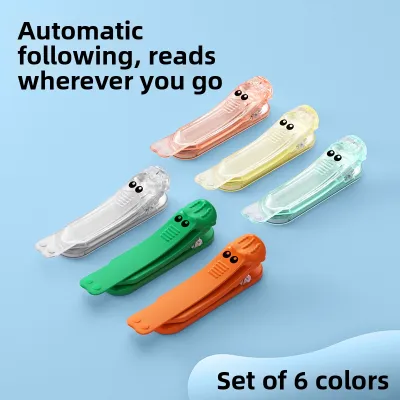
To prevent bookmarks from slipping out of books when they are dropped or tossed into a school bag, magnetic bookmarks are highly recommended. These designs fold over the top or side of a page and clamp together using gentle magnetic force. This secure grip ensures the marker stays exactly where it was placed, even if the book is turned upside down.
Visual appeal plays a significant role in motivating younger readers. Bookmarks featuring vibrant animal shapes, popular characters, or puzzle elements can transform a simple tool into a comforting reading companion. These playful designs help children build positive associations with reading, turning independent study time into an enjoyable habit.
Additionally, many modern primary school bookmarks incorporate built-in educational tools. Some options feature simplified rulers along the edge, while others include translucent magnifying strips or colored tracking lines. These tracking overlays are particularly helpful for early readers, as they help the eyes focus on a single line of text at a time, reducing visual fatigue and improving comprehension.
Recommended Bookmark Types for Secondary School Students
As students enter secondary school, their reading materials become more sophisticated, demanding a different class of stationery. The whimsical, bulky bookmarks of primary school give way to sleek, high-utility designs that respect the integrity of delicate book bindings.
Slim and Book-Safe Options
For older students dealing with thick literature novels and heavy textbooks, slim profiles are essential. Excellent material choices include thin metal (such as brass or stainless steel), PET transparent film, and flat woven fabric ribbons. These ultra-thin options sit flush between pages, ensuring the book can close completely.
Using a bookmark that is too thick can cause permanent damage to a book’s structure. In tightly bound hardcovers and reference books, excess thickness puts pressure on the spine, which can crack the binding glue or strain the stitching over time. Choosing a marker under 1 mm in thickness preserves the book’s structural integrity, which is especially important for expensive textbooks or shared school resources.
Environmental factors also play a role in material longevity. In humid climates, such as Singapore’s tropical weather, metal bookmarks must feature high-quality, rust-resistant coatings. Uncoated metals can oxidize quickly in humid conditions, leaving unsightly rust stains on book pages that are difficult to remove without damaging the paper.
Multi-Functional and Aesthetic Choices
Secondary school students often engage in active reading, which involves highlighting key passages, taking notes, and cross-referencing information. Bookmarks that double as study aids are highly practical for this stage of learning. Examples include metal book darts, which clip precisely onto a specific line of text without damaging the paper, and bookmarks with integrated clip-on page markers or fold-out reference charts.
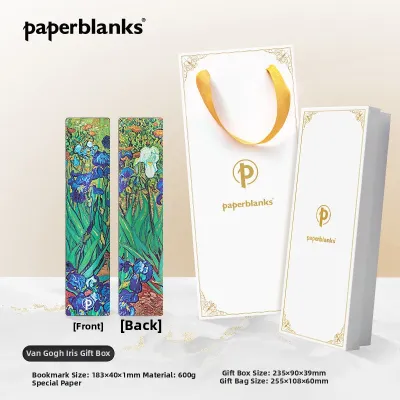
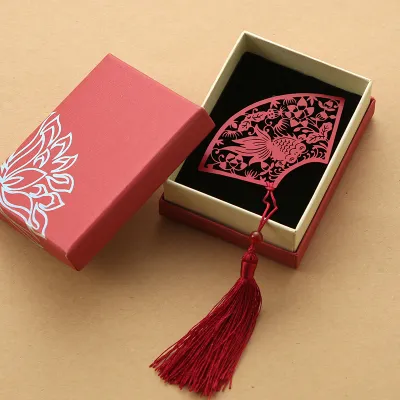
Aesthetic preferences also mature during these years. Many teenagers prefer minimalist designs that reflect their personal style and academic focus. High-quality paper bookmarks with elegant typography, minimalist leather tassels, or engraved metal pieces serve as sophisticated accessories that students are proud to carry.
These refined options help transition the bookmark from a simple page-saving device into a functional tool for revision and annotation. By choosing designs that accommodate both reading and studying, secondary students can streamline their study routines and keep their notes organized.
Cross-Scenario Compatibility: Bookmarks That Grow With the Reader
While the needs of primary and secondary students differ, certain versatile bookmark types can bridge the gap between these age groups. Investing in these adaptable options provides long-term value for families with children of varying ages.
High-quality magnetic clips and durable woven ribbons are excellent examples of cross-scenario compatibility. A well-made magnetic clip is sturdy enough to handle the active lifestyle of a primary schooler, yet its sleek, low-profile design remains aesthetically appealing and functional for a secondary student. Similarly, a thick woven ribbon bookmark offers a classic look that never goes out of style, providing a soft, non-damaging page marker that fits any book size.
Customizable name-label bookmarks are another highly practical option for all school levels. In shared school environments, library books, and study groups, stationery items are easily misplaced or swapped. A bookmark that features a dedicated space for a name label or a personalized engraving helps students keep track of their personal property and prevents disputes over lost items.
When purchasing bookmarks intended to last through multiple school years, prioritize neutral colors and adjustable designs. Muted tones like navy, forest green, or classic metallic finishes adapt easily to changing tastes, ensuring the bookmark remains a staple in the student’s pencil case as they transition from primary school to secondary school.
Practical Tips for Using and Maintaining Bookmarks in School Bags
A school bag is a demanding environment for both books and stationery. Implementing a few simple care habits can extend the life of a student’s reading materials and keep their bookmarks in pristine condition.
First, discourage the habit of using thick, makeshift objects as bookmarks. It is common for busy students to slip pens, highlighters, rulers, or even mobile phones into a book to save their page quickly. This practice places immense pressure on the book’s spine and can permanently warp the cover, crack the binding glue, or tear the inner pages. Instruct students to always keep a dedicated, flat bookmark on hand instead.
Second, establish a routine for cleaning and maintaining different bookmark materials. Silicone and PVC bookmarks can be wiped down periodically with a damp cloth and mild soap to remove dirt, ink stains, and finger oils. For metal bookmarks, regularly check for any signs of oxidation or sharp edges that may have developed from accidental drops, and polish them gently with a dry microfiber cloth. If using premium leather bookmarks, refer to the manufacturer’s care instructions to avoid drying out the material.
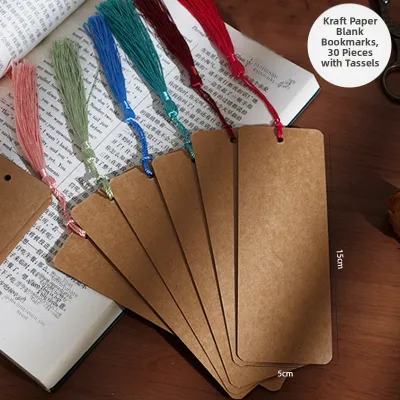
Finally, prevent the accidental loss of bookmarks when returning library books. Students often leave their bookmarks inside books when dropping them off at the school library. To avoid this, encourage students to choose bookmarks in distinct, high-contrast colors that stand out against the book pages. Alternatively, select bookmarks with an attached ribbon or tassel that hangs outside the book edges, making it immediately obvious that a personal item is still inside before the book is returned.
Frequently Asked Questions (FAQ)
Are magnetic bookmarks safe for school library books?
Yes, magnetic bookmarks are generally safe for standard modern library books, but they must be handled with care. The primary risk comes from the strength of the magnets; if a student pulls a strong magnetic bookmark straight off a page, the friction can tear thin, fragile, or glossy paper. To prevent damage, students should check the condition of the paper first and use a gentle sliding motion to separate the magnets rather than pulling them apart forcefully.
How thick should a bookmark be to avoid damaging the book spine?
For hardcovers, tightly bound textbooks, and library books, it is best to use bookmarks that are under 1 mm in thickness. This slim profile ensures the book closes naturally without placing undue stress on the spine, glue, or stitching. Thicker materials, such as heavy wood, thick leather, or acrylic, are better suited for loosely bound paperbacks, spiral notebooks, or personal journals where the binding can accommodate the extra bulk.
Community discussion
Share your experience or ask a question. Comments are reviewed before publication.