
Selecting the right book covering tape is essential for keeping school textbooks and workbooks in pristine condition throughout the academic year. In Singapore, where students carry heavy school bags and handle their books daily, protective wrapping prevents torn covers, frayed edges, and water damage. The ideal tape choice depends on the specific grade level’s book formats and usage patterns. For primary school textbooks and workbooks, which are often thin, flexible, and subject to frequent handling, a highly flexible polypropylene (PP) self-adhesive roll or pre-cut easy-to-apply cover is ideal. For secondary school textbooks, which are typically much thicker, heavier, and used over multiple years, a thicker polyvinyl chloride (PVC) or heavy-duty PP tape with strong edge-lifting resistance is necessary to withstand the extra wear. Matching the tape’s width, material, and adhesive strength to the book’s dimensions ensures long-lasting protection without damaging the underlying paper.
Understanding Book Covering Tape Types and Materials
When preparing school supplies, understanding the materials and finishes of book covering tape helps ensure you choose a product that offers both protection and readability. Clear finishes are the most common, offering maximum transparency so that the original book cover design, titles, and subject names remain highly visible. However, glossy clear finishes can reflect overhead classroom lights, creating a glare that may strain a student’s eyes during long study sessions. Matte finishes are an excellent alternative, as they significantly reduce reflection and glare while maintaining good text visibility, though they may slightly soften the sharpness of very fine print. Tinted finishes are occasionally used for color-coding different subjects, but they must be checked carefully to ensure they do not obscure important diagrams or text.
The two primary materials used for book covering tape are polyvinyl chloride (PVC) and polypropylene (PP). PVC is typically thicker and heavier, providing robust protection against deep scratches, spills, and rough handling. This makes it highly suitable for heavy reference books, though its stiffness can make it more challenging to wrap smoothly around tight corners. PP is generally thinner, highly flexible, and boasts excellent tear resistance. PP films are also less prone to edge-lifting over time, making them a reliable choice for books that are frequently pulled in and out of school bags.
Products mentioned in this guide
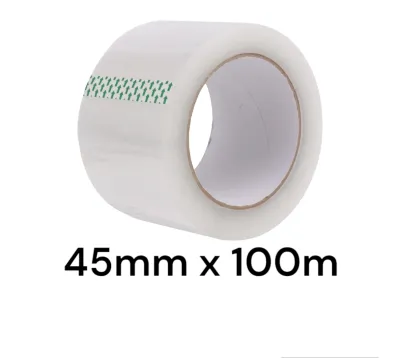
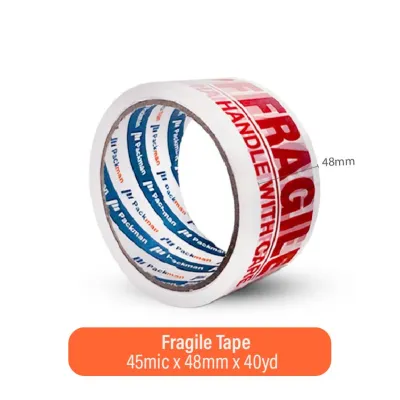
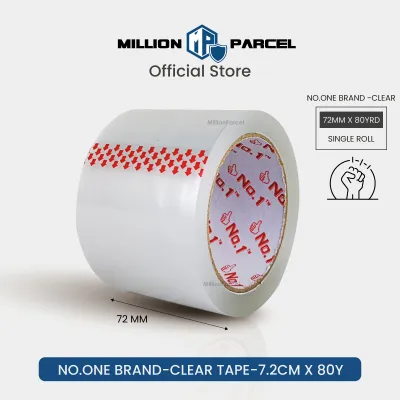
Prices are valid at publication and may change. Please refer to the product page for the latest price.
Operational differences also play a major role in how easy the tape is to apply. Self-adhesive rolls feature a sticky backing protected by release paper, allowing for a permanent, tight bond directly to the book cover. Non-adhesive stretch films, on the other hand, rely on tension, folding, or separate adhesive tape to stay in place. While non-adhesive films are easier to remove or adjust without damaging the book, self-adhesive rolls provide a more seamless, tamper-resistant shield that does not slide during daily use.
Matching Tape Sizes to Primary School Textbooks and Workbooks
Primary school students in Singapore use a variety of book sizes, ranging from standard Ministry of Education (MOE) textbooks to larger A4 activity books and B5 character-writing workbooks. To choose the right tape size, parents must first measure the height and total width of the opened book. A common mistake is measuring only the front cover, which leads to purchasing rolls that are too narrow to wrap around the entire book in a single sheet.

To calculate the exact width of tape needed from a roll, use a simple formula: add the width of the front cover, the width of the back cover, the thickness of the spine, and an additional 3 to 4 centimeters for the folding margins on each side. For example, if a standard workbook is 21 centimeters wide and 1 centimeter thick, the total flat width is 43 centimeters. Adding a 3-centimeter margin on both the left and right edges means you will need a tape sheet that is at least 49 centimeters wide to cover the book securely.
When shopping at local stationery stores or online marketplaces, parents often face a choice between standard-width rolls (typically 34 centimeters to 45 centimeters wide) and wide jumbo rolls (up to 50 centimeters or more). Standard rolls are highly convenient and reduce waste when wrapping smaller B5 workbooks or standard novels. However, wide jumbo rolls offer greater versatility, allowing you to cover large A4 science workbooks and music sheets without having to piece multiple strips together, which can leave weak seams.
Selecting Durable Options for Secondary School and Heavy-Use Books
Secondary school textbooks are significantly thicker and heavier than primary school materials, often featuring dense paper stock and rigid covers. Wrapping these books requires a tape with a stronger adhesive and a thicker profile to prevent the edges from lifting under the tension of a thick spine. Look for tapes specifically labeled as heavy-duty or high-micron thickness, as thin films will quickly split along the spine when the book is opened flat on a desk.
When evaluating tape options in-store or online, parents can perform simple observable checks to assess quality. Check the product packaging for specifications regarding thickness (often measured in microns). A higher micron rating generally indicates better puncture and scratch resistance. You can also test a small sample if available: try stretching the film slightly to observe its elasticity and tear resistance. High-quality tape should resist tearing even when subjected to moderate pulling force.
Subjects like mathematics, science, and geography involve textbooks that are referenced daily and carried back and forth constantly. These heavy-use books benefit from reinforced wrapping. Applying an extra strip of clear tape along the top and bottom edges of the spine—areas prone to friction when pulling books from a tightly packed school bag—can dramatically extend the lifespan of the cover and prevent the corners from fraying.
Evaluating Pre-cut Covers vs. Roll Tape for School Supplies
Pre-cut book covers offer unmatched convenience, especially during the busy back-to-school season. They are designed to slip quickly over standard book sizes without the need for measuring or cutting. However, their primary limitation is compatibility. If a workbook has an unusual thickness or non-standard dimensions, a pre-cut cover may fit too loosely or fail to stretch over the edges, leaving parts of the book unprotected.
Continuous roll tape, by contrast, offers complete flexibility. It allows parents to customize the fit for any book, regardless of its height, width, or spine thickness. This is particularly useful for thick secondary school reference guides or odd-sized primary school art portfolios. With a roll, you can control the exact width of the folding margins, ensuring a tight, secure grip that pre-cut options cannot match.
From a financial perspective, continuous rolls are generally more cost-effective when calculated in S$ per meter. A single large roll can often cover an entire primary school booklist at a lower unit cost than purchasing multiple packs of pre-cut covers. However, parents must weigh this cost saving against the time investment required. Wrapping fifteen to twenty books manually with roll tape takes significant time and patience, whereas pre-cut covers can reduce the preparation time to a fraction of the effort.
Step-by-Step Application and Bubble Prevention Guide
Achieving a professional, bubble-free finish requires careful preparation. Before starting the tape packing process, place the book on a clean, flat, and dust-free surface. Wipe the book cover with a dry microfiber cloth to remove any dust, lint, or static electricity, which can trap particles under the adhesive and create permanent bumps. Ensure your hands are clean and dry to avoid leaving oily fingerprints on the adhesive side of the tape.
To apply the tape smoothly, peel back a small section of the backing paper (about 2 to 3 centimeters) and align it carefully with the edge of the book cover. Press the exposed adhesive down firmly. Using a long plastic ruler, a squeegee, or a soft cloth, slowly smooth the tape down while pulling the backing paper away with your other hand. Always work from the center of the book outward to the edges, pushing any trapped air bubbles toward the perimeter where they can escape.
Securing the corners and spine requires precise cutting. At the top and bottom of the spine, make two diagonal cuts to create a small tab that can be folded down behind the spine. For the outer corners of the book, cut a small triangle out of the tape at a 45-degree angle, leaving about 2 millimeters of space from the actual corner of the book. This prevents the tape from overlapping awkwardly when folded over the inside covers, ensuring a clean, flat edge that won’t catch or peel.
Frequently Asked Questions (FAQ)
How much book covering tape do I need for a full primary school booklist?
A typical primary school booklist in Singapore consists of approximately 15 to 20 books, including textbooks, workbooks, and writing books. On average, a standard B5 or A4 book requires about 50 to 60 centimeters of tape length from a roll. Therefore, a full booklist will generally require between 8 to 12 meters of tape. It is highly recommended to purchase a 15-meter roll or two 10-meter rolls to provide a comfortable safety margin for wrapping errors, misalignments, or unusually thick books.
Can I reuse book covering tape from old textbooks?
Reusing self-adhesive book covering tape is generally not recommended. Once the adhesive has bonded to a paper cover, attempting to peel it off will almost certainly tear the original cover or leave a sticky, unsightly residue. Furthermore, the adhesive degrades and loses its bonding strength when exposed to air and dust, meaning it will not adhere securely to a new book. Non-adhesive stretch covers can sometimes be reused if they are still clean and intact, but they should be checked for tears and stretched edges first.
What is the best way to remove old, yellowed tape without damaging the book cover?
To remove old, yellowed tape from a book cover without causing damage, you can use gentle heat to soften the aged adhesive. Set a hair dryer to a low heat setting and hold it a few centimeters away from the tape for 10 to 15 seconds. Gently peel the tape back at a sharp angle, working slowly. If any sticky residue remains on a glossy or plastic-coated cover, you can wipe it away gently using a microfiber cloth dampened with a tiny amount of rubbing alcohol or eucalyptus oil, taking care not to let moisture seep into the paper edges.
Community discussion
Share your experience or ask a question. Comments are reviewed before publication.