
Selecting the perfect animal stickers for primary school students requires more than just picking the cutest design. Children undergo rapid cognitive, physical, and emotional development between the ages of six and twelve. A sticker that delights a Primary 1 student might be dismissed as childish by a Primary 6 student, while the intricate stickers favored by older children can frustrate younger ones who are still developing their fine motor skills. By aligning sticker styles, materials, and sizes with specific grade levels, parents and educators can ensure these stationery items serve as effective tools for motivation, creativity, and self-expression.
To make the best choice, it helps to understand how a child’s relationship with stationery evolves. Lower primary students (Grades 1 to 3) respond best to large, bright, cartoon-style animal stickers that are easy to peel and serve as immediate rewards. Upper primary students (Grades 4 to 6) prefer realistic, minimalist, or watercolor designs that allow for personal expression, bullet journaling, and customizing personal items. Balancing these preferences with practical considerations like adhesive strength and material safety ensures a successful purchase.
How Age Influences Sticker Preferences and Needs
As children progress through primary school, their cognitive development alters how they perceive and interact with visual media. Younger students process visual information through a lens of simplicity and emotional resonance. They are naturally drawn to anthropomorphic animal characters with exaggerated features, friendly expressions, and bold outlines. These designs are highly recognizable, helping younger children quickly associate the sticker with positive feedback or a specific narrative.
Products mentioned in this guide
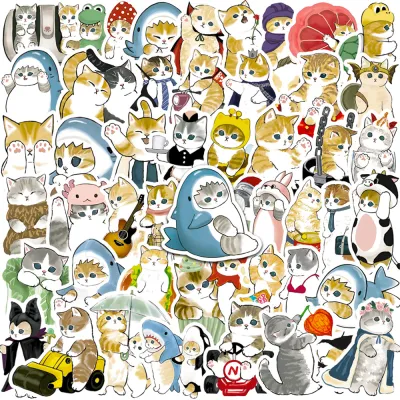
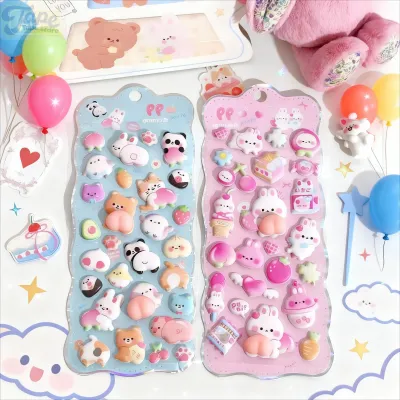
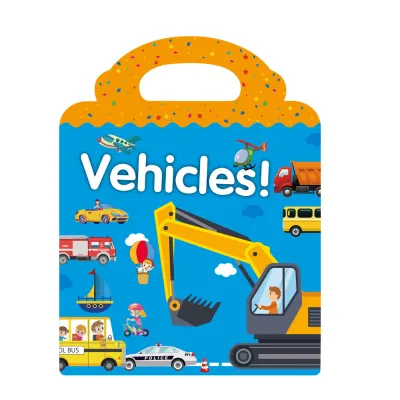
Prices are valid at publication and may change. Please refer to the product page for the latest price.
In contrast, older primary students are developing a more sophisticated aesthetic sense and a stronger desire for authenticity. They often reject overly simplified cartoon designs in favor of realistic illustrations, abstract geometric patterns, or stylized art. For these students, stickers are no longer just rewards handed out by an adult; they are tools for identity construction. The animals they choose to display on their belongings reflect their personal interests, hobbies, and how they wish to be perceived by their peers.
Physical development also plays a critical role in sticker selection. Fine motor skills, specifically the pincer grasp and bilateral coordination, are still maturing in lower primary students. Peeling a thin, intricately cut sticker from a tight backing sheet can be a frustrating task that often results in torn paper and disappointed children. Older students have developed the precision and patience required to handle delicate, die-cut, or micro-sized stickers, allowing them to use stationery items that require a higher level of dexterity.
Best Animal Sticker Styles for Lower Primary (Grades 1 to 3)
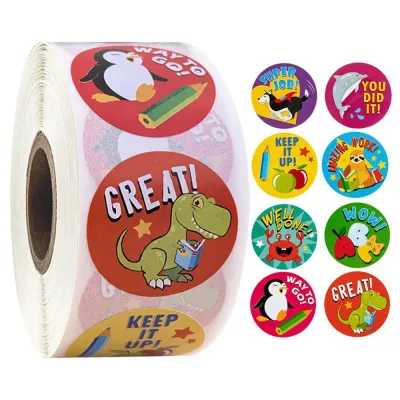
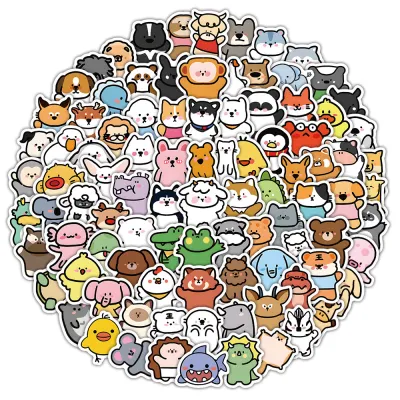
For students in Grades 1 to 3, animal stickers should be highly engaging, visually stimulating, and physically manageable. The ideal design style features bright, saturated primary colors and simple, iconic shapes. Cartoon animals with large, friendly eyes and cheerful expressions—such as smiling pandas, playful puppies, or majestic lions—are incredibly popular. These designs provide immediate visual joy and are easily recognizable from a distance, making them excellent tools for positive reinforcement.

When evaluating materials for this age group, prioritize usability and durability. Look for stickers made from thick paper or sturdy vinyl that can withstand enthusiastic handling. The backing paper is just as important as the sticker itself; sheets with a generous border around each sticker, or those featuring a split-backing design, make it much easier for small fingers to lift the edge. Larger stickers, measuring at least three to five centimeters in diameter, are ideal because they are easy to hold, place, and adjust without tearing.
In terms of functionality, these stickers are primarily used for external reward systems and basic classroom activities. Teachers and parents can use them on behavior charts, homework sheets, and spelling tests to provide instant, tangible encouragement. They are also excellent for simple crafts, such as decorating handmade greeting cards or labeling personal cubbies. Because these stickers are often applied to schoolbooks and homework, choosing a medium-strength adhesive that sticks securely to paper without bleeding through is essential.
Best Animal Sticker Styles for Upper Primary (Grades 4 to 6)
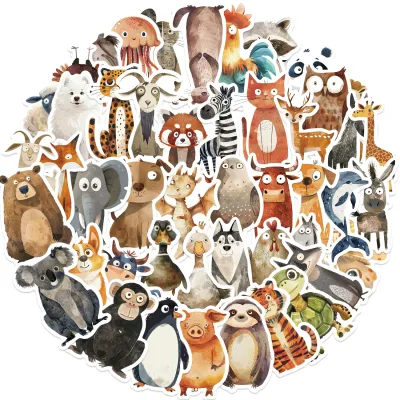
As students enter upper primary school, their stationery needs shift toward personalization and creative organization. The cartoonish designs of early childhood are replaced by more mature artistic styles. Detailed watercolor illustrations, minimalist line art, vintage scientific drawings, and botanical-animal blends are highly sought after by older students. These designs feel sophisticated and allow pre-teens to express their individuality through their school supplies.
Material preferences also change significantly in Grades 4 to 6. Older students appreciate diverse textures and finishes, such as matte paper, transparent PET (polyethylene terephthalate) plastics, and textured washi-tape materials. Matte and washi finishes are particularly popular because they reduce glare and allow students to write over or around the stickers with gel pens or fine-liners. Smaller sticker sizes, ranging from one to two centimeters, are preferred because they fit neatly into the tight grids of planners and journals without cluttering the page.
Creative self-expression is the primary use case for this age bracket. Upper primary students use animal stickers to decorate bullet journals, customize school planners, and personalize personal items like water bottles, pencil cases, or laptop covers. For items that undergo daily wear and tear, such as water bottles, look for water-resistant vinyl stickers. It is always wise to perform a quick manual test on a spare surface to verify that the sticker can withstand light washing before applying it to high-value gear.
Finding Versatile Animal Stickers for Mixed-Age Households
Managing stationery supplies in a household with siblings of different ages can be a challenge. To avoid buying entirely separate sets of stickers, look for versatile designs that bridge the developmental gap. Geometric animal illustrations, origami-style patterns, and classic wildlife photography are excellent neutral options. A stylized geometric fox or a realistic marine life illustration appeals to the mature tastes of a ten-year-old while remaining highly recognizable and exciting for a seven-year-old.
Another smart strategy is to purchase multi-pack assortments that offer a diverse range of sizes, finishes, and styles within a single package. Many comprehensive sticker books or boxed sets contain a mix of large, glossy cartoon sheets alongside smaller, matte decorative strips. This variety allows younger siblings to hunt for large reward stickers while older siblings select delicate designs for their planners, maximizing the utility of a single purchase.
When sharing stickers across different age groups, pay close attention to the adhesive properties. Look for products labeled as having “removable” or “repositionable” adhesive. Younger children occasionally place stickers on unauthorized surfaces, such as desks, walls, or shared electronic devices. A removable adhesive ensures that these accidental decorations can be peeled away cleanly without leaving a stubborn, sticky residue or damaging the underlying paint and finish.
Smart Buying and Usage Tips for School Stickers
Because stickers are handled frequently and come into direct contact with children’s skin, safety should always be a primary consideration. When purchasing sticker packs, check the product packaging for non-toxic material indicators and age-appropriate safety labels, such as compliance with EN71 or ASTM D-4236 standards. Avoid stickers that emit a strong, sharp chemical odor upon opening, as this can indicate the use of low-quality solvents in the adhesive or printing inks.
Before allowing children to apply stickers to expensive school gear, notebooks, or plastic folders, perform a quick adhesive test. Apply a single sticker to an inconspicuous, hidden area of the object and leave it for twenty-four hours. Peel it off slowly to observe how the adhesive behaves. This simple check helps you verify whether the sticker will leave a gummy residue, tear the paper cover, or lift the laminate off a school binder, saving you from ruined supplies later in the school term.
Proper storage is key to maintaining the quality of your sticker collection, especially in warm or humid climates. High humidity can cause the backing paper to curl, which in turn lifts the edges of the stickers and exposes the adhesive to dust and air, rendering them useless. Store your sticker sheets flat inside a dedicated plastic folder, a zip-top bag, or a shallow drawer away from direct sunlight. Keeping them dry and flat ensures the adhesive remains fresh and ready for use whenever a school project or reward chart opportunity arises.
Community discussion
Share your experience or ask a question. Comments are reviewed before publication.