
Selecting your first acrylic paint bottle starter set in Singapore requires balancing paint quality, bottle design, and color utility. For beginners, the bottle format is highly practical, offering easy dispensing, less waste, and simpler storage compared to traditional metal tubes. However, because the market is filled with options ranging from budget-friendly craft paints to premium artist-grade formulas, making the right choice involves understanding how these products behave on your canvas and how they survive in Singapore’s warm, humid climate.
By focusing on key performance indicators such as pigment load, bottle seal integrity, and color mixing potential, you can avoid the common frustration of buying paints that are either too watery to cover a canvas or prone to drying out in the bottle. This guide provides a clear framework to help you evaluate starter sets, choose the best dispensing mechanisms, and verify your purchase to ensure a smooth, successful entry into the world of acrylic painting.
Core Criteria for Evaluating Beginner Acrylic Paint Sets
When evaluating any acrylic paint bottle starter set, the first distinction to understand is the difference between student-grade and professional-grade (or artist-grade) paints. Student-grade acrylics are formulated to be highly cost-effective, which is ideal for beginners who need to practice techniques without worrying about the cost of materials. To keep prices low, manufacturers use synthetic or lower-concentration pigments combined with a higher proportion of fillers and binders. This results in a paint that may require multiple layers to achieve full opacity. Professional-grade paints, by contrast, feature a high pigment load and pure acrylic polymer binders, offering rich color saturation, excellent coverage, and a consistent texture directly from the bottle.
Products mentioned in this guide
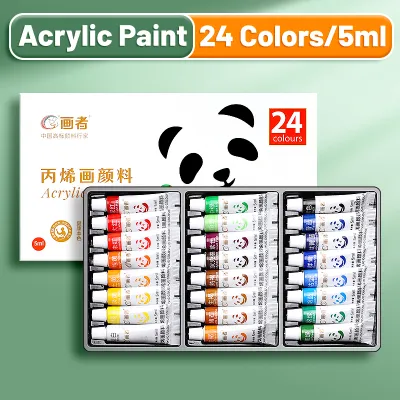
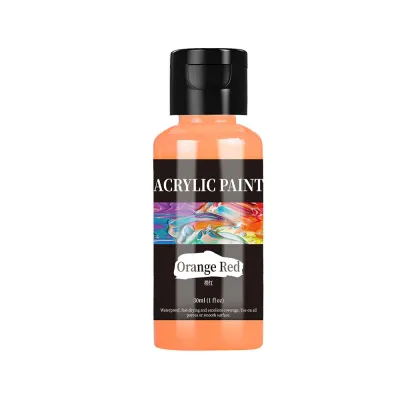
Prices are valid at publication and may change. Please refer to the product page for the latest price.
Lightfastness is another critical factor that determines the longevity of your artwork. Lightfastness refers to a paint’s resistance to fading or changing color when exposed to light over time. Most reputable paint manufacturers print lightfastness ratings directly on the bottle labels, typically using the American Society for Testing and Materials (ASTM) standard. A rating of ASTM I indicates excellent lightfastness, while ASTM II represents very good lightfastness. For beginners practicing in sketchbooks or on paper, student-grade paints with lower ratings are perfectly acceptable, but if you plan to display your finished canvases in well-lit rooms, checking for ASTM I or II ratings on the starter set bottles is highly recommended.
Paint consistency, or viscosity, also dictates how the paint behaves on your painting surface. Acrylic paints generally fall into three categories: heavy body, soft body, and fluid. Heavy body acrylics have a thick, buttery consistency similar to oil paints, making them excellent for holding brush strokes and palette knife textures. Soft body and fluid acrylics, which are more commonly packaged in squeeze or dropper bottles, flow smoothly and are ideal for detailed brushwork, glazing, and pouring techniques. For beginners, a medium-viscosity or soft body paint is often the most versatile option, as it adheres easily to various surfaces—including canvas, heavy acrylic paper, and wood—without requiring immediate dilution with water or mediums.
Comparing Bottle Formats and Dispensing Mechanisms
The design of the paint bottle plays a significant role in how easily you can control your paint portions, minimize waste, and maintain the shelf life of your supplies. Acrylic paint bottles typically feature one of three dispensing mechanisms: standard screw-caps, flip-top caps, or dropper bottles. Dropper bottles are highly favored for fluid acrylics because they allow you to dispense paint drop by drop, which is incredibly useful for precise color mixing and keeping your palette clean. Flip-top caps offer quick, one-handed access during active painting sessions, but they are prone to paint buildup around the hinge, which can prevent a tight seal. Standard screw-caps provide a highly secure seal but require you to unscrew the cap fully each time, increasing the risk of paint drying on the bottle threads and gluing the cap shut.

Bottle materials and shapes also influence usability and paint preservation. Flexible plastic squeeze bottles (often made of low-density polyethylene) allow you to easily extract the paint, but they can draw air back into the bottle when released, which may accelerate skinning or drying inside the container over time. Rigid plastic or glass bottles provide an excellent barrier against air exposure, but extracting the last remaining paint from the bottom can be challenging without a palette knife. Transparent or translucent bottles are highly advantageous for beginners, as they allow you to instantly verify the actual paint color and monitor how much paint is left before starting a new project.
Before purchasing any starter set, it is crucial to verify that the bottles feature secure inner seals. High-quality manufacturers seal the bottle openings with foil or plastic peel-off liners beneath the cap. This inner seal is the primary defense against air exposure during transit and storage. Without a proper seal, acrylic paint—which dries through the evaporation of water—can begin to cure and clump inside the bottle before you even open it. When shopping, look for product descriptions or packaging indicators that explicitly confirm the presence of these protective inner seals.
Assessing Color Configurations and Included Accessories
Many beginners are tempted to buy the largest starter set available, featuring dozens of pre-mixed secondary and tertiary colors. However, a smaller, well-curated set focusing on primary colors plus black and white is often far more beneficial for developing your artistic skills. Working with a limited palette—such as a warm and cool version of red, yellow, and blue, alongside Titanium White and Carbon Black—forces you to learn the fundamentals of color theory and color mixing. Learning how to mix your own greens, purples, and oranges not only saves money in the long run but also prevents your paintings from looking flat or disjointed due to over-reliance on unmixed, straight-from-the-bottle shades.
When comparing starter sets, pay close attention to the volume of paint provided per bottle. Starter sets commonly offer bottle sizes ranging from 20ml to 120ml. If you plan to paint on small surfaces, such as A4-sized acrylic paper or 20×20 cm canvases, smaller 20ml or 50ml bottles are sufficient for several projects. However, if you intend to work on larger canvases or practice frequently, opting for sets with 60ml (approximately 2 ounces) or 120ml bottles is more economical. Larger bottles ensure you do not run out of essential mixing colors, particularly white and yellow, which are typically consumed at a much faster rate than darker pigments.
Additionally, evaluate any bundled accessories included in the starter set to determine if they add genuine value or are simply low-quality fillers. Many beginner kits include plastic palettes, basic synthetic brushes, or small bottles of gloss medium. While a plastic palette is highly functional and easy to clean, bundled brushes are often prone to shedding bristles onto your wet paint, which can ruin the finish of your artwork. If a starter set is priced significantly higher solely because of these extra tools, you are often better off purchasing a paint-only bottle set and buying a few reliable, medium-grade synthetic brushes separately.
Where to Buy and Verify Art Supplies in Singapore
In Singapore, art supplies can be purchased from specialized local art stores, retail malls, or online marketplaces. Visiting a physical, specialized art supply store—such as those located in Bras Basah Complex or dedicated retail outlets—offers distinct advantages. You can physically inspect the bottles for leaks, check the manufacturing or batch dates if printed, and seek advice from knowledgeable staff. Physical stores also ensure that the paint has been stored in a temperature-controlled environment, which is vital in Singapore’s warm climate, as prolonged exposure to extreme heat in unventilated warehouses can degrade the acrylic binder.
If you choose to buy from online marketplaces or ecommerce platforms, extra diligence is required to avoid counterfeit, expired, or dried-out paints. Always scrutinize seller reviews and ratings, paying close attention to feedback that mentions receiving damaged packaging, broken seals, or clumpy paint. Avoid listings with vague product descriptions or unusually low prices, as these can be indicators of old stock that has been sitting in storage past its shelf life. Look for authorized distributors or official brand stores on these platforms to ensure product authenticity.
Immediately upon receiving your paint set, perform a physical inspection of the bottles before attempting to paint. Check that the outer packaging is intact and that there are no signs of paint leakage around the caps. Unscrew each cap to verify that the foil or plastic inner seal is completely intact and has not lifted. Gently squeeze the bottle to feel if the paint inside is fluid and responsive; any hard lumps or excessive resistance suggests that the paint has partially cured. Finally, ensure you are familiar with the retailer’s return and exchange policies so you can promptly return any defective or dried-out bottles for a replacement.
Frequently Asked Questions (FAQ)
Can I mix student-grade and professional-grade acrylic paints?
Yes, you can safely mix student-grade and professional-grade acrylic paints because they both utilize compatible water-based acrylic polymer binders. However, mixing them will alter the overall performance of the paint layer. Combining a highly pigmented professional paint with a student-grade paint will dilute the pigment concentration, resulting in lower color intensity, reduced opacity, and potentially lower lightfastness. This practice is highly acceptable for underpainting, background washes, or daily practice where absolute archival quality is not required. For finished exhibition pieces, it is best to use consistent grades to ensure uniform drying times and aging characteristics.
How do I prevent acrylic paint from drying out in the bottle?
To maximize the shelf life of your acrylic paint bottles, always clean the bottle threads and the inside of the cap with a damp cloth before sealing. Dried paint on the threads prevents the cap from closing completely, allowing air to slowly enter and cure the remaining paint. Store your bottles upright in a cool, dry cupboard away from direct sunlight and air conditioning drafts, as extreme temperature fluctuations can cause condensation inside the bottle, leading to mold growth or binder separation. If you are using dropper bottles that have become clogged, gently clear the nozzle with a fine needle or paperclip rather than squeezing the bottle forcefully, which can rupture the seal or cause the cap to pop off.

Community discussion
Share your experience or ask a question. Comments are reviewed before publication.