
Finding the best 2mm macrame yarn in Singapore for detailed knotting requires looking beyond generic brand names and focusing on structural integrity, fiber composition, and twist consistency. In Singapore’s humid tropical climate, selecting a yarn that resists moisture absorption while maintaining crisp knot definition is essential for intricate projects like micro-macrame, jewelry, and detailed coasters. The ideal 2mm yarn must offer high tensile strength, minimal stretch, and excellent surface friction to hold complex geometric patterns without slipping or fraying.
Intricate patterns demand high precision. A slight variation in yarn diameter or a loose twist can ruin the symmetry of a micro-macrame piece. Therefore, local crafters must evaluate yarns based on physical performance metrics—such as ply structure, fiber density, and twist tightness—rather than relying solely on brand popularity.
This guide provides a comprehensive framework for evaluating 2mm macrame yarns, matching yarn structures to specific pattern types, sourcing reliable materials in Singapore, and performing essential pre-project checks to ensure flawless results.
Products mentioned in this guide
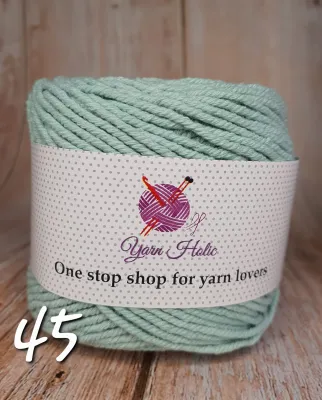
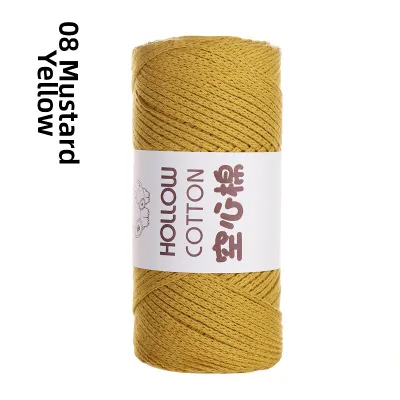
Prices are valid at publication and may change. Please refer to the product page for the latest price.
Understanding the Physical Demands of Detailed Knotting
Detailed knotting involves high-density patterns where multiple knots are packed closely together. For these knots to remain secure and visually distinct, the yarn must possess a balanced level of surface friction. If the yarn is too slick, which is often the case with low-quality synthetic fibers, the knots will slowly loosen over time, distorting the pattern. Conversely, if the yarn is too rough, it will resist tightening, making it difficult to achieve uniform tension. The twist of the yarn plays a critical role here; a tight, consistent twist increases the structural integrity of each knot, ensuring that the geometric lines of your design remain sharp and defined.
In micro-macrame and jewelry-scale designs, even a fraction of a millimeter deviation in yarn thickness can disrupt the visual balance of the piece. A true 2mm diameter is the sweet spot for detailed work, offering enough substance to create visible texture while remaining delicate enough for intricate knotting sequences. When yarn thickness fluctuates along the spool, it creates uneven knots that ruin the symmetry of repetitive patterns like double half hitches or square knot chains. Ensuring a highly consistent diameter across the entire spool is paramount for professional-grade results.
Intricate macrame also requires a high degree of manipulation, including repeated tightening, adjusting, and sometimes untying mistakes. This mechanical stress can quickly degrade low-quality fibers, causing them to pill, fray, or lose their structural cohesion. In Singapore’s humid climate, fibers can also absorb ambient moisture, which softens the yarn and makes it more susceptible to friction damage. Selecting a 2mm yarn with high abrasion resistance ensures that the fibers remain smooth and intact, even when subjected to complex knotting sequences and corrective adjustments.
Matching Yarn Structure to Your Intricate Patterns
Single-strand 2mm macrame yarn consists of hundreds of tiny fibers twisted together into a single, cohesive thread. This structure is highly favored for projects that require soft, luxurious textures and easily brushed, feathery fringes, such as detailed leaf motifs, feathers, or delicate wall hangings. However, because the fibers are not locked into multiple plies, single-strand yarn has lower knot firmness and is highly prone to untwisting or fraying during the knotting process. It requires a gentle touch and is less suitable for structural, high-tension designs where knots must bear weight or maintain rigid geometric shapes.

Multi-ply yarn, typically available as 3-ply or 4-ply, is constructed by twisting multiple individual strands together. This structural design provides exceptional knot definition, 3D texture, and superior holding power. The interlocking plies create a ribbed surface that naturally locks knots into place, making it the ideal choice for sharp geometric patterns, complex mandalas, and tight structural nodes. The inherent strength of twisted multi-ply yarn also allows it to withstand high tension without stretching or breaking, ensuring that your intricate designs maintain their shape over years of display or wear.
Braided 2mm yarn features a woven outer sheath, often surrounding a central core, which prevents the yarn from untwisting or fraying entirely. This structure offers unmatched durability, a perfectly round profile, and a smooth, uniform surface that is highly resistant to pilling. It is excellent for functional items like plant hangers, bag straps, or jewelry that will experience frequent handling. However, the very strength that makes braided yarn durable also makes it challenging to work with for detailed patterns; once a knot is pulled tight, the braided structure locks so firmly that untying or correcting mistakes can be extremely difficult without damaging the yarn. Additionally, braided yarn cannot be brushed out into a fine fringe, limiting its use in designs that require soft, frayed edges.
Sourcing and Evaluating 2mm Yarn Brands in Singapore
When sourcing 2mm macrame yarn, the first step is to carefully verify the specifications listed on the product label or seller description. Look for clear indications of fiber composition, such as 100% recycled cotton, combed cotton, or specific synthetic blends. Cotton is the traditional choice for its natural feel and excellent knot-holding capabilities, but high-quality blends can offer enhanced durability and moisture resistance. Ensure the label explicitly states a 2mm diameter rather than a broad range (like 2-3mm), as variations in this scale can significantly impact the precision of detailed work.
Singapore offers several avenues for sourcing macrame supplies, ranging from historic textile shops in Chinatown and specialized craft boutiques in central shopping districts to online marketplaces. When evaluating local suppliers, prioritize those who provide comprehensive technical specifications and transparent sourcing information. Physical craft stores allow you to feel the texture and assess the twist tightness firsthand, which is invaluable for detailed projects. For online purchases, look for sellers with high ratings, detailed product photos showing the yarn’s ply structure, and verifiable customer feedback that specifically mentions knot consistency and fray resistance.
To avoid investing in large quantities of unsuitable material, implement a systematic sampling strategy. Purchase small trial spools or sample cards from different brands and suppliers to test their performance under real working conditions. Use these samples to execute a series of test knots, evaluating how well the yarn holds tension, how easily it untwists, and how it responds to being brushed out for fringe. This hands-on evaluation is the most reliable way to identify high-quality 2mm yarn that matches your specific knotting style and project requirements without relying on unverified online rankings.
Pre-Project Checks for Tension and Tool Compatibility
Before committing your chosen 2mm yarn to a complex, time-consuming project, perform a series of tension and deformation tests on scrap pieces. Secure a length of yarn and apply the maximum tension you expect to use during your project. Observe how much the yarn stretches and whether it returns to its original length or permanently deforms. Excessive stretch will lead to sagging patterns and loose knots over time, especially in Singapore’s humid environment where natural fibers can relax. Understanding the physical limits of your yarn allows you to adjust your knotting tension accordingly to maintain structural integrity.
Detailed, high-density macrame patterns require a high degree of visual uniformity, making any variations in color highly noticeable. When purchasing yarn, always check that all spools share the same dye lot number. Even minor differences in dye batches can result in subtle color shifts that become glaringly obvious once the yarn is knotted tightly together. If dye lot numbers are not available, visually inspect the spools under consistent, natural lighting to ensure the color is uniform throughout, preventing unexpected bands of different shades in your finished piece.
Intricate macrame projects often incorporate beads, rings, boards, and pins to secure and embellish the design. Before starting, verify that all your tools and accessories are strictly compatible with a 2mm yarn thickness. Test the yarn by threading it through the inner diameters of your chosen beads; a true 2mm yarn should pass through smoothly without fraying, though you may need a slightly larger bead hole if using multi-ply or single-strand yarn that tends to spread. Additionally, ensure the yarn fits securely within the grooves of your macrame board and can be held firmly by your positioning pins to maintain even tension throughout the knotting process.
Frequently Asked Questions (FAQ)
Can I use regular 2mm knitting yarn for macrame?
Regular 2mm knitting yarn is generally unsuitable for detailed macrame projects. Knitting yarns are engineered for softness, elasticity, and drape, meaning they typically lack the tight twist, high tensile strength, and surface friction required to hold structural knots. When pulled tight under macrame tension, knitting yarn will stretch excessively, lose its shape, and often break. Furthermore, the lack of surface friction causes knots to slip and lose their definition over time. For successful macrame, always choose yarn or cord specifically manufactured and structured for knotting.
How do I prevent 2mm twisted yarn from untwisting while knotting?
To prevent 2mm twisted yarn from untwisting during intricate work, you can employ several practical handling techniques. First, pay attention to the direction you twist the yarn as you work, making conscious adjustments to maintain its natural twist. For the working ends of the yarn, wrap a small piece of fine paper tape or masking tape around the tips to keep the plies secure. If you are working with synthetic or blended yarns, you can carefully heat-seal the ends with a flame. For natural cotton yarns, applying a tiny amount of specialized thread conditioner or fabric glue to the tips will prevent fraying without compromising the texture of the main body.
Is 2mm yarn too thin for large wall hangings?
Yes, 2mm yarn is generally too thin for large-scale wall hangings. While it is excellent for small, highly detailed tapestries, coasters, and jewelry, a large wall hanging made with 2mm yarn would require an immense number of knots, making the project incredibly time-consuming and visually cluttered. More importantly, 2mm yarn lacks the structural thickness and weight necessary to hang straight and support a large piece without sagging. For large-scale wall hangings, it is recommended to use thicker cords, typically ranging from 4mm to 6mm, which provide the necessary structural support, visual proportion, and weight to hang beautifully.

Community discussion
Share your experience or ask a question. Comments are reviewed before publication.