
Choosing a 24-well watercolour palette is a highly personal decision that hinges on where and how you paint. A landscape artist capturing the tropical greenery of Singapore’s outdoor parks requires a vastly different setup than a botanical illustrator working in a climate-controlled home studio. By evaluating how different materials, configurations, and physical designs interact with your painting style, you can select a tool that enhances your creative workflow rather than hindering it.
While a 24-well configuration offers an ideal balance of color variety and portability, the physical build of the palette dictates its performance. Understanding the strengths and limitations of each design element ensures your investment supports your artistic growth and protects your expensive pigments over years of use.
Key Features to Evaluate in a 24-Well Palette
The material of your palette is the single most important factor governing its weight, durability, and how paint behaves on its surface. Plastic palettes are lightweight, highly affordable, and virtually shatterproof, making them excellent for travel and casual sketching. However, cheaper plastics are highly porous, which leads to permanent pigment staining and causes wet paint to bead up on the surface rather than spreading smoothly.
Products mentioned in this guide
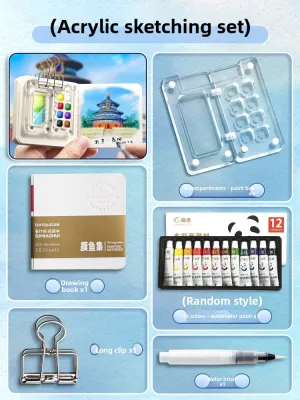
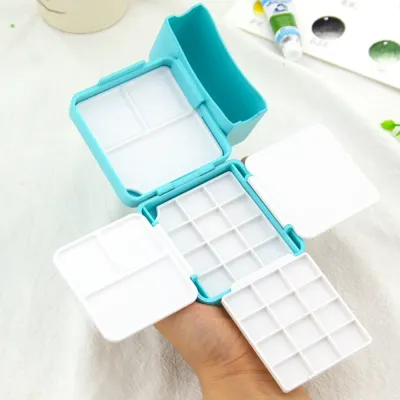
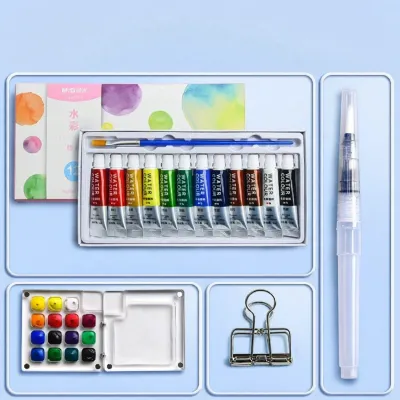
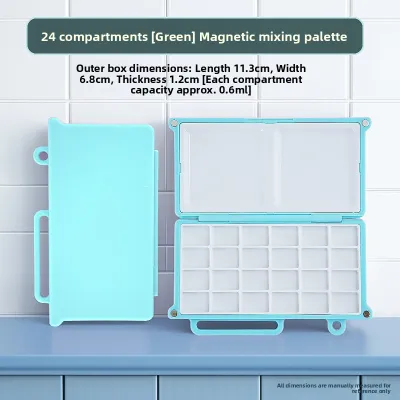
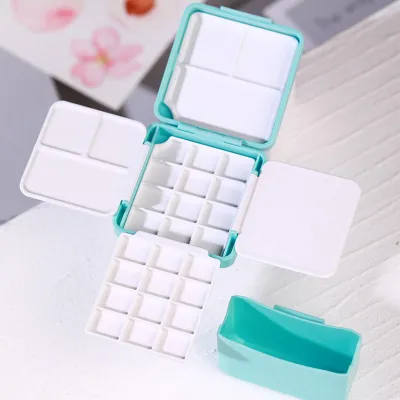
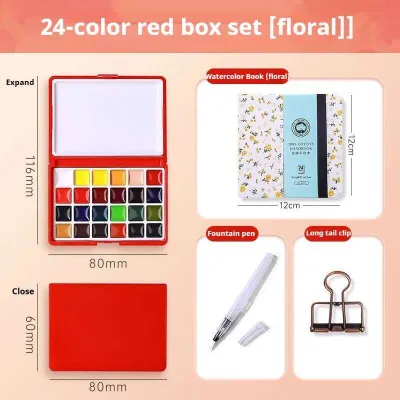
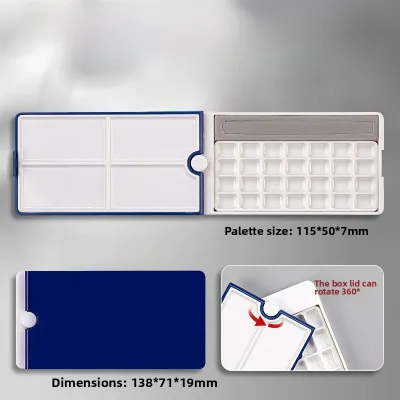
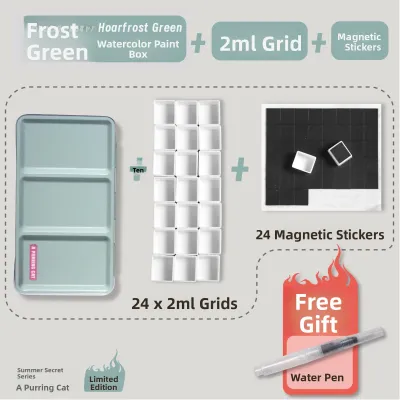
Prices are valid at publication and may change. Please refer to the product page for the latest price.
Metal palettes, typically constructed from tin, aluminum, or brass, offer a mid-weight alternative that strikes a balance between durability and portability. High-quality metal options feature an enamel coating that provides a smooth, semi-porous mixing surface. While metal is highly resilient, low-grade metal tins can rust over time if exposed to constant moisture, particularly along the hinges and seams.
Ceramic and porcelain palettes represent the gold standard for color mixing, though they are heavy and fragile. The completely non-porous surface of ceramic prevents paint from beading, allowing you to see the exact dilution, value, and color mixture of your washes. Because they do not stain, ceramic surfaces can be wiped completely clean with a damp cloth, restoring them to a pristine white state.
Mixing area design is another critical variable to consider. Palettes with deep, individual wells are designed to hold large volumes of liquid washes, preventing different colors from bleeding into one another. Flat slabs or fold-out mixing trays, on the other hand, are ideal for smooth color transitions, glazing techniques, and blending subtle gradients with broad brush strokes.
Finally, pay close attention to the lid mechanisms and portability features. A secure latching system prevents the palette from opening accidentally inside an art bag, which can ruin both the palette and your other supplies. Some travel-friendly designs include integrated silicone gaskets for airtight seals, while others feature ergonomic thumb holes, folding hinges that double your mixing space, or completely detachable covers that make cleanup in a sink much easier.
Matching Palette Features to Your Painting Style
Finding the right balance of these features requires looking closely at your daily painting habits. Different environments demand distinct physical properties from your gear, meaning a studio artist and an outdoor sketcher will naturally gravitate toward completely different palette configurations.

Plein Air and Travel Painting
For artists who enjoy painting outdoors, traveling, or sketching on location, portability and physical security are the primary concerns. When working in outdoor spaces like the Singapore Botanic Gardens or along the bustling streets of Chinatown, you need a compact, lightweight setup that fits easily into a small backpack or messenger bag. Metal tin palettes designed to hold 24 half-pans are highly favored for this style because they fold down to a pocket-friendly size.
Security during transit is paramount when carrying wet or semi-dry paint. Look for palettes with heavy-duty snap closures or secure sliding latches that will not pop open when jostled inside a bag. A silicone sealing gasket is highly beneficial for travel, as it keeps external moisture out and prevents semi-wet paint from leaking onto your personal belongings.
Ergonomics also play a vital role when painting on location, as you will often need to hold your palette in one hand while balancing a sketchbook in the other. Many travel palettes feature a metal finger ring or a molded thumb hole on the underside. This allows you to rest the weight of the palette securely across your forearm and hand, reducing wrist fatigue during long painting sessions.
Studio and Detailed Work
If your painting practice is centered around a dedicated desk or home studio, portability takes a backseat to mixing space, color accuracy, and physical stability. In a controlled indoor environment, a heavy ceramic or porcelain palette is highly advantageous. The substantial weight of ceramic prevents the palette from sliding around on a tilted drafting table, eliminating the risk of accidental spills when you dip a loaded brush.
Studio work often involves creating large, even washes of color, which requires expansive, flat mixing areas. Look for non-folding studio palettes that offer wide, shallow mixing wells alongside your 24 color wells. These flat surfaces allow you to mix generous amounts of paint without the colors pooling in corners, making it much easier to judge the exact pigment-to-water ratio before applying it to your paper.
Additionally, evaluate how the palette integrates with your other studio tools. Some premium studio palettes feature built-in brush rests along the edges, keeping your wet brushes from rolling onto your paper or desk. Others are designed with central wells specifically sized to hold water cups, creating a self-contained, highly organized painting station that maximizes your desk space.
Beginner Practice and Sketching
For those who are just beginning their watercolor journey or enjoy casual sketching at home, the ideal palette is one that is durable, easy to organize, and highly cost-effective. A sturdy plastic folding palette with 24 wells offers an excellent entry point. These palettes provide ample space to explore color mixing without requiring a significant initial financial investment.
When learning watercolor techniques, establishing a logical color layout is crucial for building good habits. A 24-well palette provides enough space to set up a comprehensive color wheel, such as a split-primary system featuring warm and cool versions of red, yellow, and blue, along with earth tones and convenience colors. Look for a layout that physically separates the wells, helping you keep your warm and cool pigments organized and preventing accidental contamination.
Ensure that the individual wells are deep enough to hold paint securely. If you prefer squeezing paint from tubes, deep wells prevent the wet paint from overflowing into neighboring slots. If you prefer using solid half-pans, look for a palette with secure, built-in slots or clips that hold the plastic pans firmly in place, preventing them from rattling or falling out when the palette is moved.
What to Check Before Buying in Singapore
Singapore’s tropical climate presents unique challenges for watercolorists that must be factored into your purchasing decision. The high ambient humidity means that watercolor paint stored inside a sealed palette rarely dries to a completely hard, bone-dry state. Instead, paints often remain slightly tacky, soft, or even semi-liquid, especially those formulated with natural humectants like honey.
Because of this persistent moisture, mold growth is a common issue for local artists. When shopping for a 24-well palette, closely inspect the lid sealing quality. An airtight seal with a high-quality silicone gasket is essential if you plan to store wet paint for long periods, as it prevents excess atmospheric moisture from continuously entering the palette and encouraging mold spores to multiply.
Before committing to a specific palette model, verify the long-term availability of replacement parts and paint refills. A high-quality 24-well palette can last for decades, but only if you can easily replenish your supplies. Check whether local art supply stores, such as those located in the historic arts hub of Bras Basah Complex, or reputable online specialty retailers regularly stock the specific pan sizes (such as standard half-pans or full-pans) that fit your palette’s slots.
Finally, take advantage of physical retail options to inspect the build quality firsthand before making a purchase. If you are shopping in a local store, test the hinge tension to ensure it does not feel flimsy or loose, and check how tightly the latch snaps shut. If you prefer the convenience of online marketplaces, carefully review the seller’s return and exchange policies so you can easily replace the item if it arrives with a defective seal or a cracked hinge.
Maintenance and Care for Longevity
Proper maintenance is essential to preserve the performance of your 24-well palette and ensure your mixed colors remain clean and vibrant. When cleaning plastic palettes, never use abrasive scrubbing pads, steel wool, or harsh chemical cleansers. These abrasive materials create microscopic scratches on the plastic surface, which permanently trap pigment particles, cause severe staining, and make future color mixing highly inaccurate. Instead, use a soft microfiber cloth or a damp cellulose sponge with a small amount of mild dish soap.
To combat mold growth in Singapore’s humid environment, establish a consistent drying routine after every painting session. Avoid immediately snapping the lid shut and storing your wet palette in a dark drawer or cupboard. Instead, leave the palette open in a well-ventilated, air-conditioned room or near a gentle fan for several hours. This allows excess surface water to evaporate while keeping the core of the paint moist enough for your next session.
If you encounter stubborn, dried paint stains on your mixing surfaces, do not attempt to scrape them off with metal palette knives or sharp tools, which can permanently damage the enamel or plastic coating. Instead, apply a small amount of specialized watercolor brush cleaner or a paste made of baking soda and water to the stained area. Let it sit for a few minutes to break down the pigment binders, then gently wipe it away with a soft, damp cloth.
For metal palettes, pay special attention to the hinges and metal seams where water can easily pool. After washing your palette, thoroughly dry these metal joints with a clean towel to prevent rust from forming over time. If your palette features removable plastic pans, periodically take them out of the metal tray to clean any dried paint spills that may have accumulated underneath, keeping the entire system hygienic and organized.
Frequently Asked Questions (FAQ)
Can I use a plastic palette for professional studio work? (FAQ)
Yes, many professional artists use high-quality plastic palettes for quick studies, color mixing, and teaching. However, plastic is inherently more porous than ceramic or glass, meaning highly staining pigments like Phthalo Blue, Prussian Blue, or Alizarin Crimson will eventually leave permanent stains on the mixing areas. This staining can make it difficult to judge the true value and hue of new color mixtures. For precise color matching and large, clean washes in a professional studio setting, upgrading to a non-porous ceramic or porcelain palette is highly recommended.
Do 24-well palettes come with paint included? (FAQ)
It depends entirely on the specific product listing and package you choose. Many 24-well palettes are sold completely empty, consisting of just the plastic or metal shell and empty plastic pans, which allows you to customize your color selection using your preferred tube paints. Other options are sold as complete travel sets that include 24 pre-filled half-pans of a specific paint brand. Always read the product specifications and package contents carefully on online marketplaces or local retail websites to confirm whether you are purchasing an empty container or a pre-filled paint set.
Community discussion
Share your experience or ask a question. Comments are reviewed before publication.