
Choosing a great Singapore-themed trolley coin as a souvenir gift requires balancing iconic local visual storytelling, robust material durability, and precise physical compatibility with supermarket cart locks. A well-chosen token serves as a highly practical daily tool while keeping memories of Singapore alive long after a trip ends.
In Singapore’s highly digitalized, cashless retail environment, carrying physical coins has become increasingly rare. However, major local supermarkets still require a physical coin deposit—typically a S$1 or S$0.50 coin—to release a shopping cart. A trolley coin keychain solves this daily friction by keeping a dedicated token permanently attached to a keyring, ready for immediate use.
Unlike standard decorative souvenirs like plastic magnets or fragile figurines that often end up forgotten in a drawer, a trolley coin is handled regularly. This guide outlines the essential design themes, material standards, and functional dimensions to help you select a meaningful, high-quality gift for tourists, colleagues, or overseas friends.
Products mentioned in this guide
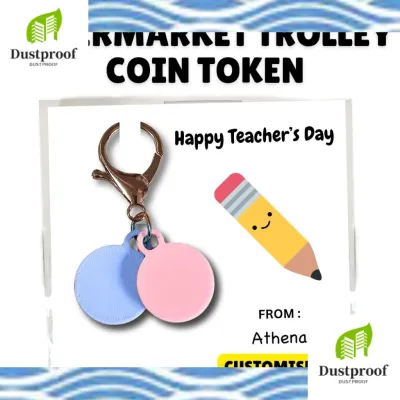
![[MADEinSG🇸🇬] Niama Customisable Supermarket Trolley Token for Coin Replacement Keychain Set - Teachers Day SG60 Edition [MOQ 15 pieces]](https://img.lazcdn.com/g/ff/kf/S9aba51651e8943428e7e0f6551c25754v.jpg_400x400q80.jpg_.webp)
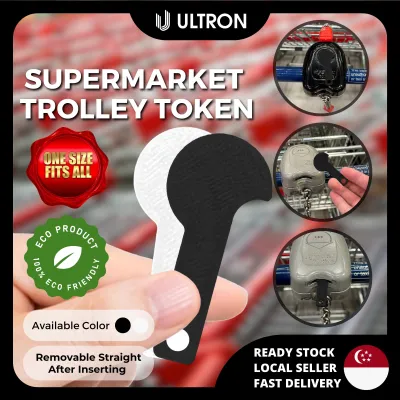
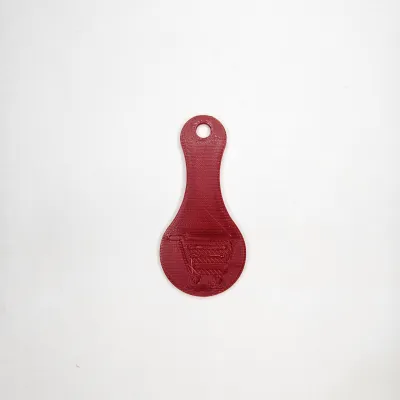
![Niama Supermarket Trolley Token [Coin Replacement] Keychain Set [Christmas]](https://img.lazcdn.com/g/p/fa1d91629d6c174abb12ec6ffce428f4.png_400x400q80.png_.webp)
Prices are valid at publication and may change. Please refer to the product page for the latest price.
Key Features to Evaluate When Choosing a Trolley Coin
Selecting a souvenir that is both beautiful and useful requires a structured approach. A failure in any single area—whether it is a coin that jams in the cart lock, a design that tarnishes quickly, or a generic motif—will result in a gift that is quickly discarded.
To ensure your gift is well-received and long-lasting, you must evaluate potential options across three main pillars: aesthetic theme, material quality, and functional fit. Balancing these elements guarantees that the token looks premium while performing its practical job flawlessly.
Identifying Iconic Local Themes and Designs
Landmark-Based Designs For instant recognition, architectural landmarks are highly effective. Designs featuring the distinct silhouette of Marina Bay Sands, the futuristic Supertree Grove at Gardens by the Bay, or the classic Merlion statue offer immediate visual association with Singapore. When evaluating these designs, look for clean, simplified lines that capture the essence of the architecture without cluttering the small surface of the coin.
Cultural and Heritage Motifs If you prefer a gift with deeper storytelling value, look for cultural and heritage motifs. Intricate Peranakan tile patterns, representations of the national flower (Vanda Miss Joaquim), or illustrations of local wildlife like smooth-coated otters offer a unique local flavor. These designs provide a wonderful conversation starter about Singapore’s rich multicultural history and natural environment.
Clarity and Precision of Details Because a trolley coin has a limited surface area, the quality of the engraving or enamel fill is critical. Inspect the coin closely to ensure that fine lines are sharp and legible. If the design uses colored enamel, the boundaries between different colors should be distinct, with no bleeding, smudging, or misalignment that would cheapen the overall appearance.
Inspecting Material Durability and Observable Finish
Base Metal Quality Most durable trolley tokens are cast from zinc alloy, brass, or stainless steel. Zinc alloy is particularly popular because it allows for highly detailed, three-dimensional designs while remaining lightweight. Hold the coin in your hand to evaluate its weight; it should feel substantial and solid, not flimsy or hollow. Run your fingers along the outer edge to verify that it is perfectly smooth and free of sharp burrs or rough metal leftovers from the casting mold.
Enamel and Surface Finishes High-quality color fills generally come in two styles: hard enamel and soft enamel. Hard enamel is polished flat to the exact level of the metal borders, creating a smooth, glassy, and premium surface. Soft enamel has slightly recessed color areas that give the coin a tactile, textured feel. Whichever style you choose, inspect the surface under bright light to check for tiny air bubbles, trapped dust particles, or uneven color distribution.
Sturdiness of the Attachment Mechanism A trolley coin is only useful if it remains securely attached to the recipient’s keys. Examine the connection point between the coin holder and the keyring. A thick, heavy-duty split ring or a robust lobster clasp is essential. Ensure that the jump ring connecting the clasp to the coin holder is completely closed and, ideally, soldered shut to prevent it from bending open under daily wear and tear.
Verifying Functional Compatibility and Size
Standard Dimensions In Singapore, supermarket trolley locks are designed to accept either the S$1 coin or the S$0.50 coin. To function correctly, a souvenir trolley coin must match these dimensions. The standard Singapore S$1 coin has a diameter of 23.00 mm and a thickness of 2.30 mm, while the S$0.50 coin has a diameter of 23.00 mm and a thickness of 2.45 mm. Ensure the token matches these measurements to guarantee a smooth fit.
Locking Mechanism Compatibility Supermarket cart locks rely on precise mechanical sliders. If a trolley token is even slightly too thick, it will jam the slot, causing frustration for the user. Conversely, if the token is too thin, the internal trigger mechanism will not engage, leaving the cart locked. Avoid tokens with highly irregular shapes, protruding decorative elements, or thick outer ridges that deviate from a flat, circular profile.
Testing and Specifications If you are purchasing trolley coins in bulk for corporate gifting or event favors, always test a physical sample in a local supermarket cart before placing a large order. If you are buying online, look for product descriptions that explicitly state compatibility with Singapore supermarket trolleys, rather than relying on generic “one-size-fits-all” claims.
Matching the Design and Presentation to Your Recipient
Corporate and Professional Gifts When gifting to colleagues, business partners, or conference attendees, opt for a sophisticated, minimalist aesthetic. A sleek, polished silver, gold, or gunmetal finish with a subtle, laser-engraved silhouette of the Singapore skyline works beautifully. Avoid overly bright or cartoonish colors; instead, let the metallic textures and clean geometry convey a professional, high-end feel.

Friends, Family, and Casual Souvenirs For friends, family members, or younger recipients, vibrant and playful designs are highly appreciated. A cute cartoon Merlion, a colorful illustration of local hawker food, or bright Peranakan patterns are excellent choices. These colorful designs feel personal, warm, and cheerful, making them a delightful daily reminder of their connection to Singapore.
Packaging and Presentation The unboxing experience significantly influences the perceived value of your gift. A loose coin on a cheap plastic ring can feel like an afterthought. Instead, look for coins mounted on custom-designed backing cards that explain the cultural significance of the design. For premium gifts, presenting the coin in a small velvet drawstring pouch or a matte black gift box elevates the token into a truly special keepsake.
Gifting Scenarios and Quantities Consider how the coin will be delivered to the recipient. If it is a standalone token of appreciation, a beautifully packaged single coin with an elegant backing card is ideal. If you are assembling a larger welcome pack or a goodie bag for overseas visitors, choosing a simpler, space-saving card presentation allows you to distribute them easily while keeping the overall package neat and cohesive.
Pre-Purchase Checklist for Quality and Authenticity
Licensing and Authenticity When choosing designs that feature protected landmarks or official national symbols, check for licensing marks or purchase from authorized souvenir retailers. This ensures that the design is legally produced, respects intellectual property, and supports legitimate local designers and businesses.
Evaluating Product Photos If you are purchasing online, scrutinize the seller’s product images carefully. Beware of generic stock photos or heavily filtered digital renders that may hide manufacturing flaws. Look for real-life macro photos taken under natural lighting, which reveal the true texture of the metal, the accuracy of the enamel colors, and the actual thickness of the coin.
Return Policies and Physical Inspection Whenever possible, purchase from sellers who offer clear return policies or have a physical retail presence in Singapore. This allows you to inspect a sample firsthand, testing the spring tension of the clasp and checking for any surface defects before committing to a larger purchase.
Avoiding Low-Quality Bulk Traps Online marketplaces are often flooded with ultra-cheap, mass-produced tokens. While a low price is tempting for bulk gifting, these options often use cheap lead alloys, have thin plating that flakes off quickly, or feature weak clasps that break on the first day of use. Investing slightly more per coin ensures your gift remains a lasting, positive representation of Singapore.
Frequently Asked Questions (FAQ)
Can I use a Singapore trolley coin in overseas shopping carts?
Shopping cart lock mechanisms vary globally by country and supermarket chain. For example, trolleys in the United Kingdom and Europe are typically designed to accept £1, €1, or €2 coins, which have different diameters and thicknesses than Singapore’s S$1 coin. While some universal trolley keys exist, a standard Singapore-sized token may not work in overseas carts. It is best to check the specific coin size requirements of the recipient’s local supermarkets before gifting the coin for functional use abroad.
How do I clean and maintain a metal trolley coin keychain?
To keep your metal trolley coin looking presentable over time, gently wipe it with a soft, dry microfiber cloth to remove fingerprints, oils, and daily grime. Avoid using harsh chemical cleaners, jewelry polishes, or abrasive scrubbing pads, as these can strip away protective lacquers, scratch the metal, or damage colored enamel fills. Additionally, store the keychain in a dry place when not in use to prevent moisture buildup, which can lead to tarnish or oxidation on the metal components.

Community discussion
Share your experience or ask a question. Comments are reviewed before publication.