
Finding the perfect Teachers’ Day card in Singapore involves balancing heartfelt appreciation with quality presentation. Whether you are looking for a classic, formal design or a quirky, locally inspired illustration, the right brand can elevate your message. This guide explores how to evaluate card brands, the main categories available in Singapore, and where to source them to ensure your token of gratitude stands out.
How to Evaluate Greeting Card Brands for Teachers' Day
To find a card that truly conveys your gratitude, it helps to look closely at the physical and aesthetic characteristics of the stationery. Evaluating these details ensures the card not only looks beautiful but also survives the journey from a student’s backpack to the teacher’s desk.
Paper Quality and Texture The tactile feel of a greeting card is the first thing a teacher notices. High-quality card brands typically use paper stock with a weight between 250 GSM (grams per square metre) and 350 GSM. Anything lighter than 250 GSM may feel flimsy and bend easily, while anything heavier than 350 GSM can be difficult to fold cleanly without cracking the spine.
Products mentioned in this guide
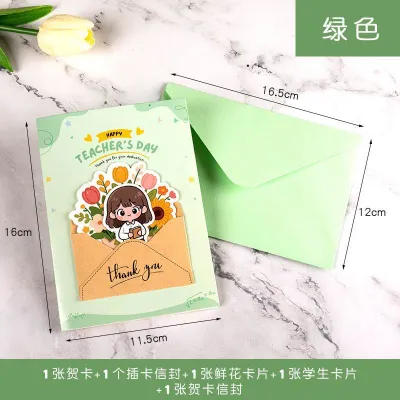
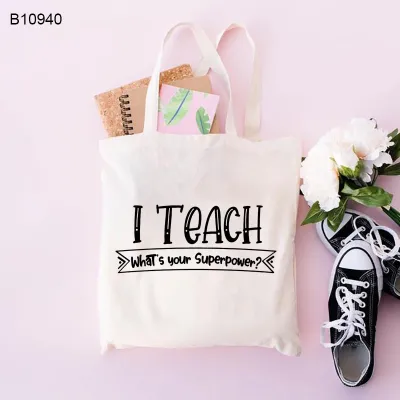
Prices are valid at publication and may change. Please refer to the product page for the latest price.
The finish of the paper also dictates how easy it is to write your message. Matte finishes are highly versatile, absorbing ink quickly and preventing smudges, making them ideal for standard gel pens and ballpoint pens. Glossy finishes offer vibrant, eye-catching colours on the cover, but the interior must remain uncoated or matte; writing on a glossy interior often requires specialized permanent fine-liners to prevent severe ink smearing. Textured papers, such as linen or felt-finish cardstock, add a premium, artisanal feel that elevates the entire presentation.
Ink Compatibility and Bleed Testing Before writing your final message, it is highly recommended to perform a quick ink test on an inconspicuous area of the card, such as the very bottom corner of the interior or a scrap piece of the same paper. Different paper finishes react uniquely to various ink types. For instance, heavy gel pens or fountain pen inks may bleed through thinner cardstock or feather on highly absorbent, uncoated recycled papers. Conversely, glossy or heavily coated papers can cause slow drying speeds, leading to accidental smudges if you close the card too quickly. Testing your pen beforehand allows you to verify the drying speed and bleed resistance of that specific paper-and-ink combination.
Design Originality and Tone A brand’s design philosophy should align with the teacher’s personality and the student’s relationship with them. For primary school teachers, bright, cheerful illustrations with playful themes are often highly appreciated. For secondary school, junior college, or tertiary educators, a more sophisticated, minimalist, or elegant design may be more appropriate.
Humorous cards can be incredibly memorable, but they require a careful assessment of the teacher’s sense of humor. Look for brands that offer a balance of lighthearted wit and respectful appreciation, ensuring the joke remains appropriate for a school environment.
Pre-printed Messages The interior of a greeting card can range from completely blank to featuring elaborate pre-printed poetry. While pre-printed messages can help structure your thoughts, they can sometimes feel impersonal if they do not match the student’s actual experiences.
When evaluating a brand, check the balance between pre-printed text and blank space. A great card should always leave ample room for a personalized, handwritten note. If you prefer to write a long, detailed letter of appreciation, look for brands that offer entirely blank interiors.
Eco-friendly Options With growing environmental awareness in Singapore schools, many students and teachers prefer sustainable stationery options. Look for brands that use FSC-certified (Forest Stewardship Council) paper, which guarantees that the wood pulp was sourced from responsibly managed forests.
Some innovative brands offer cards printed with soy-based inks, which are more biodegradable and less toxic than traditional petroleum-based inks. You can also look out for plantable seed cards—these are made from post-consumer recycled paper embedded with wildflower or herb seeds, allowing the teacher to plant the card in soil once they have finished reading it.
Exploring Card Brand Categories in Singapore
The greeting card market in Singapore is diverse, offering options that cater to different budgets, aesthetic preferences, and levels of personalization. Understanding these categories helps you narrow down where to shop.

International Stationery and Card Brands
International stationery brands are known for their consistent manufacturing standards, classic designs, and widespread availability. These brands often employ traditional design motifs, such as elegant floral patterns, gold foil accents, and classic typography.
Because these brands operate on a large scale, their printing quality is highly reliable. You can expect clean folds, precise color registration, and sturdy cardstock that stands upright on a desk without sagging.
These brands are highly accessible, with products stocked in major physical bookstores and department stores across Singapore. They frequently offer multi-packs of cards, which are highly cost-effective if a student needs to write cards for multiple subject teachers, co-curricular activity (CCA) instructors, or tutors.
Local Independent Designers and Illustrators
For those seeking something unique and culturally resonant, Singapore’s local independent designers and illustrators offer an excellent alternative. These creators often incorporate local cultural nuances, Singlish puns, and familiar school experiences into their designs.
A card featuring illustrations of local snacks, references to “red marking pens”, or humorous nods to school assembly routines can create an instant connection and bring a smile to a teacher’s face. These designs stand out dramatically from mass-produced international cards.
Supporting local illustrators also means you are purchasing a product made in smaller, more sustainable batches. These cards are typically found in boutique stationery shops, local craft markets, or online marketplaces that host independent creators.
Custom and Print-on-Demand Services
If you want to create a truly one-of-a-kind keepsake, custom and print-on-demand services allow you to design a card from scratch. This category is particularly popular for class-wide gifts, where an entire class contributes to a single, large-format card.
These services give you full control over the layout, allowing you to upload class photos, digital drawings, and custom text. Some platforms offer templates specifically designed for Teachers’ Day, making the design process straightforward even for beginners.
While highly personalized, custom cards require careful planning. You must factor in the time needed to design the card, approve the digital proof, and allow for printing and delivery. This option is not suitable for last-minute shopping but is highly rewarding for planned, collaborative gifts.
Where to Shop for Teachers' Day Cards
Finding the right card requires knowing where to look, whether you prefer to inspect the paper quality in person or browse a vast selection online.
Physical Bookstores and Stationery Shops Visiting a physical retail store is the most reliable way to assess the quality of a greeting card. It allows you to feel the weight of the cardstock, inspect the texture of the paper, and see the true colors of the print, which can sometimes look different on a digital screen.
Major bookstores and lifestyle department stores in Singapore carry a wide range of international and regional card brands. Shopping in person is also the best solution for last-minute purchases, as you can walk out of the store with your card immediately.
Brand Official Websites Many independent designers and established stationery brands operate their own official online stores. Buying directly from a brand’s website often gives you access to their complete catalog, including exclusive designs, limited-edition releases, and matching stationery sets that may not be available in physical retail stores.
Shopping directly from the brand also ensures that you are receiving an authentic product and supporting the creator directly. Most brand websites provide detailed specifications regarding paper weight, dimensions, and environmental certifications, making it easy to make an informed decision.
Online Marketplaces For the widest variety of choices, general online marketplaces and ecommerce platforms host thousands of independent sellers and custom printing services. These platforms are excellent for comparing different design styles and price points from the comfort of your home.
When shopping on online marketplaces, it is essential to read customer reviews carefully. Look for feedback regarding the packaging quality, as cards can easily bend during transit if not shipped in rigid, cardboard-backed envelopes. Always check the seller’s shipping estimates to ensure the card will arrive well before the Teachers’ Day celebrations.
Adding a Personal Touch to Your Greeting
Even the most beautiful, high-quality card is ultimately a vessel for your message. Taking the time to personalize your greeting ensures that your gesture of appreciation is deeply felt.
Writing a Thoughtful Message A generic “Happy Teachers’ Day” is polite, but a specific, personal message is what makes a card truly memorable. Encourage your child, or take the time yourself, to recall a specific moment from the school year.
Mentioning a particular lesson that sparked an interest in a subject, a time the teacher offered encouragement during a difficult period, or even a shared classroom joke shows that you appreciate them as an individual. Keep the tone respectful, warm, and sincere.
Pairing with Practical Stationery Gifts If you plan to pair your card with a small gift, practical stationery items are highly appreciated by educators who go through supplies quickly. Consider pairing the card with a set of high-quality gel pens, a pack of colorful sticky notes, or an elegant notebook planner.
When gifting, always remain mindful of school gift policies. Many educational institutions in Singapore have strict guidelines regarding the monetary value of gifts that teachers are allowed to accept. Keeping the gift modest, practical, and focused on utility ensures the teacher can accept it without any awkwardness.
Involving Younger Children For preschool and primary school students, involving them directly in the card-making or writing process adds immense sentimental value. Even if you purchase a pre-printed card, let the child write their own name, draw a small picture, or add a colorful handprint inside.
Teachers cherish these personal, developmental touches far more than a perfectly written but parent-dominated message. It allows the child to actively participate in expressing gratitude, fostering a positive understanding of appreciation.
Frequently Asked Questions (FAQ)
How far in advance should I order custom Teachers' Day cards?
For custom or print-on-demand cards, it is best to place your order at least two to three weeks before Teachers’ Day. This timeline allows approximately three to five business days for design creation and proof approval, another three to five business days for printing and quality checks, and up to a week for local delivery. Ordering early also provides a safety buffer for any unexpected shipping delays during peak school gifting seasons.
Are there eco-friendly greeting card options available?
Yes, many stationery brands now offer sustainable options. To verify if a card is eco-friendly, look for the FSC (Forest Stewardship Council) logo on the back of the card, which indicates the paper comes from responsibly managed forests. You can also look for product descriptions specifying the use of 100% recycled post-consumer waste, soy-based or vegetable-based inks, and plastic-free packaging. Plantable seed cards are another excellent, zero-waste alternative.

Community discussion
Share your experience or ask a question. Comments are reviewed before publication.