
Selecting a red color paint starter set as a beginner in Singapore requires balancing your artistic goals with the practical realities of your workspace and local climate. Red is a powerful, highly visible primary color, but its behavior varies dramatically depending on whether you choose watercolors, acrylics, or oils. To make an informed decision, you must evaluate how different paint mediums dry, how pigments behave when mixed, and how to verify the authenticity and freshness of paint sets available in local retail shops and online marketplaces.
Because red pigments can range from highly transparent to completely opaque, the medium you choose dictates how you build layers and correct mistakes. Furthermore, Singapore’s tropical climate—characterized by high relative humidity and warm temperatures—directly influences paint drying times and storage requirements. By understanding these technical factors, you can select a starter set that minimizes frustration and helps you build solid painting foundations.
Understanding Paint Mediums for Red Starter Sets
Watercolor reds offer a luminous, transparent quality that relies on the white of the paper to reflect light back through the paint layers. When working with red watercolors, the paint flows freely with water, allowing for delicate washes, soft gradients, and complex glazing techniques. However, because many red pigments are highly staining, they penetrate deep into the paper fibers, making mistakes difficult to lift or erase once dry. Beginners should pair watercolor sets with heavy, high-quality paper—ideally 300 gsm or higher—to prevent warping and buckling when water is applied.
Products mentioned in this guide
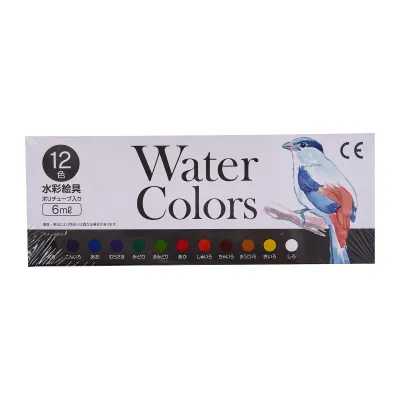
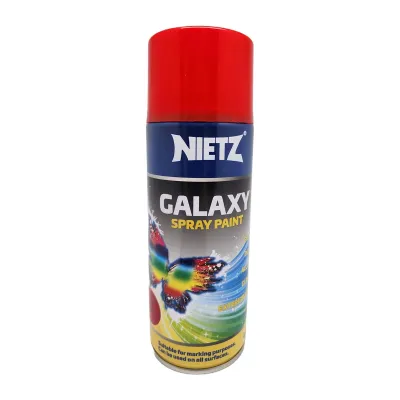
Prices are valid at publication and may change. Please refer to the product page for the latest price.
In Singapore’s humid environment, watercolor pans are highly practical because they do not dry out permanently; you simply reactivate the dry paint with a wet brush. However, this high humidity also means that wet watercolor palettes must be allowed to air-dry completely in an open space before being sealed and stored. Closing a damp watercolor tin can trap moisture, creating an ideal breeding ground for mold that can ruin your paint set.
Acrylic reds are highly favored by beginners due to their rapid drying times, strong opacity, and exceptional versatility. Once dry, acrylic paint becomes completely water-resistant, allowing you to layer colors quickly without disturbing the underlying paint layers. This medium adheres well to a wide variety of surfaces, including canvas, wood, paper, and cardboard, without requiring specialized primers or solvents. The fast-drying nature of acrylics is highly practical for small apartments where space is limited, as finished pieces can be stored away quickly without leaving wet surfaces exposed to dust.
However, the warm tropical climate can cause acrylic paint to dry too quickly on your mixing palette, sometimes skinning over before you can apply it to your canvas. To manage this, beginners can use a fine-mist water spray bottle to keep the paint moist, or invest in a simple stay-wet palette that uses damp sponge paper to preserve the paint’s workability. Acrylics also undergo a slight color shift, drying slightly darker than they appear when wet, which is an important characteristic to observe during your initial color mixing practice.
Oil-based red paints provide unmatched blending capabilities and a slow drying time that allows you to work on a painting over several days. This slow drying process is ideal for learning smooth transitions, soft edges, and wet-on-wet blending techniques, which can be challenging to execute with fast-drying acrylics. Oil paints dry through oxidation rather than evaporation, resulting in a rich, buttery texture and minimal color shift between wet and dry states.
Despite these advantages, oil painting requires a dedicated, well-ventilated workspace because cleaning brushes and thinning the paint typically involves solvents like odorless mineral spirits or turpentine. Beginners must also consider that oil paints require a primed surface, such as gessoed canvas or specially treated oil paper, to prevent the oil binder from seeping into and rotting the underlying fabric or paper fibers over time. Storing wet oil canvases in a dust-free, well-ventilated area is essential, as they can take several weeks to dry completely to the touch.
Key Features to Look for in a Beginner Red Paint Set
When selecting a starter set, look for options that include both a warm red and a cool red rather than a single, generic red tube. Warm reds, such as those formulated as Cadmium Red hues, have a yellowish undertone and are excellent for mixing vibrant oranges, warm skin tones, and fiery sunsets. Cool reds, such as Alizarin Crimson or Quinacridone Magenta, have a bluish undertone and are essential for mixing clean, vibrant purples and cool pinks. If a starter set only includes a single red, you may find your mixed purples turning muddy and brown, which can be highly frustrating when learning basic color theory.

Understanding this split-primary system is the foundation of successful color mixing. For example, mixing a warm red with a warm yellow yields a bright, clean orange because neither color contains blue undertones that would neutralize the mixture. Conversely, mixing that same warm red with a blue paint will result in a dull, brownish-purple because the yellow undertone in the warm red acts as a third primary color, neutralizing the mix. Having both warm and cool reds in your starter set allows you to explore the full spectrum of color mixing without purchasing dozens of individual tubes.
Student-grade paint sets are specifically formulated to be affordable by replacing expensive or toxic pigments with synthetic alternatives, often labeled as “hues” on the packaging. While these sets have a lower pigment load than professional-grade paints, they should still offer enough color intensity and consistency for practice and learning. Always check the manufacturer’s label on the tube or packaging for lightfastness ratings, which indicate how well the paint resists fading when exposed to light over time. Look for ratings of ASTM I (excellent) or ASTM II (very good), or equivalent star ratings provided by the brand, to ensure your artwork remains vibrant for years.
To verify the quality of a student-grade red, look for single-pigment formulations where possible. The back of the tube will list the pigment codes; for example, PR254 (Pyrrole Red) or PR108 (Cadmium Red). Paint made from a single pigment mixes much more predictably than paint made from a blend of three or four different pigments. Multi-pigment convenience mixtures are common in budget sets, but they tend to turn muddy very quickly when mixed with other colors on your palette.
Evaluate the physical format and contents of the starter set to ensure it fits your workflow and storage space. For watercolors, pan sets (dry cakes of paint in a plastic or metal tray) are highly portable, easy to clean, and ideal for sketching on the go. For acrylics and oils, tubes ranging from 12ml to 21ml are standard and provide enough volume for multiple medium-sized projects. Some starter sets come bundled with plastic mixing palettes and basic synthetic brushes; while these bundles offer convenience, ensure the paint quality itself is not compromised by overly cheap accessories that you may need to replace immediately.
How to Evaluate Art Supply Brands for Beginners
Reputable art supply manufacturers maintain dedicated student-grade lines that offer predictable performance at a fraction of the cost of artist-grade paints. These lines are engineered to mimic the handling characteristics of professional paints, allowing beginners to develop proper techniques that will translate seamlessly if they choose to upgrade later. When evaluating brands, look for those that clearly distinguish their student lines from their professional ranges, as this indicates a commitment to consistent quality control and reliable formulations across different price points.
Avoid generic, unbranded paint sets often sold in discount variety stores. These ultra-budget paints frequently use low-grade binders and excessive fillers, resulting in a chalky texture, poor adhesion, and colors that fade rapidly when exposed to daylight. Investing in a recognized student-grade line from an established art brand ensures that the paint behaves predictably, allowing you to focus on learning techniques rather than fighting poor material quality.
A reliable paint brand demonstrates transparency by printing essential technical details directly on the tube label. Look for the specific pigment code, which typically starts with “P” followed by a letter and a number (for example, PR108 for Cadmium Red or PR83 for Alizarin Crimson). The label should also clearly state the binder used, such as gum arabic for watercolors, acrylic polymer emulsion for acrylics, or linseed oil for oils. Furthermore, check for safety certifications, such as the AP (Approved Product) seal from the Art and Creative Materials Institute, which verifies that the formulation is non-toxic and safe for studio use.
Label transparency also extends to clear instructions regarding dilution, cleanup, and safety. For instance, oil paint tubes should clearly state the necessity of using appropriate solvents and proper disposal methods for oil-soaked rags, which can pose a combustion hazard if stored incorrectly. If a brand’s packaging lacks these basic details and only features generic marketing claims, it is best to choose a more transparent manufacturer.
The physical construction of the paint tubes or pans is a critical factor in preventing waste and maintaining paint freshness. High-quality student brands use durable plastic or lined aluminum tubes with secure, deep-threaded caps that prevent air from entering and drying out the paint. For watercolor pans, look for sets with individual, removable half-pans that are securely wrapped in foil and plastic film. Avoid brands that use flimsy, thin plastic tubes that easily crack at the seams when squeezed, as this leads to messy leaks and ruined paint.
Additionally, consider the design of the caps. Ribbed, easy-grip caps are highly beneficial for beginners, as paint can sometimes dry in the threads, making the tubes difficult to open. Well-designed caps allow you to grip and unscrew the tube without applying excessive force that could split the tube body. If you are purchasing a pan set, ensure the carrying case has a secure latch and a built-in mixing area that is easy to wipe clean after each painting session.
Where to Buy and Verify Paint Sets in Singapore
Purchasing your starter set from a physical art supply store in Singapore offers several distinct advantages, particularly the ability to inspect the packaging firsthand. Retail hubs like Bras Basah Complex house long-standing art supply shops where you can handle the paint tubes, check the weight, and sometimes view painted color swatches on different papers. Additionally, experienced retail staff can provide valuable advice on which paper or canvas pairs best with your chosen red paint medium, helping you avoid incompatible materials.
Physical stores also allow you to verify that the stock has been stored in a cool, climate-controlled environment. Paint that is exposed to extreme heat or direct sunlight in shop windows can degrade, causing the binder to separate from the pigment before you even open the tube. Visiting a dedicated art retailer ensures you are buying fresh stock that has been handled correctly.
If you prefer the convenience of online shopping, always source your paint sets from official brand storefronts or authorized distributors on major e-commerce platforms. This precaution is essential to avoid counterfeit products, which may contain low-grade pigments, toxic fillers, or separated binders. Be cautious of listings with unusually low prices or generic descriptions, and verify that the seller is an authorized retailer by checking the brand’s official website or looking for platform-verified seller badges.
When buying online, read customer reviews specifically looking for mentions of packaging quality and delivery conditions. Paint tubes can easily burst during transit if they are not packaged with sufficient cushioning. Ensure the online seller uses sturdy cardboard boxes and bubble wrap rather than thin plastic mailers to protect your paint set during delivery.
Upon receiving your paint set, perform a quick physical inspection before opening the tubes or pans. Check that the factory shrink-wrap or box seals are intact, and inspect the tubes for any signs of denting, leaking, or oily residue. When you first open a tube, squeeze a tiny amount onto a scrap piece of paper; the paint should emerge as a smooth, homogeneous paste. If you observe a large amount of clear, separated binder liquid pouring out first, or if the paint feels gritty and hard, the product may have been stored incorrectly or exceeded its shelf life, and you should utilize the retailer’s return policy for a replacement.
For watercolor pans, inspect the surface of the dry paint cakes. They should look uniform and free from cracks or white powdery residue, which can indicate poor binder quality or moisture damage during storage. If you notice a strong, sour odor coming from acrylic or watercolor paints, this can indicate bacterial contamination, and the set should be returned immediately. Taking a few minutes to perform these basic checks ensures you start your painting journey with reliable, high-quality materials.
Frequently Asked Questions (FAQ)
Do I need to buy a set with multiple red shades as a beginner?
You do not need a massive set with dozens of red shades, but starting with at least two distinct reds—one warm and one cool—is highly recommended. This split-primary approach is the most cost-effective way to learn color theory, as it allows you to mix a complete range of clean secondary colors. A single red tube will inevitably limit your mixing potential, forcing you to buy additional tubes later when you find your mixed purples or oranges looking dull and muddy.
Starting with a minimal, well-curated palette of a warm red (like Cadmium Red Hue) and a cool red (like Alizarin Crimson) teaches you how to manipulate color temperature and value. This hands-on experience is far more valuable for a beginner than relying on pre-mixed convenience colors. Once you master mixing with these two foundational reds, you can selectively add specialty shades to your collection based on your specific painting style.
How can I prevent my red acrylic or oil paints from drying out in the tube?
To prevent your paints from drying out, always clean the threads of the tube nozzle with a damp cloth or paper towel before screwing the cap back on. If paint accumulates and dries in the threads, it prevents the cap from forming an airtight seal, allowing air to slowly enter the tube and solidify the remaining paint. For oil paints, cleaning the threads also prevents the cap from becoming permanently glued to the tube by dried linseed oil.
Store your paint tubes upright in a cool, dry place away from direct sunlight and heat sources, which can accelerate binder separation and drying. In Singapore’s warm climate, storing your paints in a drawer or a plastic storage bin inside an air-conditioned room is ideal. Avoid storing paint tubes in hot balconies or near windows where temperatures can fluctuate dramatically, as this thermal stress can compromise the chemical stability of the paint binders.

Community discussion
Share your experience or ask a question. Comments are reviewed before publication.