
For beginners starting their quilting journey in Singapore, choosing the right quilt template brand is one of the most critical decisions you will make. A high-quality template does more than just help you cut fabric; it acts as a precise guide that ensures your fabric pieces align perfectly during the piecing process. Brands like Creative Grids, Omnigrid, and Clover are widely considered the gold standard for beginners because they combine exceptional visual clarity with robust physical stability. By investing in a reliable, branded template from the start, you can avoid the common frustrations of misaligned seams, wasted fabric, and uneven blocks.
In Singapore’s unique crafting environment—where working space is often compact and high-quality quilting cotton is a premium investment—precision is key. A minor cutting error of just a fraction of an inch can compound across a multi-block quilt, resulting in a finished project that refuses to lay flat. Selecting a trusted template brand ensures that your tools are manufactured to exact, standardized dimensions, giving you the confidence to focus on developing your sewing skills rather than troubleshooting cutting mistakes.
What Makes a Quilt Template Brand Ideal for Beginners?
When you are first learning to cut and piece fabric, your eyes and hands have to coordinate in entirely new ways. Beginner-friendly quilt template brands design their products specifically to ease this learning curve. The most important characteristic to look for is visual clarity. High-contrast markings that remain highly visible against a wide variety of fabric colors and busy patterns are essential. If you cannot easily see the measurement lines through the template, you are far more likely to make cutting errors and experience significant eye strain during long crafting sessions.
Products mentioned in this guide
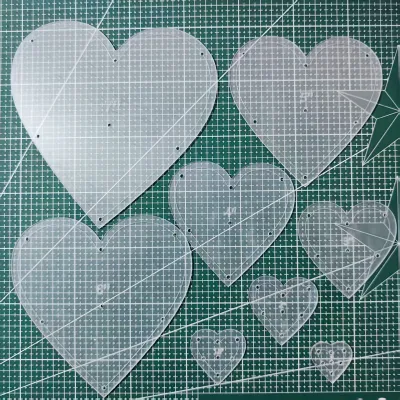
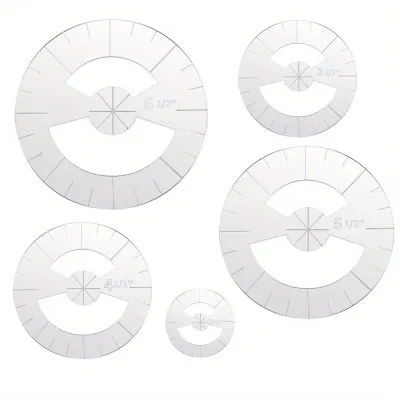
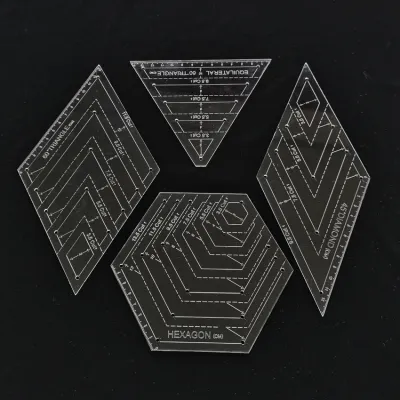
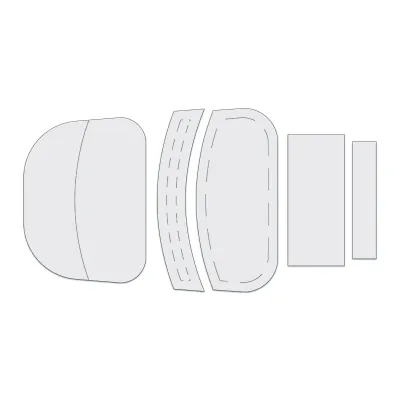
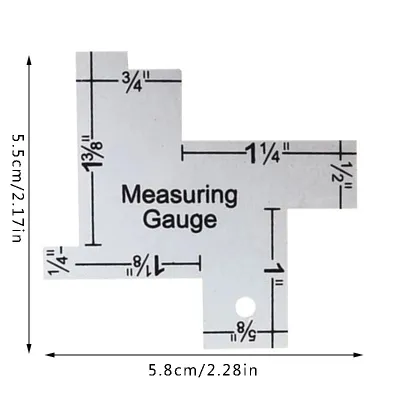
Prices are valid at publication and may change. Please refer to the product page for the latest price.
Reputable brands also distinguish themselves by providing comprehensive instructional support. Rather than selling a bare piece of plastic, established manufacturers pack their templates with value-added resources. This often includes printed step-by-step instructions, suggested block patterns, and QR codes that link directly to online video tutorials. For a beginner, these resources bridge the gap between holding a physical tool and understanding how to use it to construct a beautiful block.
Precision manufacturing is another hallmark of a top-tier brand. Trusted manufacturers use advanced laser-cutting technology to ensure that every edge is perfectly straight and every angle is mathematically exact. If you purchase multiple templates from the same reliable brand, you can trust that a 6-inch line on one tool matches a 6-inch line on another. This consistency is rarely found in unbranded or generic alternatives, which are often mass-produced with looser quality control standards.
While generic, unbranded templates found on cheap online marketplaces may seem appealing due to their low price, they often prove to be a false economy. These budget options frequently suffer from rough, uneven edges that can catch your rotary cutter blade, causing dangerous slips or damaging the template itself. Furthermore, the printed measurement lines on cheap templates can rub off quickly with normal use. Investing in a recognized brand ensures durability, safety, and long-term accuracy, ultimately saving you time, frustration, and expensive fabric.
Essential Features to Evaluate Before Buying
Before purchasing a quilt template, it is important to understand the physical and design features that contribute to its performance. Evaluating these key specifications will help you choose a tool that matches your specific project needs and cutting style.

Material and Thickness
Most professional-grade quilt templates are made from heavy-duty acrylic. When selecting a template, ensure it has a thickness of approximately 1/8 inch (3 mm). This specific thickness is vital for safety and accuracy when using a rotary cutter.
- Acrylic Thickness: A 1/8-inch acrylic edge provides a high, solid barrier that prevents the sharp blade of your rotary cutter from accidentally jumping over the template and cutting your fingers.
- Rotary Cutter Protection: Thin, flexible plastic templates (often under 1 mm thick) are designed solely for tracing lines with a pencil. Never attempt to use a rotary cutter against thin plastic, as the blade can easily shave off the plastic edge or slip onto your hand.
- Safety Warning: Always read the manufacturer's safety instructions for both your rotary cutter and your templates. Keep your fingers well away from the cutting edge, and ensure your rotary cutter's safety guard is functioning correctly before making any cuts.
Markings and Grid Lines
Take a close look at how the measurements are printed on the template. A beginner needs clear, unambiguous markings that do not require constant double-checking.
- Fractions of an Inch: Look for templates that clearly mark 1/8-inch, 1/4-inch, and 1/2-inch increments. These are the standard intervals used in almost all quilting patterns.
- Seam Allowance Indicators: Verify that the template includes a highlighted or dashed line indicating the standard 1/4-inch quilting seam allowance. This makes it simple to see exactly where your seam line will fall.
- Angle Lines: Many versatile templates feature printed 30-degree, 45-degree, and 60-degree angle lines, which are incredibly helpful for cutting triangles, diamonds, and mitered corners.
Grip and Stability
Slipping is one of the most common causes of cutting mistakes and fabric waste. When you apply downward pressure on a template, it must remain completely stationary on the fabric.
- Built-In Non-Slip Textures: Premium brands like Creative Grids feature a patented, molded grip on the underside of the acrylic. This texture allows the template to slide easily over the fabric until you press down, at which point it locks firmly into place.
- Frosted Backing: Some brands use a frosted or textured backing that naturally increases friction against fabric fibers without requiring adhesive.
- Aftermarket Grip Solutions: If you choose a brand with a completely smooth back, you will likely need to purchase separate non-slip adhesive dots or silicone rings to apply to the underside of the template to prevent slipping.
Size and Shape Variety
It is easy for beginners to feel overwhelmed by the sheer variety of specialty rulers and complex shapes available. However, starting with a massive collection of single-use templates is rarely efficient.
- Start with Versatile Basics: Prioritize a core set of basic shapes from a single, reliable brand. A versatile square template and a medium-sized rectangular ruler can be used to construct hundreds of different traditional quilt blocks.
- Avoid Overcomplicating: Avoid buying highly specialized templates (like curved or intricate multi-piece sets) until you have mastered the basics of straight-line cutting and precise piecing.
Where to Source Reliable Quilt Templates in Singapore
Finding authentic, high-quality quilting supplies in Singapore requires knowing where to look. Because physical touch and visual inspection are so valuable when choosing your first templates, visiting local retailers is highly recommended.
Local Craft and Fabric Stores
Singapore is home to several excellent physical retail options for crafters. Large craft department stores located in central shopping districts, as well as specialized independent quilting and haberdashery shops in areas like Chinatown (particularly around People’s Park Complex), carry a curated selection of reputable global brands.
Visiting a brick-and-mortar store allows you to physically handle the templates before buying. You can test the weight of the acrylic, examine the smoothness of the laser-cut edges, and hold the template over different fabric bolts in the store to see how well the printed markings stand out against dark, light, and patterned materials.
Official Brand Websites and Authorized Retailers
To guarantee that you are purchasing authentic products backed by manufacturer warranties, look for authorized local distributors or order directly from official brand websites. Buying from authorized sources protects you from purchasing low-quality counterfeit items that look identical online but lack precise measurements and safety features.
When ordering from international brand websites for delivery to Singapore, pay close attention to shipping fees and delivery times. Bulky, rigid acrylic templates require careful packaging to prevent cracking during transit. Verify if the retailer offers flat-rate international shipping to Singapore, and double-check if your order total might incur local import taxes or GST upon arrival.
General Online Marketplaces
If you prefer the convenience of general online marketplaces, you must shop with caution to avoid poorly finished counterfeits. Always filter your searches to look for established, highly rated local Singapore-based stockists or official brand stores operating on the platform.
Before clicking buy, read through the customer reviews carefully. Look specifically for feedback regarding the packaging quality (to ensure templates do not arrive cracked or chipped) and the accuracy of the printed lines. If a listing has multiple reviews complaining of warped plastic, blurry markings, or rough edges, move on to a different seller.
Community Recommendations
One of the best ways to find reliable local stockists and trusted brands is to tap into Singapore’s active crafting community. Joining local quilting guilds, attending community center sewing workshops, or participating in Singapore-focused social media crafting groups can provide invaluable insider knowledge.
Experienced local quilters can recommend specific neighborhood shops that carry niche brands, alert you to upcoming store sales, or even coordinate group-buy orders from international distributors to help save on shipping costs. They can also offer practical advice on how different template brands perform in Singapore’s warm, humid climate.
Must-Have Template Shapes for Your First Projects
Building your first quilting toolkit does not require a massive financial investment. By focusing on a few essential, highly versatile shapes, you can successfully complete a wide variety of beginner-friendly patterns.
Basic Squares and Rectangles
A square acrylic template is the absolute foundation of your quilting toolkit. For your very first purchase, a 6.5-inch square template and a 12.5-inch square template are highly recommended. These sizes are standard because they allow you to cut and square up the most common block sizes used in modern and traditional patterns, with the necessary 1/4-inch seam allowances already accounted for.
A medium-sized rectangular template, such as a 6-inch by 12-inch ruler, is equally indispensable. This shape is perfect for cutting fabric strips, sub-cutting rectangles, and squaring up borders. Together, these basic square and rectangular shapes will allow you to construct classic beginner quilts, such as patchwork, log cabin, and rail fence designs.
Half-Square and Quarter-Square Triangles
Once you are comfortable cutting squares, you will likely want to introduce diagonal movement into your quilt designs. Triangles are the key to creating dynamic patterns like pinwheels, stars, and flying geese. However, cutting triangles manually can be challenging because fabric stretches easily along the diagonal grain (known as the bias).
- Half-Square Triangle (HST) Templates: These templates are designed to cut precise 90-degree triangles while keeping the straight grain of the fabric on the outer edges, preventing warping during sewing.
- Quarter-Square Triangle (QST) Templates: Ideal for creating hourglass blocks, these templates ensure that all four outer edges of your finished block remain on the stable, non-stretching straight grain of the fabric.
Using dedicated triangle templates eliminates the need for complex mathematical calculations, allowing you to cut exact angles quickly and consistently.
Specialty Shapes (Optional)
As your skills progress, you may want to explore more intricate designs. Specialty shapes like hexagons, diamonds, and curved templates (such as those used for the Dresden Plate or Drunkard’s Path) produce stunning visual effects but require specialized piecing techniques.
For beginners, it is best to hold off on purchasing these specialty shapes until you have built solid muscle memory for straight-line cutting and accurate 1/4-inch seam piecing. When you do feel ready to tackle curves or hexagons, choose templates from the same brand as your basic rulers to ensure that your cutting style and measurement standards remain perfectly consistent.
Frequently Asked Questions (FAQ)
How do I clean and store acrylic quilt templates to prevent scratching?
To clean your acrylic templates, wipe them gently with a soft microfiber cloth and a mild, ammonia-free dish soap mixed with warm water. Avoid using harsh glass cleaners or alcohol-based solvents, as these can cause the acrylic to craze, cloud, or crack. Store your templates flat in a shallow drawer or hang them vertically using their pre-drilled holes. Keep them away from direct sunlight and high heat sources to prevent warping, and avoid stacking them directly against metal tools that could scratch the printed markings.
Can I use a standard quilting ruler instead of a shaped template?
A standard long quilting ruler (such as a 6-inch by 24-inch ruler) is excellent for cutting long strips of fabric directly from the bolt and squaring up large quilt sections. However, shaped templates are specifically designed to cut smaller, repetitive geometric pieces—like triangles, hexagons, or small squares—with maximum speed and accuracy. While you can technically use a long ruler to cut these shapes by carefully aligning the angle lines, using a dedicated shaped template reduces the risk of mismeasurement and significantly speeds up your cutting process.
Should I choose templates with inch or centimeter markings?
For the vast majority of quilters, templates with inch markings are the highly recommended choice. The global quilting industry, including almost all modern and traditional quilting patterns, books, and online video tutorials, standardizes its measurements in inches and yards. While Singapore commonly uses the metric system for daily life, using centimeter-marked templates for quilting will require you to constantly convert measurements, which frequently leads to cutting errors and mismatched seams.
Community discussion
Share your experience or ask a question. Comments are reviewed before publication.