
Finding the best magnetic strip for desk organisation in Singapore requires matching the magnetic pull force to the weight of your stationery, selecting an appropriate installation method for your desk material, and ensuring the strip fits your workspace dimensions. In Singapore’s warm and highly humid tropical climate, choosing the right adhesive backing is just as critical as selecting the magnet itself, as moisture can cause low-grade adhesives to slip or fail over time. Whether you are looking to clear paper clutter from a compact study corner in a Housing & Development Board (HDB) flat or mount heavy metal tools above a professional standing desk, understanding the technical differences between flexible magnetic tapes, rigid steel-backed bars, and dual-function whiteboard strips will ensure your setup remains secure and tidy.
Evaluating the weight capacity of your items is the first step in choosing a magnetic strip. Lightweight stationery, such as paperclips, receipts, and plastic pens with small metal clips, requires only a basic flexible magnetic tape. Heavier items, including professional drafting rulers, heavy-duty scissors, staplers, and utility knives, demand rigid magnetic bars with concentrated magnetic flux. Additionally, you must consider how the strip attaches to your workspace. While adhesive backings offer a clean, drill-free look, they are sensitive to surface textures and humidity. Screw-mounted bars provide maximum security for heavy tools but permanently alter your furniture, whereas clamp-on or freestanding magnetic bases offer a non-destructive alternative that is ideal for rental properties or premium solid wood desks.
Types of Magnetic Strips for Different Desk Setups
Desk organisation needs vary widely depending on your daily workflow, ranging from minimalist paper tracking to heavy-duty tool storage. Categorising magnetic strips by their material composition and structural design helps you select the right option for your specific workspace goals.
Products mentioned in this guide
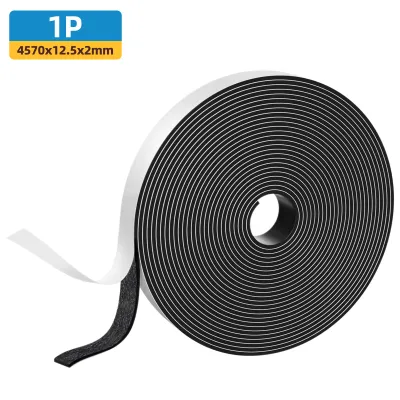
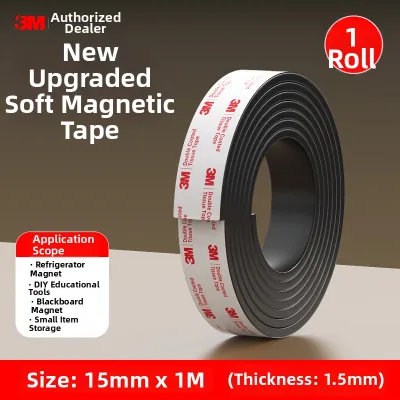
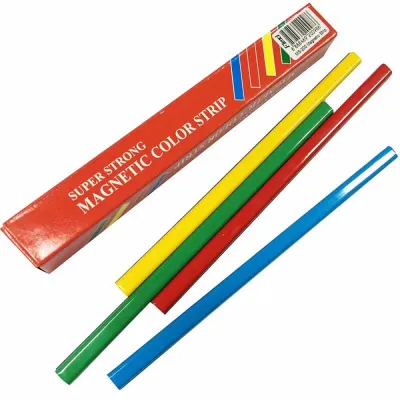
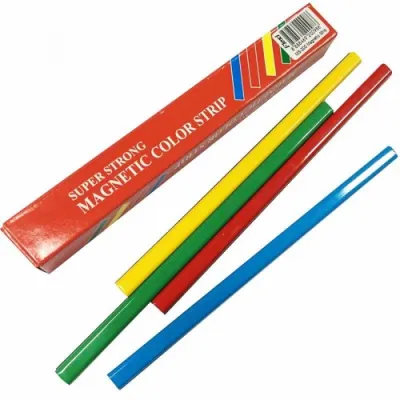
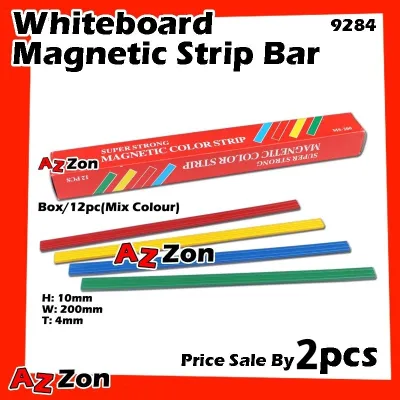
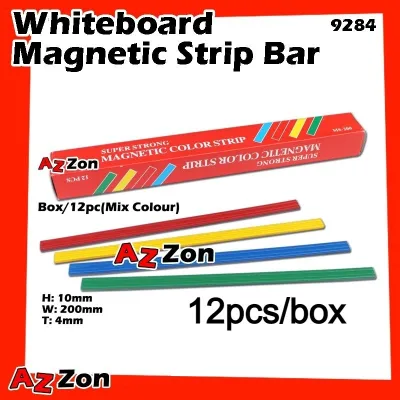
Prices are valid at publication and may change. Please refer to the product page for the latest price.
Adhesive-Backed Magnetic Tape for Notes and Light Accessories
Flexible magnetic tape is typically made from strontium or barium ferrite powder mixed with a flexible thermoplastic binder. This composition allows the tape to be easily bent, twisted, and cut to size with standard office scissors. However, this flexibility comes with a trade-off in magnetic strength. Flexible magnetic tapes have a multi-pole magnetization pattern, meaning the north and south poles alternate in close parallel lines across the surface. This design maximizes holding power when in direct contact with flat steel sheets, but it has a very short magnetic reach, making it unsuitable for holding heavy, irregular, or three-dimensional metal objects.
When planning to use flexible magnetic tape, it is essential to check adhesive compatibility with your specific desk surfaces. In Singapore’s humid environment, acrylic-based adhesives generally perform better than rubber-based alternatives, as acrylic resists temperature fluctuations and moisture degradation more effectively. Before applying the tape to painted walls, laminated medium-density fibreboard (MDF), or glass desk dividers, clean the surface thoroughly to ensure a strong bond. If you apply the tape to a highly textured or porous surface, the adhesive contact area is reduced, which can lead to premature peeling under the weight of your accessories.
One of the greatest advantages of flexible magnetic tape is its customizability. You can easily cut precise lengths to fit along the bezel of your external monitor, underneath floating shelves, or along the metal legs of a standing desk. This allows you to create custom docking zones for lightweight items like metal-rimmed tags, keys, and small binder clips. To maximize the holding power, apply the tape to both the desk surface and the back of non-magnetic items, such as plastic remote controls or calculator cases, ensuring a direct magnet-to-magnet connection.
Heavy-Duty Magnetic Tool Holders for Metal Accessories
For heavier metal items like professional scissors, steel rulers, tweezers, and multi-tools, a rigid magnetic tool holder is necessary. These holders typically consist of strong ceramic (ferrite) or neodymium magnets encased in a heavy-duty steel channel. The steel channel plays a crucial role in the holder’s performance: it redirects the magnetic field from the back and sides of the magnets to the front face, creating a highly concentrated magnetic circuit that dramatically increases the pull force. This design allows the bar to securely hold heavy tools even if they have minimal flat surface contact with the magnet.
When selecting a heavy-duty magnetic bar, you must carefully compare mounting options to avoid damaging your primary workspace. Screw-mounting is the most secure method for holding heavy tools, but it requires drilling into walls or desk panels. If you want to avoid permanent damage to a solid wood or veneered desk, look for magnetic bars designed with integrated desk-edge clamps. Alternatively, you can use high-strength, double-sided mounting tapes rated for the combined weight of the magnetic bar and the heaviest tools you plan to store, ensuring the tape is compatible with both the metal backing of the bar and your desk surface.
Safety is a paramount consideration when storing sharp or heavy tools on a magnetic bar. To prevent accidental drops that could damage your keyboard, desktop, or hands, always mount the bar horizontally and ensure it is positioned away from high-traffic movement zones. When placing tools on the bar, make sure the heaviest part of the tool is supported directly by the magnet, and verify that the magnetic pull is strong enough to resist accidental bumps. If a tool slides or rotates when placed on the bar, the magnetic contact area is insufficient, and you should find an alternative storage method for that specific item.
Magnetic Whiteboard Strips for Planning and Tracking
Magnetic whiteboard strips combine a dry-erase writing surface with a magnetic backing, making them excellent tools for dynamic task tracking and visual planning. These strips allow you to write quick notes, daily goals, or reminders with dry-erase markers while simultaneously using magnetic pins, clips, or color-coded indicators to organize paper documents and project milestones. This dual functionality is particularly useful for agile project management, Kanban boards, or keeping track of urgent physical mail on your desk.
Selecting the right size and placement for whiteboard strips depends on your desk layout and available vertical space. Slim, elongated whiteboard strips can be mounted directly onto monitor side-panels, cubicle partitions, or the vertical supports of desk shelving units. This keeps your daily to-do list at eye level without consuming valuable horizontal desk space. When choosing these strips, verify that the dry-erase surface is made of high-quality materials, such as lacquered steel or magnetic glass, which offer superior durability and resistance to staining compared to basic plastic-coated alternatives.
Maintaining the whiteboard surface is essential to preserve its writing and erasing qualities over time. In Singapore’s humid climate, dry-erase marker ink can sometimes dry more slowly or leave behind stubborn residue, known as ghosting. To prevent this, perform an erasability test with your preferred markers on an inconspicuous corner of the strip. Clean the surface regularly using a soft microfiber cloth and a specialized whiteboard cleaning spray. Avoid using abrasive pads or harsh chemical solvents, as these can strip away the protective dry-erase coating, leaving the surface porous and permanently stained by marker pigments.
Installation and Surface Compatibility Checks
Before installing any magnetic strip, conducting thorough surface compatibility checks is vital to prevent damage to your furniture and ensure the long-term stability of your organization system. Different desk materials react differently to adhesives, clamps, and mounting hardware, making a pre-installation assessment essential.

| Desk Material | Adhesive Compatibility | Risk of Surface Damage | Recommended Mounting Method |
|---|---|---|---|
| Solid Wood | Moderate (requires smooth, sealed finish) | High (adhesives can pull off wood grain or varnish) | Mechanical clamps or freestanding magnetic bases |
| Laminated MDF | High (smooth, non-porous surface) | Moderate (strong adhesives may peel laminate when removed) | High-quality acrylic adhesive tape |
| Tempered Glass | Very High (excellent adhesion) | Low (residue can be cleaned, but glass cannot be drilled) | Double-sided adhesive or suction-based mounts |
| Powder-Coated Metal | Moderate (textured finishes reduce contact) | Low (highly resistant to peeling and scratching) | Direct magnetic attachment or heavy-duty adhesive |
To ensure a successful adhesive installation, always prepare the surface by cleaning it with isopropyl alcohol to remove oil, dust, and fingerprints. Allow the surface to dry completely before applying the adhesive backing. Once applied, press the magnetic strip firmly along its entire length for at least thirty seconds to activate the pressure-sensitive adhesive. For the best results, allow the adhesive to cure undisturbed for 24 to 48 hours before hanging any weight on the magnetic strip, as this allows the polymer chains in the adhesive to fully bond with the desk surface.
Overloading a magnetic strip is a common cause of product failure and can lead to sudden detachment, potentially damaging delicate items below. Always verify the manufacturer-stated weight limits for both the magnetic strip and the adhesive backing, keeping in mind that these limits are typically rated for static loads under ideal conditions. To maintain a safe safety margin, avoid loading the strip beyond 70% of its rated capacity. This accounts for the dynamic forces exerted when you pull an item off the magnet, which can momentarily double the stress placed on the adhesive bond.
As a final safety check, establish a strict stop condition: always consult your desk manufacturer’s warranty guidelines before applying high-strength permanent adhesives, using heavy-duty clamps on fragile veneered edges, or drilling mounting holes into the surface. Some premium standing desks or designer office furniture pieces have specific structural designs or delicate finishes that can be easily ruined by improper installation. If you are renting your workspace or are unsure about the durability of your desk’s finish, opt for non-destructive, freestanding magnetic organizers or clamp-on accessories that do not require permanent modification.
Where to Source Magnetic Strips in Singapore
When looking to purchase magnetic strips in Singapore, exploring a mix of physical retail stores and online marketplaces will help you find the right balance of quality, price, and specifications. Visiting local stationery and office supply stores in commercial districts or neighborhood hubs allows you to physically inspect the products before buying. This hands-on approach is highly beneficial for testing the actual magnetic pull force against a keychain or coin, checking the flexibility of magnetic tapes, and evaluating the overall build quality of the materials.
For a wider selection of dimensions, thicknesses, and bulk options, online marketplaces and local ecommerce platforms are excellent resources. When shopping online, you can easily compare technical specifications, read detailed customer reviews regarding adhesive longevity in tropical climates, and check seller ratings to ensure a reliable purchase. Look for listings that provide clear measurements of the magnetic strip’s width, thickness, and rated weight capacity, and pay close attention to user feedback regarding how well the adhesive backing holds up over several months of use.
If you require heavy-duty magnetic tool holders or specialized magnetic mounting systems, consider visiting specialized home organization outlets, hardware stores, or official brand stores. These retailers often carry industrial-grade magnetic bars designed for workshops and kitchens, which are highly durable and offer superior weight capacities. Staff at these specialized stores can also provide valuable advice on selecting the appropriate mounting hardware and wall anchors if you plan to install a heavy-duty magnetic bar on drywall, concrete, or brick walls near your desk setup.
Frequently Asked Questions (FAQ)
Can magnetic strips damage my desk surface when removed?
Yes, magnetic strips with permanent acrylic foam adhesives can damage delicate desk surfaces, such as wood veneers, paint, or thin laminates, if they are pulled off forcefully. To minimize this risk, you can choose removable mounting alternatives, such as silicone-based adhesives, non-marring mounting putty, or magnetic strips held in place by mechanical clamps. If you must use a strong adhesive-backed strip, always test it in an inconspicuous area of your desk first. To remove an adhesive strip safely, apply gentle heat from a hair dryer on a low setting to soften the adhesive, slowly slide a piece of dental floss or a plastic scraper behind the strip to break the bond, and clean any remaining residue with a mild adhesive remover or eucalyptus oil.
Do magnetic strips interfere with laptops or external monitors?
Modern laptops, solid-state drives (SSDs), and LCD or LED external monitors are highly resistant to moderate magnetic fields, meaning typical stationery-grade magnetic strips will not cause damage or interfere with their daily operation. However, strong neodymium magnetic bars can still pose a risk to older mechanical hard disk drives (HDDs), magnetic stripe cards (such as access cards or credit cards), and high-precision stylus pens that rely on electromagnetic resonance. To ensure absolute safety, keep strong magnetic bars at least 10 to 15 centimetres away from sensitive electronic components, and always check your specific device manufacturer’s user manual and safety guidelines regarding magnetic exposure before mounting any magnetic strip directly to a laptop stand or monitor bezel.
Community discussion
Share your experience or ask a question. Comments are reviewed before publication.