
Selecting the ideal magnetic notice board for educational environments in Singapore requires balancing surface durability, magnetic strength, and spatial constraints. Whether you are setting up a dedicated study corner in a compact HDB flat or equipping a high-traffic primary school classroom, the right board serves as an interactive hub for visual learning. The best choice depends on matching the board’s surface material to your specific teaching tools—such as magnetic letters, heavy flashcards, or dry-erase markers—while ensuring the physical installation remains secure and safe for children.
An effective educational board does more than hold paper; it actively facilitates hands-on learning. For younger learners, moving physical letters and numbers across a vertical surface helps develop fine motor skills and spatial awareness. For older students, a large writing surface allows for complex problem-solving, brainstorming, and visual mapping. By understanding the technical specifications of different board types, you can make an informed decision that enhances the learning experience while offering long-term durability.
Key Features to Evaluate Before Buying
Evaluating a magnetic notice board requires looking beyond its outward appearance to understand the materials and engineering that dictate its performance. The core of any magnetic board is its backing material, which determines how well magnets adhere to the surface. Many budget-friendly boards use a thin layer of painted steel, which offers moderate magnetic pull suitable for lightweight plastic letters and single sheets of paper. However, these surfaces are more susceptible to scratching and can lose their dry-erase properties over time if the protective topcoat wears away.
Products mentioned in this guide
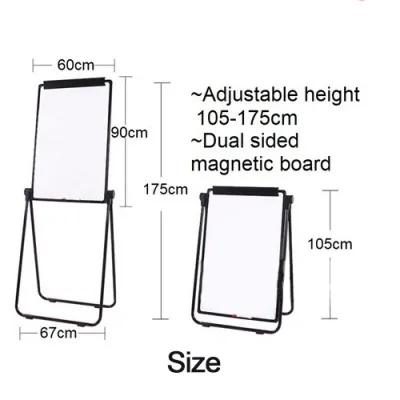
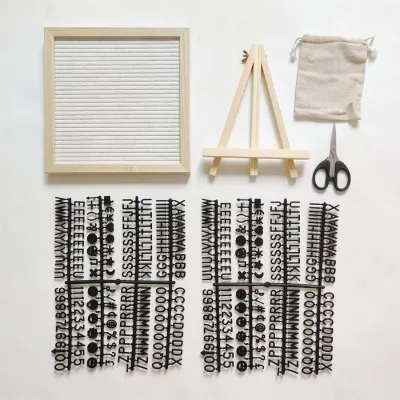
Prices are valid at publication and may change. Please refer to the product page for the latest price.
For high-frequency use, porcelain-on-steel represents the gold standard in durability. This material features a steel core fused with a ceramic layer at extremely high temperatures, resulting in an incredibly hard, scratch-resistant surface. Porcelain boards offer exceptional magnetic receptivity, allowing even weak magnets to hold securely. Additionally, the non-porous ceramic surface prevents dry-erase ink from penetrating the material, virtually eliminating the risk of ghosting or permanent staining even after years of daily use.
Glass magnetic boards offer a sleek, contemporary alternative that blends seamlessly into modern home decors. Made from tempered safety glass with a steel backing sheet, these boards are completely impervious to ink staining and ghosting. However, because the magnets must attract the steel backing through a thick layer of glass, standard household or educational magnets will not work on them. You must use extra-strong neodymium magnets, which may not be suitable or safe for very young children who might swallow small, powerful parts.
Board dimensions and aspect ratio must be carefully matched to your available wall space and the intended viewing distance. A compact board measuring 45cm by 60cm is ideal for individual desk-side use, allowing a single student to track daily schedules or practice spelling words. For collaborative family study areas or small tuition group settings, a medium-sized board of 90cm by 120cm provides ample space for diagrams and multiple worksheets. Large classrooms typically require boards spanning 120cm by 180cm or more to ensure that text written on the surface remains legible from the back of the room.
Frame construction and corner protection are critical safety factors, particularly in environments where children are active. Look for boards with sturdy aluminum or high-impact plastic frames that resist warping over time. The corners should be fitted with rounded plastic caps to eliminate sharp edges that could cause injury during accidental bumps. Some premium boards feature concealed mounting systems within these corner caps, which not only enhances safety by hiding sharp screws but also provides a cleaner, more professional aesthetic.
Matching Board Types to Educational Environments
Selecting the right board format depends heavily on the spatial constraints and daily traffic patterns of the learning environment. A bustling classroom demands a highly robust, permanent fixture that can withstand constant physical interaction from multiple students. Conversely, a home study area requires a more versatile, space-efficient solution that can adapt to the changing needs of a growing child without dominating the living space.

Classroom Settings
In a classroom setting, the magnetic notice board serves as the focal point of daily instruction and collaborative projects. These environments require large-format boards that allow multiple students to work side-by-side during group activities. The board must be exceptionally rigid, featuring a heavy-duty frame and a secure mounting system that prevents any flexing or rattling when students write or press magnetic manipulatives onto the surface.
Classroom boards must also offer universal compatibility with standard educational tools. Teachers frequently use a wide variety of magnetic accessories, including plastic alphabet letters, geometric shapes, fraction bars, and heavy cardstock flashcards backed with magnetic tape. A high-quality steel-backed or ceramic board ensures these materials stay firmly in place without sliding down, allowing lessons to proceed smoothly without constant interruptions to reposition falling teaching aids.
Home Study Spaces
Home learning environments in Singapore often require creative space management, especially in multi-functional bedrooms or shared living areas. For these spaces, compact wall-mounted boards or versatile desktop easels are highly practical choices. Foldable, double-sided magnetic whiteboards can be set up on a dining table for afternoon homework sessions and easily folded flat for storage in a closet when not in use, keeping the home clutter-free.
Aesthetic integration is another key consideration for home boards, as parents often prefer educational tools that complement their interior design. Frameless magnetic glass boards or boards with minimalist wooden frames can serve as stylish message centers in the kitchen or hallway when school hours are over. These multi-purpose surfaces can track family schedules, display children’s artwork, and serve as an interactive platform for spelling practice or math drills, making them a highly functional addition to the household.
Installation and Safety Considerations
Proper installation is paramount to ensuring that a magnetic notice board remains a safe and functional addition to any learning space. Because magnetic boards—especially those with steel cores or tempered glass—are inherently heavy, they must be mounted securely to withstand both their own weight and the downward pull exerted when users attach and detach strong magnets. Failing to use the correct mounting hardware can result in the board pulling away from the wall, posing a significant safety hazard.
The type of wall in your learning space dictates the specific mounting hardware required for a secure installation. Most residential properties in Singapore feature solid concrete or brick internal walls, which require a rotary hammer drill, plastic wall plugs, and heavy-duty masonry screws to achieve a permanent hold. If you are mounting the board onto a drywall partition, which is common in newer office buildings or partitioned tuition centers, you must use specialized hollow-wall anchors or toggle bolts that expand behind the plasterboard to distribute the weight safely.
Weight capacity limits must be strictly observed to prevent structural failure of the mounting system. While the board itself may be rated to hold a certain weight, users often underestimate the cumulative weight of heavy magnetic accessories, such as magnetic marker holders, metal storage baskets, and thick reference books held up by heavy-duty magnetic clips. Regularly inspect the mounting brackets and wall anchors for any signs of loosening, gaps forming between the frame and the wall, or plaster dust filtering down, which indicates the wall material is failing under stress.
Safe placement within the room is just as important as the physical mounting process. Avoid installing large boards directly behind doors where an opening door could strike the board or pinch a child’s fingers against the frame. Ensure the board is positioned away from high-traffic walkways where students might accidentally brush against the corners or knock dry-erase markers off the tray. The height of the board should be carefully calibrated; the bottom edge should be low enough for the youngest user to reach comfortably without stretching, yet high enough to prevent toddlers from pulling themselves up using the marker tray.
Building Your Shortlist: What to Check on Product Labels
When browsing online marketplaces or visiting local stationery distributors, evaluating product labels carefully helps you avoid low-quality boards that degrade quickly. Do not rely solely on generic marketing terms like “super magnetic” or “premium dry-erase.” Instead, look for specific technical details in the product specifications, such as the gauge of the steel backing and the exact composition of the writing surface, to verify the board’s actual durability and magnetic performance.
Check the product description for details regarding the included installation accessories and mounting hardware. High-quality boards typically come complete with a comprehensive mounting kit, including wall anchors, screws, template guides, and clip-on marker trays. Some budget options may omit these essential components, forcing you to make additional trips to the hardware store and increasing the overall cost of the project. Verifying what is included in the box ensures a smooth installation process from day one.
Review the manufacturer’s warranty terms and return policies, particularly concerning surface defects and shipping damage. Large magnetic boards are susceptible to denting or warping during transit if not packaged correctly. A reputable manufacturer should offer a clear warranty against surface bubbling, peeling, or permanent ghosting under normal educational use. Understanding these terms protects your investment and ensures you can easily obtain a replacement if the board arrives with minor structural defects that compromise its magnetic flatness.
Maintenance and Longevity Tips
Maintaining the pristine condition of a magnetic notice board is essential for preserving both its visual clarity and its magnetic effectiveness over time. The key to longevity lies in using the correct cleaning methods tailored to the specific surface material of your board. For painted steel boards, always use a soft microfiber cloth or a clean felt eraser; abrasive sponges or paper towels can create microscopic scratches on the surface, which gradually trap marker pigment and lead to permanent staining.
Preventing ghosting—the faint, shadow-like residue left behind by dry-erase markers—requires disciplined erasing habits. Avoid leaving written notes or diagrams on the board for extended periods, especially in Singapore’s warm and humid climate, which can cause the marker solvents to evaporate completely and bake the pigment into the surface. If a lesson plan or schedule must remain on the board for weeks, consider using wet-erase markers or physical magnetic labels instead of standard dry-erase ink.
Regularly inspect the board’s surface for physical damage, such as deep scratches, dents, or chips in the protective coating. A deep scratch on a painted steel board exposes the underlying metal to atmospheric moisture, which can lead to localized rust and bubbling of the surrounding paint. If you notice any chips or scratches, address them promptly according to the manufacturer’s care instructions, and avoid using magnetic accessories with rough or sharp backings that could further scratch the writing surface during daily use.
Frequently Asked Questions (FAQ)
Can I use standard refrigerator magnets on a magnetic notice board?
Standard refrigerator magnets, which are typically made of flexible ferrite material, can be used on most steel-backed magnetic notice boards, but their holding power will be significantly lower than on a thick refrigerator door. This is because notice boards often have a thicker protective laminate or painted coating over a thinner steel core, which reduces the magnetic flux density. For optimal performance, especially when holding up multiple sheets of paper or heavy educational flashcards, it is recommended to use high-quality ceramic or neodymium magnets designed specifically for office and classroom boards.
How do I remove stubborn marker stains from the board?
To remove stubborn marker stains or ghosting without damaging the board’s surface, apply a small amount of specialized whiteboard cleaning spray or a 70% isopropyl alcohol solution to a clean microfiber cloth and gently wipe the affected area. Avoid using harsh household chemicals, abrasive scouring pads, or window cleaners containing ammonia, as these can strip away the protective dry-erase topcoat and permanently ruin the board’s erasability. For extremely stubborn stains, drawing over the old ink with a fresh dry-erase marker and then immediately erasing it can help lift the dried pigment.
Are glass magnetic boards better than traditional steel boards for learning?
Glass magnetic boards offer superior resistance to staining, scratching, and ghosting, making them highly durable and aesthetically pleasing, but they present distinct trade-offs for educational use. Because of the thickness of the tempered glass, they require exceptionally strong rare-earth magnets to hold items, which can pose a safety hazard around young children. Traditional steel or porcelain boards are generally more practical for active learning environments, as they work with all standard educational magnets, feature a matte or semi-gloss finish that minimizes glare under bright classroom lights, and are more cost-effective for large-format installations.
Community discussion
Share your experience or ask a question. Comments are reviewed before publication.