
Finding the perfect happy birthday card in Singapore involves matching the recipient’s personality with the right paper quality, design aesthetic, and tone. Whether you are celebrating a parent’s milestone, sharing a laugh with a close friend, or maintaining professional warmth with a colleague, the card you choose serves as a tangible keepsake. By focusing on material indicators like paper weight, print finishes, and envelope construction, you can easily distinguish premium stationery brands from generic alternatives across local boutiques, bookstores, and online marketplaces.
While digital greetings offer convenience, a physical card carries a sense of effort and personal connection that cannot be replicated on a screen. The tactile experience of holding a well-crafted card, feeling the texture of the paper, and reading a handwritten message creates a lasting impression. To help you navigate the diverse options available locally, this guide outlines how to evaluate card quality, match styles to different relationships, and source the best options in Singapore.
How to Evaluate and Identify Quality Birthday Card Brands
To identify a premium birthday card brand, start by examining the physical properties of the paper. High-quality cards are typically printed on heavy cardstock, ranging from 250 gsm (grams per square meter) to 350 gsm or more. This weight gives the card a sturdy, substantial feel, preventing it from bending easily or sagging when displayed on a shelf. In contrast, mass-produced, lower-end cards often use thinner paper under 200 gsm, which feels flimsy and cheap.
Products mentioned in this guide
![[GC 06] Greeting Card | Gift Card | Happy Birthday Card | 生日快乐](https://img.lazcdn.com/g/p/2b327199f0fb368acb276d6693210ae1.jpg_400x400q80.jpg_.webp)
![[GC 07] Greeting Card | Gift Card | Happy Birthday Card | 生日快乐](https://img.lazcdn.com/g/p/bce2841a367b23dfd22d293b162ff59b.jpg_400x400q80.jpg_.webp)
![[SG seller] 6 pcs Set Birthday Bronzing Greeting Message Card](https://img.lazcdn.com/g/p/6334419c32f7181c1646e702412c62f4.png_400x400q80.png_.webp)
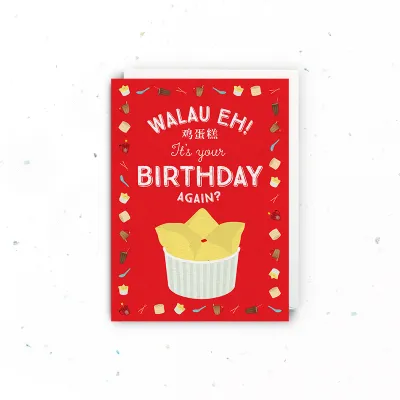
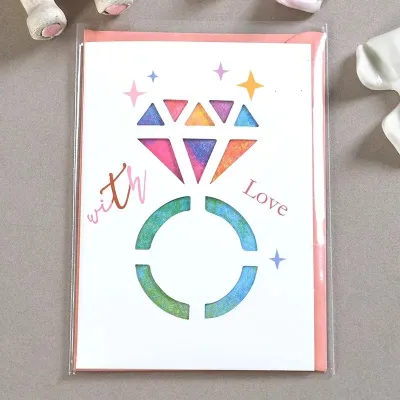
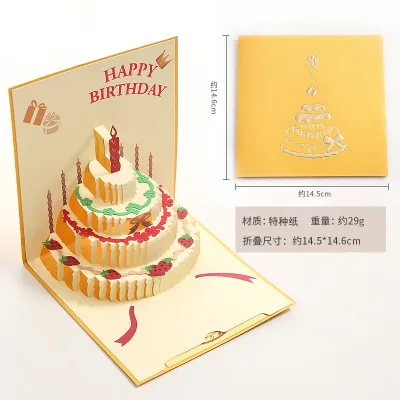
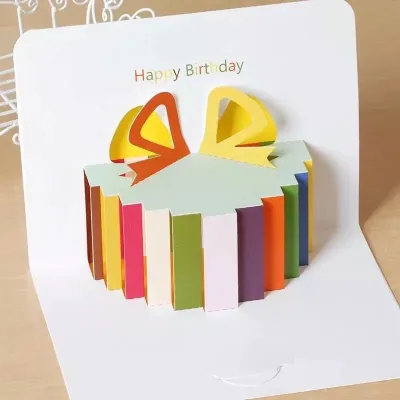
Prices are valid at publication and may change. Please refer to the product page for the latest price.
The surface texture and finish of the cardstock significantly affect both the visual appeal and the writing experience. Matte finishes offer a clean, non-reflective surface that is highly compatible with most writing instruments. Uncoated papers, such as those made from cotton rag or textured felt, provide a luxurious, tactile feel and absorb ink beautifully. Glossy finishes make colors pop and illustrations look vibrant, but they can be highly reflective and difficult to write on without smudging.
Writing performance—including smoothness, bleed resistance, drying speed, and water resistance—depends entirely on the exact combination of your writing medium and the paper’s surface treatment. For instance, if you plan to use a fountain pen or a wet gel pen, a highly coated or glossy cardstock will result in slow drying speeds, ink pooling, and severe smudging. Conversely, highly absorbent, low-density paper can cause ink to feather or bleed through to the other side. To ensure a clean message, perform a quick trial by writing a small test dot on a hidden corner of the card or the inside flap of the envelope before writing your full message.
Print quality and embellishments are also key indicators of a brand’s craftsmanship. Premium brands often utilize specialized printing techniques such as letterpress, foil stamping, or thermography. Letterpress printing presses the design into the paper, creating a beautiful debossed texture you can feel. Foil stamping adds metallic accents (such as gold, silver, or rose gold) that catch the light elegantly. Look for sharp, crisp lines and vibrant, consistent ink coverage without any pixelation or color bleeding.
Finally, do not overlook the quality of the accompanying envelope. A premium card brand always pairs its cards with equally high-quality envelopes, typically made from paper weighing 100 gsm to 120 gsm. Look for details like a contrasting inner lining, a elegant flap shape (such as a deep V-flap), and a reliable sealing method. A thick, well-constructed envelope protects the card during transit and enhances the overall presentation before the recipient even opens it.
Matching Card Styles to Different Relationships
Selecting the right happy birthday card requires aligning the card’s aesthetic and tone with your relationship with the recipient. A card that is perfect for a close friend might feel inappropriate for a corporate supervisor, while a highly formal card might seem cold to a family member. By categorizing card styles based on relationship dynamics, you can streamline your search and find a design that resonates.

Before browsing, consider the recipient’s personal taste, their appreciation for humor versus sentimentality, and the level of formality you wish to maintain. This thoughtful approach ensures your card is received with genuine appreciation rather than polite indifference.
Parents and Close Family: Elegant and Sentimental Designs
For parents, grandparents, and close family members, look for cards that emphasize keepsake quality and emotional resonance. Family members often save birthday cards as mementos of milestones, meaning durability and timeless design are paramount. Seek out brands that specialize in traditional elegance, archival-quality paper, and sophisticated embellishments.
Cards featuring intricate foil stamping, delicate floral illustrations, or multi-layered paper engineering (such as laser-cut details) are excellent choices for family. These elements convey a sense of luxury and effort, showing the recipient that they are deeply valued. If the card includes pre-printed sentiments, ensure the tone is warm, respectful, and sincere, leaving ample blank space nearby for you to add your own personal reflections.
Archival properties are particularly important for family keepsakes. Look for acid-free paper, which resists yellowing and degradation over decades. Brands that use heavy, textured cotton paper or handmade elements add a unique, personal touch that feels less like a commercial product and more like a carefully chosen gift.
Friends: Playful, Quirky, and Personalized Options
When choosing a card for a friend, prioritize brands that offer playful illustrations, contemporary humor, and interactive elements. This category allows for the greatest creative freedom, enabling you to match the card to shared inside jokes, mutual hobbies, or a specific sense of humor. Look for independent design studios and boutique brands that focus on modern, artistic, and lighthearted concepts.
Interactive cards—such as those featuring 3D pop-up structures, scratch-off messages, or sliding panels—are highly popular for friends. These designs turn the simple act of opening a card into an engaging experience. Vibrant color palettes, bold typography, and quirky hand-drawn illustrations help these cards stand out on a display shelf.
Ensure the interior of the card is completely blank or has minimal text. This design choice gives you the freedom to write a long, personalized message, recount a favorite memory, or write a humorous note. The paper should be highly compatible with standard gel pens or colorful fineliners, allowing you to customize the interior with vibrant colors without worrying about ink bleeding through the page.
Colleagues and Professional Contacts: Premium and Understated
For workplace contacts, clients, or supervisors, the ideal card strikes a balance between professional respect and warm celebration. Avoid overly intimate, sentimental, or highly humorous cards, as these can easily be misinterpreted in a professional setting. Instead, opt for sophisticated stationery makers that focus on minimalist, clean, and understated designs.
Look for cards featuring geometric patterns, simple botanical prints, or elegant typography on high-quality, heavy cardstock. A simple “Happy Birthday” or “Wishing you a wonderful year ahead” in a refined foil-stamped font is highly appropriate. Neutral color palettes, such as navy, forest green, cream, or slate gray, convey professionalism and taste.
Because professional cards are often signed by multiple team members, look for designs that offer a spacious, clean interior layout. A matte, uncoated interior is essential here, as it allows various people to sign using different pens (ballpoint, gel, or rollerball) without the risk of smudging as the card is passed around the office. A sturdy, thick envelope completes the professional presentation.
Where to Source Quality Birthday Cards in Singapore
Singapore offers a diverse retail landscape for sourcing high-quality birthday cards, ranging from physical lifestyle boutiques to convenient online platforms. Depending on your timeline, budget, and the specific style you are looking for, you can choose from several reliable sourcing channels across the island.
For curated, premium international and local designer brands, specialty stationery boutiques and independent lifestyle stores are excellent options. These shops are often located in heritage neighborhoods like Tiong Bahru, Katong, or Holland Village, as well as premium shopping malls along Orchard Road. Visiting these boutiques allows you to physically feel the paper weight, inspect the print quality, and discover unique, small-batch designs that are not widely available in mass-market stores.
Major bookstore chains, which can be found in almost every suburban shopping mall in Singapore, offer dedicated greeting card sections. These retailers carry a wide range of established global brands known for consistent quality and diverse sentiments. Bookstores are highly convenient for finding classic, reliable designs, and they often organize their cards clearly by recipient and occasion, making your search quick and efficient.
If you are looking for accessible, everyday options or need a last-minute card, large-scale supermarkets and department stores are highly convenient. While their selection may lean toward standard glossy cards rather than artisanal letterpress, they offer reliable, budget-friendly choices that are perfect when paired with a gift. These stores are ideal for quick, convenient purchases during your regular shopping runs.
For those who prefer shopping from home, official brand websites and local e-commerce platforms offer unparalleled variety. Online shopping allows you to browse extensive catalogs, filter by style or recipient, and access exclusive designs or bulk-purchase discounts. When buying premium cards online, always factor in shipping times and look for sellers that package their cards in rigid, bend-proof mailers to prevent damage during transit.
Essential Checks Before Purchasing a Happy Birthday Card
Before finalizing your purchase, especially when buying premium cards online or preparing to mail a card, perform a few essential checks to ensure the card meets your practical needs. These quick verifications can prevent common issues like envelope mismatching, ink smudging, or unexpected postage fees.
First, verify the physical dimensions of both the card and the envelope. Standard greeting cards typically range from A6 (105mm x 148mm) to A5 (148mm x 210mm) size, or square formats like 140mm x 140mm. Ensure the card fits comfortably inside its envelope with a few millimeters of clearance on all sides. If you plan to mail the card locally via SingPost, keep in mind that square envelopes, oversized cards, or thick 3D pop-up cards often fall outside standard postage rates and may require additional stamps or hand-sorting to prevent damage.
Second, inspect the interior layout of the card. Confirm that there is adequate blank space for your intended message. If you have a long, heartfelt note to write, avoid cards with large pre-printed illustrations or text on the inside pages. Conversely, if you prefer to keep your message short and sweet, a card with a tasteful pre-printed sentiment and a smaller writing area may be more suitable.
Third, check the paper’s compatibility with your writing instrument. If you plan to write with a fountain pen, look for uncoated, high-density paper (such as cotton-blend cardstock) that resists feathering and bleed-through. If the card has a semi-glossy or highly smooth finish, plan to use a quick-drying ballpoint pen or a permanent fine-liner, and allow the ink to dry completely for several minutes before folding the card and placing it in the envelope.
Finally, if you are purchasing premium cards online, review the retailer’s return or exchange policy regarding transit damage. Because greeting cards are easily bent or creased if not packaged correctly, ensure the seller guarantees safe delivery in protective packaging, such as rigid cardboard mailers or bubble envelopes with stiff backing boards.
Frequently Asked Questions (FAQ)
Can I find eco-friendly or recycled happy birthday card options locally?
Yes, eco-friendly birthday cards are widely available in Singapore. When shopping, look for the Forest Stewardship Council (FSC) logo on the back of the card, which certifies that the paper is sourced from responsibly managed forests. Many sustainable brands also use recycled post-consumer waste paper, plantable seed paper (which can be buried in soil to grow wildflowers), and non-toxic soy-based or vegetable-based inks instead of traditional petroleum-based inks. These details are typically printed on the back of the card or listed in the product specifications online.
What is the standard size for a greeting card envelope in Singapore?
In Singapore, the most common standard envelope sizes for greeting cards are C6 (114mm x 162mm, designed for A6 cards) and C5 (162mm x 229mm, designed for A5 cards). Another common size is the DL envelope (110mm x 220mm), which fits slim, tri-folded cards. For standard local postage rates, ensure your envelope is rectangular, within these standard dimensions, and does not exceed 2mm in thickness. Bulky, square, or heavily embellished envelopes may require non-standard postage rates, so it is always best to check local postal guidelines before mailing.

Community discussion
Share your experience or ask a question. Comments are reviewed before publication.