
Selecting the ideal flat brush for acrylic and oil painting in Singapore requires a clear understanding of how different bristle materials interact with your chosen medium, how the brush is constructed to withstand local environmental conditions, and where to source authentic tools. While premium brands like Winsor & Newton, Da Vinci, Princeton, and Rosemary & Co offer exceptional product lines, the best choice is not a single universal brand. Instead, it is the brush that matches your specific painting technique, paint viscosity, and maintenance habits. By evaluating the spring, snap, and edge retention of these brushes, and understanding how Singapore’s high humidity affects their storage and longevity, you can build a reliable toolkit that elevates your artistic practice.
Matching Bristle Materials to Acrylic and Oil Mediums
Choosing the right bristle material is the most critical decision when selecting a flat brush, as the chemical and physical properties of your paint dictate how the bristles will behave. Natural hog bristle, often sourced as premium Chungking hair, is the traditional choice for oil painting. These natural hairs possess a unique structure characterized by natural curves and split ends, known as flags. These flags are highly efficient at holding a large volume of heavy-bodied oil paint and releasing it gradually across the canvas. The natural stiffness of hog hair provides the necessary resistance to push, blend, and texture thick oil paints without the bristles buckling under the weight.
However, natural hair is highly porous and organic, making it poorly suited for water-based acrylic paints. When exposed to water, natural bristles absorb moisture, causing them to swell, lose their natural spring, and become limp and floppy. Furthermore, the alkaline nature of acrylic binders can strip the natural oils from the hair over time, leading to dry, brittle bristles that break off easily. For acrylic painting, synthetic filaments are the industry standard. Typically constructed from nylon, polyester, or proprietary synthetic blends, these non-porous fibers do not absorb water, allowing them to maintain their stiffness, shape, and spring even when fully saturated with water-based media.
Products mentioned in this guide
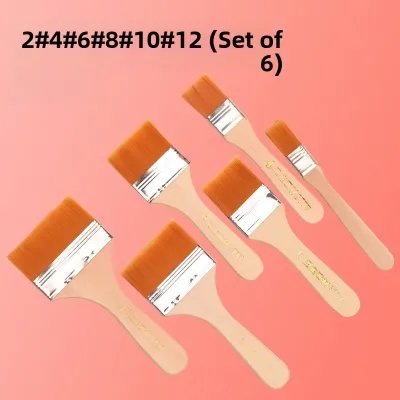
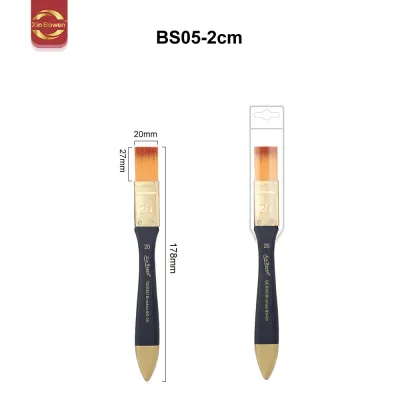
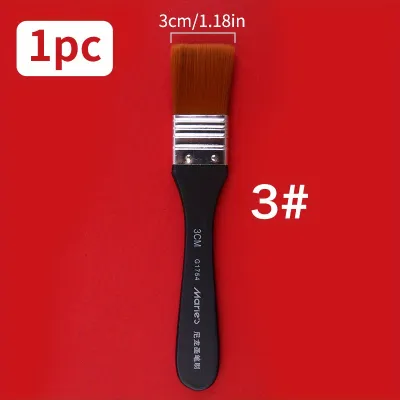
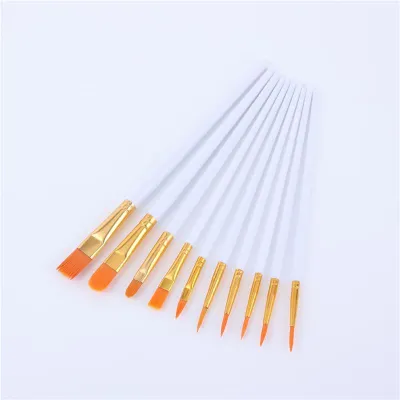
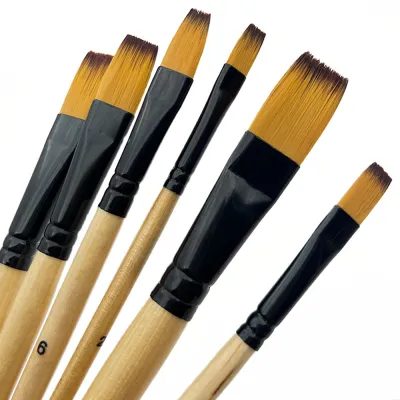
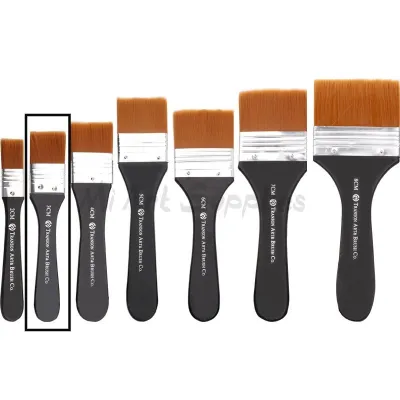
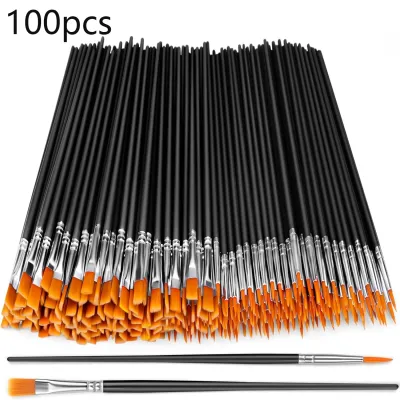
Prices are valid at publication and may change. Please refer to the product page for the latest price.
Modern synthetic engineering has advanced significantly, producing multi-diameter synthetic filaments that mimic the paint-carrying capacity of natural hair while offering superior resistance to the abrasive nature of acrylic resins. For artists who work across both mediums or practice mixed media, synthetic-natural blends are available. These blended brushes attempt to offer the best of both worlds—the spring and durability of synthetics combined with the paint-holding capacity of natural hair. However, they require meticulous cleaning and maintenance to prevent the synthetic fibers from losing their shape or the natural fibers from rotting due to trapped moisture.
Evaluating Physical Dimensions and Construction Quality
A flat brush is defined by its rectangular silhouette, created by a flat ferrule. Within this category, however, there are critical variations in geometry that alter how paint is applied. A standard flat brush features longer bristles, which hold a substantial amount of paint and allow for long, fluid, sweeping strokes, seamless blending, and laying down broad washes of color. In contrast, a short flat brush, commonly referred to as a “bright,” has bristles that are almost as short as they are wide. This shorter length provides a much stiffer response and greater resistance, making brights excellent for controlled, short strokes, heavy impasto work, and driving thick paint into the weave of the canvas.

The length of the brush handle is another crucial ergonomic factor that depends on your working environment. Long handles, typically measuring 30 centimeters or more, are designed for traditional easel painting. They allow you to stand back from your canvas, using your entire arm to paint while maintaining a holistic view of your composition. Short handles, usually around 15 to 20 centimeters, are intended for tabletop painting, detailed illustration, or working in tight spaces, where close-up control and precise wrist movement are paramount.
When evaluating construction quality, the ferrule—the metal band connecting the bristles to the handle—is the most common failure point. Look for seamless ferrules made of nickel-plated brass or copper, which resist rusting far better than cheap aluminum. The ferrule should be double- or triple-crimped to the handle, ensuring there is no wobble during use. Furthermore, the wooden handle must be completely sealed with multiple coats of lacquer. Any exposed wood can absorb moisture, causing the wood to swell and contract, which eventually cracks the lacquer and loosens the ferrule.
Criteria for Identifying Reliable Brush Brands
When searching for reliable flat brush brands in Singapore, it is easy to be overwhelmed by marketing claims of “professional quality.” To identify truly dependable brands, you must look at specific engineering standards and material transparency. Reputable manufacturers clearly state the composition of their bristles—whether they use pure Chungking hog hair, specific synthetic polymers, or proprietary blends. Brands like Winsor & Newton, Da Vinci, Princeton, and Rosemary & Co are highly regarded precisely because they offer detailed specifications for each of their product lines, allowing artists to choose the exact tool for their medium.
Another key criterion is consistency across different sizes within the same product line. A high-quality brand ensures that a Size 4 flat brush maintains the same proportional thickness, spring, and razor-sharp chisel edge as a Size 12. When testing a brush, check its “snap”—how quickly and cleanly the bristles spring back to their original flat shape after being bent. A reliable flat brush must also maintain its sharp edge when wet; if the bristles splay out or form clumps when loaded with paint, the brush will fail to deliver clean, precise lines.
Rather than relying on unverified online rankings, look for feedback from professional artists who work in your specific medium. Professional-grade brushes may require a larger initial investment—often ranging from S$15 to S$40 or more per brush—but their long-term durability, consistent paint release, and resistance to shedding make them far more cost-effective than cheap, student-grade alternatives that must be replaced frequently.
Sourcing and Inspecting Art Supplies in Singapore
In Singapore, sourcing high-quality art supplies is a mix of visiting historic retail hubs and navigating online marketplaces. Bras Basah Complex remains the premier physical destination, housing several long-standing art supply shops where you can physically inspect brushes before purchasing. When shopping in person, take the opportunity to perform a few simple quality checks. Gently tug on the bristles to ensure they are securely anchored and do not shed. Press the tip of the brush against your finger to test its springiness and see if the bristles return to a clean, flat chisel edge. Inspect the ferrule for any signs of wobbling or misalignment, and run your fingers along the handle to check for a smooth, unbroken lacquer finish.
If you prefer to shop on online marketplaces or specialized ecommerce platforms, verifying the authenticity of the product is crucial. Look for authorized distributors or official brand stores to avoid counterfeit brushes, which often use inferior adhesives and low-grade synthetic fibers that shed constantly. Always check the seller’s return policy and read customer reviews specifically focusing on packaging quality, as brushes can easily be damaged or bent during transit if not packed securely.
Singapore’s tropical climate, characterized by high relative humidity often exceeding 80 percent, presents unique challenges for art supply storage. In physical retail environments, look for shops that store their premium brushes in air-conditioned, climate-controlled spaces. Brushes left in hot, humid, unventilated display racks can suffer from wood expansion, which weakens the glue inside the ferrule before you even bring the brush home.
Cleaning and Storage Routines for Longevity
Proper maintenance is the single most important factor in preserving the flat profile and extending the lifespan of your brushes. For acrylic painters, immediate cleaning is non-negotiable. Acrylic paint dries rapidly into a water-insoluble plastic polymer. If paint cures inside the ferrule, it forces the bristles outward, permanently destroying the brush’s sharp chisel edge. Wash your brushes immediately after use with lukewarm water and a mild brush-cleaning soap. Avoid hot water, as it can soften the adhesive holding the bristles inside the ferrule.
For oil painters, the cleaning process requires dissolving the oil binder before washing. Use an odorless mineral spirit or a specialized natural oil solvent to remove the bulk of the paint, then wash the bristles with a conditioning brush soap to restore the natural oils in hog hair or keep synthetic fibers supple. Never leave your brushes soaking face-down in a jar of solvent or water; this bends the bristles permanently and allows liquid to seep into the ferrule, dissolving the glue and rotting the wooden handle.
After washing, gently squeeze out excess water and reshape the bristles into a flat, sharp edge using your fingers. You can apply a small amount of brush preserver or a water-soluble styling gel to hold the shape while drying. Always dry your brushes flat on a clean towel or hang them bristle-down using a brush drying rack. Once completely dry, store them in a well-ventilated area. In Singapore’s humid climate, storing damp brushes in airtight plastic containers or dark drawers can lead to mold growth on natural bristles and wood rot on handles.
Frequently Asked Questions (FAQ)
Can I use the same flat brush for both acrylic and oil painting?
It is highly recommended to maintain separate, dedicated sets of brushes for acrylic and oil painting. Using the same brush for both mediums introduces significant risks of cross-contamination and material degradation. The harsh solvents required to clean oil paint can degrade synthetic filaments designed specifically for water-based acrylics, while the alkaline nature of acrylic binders can strip the natural oils from hog bristles, making them brittle and prone to snapping. Furthermore, any residual oil left on a brush will prevent water-based acrylic paint from adhering properly to the canvas, leading to cracking or peeling over time. Keeping your tools separate ensures the chemical integrity of both your brushes and your artwork.
How do I fix a splayed or bent flat brush?
Restoring a splayed flat brush depends on its bristle material. For synthetic brushes, you can use the hot water method: dip the clean bristles into hot (not boiling) water for five to ten seconds to reset the plastic memory of the synthetic fibers, then immediately reshape them into a flat chisel edge and let them cool. For natural hog bristle brushes, hot water can damage the hair; instead, wash the brush thoroughly, apply a generous amount of brush conditioner or gum arabic, and wrap the damp bristles tightly in a small piece of toilet paper or paper towel, securing it with a clip to force the bristles back into a flat shape as they dry. If a brush has lost its spring entirely or continues to shed bristles from the ferrule, its structural integrity is permanently compromised, and it should be retired.
Community discussion
Share your experience or ask a question. Comments are reviewed before publication.