
Finding the right empty paint container is the key to preserving custom color mixes and preventing expensive craft paints from drying into useless solid blocks. The ideal container depends entirely on your workflow: long-term storage requires rigid, highly airtight vessels like glass dropper bottles or heavy-duty plastic jars, while active mixing sessions benefit from flexible silicone cups and multi-well palette boxes. By matching the chemical properties of your paint medium to the correct container material, you can avoid leaks, chemical degradation, and wasted supplies.
Using the wrong container can lead to premature curing, evaporation, or even chemical reactions that ruin both the paint and the vessel. Whether you are saving leftover acrylics from a weekend project, mixing custom watercolor washes, or storing volatile alcohol inks, understanding the physical and chemical requirements of your medium is essential. This guide outlines the critical specifications to look for, evaluates the best container types for storage and mixing, and provides a practical framework for purchasing these tools online.
Key Specifications to Check Before Buying Empty Paint Containers
Before purchasing any empty paint containers, you must evaluate how their material properties interact with your specific art supplies. The first and most critical dimension is material compatibility. Paints consist of pigments suspended in a binder, which can be water-based, oil-based, or solvent-based. Glass is universally inert and compatible with almost all mediums, whereas plastics and silicone require closer inspection. Some solvents or chemical binders can soften, warp, or dissolve certain plastics over time, leading to contamination and leaks.
Products mentioned in this guide
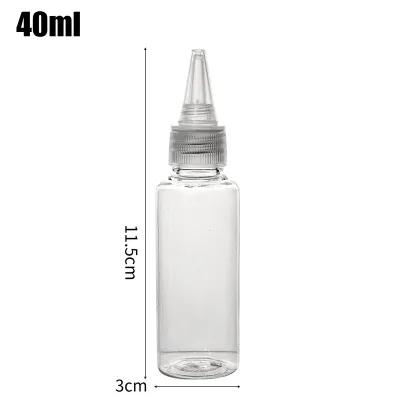
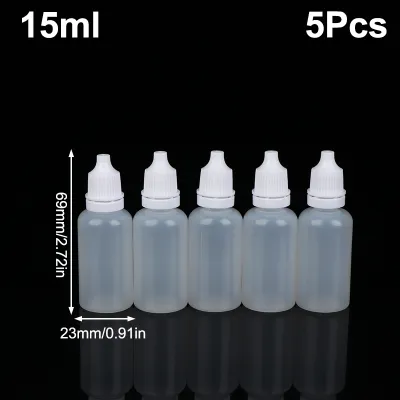
Prices are valid at publication and may change. Please refer to the product page for the latest price.
Airtight sealing mechanisms are the second critical factor to consider. When paint is exposed to air, the solvent or water evaporates, causing the paint to skin over and eventually cure. In tropical climates with high relative humidity, water-based paints can also become breeding grounds for mold if they are not sealed in clean, airtight environments. Look for containers that feature threaded lids, silicone gaskets, or compression-fit inner liners. A simple snap-on lid without a gasket is rarely sufficient for long-term preservation, though it may suffice for temporary storage during a single painting session.
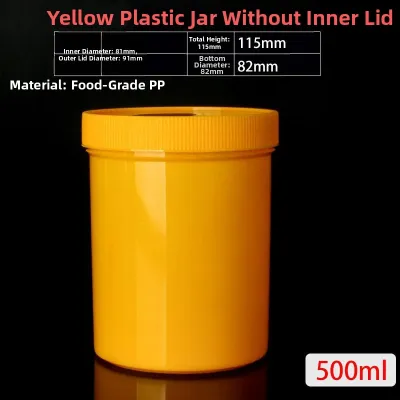
Capacity, dimensions, and form factor must also align with your application. Wide-mouth jars are excellent for heavy-body paints, gesso, or texture pastes because they allow you to dip brushes, palette knives, or spatulas directly into the container. Conversely, narrow-neck bottles are better suited for fluid acrylics, inks, and thin washes, as they allow for controlled pouring or drop-by-drop dispensing. Consider how you plan to extract the paint before choosing a bottle shape.
Finally, prioritize ease of cleaning, reusability, and visibility. Transparent or highly translucent containers allow you to identify colors instantly without opening the lid, which minimizes air exposure and saves time during a busy project. If you plan to reuse your containers, look for materials that resist staining and can withstand repeated washing. Smooth interior walls without deep crevices or sharp corners will prevent dried paint from becoming permanently trapped.
Best Container Types for Long-Term Paint Storage
For preserving leftover paints or storing large batches of custom-mixed colors, durability and leak prevention are paramount. Long-term storage containers must act as a complete barrier against air exchange and moisture loss. Transparent materials are highly recommended here, as they allow you to monitor the paint level and check for any separation or mold growth without breaking the airtight seal.

When evaluating storage containers, pay close attention to the cap design. Threaded caps with integrated liners—such as foam or plastisol liners—provide a superior seal compared to basic plastic-on-plastic threads. These liners compress slightly when the cap is tightened, filling any microscopic gaps in the threads and preventing air from seeping in. Always check the manufacturer’s specifications to ensure the liner material is chemically resistant to the specific binders or solvents in your paint.
Glass Jars and Dropper Bottles
Glass is the gold standard for chemical inertness, making it the safest choice for storing highly volatile or solvent-based paints, varnishes, and alcohol inks. Unlike plastic, glass will not degrade, warp, or absorb pigments and odors over time. Glass dropper bottles are particularly useful for fluid mediums, allowing you to dispense precise amounts of paint or ink directly onto your palette without exposing the remaining contents to excess air.
However, glass has distinct trade-offs in terms of weight and breakability. If you work in a shared studio space, travel frequently to workshops, or paint outdoors, the risk of dropping and shattering a glass container is a serious consideration. Additionally, when using glass dropper bottles, you must verify that the dropper bulb and tip materials are compatible with your paint. Standard rubber bulbs can degrade rapidly when exposed to the fumes of solvent-based paints or strong cleaning agents, so look for chemical-resistant synthetic rubber or silicone bulbs if you plan to store non-water-based mediums.
Airtight Plastic Squeeze Bottles
Plastic squeeze bottles offer a lightweight, shatterproof alternative to glass, making them ideal for mobile art kits and busy classrooms. To ensure these containers can safely hold your paints, you must check the Resin Identification Code molded into the bottom of the bottle. High-Density Polyethylene (HDPE, code 2) and Polypropylene (PP, code 5) are highly durable plastics with excellent chemical resistance, making them suitable for most water-based craft paints and even some mild solvents.
Avoid using standard Polyethylene Terephthalate (PET, code 1) or polystyrene containers for long-term storage of solvent-based paints, as these plastics can become brittle or dissolve when exposed to harsh chemicals. Before committing to a large batch of plastic squeeze bottles, test their squeeze resistance and cap threading. The plastic should be flexible enough to compress easily with one hand but rigid enough to spring back into shape without creasing. Ensure the nozzle cap screws on securely and features a tight-fitting tip cover to prevent the paint in the nozzle from drying out and clogging the opening.
Ideal Containers for Mixing and Palette Use
Mixing custom colors requires a different set of container characteristics than long-term storage. When blending paints, you need shallow, wide-access vessels that allow you to stir ingredients thoroughly and access the mixture easily with brushes of various sizes. Flexibility and non-stick properties are highly valued in mixing containers, as they simplify the cleanup process once your project is complete.
For temporary holding during active painting sessions, lidded designs are essential for keeping your custom mixes moist. Without a lid, thin washes and acrylics can dry out within minutes, especially in air-conditioned rooms where the humidity is low. While rigid, non-porous surfaces like glass or glazed ceramic are excellent for mixing oil paints and watercolors, flexible materials are often preferred for acrylics due to their unique curing properties.
Silicone Mixing Cups and Palettes
Silicone has become incredibly popular in the crafting community due to its remarkable non-stick properties. When water-based acrylics or heavy-body paints dry inside a silicone cup, they do not adhere to the surface. Once the paint is fully cured, you can simply flex the cup and peel the dried paint layer right out, leaving the container clean without the need for water or scrubbing. This makes silicone an environmentally friendly option that prevents paint solids from entering your household plumbing.
When shopping for silicone mixing cups, look for food-grade or high-quality craft-grade labels to ensure the material is pure and free from cheap fillers that can degrade over time. Check the structural stability of the cups; they should have a reinforced rim or a sufficiently thick base to prevent them from collapsing or spilling when filled with heavy mediums or when you are vigorously stirring paint. Keep in mind that silicone can retain strong odors and may stain slightly when exposed to highly concentrated pigments, though this does not affect its performance.
Lidded Plastic Palette Boxes and Wells
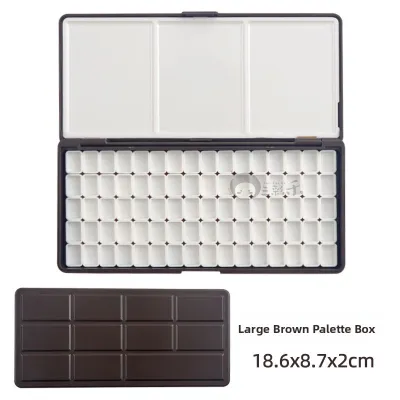
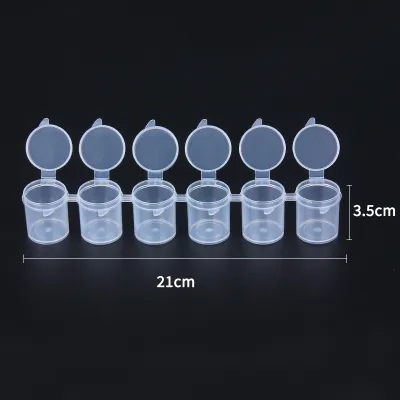
Lidded plastic palette boxes are designed to extend the working time of your mixed paints over several days or even weeks. These containers typically feature multiple individual compartments or wells, allowing you to organize a complete color palette in a single compact unit. The airtight lids prevent air circulation, keeping the paint moist between painting sessions and reducing waste.
Before purchasing a palette box, inspect the hinge and latch design. Flimsy plastic hinges can wear out and snap after repeated use, compromising the airtight seal. Look for robust latches that snap securely into place and silicone gaskets lining the lid to ensure a tight seal. Additionally, check the depth and width of the individual wells; they must be spacious enough to accommodate your preferred brush sizes without forcing you to cram the bristles into tight corners, which can damage the brush shape.
How to Match Containers to Your Specific Craft Paints
To avoid messy accidents and ruined supplies, you must match the physical design and material of your empty containers to the specific chemical properties of your paint medium. Different paints cure and react in vastly different ways, requiring tailored storage solutions.
- Acrylic Paints: Acrylics are water-based but cure into a permanent, water-resistant plastic polymer. To prevent this curing process during storage, you must use containers with absolute airtight seals. Because dried acrylic paint adheres strongly to rigid plastics, choosing flexible silicone mixing cups or containers made of smooth, high-density plastics (like HDPE) will make cleaning much easier. Check the durability of plastic hinges on acrylic storage pots, as dried paint can accumulate in the joints and cause them to break.
- Watercolors: Watercolors are highly stable and can be easily rehydrated with water even after they have dried completely. Consequently, airtightness is less critical for watercolor storage than it is for acrylics, though a secure lid is still necessary to keep out dust and pet hair. Prioritize non-porous, smooth surfaces like glazed ceramic or high-quality plastic wells. Avoid cheap, textured plastics that can stain permanently or trap fine pigments in microscopic crevices, making it difficult to rinse the container clean.
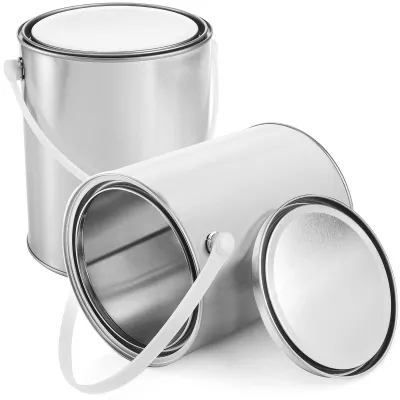
- Oil Paints and Solvents: Oil paints dry through oxidation rather than evaporation, and they are typically thinned with solvents like mineral spirits or turpentine. These solvents will dissolve or warp many common plastics. For oil paints and their associated mediums, you must use chemically resistant materials. Glass jars with metal lids or specialized metal containers are the safest options. Always consult the paint manufacturer's Safety Data Sheet (SDS) or product label for specific storage warnings and material compatibility guidelines.
- Alcohol Inks: Alcohol inks are highly volatile and evaporate extremely rapidly when exposed to air. They also contain alcohol-based solvents that can degrade standard plastic containers and adhesive seals. For long-term storage of alcohol inks, use glass bottles equipped with secure, non-corrosive caps, such as those with phenolic liners. Avoid containers with cheap foam liners or rubber seals that can soften and degrade, and check user reviews specifically for any mentions of seal degradation over time.
How to Evaluate and Buy Empty Paint Containers Online
Shopping for empty paint containers on e-commerce platforms and online marketplaces requires a careful, analytical approach. Because you cannot physically handle the products to test their flexibility or seal tightness, you must rely on detailed product descriptions, specifications, and user feedback to make an informed decision.
Start by analyzing user reviews critically. Rather than simply looking at the overall star rating, search the reviews for specific keywords such as “leak,” “dried out,” “solvent,” or “cap.” Pay close attention to feedback from other artists or crafters who have used the containers for the same type of paint you plan to use. If multiple reviews mention that the lids crack easily, the threads strip, or the paint dried out within a week, it is a strong indication that the container’s sealing mechanism is inadequate.
Next, verify the exact dimensions and capacity of the containers. Online listing titles can sometimes be misleading or use generic terms like “small” or “large.” Always look for the precise volume listed in milliliters (ml) or fluid ounces (oz) in the product specifications. Compare these measurements against your existing paint bottles to ensure the containers will fit your storage shelves, drawer organizers, or travel kits. If you are buying stackable containers, check if they feature recessed lids that allow them to sit securely on top of one another to save space in compact home studios.
Consider the availability of replacement parts. High-quality glass dropper bottles or plastic palette boxes can last for years, but their seals, dropper bulbs, or lids may eventually wear out or degrade. Choosing products from sellers or manufacturers that offer replacement silicone gaskets, extra caps, or dropper inserts can save you money and reduce waste in the long run.
Finally, compare bulk packs against individual units based on your project scale and budget. Purchasing a bulk pack of 12 to 24 plastic squeeze bottles or glass jars online often offers a significantly lower cost per unit than buying them individually. For example, a bulk set of empty paint pots might cost around S$10 to S$15, whereas buying just two or three individual premium jars could cost nearly the same. However, only opt for bulk purchases if you have the physical storage space in your crafting area to keep the unused containers organized and dust-free.
Frequently Asked Questions (FAQ)
Can I reuse food jars for storing craft paints?
Yes, you can reuse household food jars for storing craft paints, provided you prepare them correctly. Glass food jars are chemically inert and highly durable, making them excellent for water-based paints, acrylics, and even some solvent-based mediums. However, you must thoroughly clean and sterilize the jar to remove all food residue, oils, and odors, which could otherwise introduce bacteria and lead to mold growth in your paint.
Additionally, you must carefully inspect the lid. Many metal food jar lids have a plastisol liner that can degrade over time, and the metal itself can rust when exposed to the water content in acrylics or watercolors. Ensure the lid provides a completely airtight seal by filling the jar with water, sealing it, and holding it upside down to check for leaks. If the lid is rusted, dented, or fails to seal tightly, do not use it for paint storage.
How do I clean dried acrylic paint out of a mixing container?
Cleaning dried acrylic paint depends on the material of your mixing container. If you are using a flexible silicone cup or palette, simply flex the material and peel the cured paint layer away from the surface. For rigid plastic or glass containers, soak the vessel in warm, soapy water for 15 to 30 minutes to soften the acrylic binder. Once softened, use a plastic scraper, an old credit card, or a non-scratch scrub sponge to gently lift the paint without scratching the container’s surface.
Avoid using harsh chemical solvents like acetone or rubbing alcohol unless you have verified that your container material is explicitly solvent-resistant. Acetone can melt or cloud many common plastics, permanently damaging your mixing wells. If you must use a solvent to remove stubborn paint stains from glass, ensure you work in a well-ventilated area and wear appropriate protective gloves.
Community discussion
Share your experience or ask a question. Comments are reviewed before publication.