
Preparing for critical presentations, university modules, or major national examinations like the GCE O-Levels and A-Levels in Singapore requires highly structured study habits. The tools you select to support your learning can directly impact your academic performance. Finding the right cue cards and flashcards is more than just grabbing the most convenient pack of paper from a shelf; the correct stationery keeps your thoughts organized, survives weeks of intensive active recall, and prevents ink from bleeding through to the other side. To make an informed choice, you must understand the physical differences between presentation aids and memorization tools, evaluate key paper specifications, and identify the premium stationery brands available across Singapore’s retail and online spaces.
Cue Cards vs. Flashcards: Which Do You Actually Need?
While many students use the terms interchangeably, cue cards and flashcards serve two entirely different cognitive and practical purposes. Choosing the wrong format for your task can introduce unnecessary friction into your study routine or cause public speaking mishaps during crucial project presentations.
Cue cards are designed primarily as presentation aids. They are typically larger, with standard sizes ranging from A5 (148mm x 210mm) to A6 (105mm x 148mm) or 4×6 inches. Their primary purpose is to hold structured talking points, speech outlines, or presentation prompts that must be easily legible from a distance of a few feet. Because they are held in one hand or placed on a podium during a speech, they require a stiff, heavy-weight cardstock that does not flop, bend, or shake under its own weight.
Products mentioned in this guide
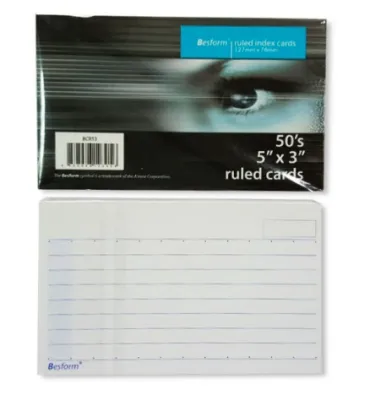
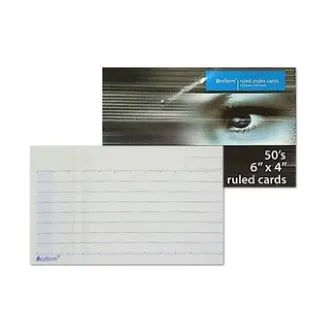
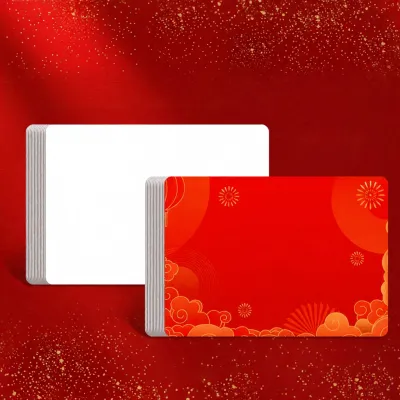
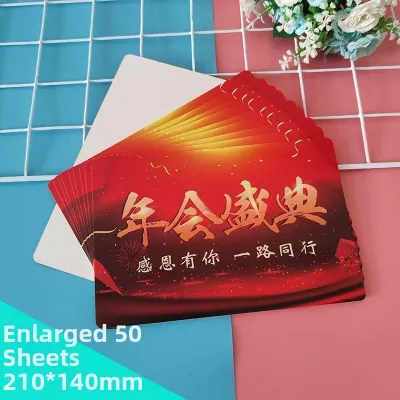
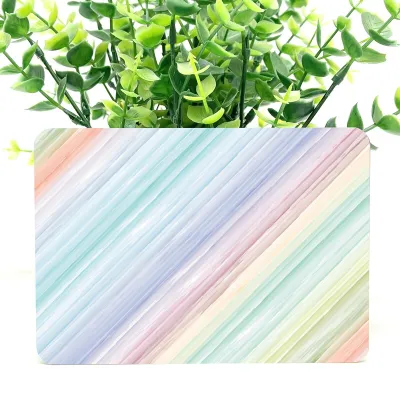
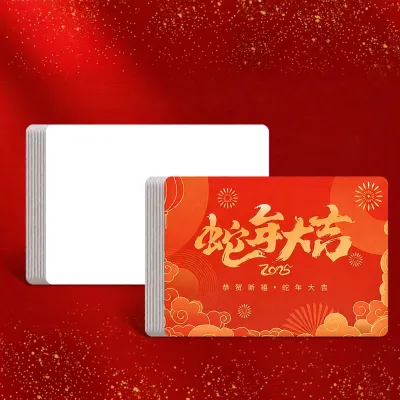
Prices are valid at publication and may change. Please refer to the product page for the latest price.
Flashcards, on the other hand, are dedicated tools for active recall and spaced repetition. They are much smaller, usually around A7 size (74mm x 105mm), 3×5 inches, or even smaller “word card” strips bound by a metal ring. Flashcards are designed to display a single prompt, question, or term on the front, with a concise answer, formula, or definition on the back. Their compact size makes them highly portable, allowing you to flip through them rapidly with one hand during a commute on the MRT or while waiting in line.
Attempting to use a tiny flashcard for a classroom presentation often leads to awkward squinting, lost places, and a break in eye contact with your audience. Conversely, trying to run active recall sessions with large, floppy A5 cue cards is physically cumbersome and slows down the rapid-fire cognitive processing that makes flashcards so effective. Matching the card format to your specific task is the first step toward efficient study and confident delivery.
What Makes a High-Quality Study Card? Key Features to Check
Before committing to a specific brand or purchasing in bulk, you must evaluate the physical attributes of the cards. Premium stationery brands distinguish themselves through engineering choices that directly affect writing comfort, legibility, and long-term durability.

Paper Weight and Opacity
The thickness of paper is measured in GSM (Grams per Square Meter). Standard notebook paper is usually between 70 and 80 GSM, which is highly prone to ink bleed-through and ghosting. For study cards, you should look for a minimum weight of 150 GSM, though 200 to 300 GSM is ideal for double-sided writing. High-opacity paper ensures that when you write a question on the front of a flashcard, the answer on the back remains completely hidden until you flip it over, preserving the integrity of your active recall session.
Ruling and Layout
The layout of the card should match your handwriting style and the subject matter:
- Ruled (Lined): Ideal for text-heavy notes, definitions, and speech outlines. Look for pale grey or light blue lines, which are less distracting than harsh black lines.
- Grid (Graph): Perfect for mathematics, physics, and chemistry. The grid lines help you align formulas, draw molecular structures, or sketch graphs accurately.
- Blank (Unruled): Best for mind maps, anatomical diagrams, flowcharts, or visual sketches. Blank cards offer complete creative freedom but require more hand control to keep text straight.
Durability and Edge Finishing
Repeatedly flipping through cards causes wear and tear. Premium cards often feature rounded corners, which are much less likely to dog-ear, fray, or peel compared to sharp, square-cut corners. Some brands also apply a light surface sizing or coating to the paper, which increases resistance to finger oils and moisture, ensuring your study decks survive an entire academic year.
Binding Mechanisms
How your cards are held together determines how easily you can organize and access them:
- Loose-Leaf: Offers maximum flexibility. You can shuffle the cards, reorder them, or lay them completely flat on a desk. However, they are easy to lose if not kept in a dedicated box or holder.
- Spiral-Bound: Cards are bound by a plastic or metal wire at the top or side. This keeps your deck perfectly intact and allows you to flip pages 360 degrees. It is excellent for presentation cue cards but less ideal for flashcards where you need to constantly change the card order.
- Pre-Punched with Rings: Individual loose cards with a single hole punched in the corner, held together by a removable metal binder ring. This hybrid style combines the security of binding with the flexibility of loose-leaf cards, allowing you to add, remove, or shuffle cards at will.
How to Choose the Best Cue Cards for Speeches and Presentations
When standing in front of an audience, a panel of examiners, or a lecture hall, your cue cards should act as a seamless extension of your delivery. The physical design of your cards can prevent common presentation errors, such as losing your place or rustling papers nervously.
Ideal Dimensions
For public speaking, size A6 or 4×6 inches strikes the perfect balance. It is large enough to write legible, high-contrast text but small enough to fit comfortably in the palm of a single hand. If you have larger handwriting or need to include detailed data tables, A5 cards are acceptable, but they should only be used if you have a podium or desk to rest them on, as they can look overly conspicuous when held in mid-air.
Brand Characteristics to Look For
Premium brands like Clairefontaine, Rhodia, and Exacompta offer cards made from heavy-weight cardstock (often 200 GSM or higher) that maintains its structural integrity. When held up, these cards remain perfectly flat and rigid, preventing them from flapping or bending if your hand shakes slightly due to nerves. Look for brands that offer satin-smooth finishes, which reduce friction against your skin and allow you to slide one card behind another cleanly.
Flipping and Binding
Top-bound spiral cue cards are highly recommended for presentations. The top coil allows you to flip each completed card over the back of the deck in a single, silent motion. This eliminates the distracting rustling sound of loose papers and ensures you never drop a card or mix up the sequence of your speech mid-presentation.
Usage Tips
To maximize the effectiveness of your cue cards, limit each card to a single main idea or section of your speech. Use a thick, black or dark blue gel pen with a medium tip (0.7mm or wider) to write your points, and leave at least 30% of the card as white space. Use bright highlighters or red ink only for critical transition cues, time markers, or delivery reminders (such as “PAUSE” or “BREATHE”).
How to Choose the Best Flashcards for Active Recall and Memorization
Flashcards are high-frequency tools. Because you will handle them repeatedly during intense study sessions, their design must support rapid flipping, easy categorization, and long-term organization.
Ideal Dimensions and Portability
The standard 3×5 inch card or A7 size is the gold standard for flashcards. These compact dimensions fit easily into the front pocket of a school bag, allowing you to utilize micro-pockets of time during your daily commute on the MRT or bus. For highly concise information, such as vocabulary words or mathematical formulas, mini flashcards (approximately 2×3 inches) are even more portable and prevent you from writing too much information on a single card.
Brand Characteristics to Look For
High-quality Japanese brands like Kokuyo (especially their “Word Cards” series) and Kyokuto specialize in highly functional flashcards. Look for sets that feature pre-punched holes and come with sturdy, rust-resistant steel binder rings. This allows you to carry a specific sub-topic deck with you without worrying about cards scattering. Additionally, look for brands that offer color-coded borders or pastel-colored cardstock. Assigning specific colors to different subjects (e.g., blue for Biology, green for Chemistry, yellow for Physics) helps your brain categorize information and keeps your physical study space organized.
Storage and Organization
As your exam preparation progresses, you will accumulate hundreds of flashcards. To prevent them from becoming a cluttered mess, invest in systematic storage solutions. Some brands sell dedicated index card boxes with alphabetical or tabbed dividers, which are excellent for implementing the Leitner system—a highly effective spaced repetition method where cards are moved to different compartments based on how well you recall the information. Alternatively, small expandable accordion files or zippered mesh pouches work well for transporting multiple decks safely.
Specialty Options
Depending on your field of study, standard ruled cards may not be sufficient. If you are studying engineering, mathematics, or economics, look for grid-patterned flashcards that allow you to draw precise graphs and equations. For medical students learning anatomy, or arts students memorizing visual designs, completely blank, heavy-weight cards are essential for sketching clear diagrams without distracting lines running through them.
Where to Buy Premium Study Cards in Singapore
Singapore offers an excellent retail landscape for stationery enthusiasts, ranging from massive bookstore chains to curated boutique shops importing premium Japanese and European paper products.
Major Retailers
For standard, reliable study cards, Popular Bookstore is the most accessible option in Singapore, with branches in almost every major heartland mall. Here, you can find everyday brands and basic index cards in bulk, allowing you to physically feel the paper weight before buying. NBC Stationery & Gifts, often located within major shopping centers, offers a slightly more curated selection, bridging the gap between basic school supplies and premium imported stationery.
Specialty and Independent Stores
If you are looking for exceptional paper quality, precise ruling, and unique binding styles, visit specialty Japanese retailers. MUJI is famous for its minimalist, high-quality paper products, including compact, ring-bound word cards and simple, clean index cards at reasonable prices. For a wider variety of premium Japanese brands like Kokuyo, Kyokuto, and Lihit Lab, visit Hands (formerly Tokyu Hands) or Books Kinokuniya. These stores stock imported stationery that features ultra-smooth, bleed-resistant paper specifically engineered for gel pens and fountain pens.
Online Shopping
For bulk purchases or specialized sizes that may not always be in stock on physical shelves, online shopping via official brand storefronts on local ecommerce platforms is highly convenient. When purchasing online, you can easily compare prices in SGD (typically ranging from S$2 to S$10 per pack depending on the brand and quantity) and access a wider variety of rulings and pack sizes.
Purchasing Tips
When shopping online, visual thumbnails can be highly misleading, often making small A7 flashcards look identical to large A5 cue cards. Always read the product descriptions carefully. Verify the exact dimensions in millimeters or inches, check the paper weight (look for 150+ GSM to ensure durability), and confirm the sheet count per pack to ensure you are getting good value for your money.
Frequently Asked Questions (FAQ)
Can I use standard index cards as both cue cards and flashcards?
Yes, standard index cards can serve as a budget-friendly, hybrid option for both tasks, but they come with trade-offs. Standard index cards (usually 3×5 inches) are slightly too small for comfortable reading during a formal presentation, forcing you to hold them closer to your face and potentially disrupting your eye contact. Conversely, they can feel slightly bulky for rapid, one-handed active recall sessions on a crowded MRT. If you choose to use standard index cards as a hybrid, select a heavier cardstock (around 180-200 GSM) with clean, rounded edges so they remain rigid enough for presentations while surviving the wear and tear of daily study.
How do I prevent ink from bleeding through my flashcards?
To prevent ink from bleeding through and ruining the double-sided usability of your flashcards, you should match your writing instruments to your card specifications. First, prioritize cards labeled with a paper weight of 150 GSM or higher. Second, opt for quick-drying gel pens with fine tips (0.5mm or smaller) or standard ballpoint pens, which deposit less wet ink onto the paper compared to broad-tip pens or fountain pens. If you prefer using highlighters, choose mild, water-based pastel highlighters rather than heavy, liquid-ink variants. Before writing out an entire deck, always perform a quick trial on a single card: write a few words, highlight them, and inspect the reverse side for any signs of ghosting or bleed-through.
Are digital flashcard apps a better alternative to physical cards?
Neither medium is universally superior; the best choice depends on your learning style and the subject matter. Digital flashcard apps offer incredible convenience, automated spaced repetition algorithms, and the ability to carry thousands of cards on a single smartphone. However, physical cards provide tactile feedback and spatial memory cues—such as physically organizing cards into piles or writing by hand—which has been shown to improve cognitive retention and focus. Physical cards also eliminate the risk of digital distractions and screen fatigue during long study sessions. Many successful students use a hybrid approach: digital apps for quick vocabulary review during commutes, and physical cards for complex diagrams, formulas, and mock presentation practice.
Community discussion
Share your experience or ask a question. Comments are reviewed before publication.