
Selecting the perfect blue ribbon for gift wrapping in Singapore involves balancing aesthetic appeal with practical performance. Whether you are preparing an elegant corporate gift, a wedding favor, or a birthday surprise, the choice of ribbon material, width, and colorfastness directly impacts the presentation’s final look. In Singapore’s warm and humid climate, choosing a ribbon that resists moisture, holds its shape, and does not bleed dye onto your wrapping paper is essential for achieving a flawless, professional finish.
To make an informed decision, you must evaluate how different ribbon textures interact with your wrapping paper and gift boxes. A heavy, structured box demands a ribbon with enough body and grip to stay secure, while a delicate, lightweight parcel pairs best with a soft, airy tie. By understanding the physical properties of various ribbon types and applying simple verification steps, you can ensure your gift wrapping looks pristine from the moment it is tied until it is opened.
Blue is a highly versatile color for gift presentation, offering shades that range from serene pastel sky blue to deep, authoritative navy. Each shade and material combination communicates a different mood and suits specific occasions. For instance, a rich royal blue satin ribbon exudes luxury and tradition, making it ideal for festive holidays or formal celebrations, while a dusty blue grosgrain ribbon offers a modern, understated elegance perfect for contemporary craft wrapping.
Products mentioned in this guide
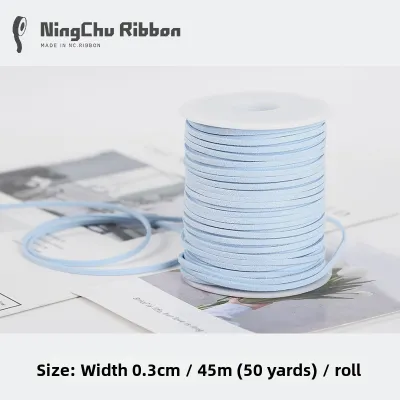
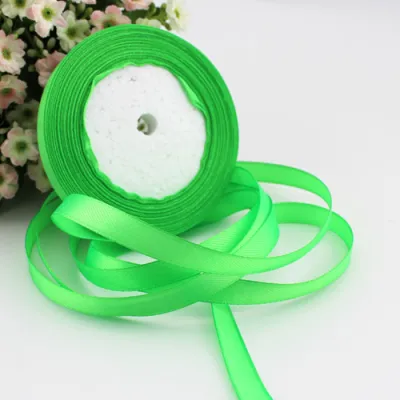
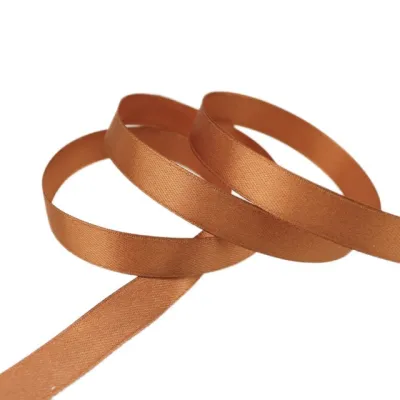
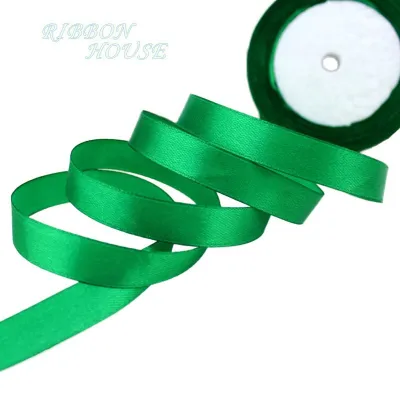
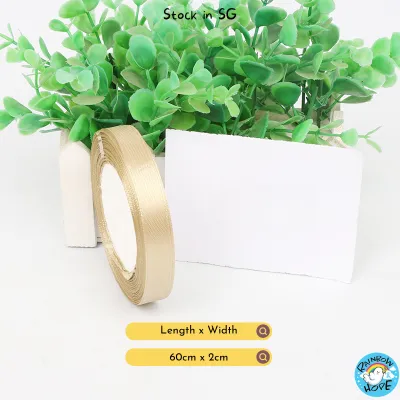
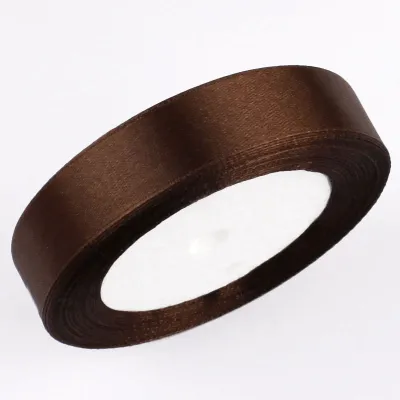
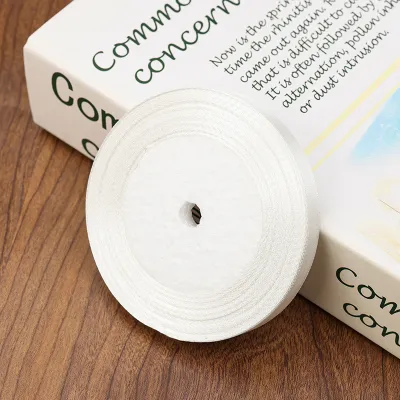
Prices are valid at publication and may change. Please refer to the product page for the latest price.
Understanding Blue Ribbon Materials for Gift Wrapping
Satin ribbon is one of the most popular choices for gift wrapping due to its high sheen and silky, smooth texture. It is available in both single-sided and double-sided varieties. Double-sided satin is highly recommended for gift wrapping because it features a lustrous finish on both sides, ensuring that your loops and tails look polished regardless of how the ribbon twists during tying. However, because satin is exceptionally smooth, it has low friction, meaning knots can slip easily if they are not tied tightly. It is best suited for lightweight to medium-sized gifts, such as jewelry boxes, cosmetics, and luxury perfume packaging.
Grosgrain ribbon offers a stark contrast to satin with its distinctive ribbed texture and matte finish. Woven with heavy weft threads, grosgrain is highly durable and possesses excellent stiffness, which allows it to hold crisp, structured bows that do not sag. The ridges in the fabric create natural friction, giving grosgrain superior knot-holding capability. This makes it the ideal choice for wrapping heavier gift boxes, book parcels, and corporate hampers where security and structural integrity are paramount. Its textured look also pairs beautifully with matte wrapping papers, such as brown kraft paper, for a rustic yet refined aesthetic.
Organza ribbon is a sheer, lightweight fabric made from tightly twisted fibers, giving it a delicate shimmer and a springy, semi-stiff drape. Because it is translucent, organza allows the color and pattern of the underlying wrapping paper to show through, creating a soft, layered effect. While it does not have the heavy grip of grosgrain, its lightweight nature makes it incredibly easy to tie into voluminous, multi-looped bows without adding bulk. Organza is highly suited for delicate gifts, bridal shower favors, and floral arrangements, and it can also be layered over a wider, solid-colored ribbon to add depth and dimension.
Velvet ribbon provides a rich, tactile experience with its dense, plush pile and deep color absorption. A deep navy or midnight blue velvet ribbon catches the light subtly, offering an opulent, luxurious feel that is unmatched by thinner fabrics. Velvet is a heavy material with high friction, meaning once a knot is tied, it remains securely in place. However, its thickness makes it bulky, so it requires a sturdy, rigid gift box to prevent the packaging from being crushed under the tension of the bow. Velvet is best reserved for premium gifts, wine bottles, and winter-themed holiday packaging.
Key Factors When Selecting a Blue Ribbon Brand
When choosing a ribbon brand, colorfastness is a critical factor to verify, particularly when using deep blue shades like indigo, royal blue, or navy. In humid environments like Singapore, moisture in the air can cause unstable dyes to bleed or transfer onto light-colored wrapping paper or white gift boxes, ruining the presentation. To prevent this, perform a simple rub test before wrapping: take a small scrap of the ribbon, moisten a white cotton cloth or paper towel with water, and rub it firmly against the ribbon’s surface. If any blue dye transfers to the white cloth, the ribbon is not colorfast and should not be paired with light-colored or highly absorbent papers.

Another essential quality indicator is the edge finishing of the ribbon. High-quality ribbon brands feature woven edges, also known as selvedge edges, which are finished during the weaving process to prevent the fabric from unraveling. Lower-quality ribbons are often cut from wide sheets of fabric and may rely on a thin layer of adhesive or a rough heat-seal to keep the edges intact. These cut edges are highly prone to fraying, especially when handled, pulled through tight knots, or cut into decorative tails. Inspect the edges closely; a smooth, woven border indicates a durable ribbon that will maintain its clean lines throughout the wrapping process.
Finally, always review the product label for material composition and environmental certifications. Most commercial ribbons are made from polyester, nylon, or cotton. Polyester is highly favored for its durability, resistance to creasing, and excellent color retention, while cotton offers a soft, matte, organic look. If sustainability is a priority for your gifting, look for brands that specify the use of recycled polyester (rPET) or organic cotton, and check for verified eco-friendly labels on the spool. Choosing biodegradable or recyclable ribbon materials helps reduce waste without compromising on the beauty of your presentation.
Matching Ribbon Width and Length to Your Gift Size
Achieving visual balance in your gift wrapping requires matching the width of your blue ribbon to the scale of your gift box. If the ribbon is too narrow, it will look lost on a large package; if it is too wide, it will overwhelm a small box. As a general guideline, use the following standard widths for different box sizes:
- Small boxes (e.g., jewelry, small electronics): Use ribbon widths between 6mm and 10mm.
- Medium boxes (e.g., books, shoe boxes, standard gift boxes): Use ribbon widths between 15mm and 25mm.
- Large boxes (e.g., apparel boxes, large hampers, appliances): Use ribbon widths between 38mm and 50mm (or wider).
To ensure you have enough ribbon to complete your wrap without wasting material, apply a basic calculation method. For a standard cross-wrap (where the ribbon goes around all four sides of the box and ties in a central bow), use the following formula:
Total Ribbon Length = (2 x Box Length) + (2 x Box Width) + (4 x Box Height) + Bow Allowance
The bow allowance depends on the ribbon’s width and the style of bow you want to tie. For a standard classic bow using a 25mm ribbon, add an extra 30cm to 40cm. For a larger, more elaborate multi-loop bow or when using wider ribbons, increase the bow allowance to 50cm or 60cm to ensure you have enough tail length to trim neatly.
Ribbon thickness also plays a significant role in your calculations and final presentation. Thicker materials, such as heavy velvet or double-faced satin, consume more length during the knotting process because the bulk of the fabric increases the diameter of the knot. When working with these heavier materials, add an extra 10% to your calculated ribbon length to accommodate the bulk. Additionally, ensure the knot is pulled tight but flat, as a bulky, loose knot can cause the bow to sag or sit crookedly on the box.
Where to Buy Quality Blue Ribbons in Singapore
When sourcing blue ribbons in Singapore, you have several retail channels to choose from, each offering distinct advantages. Local stationery stores and craft shops located in retail malls are excellent for immediate purchases. The primary benefit of buying in-store is the ability to inspect the ribbon’s color and texture in person. Because shades of blue can vary dramatically under different lighting, seeing the ribbon firsthand ensures you get the exact hue—whether it is a bright cobalt or a muted slate blue—that matches your wrapping paper.
For those purchasing in bulk or seeking unique textures, traditional textile districts and fabric markets, such as those in Chinatown or Arab Street, are highly recommended. These merchants often stock professional-grade ribbons in a vast array of widths and materials, sold either by the meter or in wholesale spools. Buying by the meter is highly cost-effective if you need a variety of different styles for a single project, while wholesale spools offer the best value for large-scale events like weddings, corporate gifting, or festive holiday wrapping.
Online marketplaces and specialty e-commerce platforms offer the widest selection of colors, patterns, and widths, often at competitive prices. However, buying online carries the risk of color discrepancy due to screen calibration differences. To mitigate this, always read customer reviews to look for real-life photos of the ribbon, check the product description for specific color names or color codes, and review the seller’s return policy. If you are planning a major event and require an exact match, it is wise to order a single test spool or request a physical color swatch from the seller before placing a large order.
Practical Tips for Tying and Storing Your Ribbons
To achieve clean, professional-looking edges on your blue ribbon, always use dedicated fabric or ribbon shears. Standard household scissors that are frequently used to cut paper, cardboard, or plastic will have dull blades that chew through fabric fibers rather than cutting them cleanly. This leads to immediate fraying at the tips. When trimming your ribbon tails, cut at a sharp 45-degree angle or fold the ribbon in half vertically and cut diagonally upward from the folded edge to create a classic chevron (V-shape) finish, which helps distribute tension and minimize thread pull.
During the wrapping process, keeping the ribbon flat and untwisted is essential for a neat appearance. As you pass the ribbon under the box, run your fingers along the length to ensure it lies completely flat against the paper. When tying the initial knot, maintain consistent tension; pulling too hard can warp or crush the gift box, while leaving it too loose will cause the bow to slide off. To keep the knot secure while you form the loops of your bow, place your index finger firmly on the center of the knot, or use a small, discreet piece of double-sided tape underneath the knot to anchor it to the box.
Proper storage is crucial for preserving the quality and color of your ribbons, especially in Singapore’s tropical climate. High humidity can cause natural fibers like cotton to sag or develop mildew, while exposure to direct sunlight will rapidly fade vibrant blue pigments. Store your ribbon spools in airtight plastic containers to protect them from dust and moisture, and place a few silica gel packets inside the container to absorb any ambient humidity. Keep the containers in a cool, dark cupboard or drawer to ensure your ribbons remain crisp, clean, and brightly colored for your next gifting occasion.
Frequently Asked Questions (FAQ)
How do I prevent blue ribbon from fraying at the edges?
To prevent ribbon edges from fraying, you can use mechanical or thermal sealing methods depending on the material. For natural fibers like cotton or linen, use pinking shears to cut a zig-zag edge, which naturally stops the threads from unraveling, or apply a very thin layer of clear fabric glue or a specialized liquid fray-preventer along the cut edge. For synthetic ribbons made of 100% polyester or nylon, you can use a thermal seal: quickly pass the cut edge of the ribbon near the blue flame of a lighter or match. The heat will melt the synthetic fibers together, creating a permanent, sealed border. Always perform thermal sealing with caution in a well-ventilated area, keep the ribbon away from flammable wrapping paper, and never attempt this on natural fibers like cotton, which will burn rather than melt.
Can I wash or reuse satin and organza ribbons?
Yes, high-quality polyester satin and organza ribbons can easily be washed and reused for future gifts. To clean them, hand-wash the ribbons gently in a bowl of cool water mixed with a few drops of mild liquid detergent. Avoid scrubbing or wringing the fabric, as this can distort the weave and create permanent creases; instead, gently press the soapy water through the ribbon and rinse thoroughly with clean water. Lay the wet ribbons flat on a clean, dry towel and pat them gently to remove excess moisture, then let them air-dry completely. If the ribbons are wrinkled after drying, you can iron them on the lowest heat setting (usually the silk or synthetic setting) with a thin pressing cloth placed between the iron and the ribbon to prevent the delicate fibers from melting or scorching.
Community discussion
Share your experience or ask a question. Comments are reviewed before publication.