
Selecting the right 5 ply yarn is the foundation of any successful knitting project, especially when crafting in Singapore’s unique tropical environment. Whether you are knitting a lightweight summer top, a cozy cardigan for air-conditioned offices, or a delicate baby blanket, matching the yarn brand and fiber content to your specific design is essential. This guide provides a practical framework to help you navigate the technical specifications of 5 ply yarn, select the best fibers for your projects, adapt your choices to local climate conditions, and source high-quality materials reliably.
Understanding 5 Ply Yarn: Weight, Gauge, and Applications
In traditional yarn classification systems, particularly in Australia, New Zealand, and the United Kingdom, “ply” historically referred to the number of individual strands twisted together. In modern textile standards, however, “5 ply” is a standardized weight category defining thickness rather than physical strand count. Under the Craft Yarn Council’s Standard Yarn Weight System, 5 ply yarn generally corresponds to Category 2 (Fine), which is widely known as Sport weight, and occasionally bridges into heavy Fingering weight.
A typical 5 ply yarn recommends a knitting gauge of approximately 22 to 24 stitches per 10 centimeters (4 inches) of stockinette stitch. The recommended needle sizes to achieve this gauge generally range from 3.0 mm to 3.75 mm (equivalent to US sizes 3 to 5). Because individual knitting tension and fiber characteristics vary, checking the recommended needle size on the yarn band is always the first step before starting a project.
Products mentioned in this guide
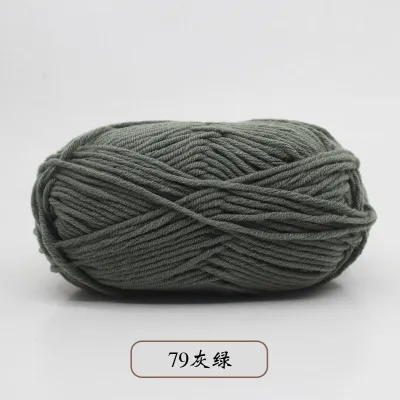
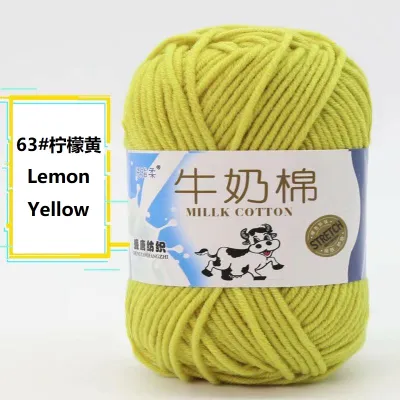
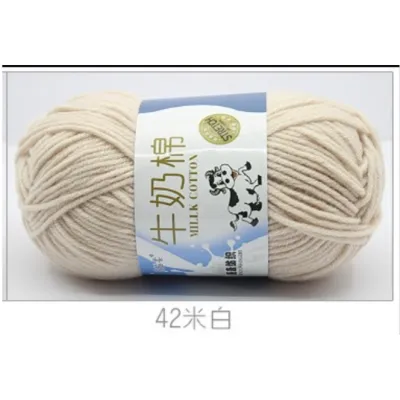
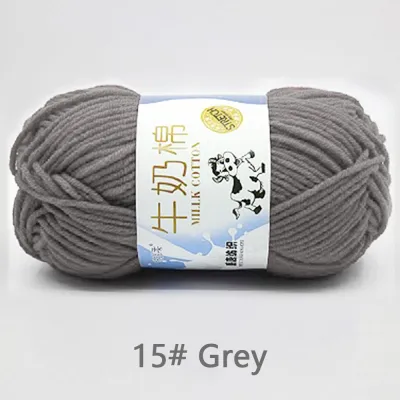
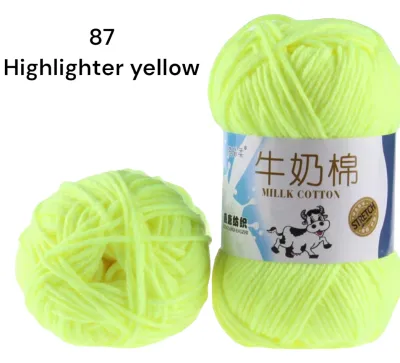
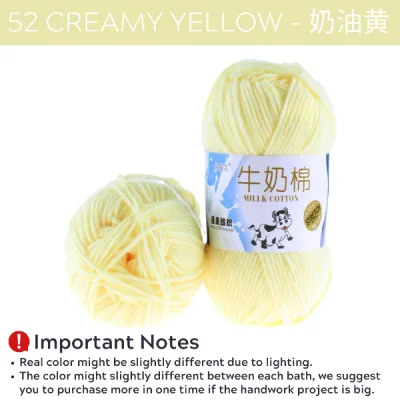
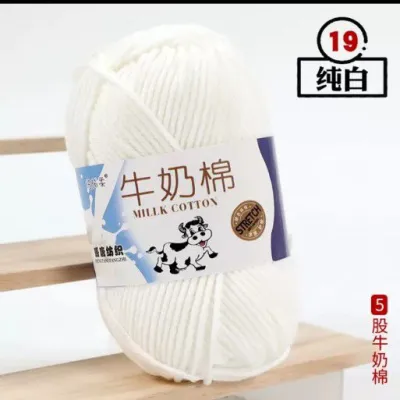
Prices are valid at publication and may change. Please refer to the product page for the latest price.
This intermediate weight is highly favored for its exceptional versatility. It is fine enough to produce intricate, detailed stitch work—such as crisp cables, twisted stitches, and delicate lace patterns—without creating a heavy, bulky fabric. At the same time, it knits up more quickly than standard 4 ply fingering weight yarn. The resulting textile strikes an ideal balance between structured stability and fluid drape, making it a popular choice for lightweight garments, children’s wear, and versatile accessories.
Matching 5 Ply Yarn Fibers to Your Knitting Projects
Garments and Everyday Wearables
Selecting the right fiber for clothing depends heavily on where and how the garment will be worn. For everyday wearables intended for outdoor use in Singapore, plant-based fibers such as cotton, linen, and bamboo, or blends containing these materials, are highly recommended. Cotton provides excellent breathability and structural integrity, while linen offers exceptional moisture-wicking properties and becomes softer with every wash. Bamboo blends add a silky sheen and a fluid drape. These fibers allow body heat to escape, keeping the wearer comfortable in warm conditions.

For garments designed primarily for indoor wear, such as cardigans or pullovers meant for air-conditioned offices, schools, or shopping malls, fine merino wool or merino-silk blends are excellent choices. Merino wool possesses natural thermoregulating properties, trapping a light layer of air to keep you comfortable in chilly drafty rooms while remaining highly breathable.
When selecting yarn for garments, always check the manufacturer’s label for elasticity and memory. Natural animal fibers like wool have excellent memory, meaning they spring back into shape after stretching. Pure plant fibers like cotton and bamboo lack this natural elasticity; garments knitted from 100% cotton can sag or stretch out of shape over time under their own weight. To prevent this, look for structured plies or fiber blends—such as cotton-acrylic or cotton-wool—that combine the breathability of plant fibers with the recovery properties of synthetic or animal fibers.
Baby Items and Sensitive Skin Projects
Knitting for infants or individuals with highly sensitive skin requires careful consideration of softness, cleanliness, and maintenance. The primary requirement is a fiber that is completely non-irritating. Look for yarns labeled as hypoallergenic, organic, or specifically formulated for babies. Superwash merino wool is a popular choice because the treatment removes the microscopic scales on the wool fibers, preventing felting and making the yarn incredibly smooth against delicate skin. Premium acrylics and high-quality cotton blends also offer excellent softness without the risk of wool allergies.
Beyond softness, the physical structure of the yarn is vital. Select smooth, tightly plied 5 ply yarns. Avoid yarns with a high halo or loose, fuzzy fibers, such as mohair, brushed alpaca, or single-ply yarns. These loose fibers can easily shed, creating a hazard if a baby inhales them or rubs them into their eyes. Tightly spun plies ensure that tiny fingers and toes do not get caught or snagged in the stitches, maintaining the safety and structural integrity of the item.
Maintenance is the final piece of the puzzle. Baby garments are subject to frequent spills and soil, requiring regular washing. Before purchasing, verify the care instructions on the manufacturer’s yarn band. Look for machine-washable symbols (often indicated by a washing tub icon with a temperature rating or a “superwash” label). If the label specifies hand-washing only, consider whether the recipient will have the time and inclination to care for the item manually. Choosing a machine-washable, tumble-dry-safe blend ensures the garment remains practical and well-loved.
Accessories and Complex Colorwork
Accessories like shawls, scarves, hats, and socks, as well as garments featuring intricate patterns, demand specific yarn characteristics to highlight your craftsmanship. For textured patterns, cables, and ribbing, look for tightly twisted, multi-ply 5 ply yarns. The round profile of a highly twisted yarn pushes the stitches outward, creating a crisp, three-dimensional stitch definition that makes cables pop. In contrast, loosely spun or single-ply yarns tend to flatten out, causing detailed stitch patterns to lose their visual impact.
For stranded colorwork, such as Fair Isle or Norwegian patterns, the preparation of the fiber plays a significant role. Woolen-spun yarns, which have more disorganized fibers and air pockets, are traditional for colorwork because the fibers “bloom” and cling to one another after washing. This interlocking behavior fills in gaps between stitches, smoothing out the color transitions and creating a cohesive, wind-resistant fabric. If using worsted-spun yarns, which are smoother and more aligned, pay close attention to tension to prevent uneven stitches. Additionally, consider yarn twist and color dominance: the yarn held dominant in your hands will sit slightly forward, so a smooth, consistent 5 ply yarn helps maintain clean lines between contrasting colors without unwanted color bleeding or pooling.
Complex colorwork projects also require a brand that offers a broad and reliable color palette. Look for established 5 ply lines known for their extensive colorways, allowing you to select subtle gradients, complementary contrasts, or harmonious multi-color schemes. Brands that maintain consistent color listings over several years make it easier to plan long-term projects or source additional skeins if you run short.
Adapting Your Yarn Choice to Singapore's Tropical Climate
Singapore’s climate features high temperatures and relative humidity averaging above 80% year-round. These factors directly influence how knitted items behave. Heavy animal fibers like standard sheep’s wool, alpaca, or cashmere trap warm air close to the body. While desirable in temperate winter climates, this feels stifling outdoors in Singapore. Heavy, fuzzy fibers are best reserved for travel wear or lightweight cardigans designed strictly for air-conditioned indoor spaces.
Humidity also affects moisture retention. Natural plant fibers like cotton and linen are highly absorbent, pulling perspiration away from the body. However, because Singapore’s air is saturated with moisture, pure cotton can take a long time to dry once damp, feeling heavy and clammy. Synthetic fibers like polyester or acrylic do not absorb moisture but can trap heat if knitted too tightly. To balance these properties, many local knitters prefer lightweight blends—such as cotton-acrylic, linen-viscose, or bamboo-cotton—which combine breathability with quick-drying properties.
Storing unused 5 ply yarn and finished projects requires proactive measures to prevent damage from mold, mildew, and pests. High humidity provides an ideal environment for fungal spores, which can ruin natural fibers and leave musty odors. Store unused yarn and finished items in airtight plastic bins rather than open shelves. Inside each bin, place silica gel packets or dehumidifying sachets to absorb moisture. Additionally, tropical pests like silverfish thrive in warm, dark environments and feed on natural fibers. Including cedar blocks or lavender sachets in your storage containers helps deter these pests. Always ensure finished handknits are completely dry before storing them.
How to Evaluate and Select Reliable Yarn Brands
When evaluating 5 ply yarn brands, establish an objective framework rather than relying on subjective marketing. First, check dye lot consistency. Reputable manufacturers print a dye lot number on every yarn band. Ensure all skeins for a single project share the exact same number, as minor dye variations can create visible horizontal bands across your finished fabric.
Next, assess the quality of the ply twist. A high-quality 5 ply yarn features a balanced, consistent twist. If the twist is too loose, the yarn is prone to splitting during knitting, where the needle tip accidentally pierces between the plies. This slows your progress and compromises stitch strength. Also, verify yardage accuracy on the label. Reliable brands provide precise measurements in grams and meters, helping you calculate exactly how much yarn you need.
Rely on printed specifications—such as exact fiber percentages (e.g., 60% cotton, 40% acrylic) and international care symbols—rather than vague descriptions like “ultra-soft.” These specifications offer verified, legal guidance on how the fiber behaves.
Before committing to a full-scale project, always knit and wash a test swatch. Cast on a square of at least 15 cm by 15 cm using the stitch pattern and needles intended for your project. Measure the stitch and row gauge of the dry, unwashed swatch. Next, wash and block the swatch exactly as you plan to care for the finished garment—whether that involves hand-washing in cool water and laying flat to dry, or machine-washing. Once fully dry, measure the gauge again. This step reveals several critical properties:
- True Gauge: How much the fabric expands, shrinks, or relaxes after contact with water.
- Drape and Hand: Whether the fabric softens up or becomes stiff after blocking.
- Colorfastness: Whether highly saturated dyes bleed into lighter colors when wet.
- Structural Stability: Whether the yarn tends to pill, fuzz, or lose its twist after washing.
Where to Source 5 Ply Yarn in Singapore
Sourcing 5 ply yarn in Singapore involves choosing between local brick-and-mortar boutiques and online retail channels. Visiting a physical store is highly beneficial for tactile evaluation. Because texture, softness, and true color can vary from digital screens, feeling the yarn in person helps you make an informed decision, particularly for sensitive-skin projects. Physical stores also offer precise color matching under natural light and provide access to expert advice from staff who understand the nuances of knitting in a tropical climate.
Conversely, browsing online marketplaces and international specialty websites provides access to a wider variety of global brands, rare fiber blends, and extensive colorways. Online shopping is convenient and often offers competitive pricing. When buying online, take extra precautions to verify seller authenticity. Look for authorized distributor labels or check the official brand website for registered stockists. Read user reviews carefully, paying close attention to comments regarding packaging. Ensure the seller packages the yarn in protective, moisture-resistant bags to prevent water damage or contamination during transit.
When ordering directly from overseas brand websites, factor in the total cost of ownership. This includes international shipping fees, delivery delays, and local import regulations like the goods and services tax (GST) applied to imported items. Calculate shipping times to ensure the yarn arrives in time for your project schedule. Balancing the immediate availability of local stores against the variety of online sourcing allows you to build a reliable supply chain.
Frequently Asked Questions (FAQ)
Can I substitute 5 ply yarn with 4 ply or DK weight in a pattern?
Yes, but substitution requires careful adjustments because yarn weights are not interchangeable. Substituting a 5 ply yarn with a lighter 4 ply (Fingering) or a heavier 8 ply (DK) yarn alters the gauge, drape, and final dimensions of your project. A thinner 4 ply yarn results in smaller stitches and a smaller garment unless you adjust needle sizes and stitch counts. Conversely, a thicker DK yarn creates a denser, heavier fabric that may feel too warm for Singapore’s climate.
To substitute successfully, knit a test swatch to determine your new gauge. Calculate the difference by dividing the pattern’s required gauge by your swatch’s gauge to determine how many stitches to cast on. You may also need to adjust needle sizes—using larger needles with thinner yarn for a looser, airier fabric, or smaller needles with thicker yarn to keep the fabric structured. Prioritize matching the stitch pattern’s drape over simply matching the stitch count.
How should I wash and block 5 ply cotton or wool garments?
Washing and blocking techniques must be tailored to the specific fiber content, as plant and animal fibers behave differently when wet. Plant-based fibers like cotton, linen, and bamboo absorb significant water and become heavy, losing their structural resilience and sagging if hung up to dry. Wash them in cool water with gentle detergent, squeezing out excess water without wringing. Lay the item flat on a clean towel, shape it to the correct dimensions (blocking), and let it dry completely in a well-ventilated, shaded area.
Animal fibers like wool and merino require extra care to prevent felting, which occurs when heat, moisture, and friction cause the microscopic scales on the wool fibers to interlock. Unless the yarn is explicitly labeled as superwash, hand-wash wool garments in cool water with a specialized wool wash. Avoid agitating or rubbing the fabric. Rinse gently, press out water using a dry towel, and lay flat to block. Always follow the care symbols on the yarn band.
Why does my 5 ply yarn split while knitting, and how can I prevent it?
Yarn splitting occurs when the individual plies of the yarn separate during knitting, causing the needle to pass through the strand rather than under it. This typically happens due to loose yarn twist or sharp needle tips. Some 5 ply yarns are spun with a loose twist to ensure softness, making the plies prone to separating. Additionally, needles with sharp, pointed tips increase the likelihood of accidentally piercing the yarn strand.
To prevent splitting, switch to knitting needles with blunter or rounded tips, which push the yarn strand aside rather than splitting it. Also, adjust your knitting tension and technique. Avoid pulling the yarn too tightly, which can cause the plies to fan out. Focus on inserting the needle tip fully into the center of the stitch loop before catching the working yarn to ensure you catch all five plies smoothly. If a yarn continues to split, try working it on a slightly larger needle size.
Community discussion
Share your experience or ask a question. Comments are reviewed before publication.