
Selecting the right 5-ply cotton yarn in Singapore requires balancing the tropical climate with the specific demands of your knitting or crochet projects. A high-quality 5-ply cotton yarn—often referred to as sport weight or fine weight—offers an ideal thickness for a wide range of creations, from breathable garments to structured amigurumi. To make an informed decision, you must evaluate fiber processing, twist consistency, and how the finished fabric behaves under local humidity. Crafting in a warm climate presents unique challenges, as heavy or poorly spun fibers can quickly turn a labor of love into an unwearable piece. By understanding the structural characteristics of 5-ply cotton, you can confidently select materials that ensure your projects are both beautiful and practical for daily life in Singapore.
What Makes a Good 5-Ply Cotton Yarn for Singapore's Climate
Singapore’s year-round high humidity and warm temperatures dictate how handmade items are worn and maintained. Pure cotton is naturally breathable and highly absorbent, making it an excellent fiber choice for local wear. However, the structural construction of a 5-ply yarn determines whether a finished garment remains comfortable or becomes heavy and stifling.
When knitting or crocheting wearables for tropical weather, look for 5-ply cotton yarns that offer a lightweight, airy drape. A loosely spun or heavy-handed cotton can trap heat, whereas a well-balanced, multi-ply twist allows air to circulate through the stitches. The inherent weight of cotton means that larger projects can sag over time under their own weight, especially when absorbing ambient moisture from the air.
Products mentioned in this guide
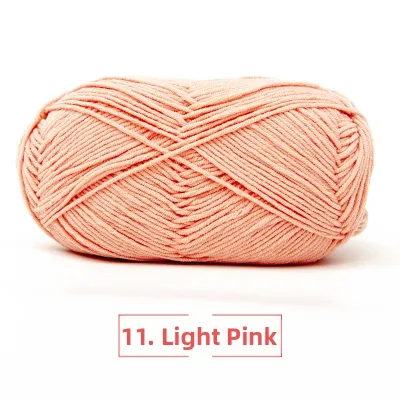
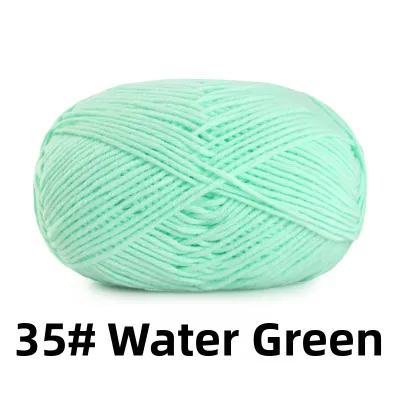
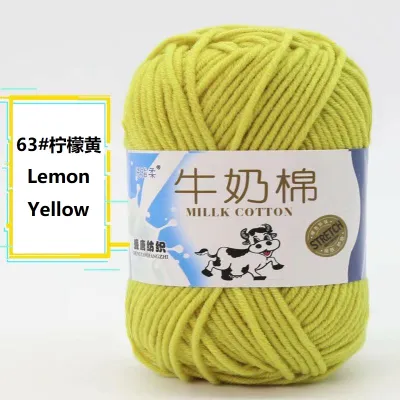
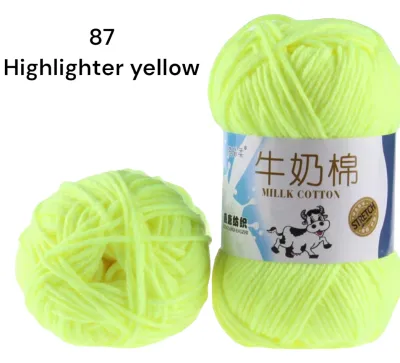
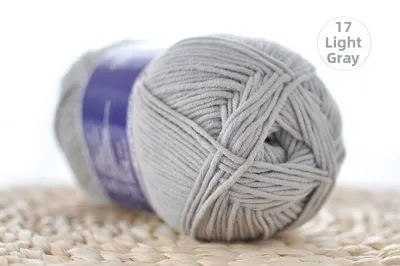
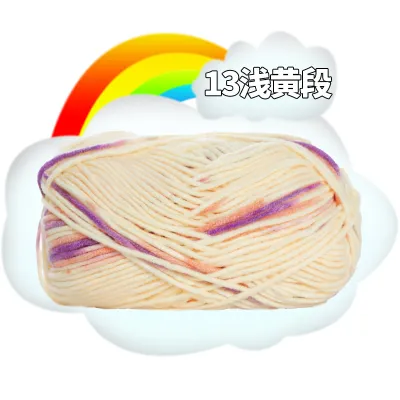
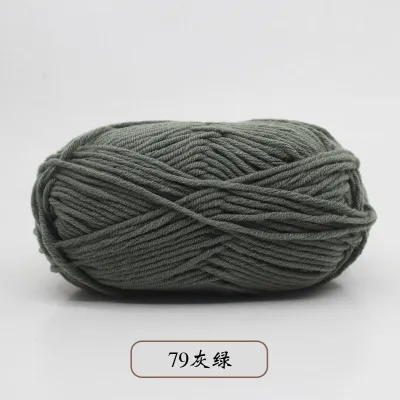
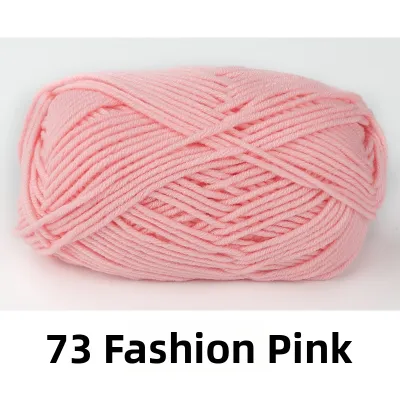
Prices are valid at publication and may change. Please refer to the product page for the latest price.
To combat stretching and sagging, select yarns that incorporate high-quality staple fibers or light synthetic blends, such as acrylic-cotton (often sold as milk cotton). These blends retain the breathable properties of cotton while adding resilience and elasticity. This structural integrity ensures that your summer tops, light cardigans, and accessories maintain their original shape even after repeated wear and washing in local conditions.
Furthermore, the thickness of 5-ply yarn strikes a perfect balance for Singapore’s climate. It is substantial enough to work up relatively quickly compared to lace or 4-ply fingering weights, yet it remains thin enough to avoid the bulkiness of 8-ply double knitting (DK) or worsted weight yarns. This makes it highly versatile for transitioning between air-conditioned indoor spaces and the humid outdoors.
Key Factors to Evaluate When Comparing Yarn Brands
When comparing different yarn options in the market, the manufacturing process plays a critical role in the final texture and durability of your work. Combed cotton is a highly recommended option, as the combing process removes short fibers and impurities, resulting in a smoother, stronger thread that resists pilling. If you prefer a lustrous finish, mercerized cotton yarn undergoes a chemical treatment that increases luster, dye affinity, and tensile strength, though it yields a slightly stiffer drape.

Another essential factor is the yardage-to-weight ratio, which indicates the density of the yarn. A standard 5-ply cotton skein typically ranges from 100 to 120 meters per 50 grams, but variations can affect your project’s overall weight and drape. Check the manufacturer’s specifications on the label to ensure consistency across different colorways, as varying dye processes can sometimes alter the thickness and feel of the fiber.
Dye lot reliability and colorfastness are equally vital, particularly for multi-skein projects. Always verify that the dye lot numbers match on every skein you purchase to avoid subtle, unwanted color blocks in your finished piece. Because cotton does not hold dye as easily as animal fibers, checking for colorfastness is crucial to prevent vibrant shades from bleeding into lighter sections during the first wash.
Additionally, examine the twist of the yarn. A tight, multi-ply twist provides excellent stitch definition and minimizes splitting, which is especially beneficial for intricate stitch patterns. Conversely, a looser twist offers a softer feel but may be more prone to catching on your needles or hooks, requiring a more mindful stitching technique.
Matching Yarn Characteristics to Your Specific Project
The ideal 5-ply cotton yarn varies depending on whether you are crafting garments, toys, or home accessories. For wearables and close-to-skin accessories, prioritize softness and drape. Unmercerized combed cotton or milk cotton blends are excellent choices here, as they feel gentle against the skin and flow naturally without stiffness.
For amigurumi and stuffed toys, the requirements shift toward structural durability and stitch definition. A tightly twisted 5-ply cotton yarn is preferred for these projects because it prevents the crochet hook from splitting the strands. A firm twist also ensures that the stuffing does not peek through the stitches and helps the toy retain its shape over years of handling.
Home decor items, such as coasters, placemats, and market bags, demand high washability and rugged structural integrity. For these utility items, mercerized 5-ply cotton is highly suitable due to its resistance to wear and tear. It holds up exceptionally well to frequent machine washing and maintains a crisp, clean appearance even when subjected to daily household use.
When planning your project, consider how the fiber’s weight interacts with your chosen stitch pattern. Dense stitches like single crochet will create a stiffer, heavier fabric, which is perfect for baskets or bags but less ideal for summer garments. For clothing, pairing 5-ply cotton with openwork, lace, or dropped-stitch patterns enhances breathability and maximizes the yarn’s natural drape.
Where to Source 5-Ply Cotton Yarn in Singapore
Finding the right yarn involves knowing where to shop and what to look for during your search. Local brick-and-mortar yarn shops in Singapore offer the invaluable advantage of tactile evaluation. Visiting a physical store allows you to feel the softness of the fiber, inspect the true colors under natural light, and check the ply twist firsthand before spending your money.
Independent online yarn retailers specializing in curated fiber arts supplies are another excellent source. These boutique shops often import specialized international brands and provide detailed descriptions of fiber origins and recommended needle sizes. They are ideal when you are looking for specific organic cotton certifications or unique hand-dyed colorways that are not commonly found in mass-market stores.
For budget-friendly or bulk purchases, general e-commerce platforms and online marketplaces offer a wide selection of 5-ply cotton yarns. When sourcing from these platforms, it is critical to verify seller ratings, read customer reviews, and check shipping origins. Look for listings that clearly state the fiber composition and brand authenticity to avoid purchasing low-quality counterfeits or synthetic yarns mislabeled as pure cotton.
Do not hesitate to engage with local crafting communities or online forums based in Singapore. Fellow crafters often share recommendations for reliable online sellers, group buys, or hidden physical shops tucked away in suburban shopping centers. This community knowledge can guide you to high-quality sources that offer consistent stock and fair pricing.
How to Test and Verify Yarn Quality Before Committing
Before starting a major project, performing a few simple tests on a small sample can save hours of frustration. Always begin by creating a gauge swatch using your preferred knitting needles or crochet hook. This step allows you to check your tension, observe how easily the yarn splits during stitching, and evaluate the overall stitch definition of the 5-ply strand.
Once your swatch is complete, wash and block it according to the manufacturer’s care instructions. Observe how the fabric reacts to water: check for any shrinkage, stretching, or color bleeding. This trial run is the most reliable way to determine how your finished garment or accessory will behave after its first real wash.
Finally, inspect the skein itself for structural flaws before winding or working. Run your fingers along the strand to check for inconsistent ply twisting, sudden weak spots, or excessive lint shedding. A high-quality 5-ply yarn should maintain a uniform thickness throughout the entire skein, ensuring a smooth crafting experience and a polished final product.
Additionally, keep a record of your swatching results, noting the needle or hook size used, the stitch pattern, and the pre- and post-washing measurements. This personal archive becomes an invaluable reference for future projects, allowing you to predict exactly how different brands of 5-ply cotton yarn will perform over time.
Frequently Asked Questions (FAQ)
Is 5-ply cotton yarn suitable for beginner knitters and crocheters?
Yes, 5-ply cotton yarn is a popular choice for beginners due to its clear stitch definition, which makes it easy to count stitches and identify mistakes. However, beginners should note that pure cotton lacks the natural elasticity of wool or acrylic, meaning it can be less forgiving on tension control and may tire your hands faster. To minimize splitting, beginners should pair the yarn with a hook or needle that has a slightly rounded point rather than a sharp tip.
How do I care for finished items made from 5-ply cotton yarn?
Always check the manufacturer’s care label on the yarn sleeve for specific washing and drying instructions, as blends and treatments vary. Generally, cotton items should be washed in cool or lukewarm water to prevent shrinkage and color fading. To avoid stretching or misshaping when the fiber is wet, lay the finished item flat on a clean towel to dry rather than hanging it, as wet cotton carries significant weight that can permanently distort your stitches.

Community discussion
Share your experience or ask a question. Comments are reviewed before publication.