
A money box is far more than a simple container for loose change; it is a tangible symbol of prosperity, savings, and mindful planning. When designed with local motifs, it transforms into a meaningful cultural keepsake that captures the unique spirit of a place. For visitors seeking a memorable souvenir or residents looking for a thoughtful gift, a Singapore-themed money box offers a perfect blend of practical utility and artistic heritage.
This guide explores how to select the ideal Singapore-themed money box by evaluating design themes, material durability, functional features, and authentic sourcing channels. By focusing on quality indicators and design relevance, you can make an informed choice that resonates with your recipient and stands the test of time.
Identifying Cultural and Design Themes
Singapore’s rich tapestry of history, modern architecture, and multicultural heritage provides a wealth of design inspiration for souvenir money boxes. Selecting the right theme depends heavily on what aspects of the city-state you wish to celebrate.
Products mentioned in this guide
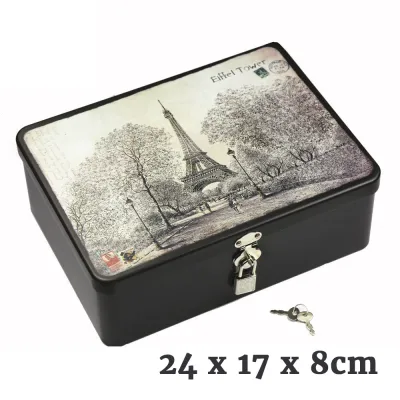
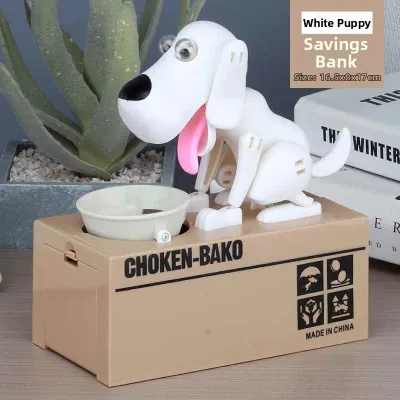
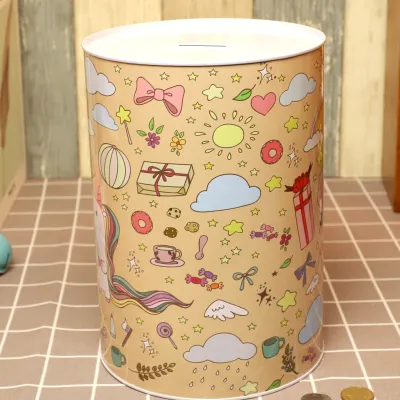
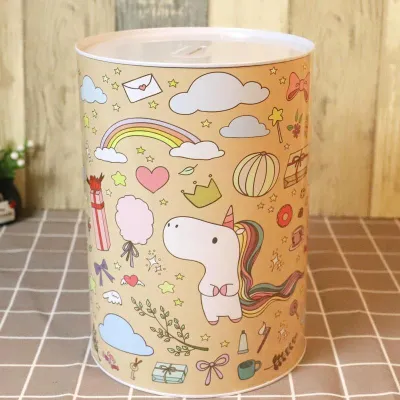
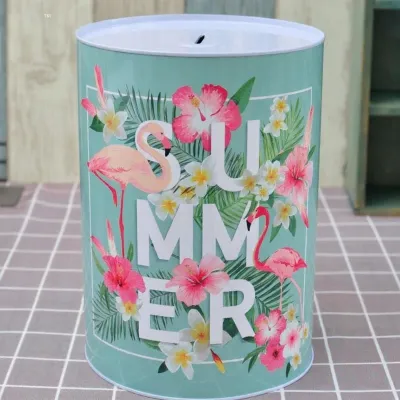
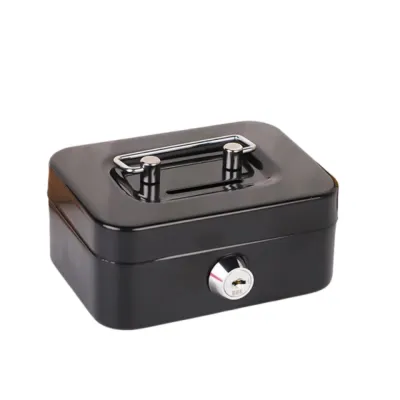
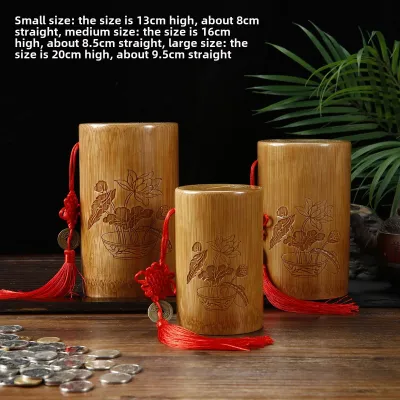
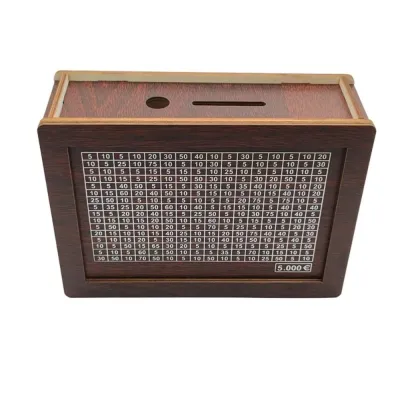
Prices are valid at publication and may change. Please refer to the product page for the latest price.
Iconic landmarks and modern cityscapes represent one of the most popular design categories. Money boxes shaped like the Merlion, the futuristic glass domes of Gardens by the Bay, or the distinctive silhouette of Marina Bay Sands serve as instant visual reminders of Singapore’s global identity. For a more nostalgic and localized architectural theme, some designs replicate the classic Housing & Development Board (HDB) apartment blocks. These miniature HDB money boxes, complete with tiny printed windows and ground-floor void decks, offer a deeply authentic slice of everyday Singaporean life that resonates with anyone who has lived in or visited these vibrant neighborhoods.
Cultural heritage patterns offer a more subtle and artistic aesthetic. The intricate, colorful designs of Peranakan tiles, with their characteristic floral and geometric motifs, translate beautifully onto ceramic and wooden money boxes. Similarly, batik patterns featuring stylized natural elements reflect the shared Malay and Indonesian heritage of the region. Traditional shophouse facades, with their distinctive five-foot ways, shuttered windows, and ornamental plasterwork, are also highly sought-after designs. These heritage-focused money boxes function as elegant decorative pieces that blend seamlessly into sophisticated home interiors while preserving historical narratives.
For a touch of humor and contemporary flair, local colloquialisms and pop culture themes are excellent choices. Money boxes adorned with Singlish phrases like “Chope” or “Shiok” capture the playful, informal side of local communication. Other designs feature colorful illustrations of beloved local culinary delights, such as durian, chicken rice, or traditional kopi cups. These lighthearted themes are particularly effective for casual gifts, sparking conversations and bringing a smile to the recipient’s face.
When deciding between these themes, consider the background of your recipient. Tourists often appreciate highly recognizable national symbols like the Merlion or Marina Bay Sands, which serve as clear markers of their travels. In contrast, local residents and long-term expatriates frequently prefer subtle heritage patterns, shophouse designs, or nostalgic HDB motifs that evoke a deeper, more personal connection to the country’s social history and daily lifestyle.
Evaluating Material, Build, and Functionality
Beyond visual appeal, the physical quality and practical design of a money box determine its longevity and usefulness. Evaluating the materials and construction ensures the gift remains a lasting keepsake.

The choice of material significantly influences the weight, durability, and overall aesthetic of the money box. Wood offers a warm, organic feel and excellent durability, making it highly resistant to accidental drops. Metal money boxes, often made of tinplate or brass, provide a classic, vintage look and a satisfying metallic ring when coins are dropped inside. Ceramic and porcelain options deliver a premium, high-quality finish with vibrant glazed colors, though they require careful handling due to their fragile nature. Acrylic and modern plastics offer lightweight transparency, allowing savers to watch their progress, which can be highly motivating.
Functional checks are essential to ensure the money box accommodates local currency smoothly. Verify that the coin slot is wide and long enough to accept Singapore’s third-series coins, particularly the thicker S$1 coin, without jamming. The slot should also be wide enough to accept folded polymer banknotes if the user intends to save paper currency. Additionally, inspect the retrieval mechanism at the bottom. A secure rubber or silicone stopper is highly practical for reusable boxes, while a traditional lock-and-key mechanism adds a charming, secure element. For those who prefer a disciplined savings approach, some designs are completely sealed, requiring the box to be broken to access the contents.
Observing the overall build quality is crucial, especially if the item needs to survive international travel. Inspect the seams of metal tins for sharp edges or gaps that could catch on fabric. For painted wooden or ceramic boxes, check for even paint application, smooth glazes, and the absence of chips or bubbles. Ensure the base is perfectly flat and stable so the money box does not tip over easily when filled with heavy coins.
Finally, always check product labels for material safety and care instructions. If the money box is intended for young children, ensure it is made from non-toxic, lead-free materials and lacks small, detachable parts that could pose a choking hazard. Checking for safety certifications on the packaging provides peace of mind before gifting.
Matching the Gift to the Recipient and Occasion
A successful gift aligns perfectly with the recipient’s lifestyle and the specific context of the occasion. Tailoring your selection ensures the money box is both appreciated and utilized.
For tourists and departing expatriates, portability is a primary consideration. Lightweight and compact designs, such as small tinplate boxes or flat-pack wooden puzzles that assemble into a money box, are ideal because they fit easily into suitcases without adding excessive weight. These items should feature highly recognizable national symbols, allowing the recipient to proudly display a piece of Singapore in their home country.
Locals and long-term residents generally appreciate more sophisticated, artisan-crafted pieces. A beautifully glazed ceramic shophouse or a hand-painted wooden box with Peranakan motifs serves as an elegant home decor accessory. These recipients often value the artistic merit and cultural storytelling behind the object more than overt tourist branding, making subtle heritage designs the preferred choice.
Age is another critical factor when selecting a money box. Children benefit from interactive, playful designs that make saving money fun. Money boxes with mechanical features, bright cartoon illustrations of local wildlife like the smooth-coated otter, or transparent panels that show the growing coin pile are highly engaging. For adults, prioritize sleek, minimalist, or highly detailed historical designs that complement modern office or living room aesthetics.
The nature of the gifting occasion should also guide your budget and style choice. A simple tin money box makes an excellent casual token or party favor. For corporate giveaways or international delegation gifts, look for premium materials like polished wood or fine porcelain, packaged in elegant presentation boxes. These high-end options convey respect and professionalism while offering a tasteful piece of Singaporean culture.
Where to Source and Verify Authenticity
Finding a high-quality, authentic Singapore-themed money box requires knowing where to shop and how to identify genuine local craftsmanship.
Physical retail locations offer the advantage of hands-on inspection. Museum gift shops, such as those at the National Museum of Singapore or the National Gallery, are excellent sources for high-quality, curated souvenirs that directly support local heritage initiatives. Heritage center stores in historic districts like Chinatown, Kampong Glam, and Little India offer culturally specific designs. Local artisan markets and pop-up craft fairs are also fantastic venues to discover unique, limited-edition money boxes created by independent local designers.
Online marketplaces and e-commerce platforms provide convenience and a wider variety of choices. When shopping online, filter search results for local sellers to ensure faster shipping and support the local creative community. Carefully read verified customer reviews, paying close attention to photos uploaded by previous buyers to assess the true color, size, and finish of the product.
Verifying authenticity is key to ensuring your purchase supports genuine local talent. Look for product labels that explicitly state the designer’s name, local studio details, or official partnerships with heritage boards. Authentic pieces often come with a small card explaining the cultural significance of the design, adding valuable context to your gift.
Before finalizing your purchase, understand the retailer’s return and exchange policies, especially when buying fragile ceramic or glass items. If purchasing from a physical store, ask if they provide protective bubble wrap or specialized gift packaging to ensure the money box remains safe during transport. For online purchases, verify that the seller uses secure, shock-absorbent packaging to prevent damage during transit.
Frequently Asked Questions (FAQ)
Can I bring a ceramic or metal money box on a flight as carry-on luggage?
Yes, you can generally bring ceramic or metal money boxes in your carry-on luggage, but you must adhere to your airline’s specific weight and size limits. Because metal objects can trigger airport security scanners, be prepared to remove the money box from your bag for separate inspection. Fragile ceramic items are safer in carry-on baggage to prevent the rough handling often associated with checked luggage. Ensure the item is wrapped securely in bubble wrap or soft clothing to protect it from accidental bumps during the flight.
How do I clean and maintain a wooden or Peranakan-style money box?
To preserve the beauty of your money box, use a soft, dry microfiber cloth for routine dusting. Avoid using harsh chemical cleaners, abrasive scrubs, or excessive water, which can warp natural wood, peel paint, or damage delicate glazed finishes on ceramic surfaces. For lacquered or polished wooden boxes, a slightly damp cloth can be used occasionally, followed immediately by a dry cloth to remove any residual moisture. Always refer to the manufacturer’s care label or accompanying instruction card for material-specific maintenance guidelines.

Community discussion
Share your experience or ask a question. Comments are reviewed before publication.