
Finding the right zip hook—whether you refer to it as a zipper slider, a replacement pull tab, or a specialized hook closure—for everyday sewing projects in Singapore requires understanding how materials interact with local environmental conditions. Because Singapore’s tropical climate brings high relative humidity year-round, selecting hardware that resists corrosion and matches your fabric weight is far more critical than chasing specific brand labels. A successful sewing project relies on verifying physical compatibility, material composition, and mechanical design before making a purchase.
By focusing on observable quality indicators and structural specifications, you can ensure your garments and accessories remain functional for years. This guide outlines the essential criteria for evaluating zip hooks, matching them to specific projects, and sourcing reliable haberdashery components locally and online.
Key Criteria for Evaluating Zip Hook Quality
In the sewing and haberdashery community, terminology can sometimes cause confusion. A “zip hook” can refer to three distinct components: the slider body that glides along the teeth to open and close the zipper, the pull tab attached to that slider, or a hook-and-eye style closure used at the top of a zipper insertion. For most repair and construction tasks, evaluating the slider body and its attached pull is the primary focus. Understanding these distinctions ensures you purchase the exact component needed for your repair or creation.
Products mentioned in this guide
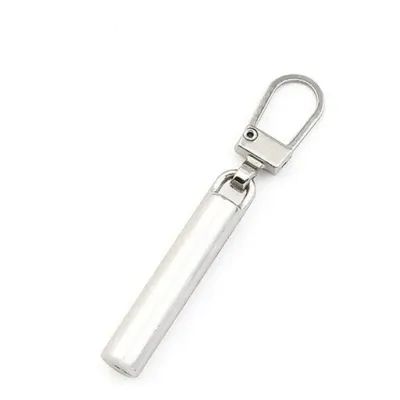
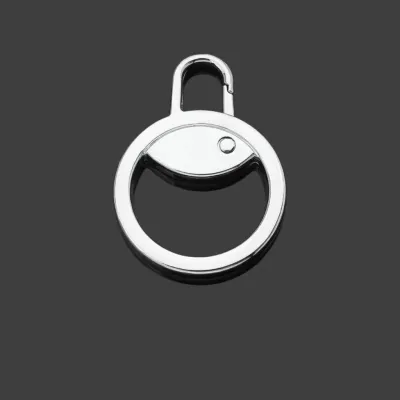
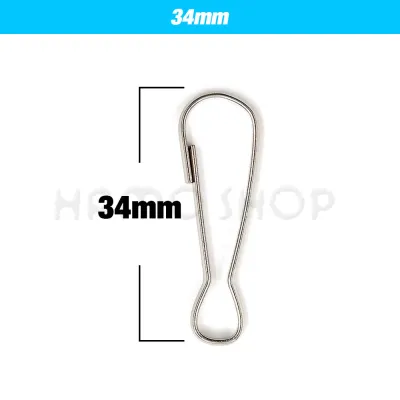
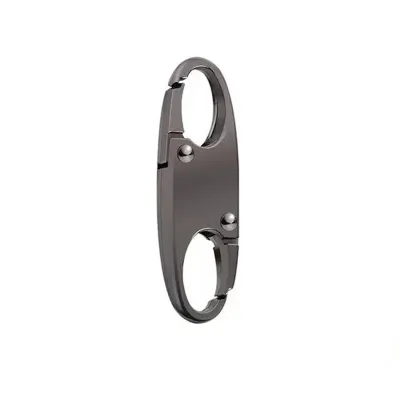
![[SG] [FREE SHIP] Hook On Zipper Zip Handle Holder Replacement Tip Catch Replace Spoil Broken Damaged Zippers](https://img.lazcdn.com/g/ff/kf/Sb66b924da3ab4d3cb02fc313b6223033Y.jpg_400x400q80.jpg_.webp)
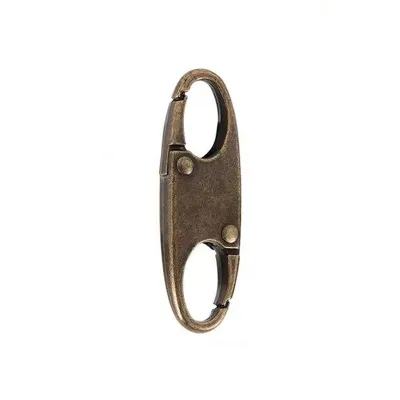
Prices are valid at publication and may change. Please refer to the product page for the latest price.
Material composition is the first line of defense against wear and environmental degradation. Metal alloys, such as zinc alloy, brass, and stainless steel, offer high tensile strength but are susceptible to oxidation if left untreated in humid environments. In contrast, molded plastics like polyoxymethylene (POM) or nylon resist moisture entirely but can wear down faster under high friction. When inspecting metal hardware, look for uniform plating or anodized finishes, which act as a barrier against the humid Singapore air and prevent unsightly tarnishing.
Structural integrity can be assessed through close physical inspection of the hardware’s moving parts. Examine the spring mechanism tension on locking sliders; a high-quality spring should offer firm resistance when the pull tab is lifted and snap back cleanly when released. Check the alignment of the internal prongs and the smoothness of the slider’s internal channels. Any asymmetry, rough edges, or casting flash—excess metal or plastic from the molding process—will cause the slider to snag, wear down the zipper teeth prematurely, or split the track.
Compatibility verification is crucial because zipper gauges are strictly standardized by number, which roughly corresponds to the width of the closed zipper teeth in millimeters. Common sizes include #3, #5, #8, and #10, and a slider must match both the gauge number and the specific tooth style of your zipper tape. A #5 slider designed for a nylon coil zipper will not function correctly on a #5 metal or molded plastic tooth zipper. Always verify these specifications on the product packaging or by measuring your existing zipper tape before purchasing replacement hardware.
Matching Zip Hook Types to Everyday Sewing Projects
Selecting the correct locking mechanism is essential for the functionality of your garment or accessory. Auto-lock sliders feature a small internal pin that locks into the zipper teeth when the pull tab is flat, preventing the zipper from sliding open under body movement or tension. This mechanism is indispensable for activewear, trousers, skirts, and dresses. Semi-auto-lock sliders lock only when the pull tab is pressed down manually, while non-lock sliders move freely along the track, making them ideal for bags, pouches, and cushion covers where quick, unhindered access is preferred.

The choice between decorative pull tabs and standard functional hooks depends on whether the closure is visible or concealed. Decorative pull tabs add aesthetic value to visible closures on jackets, statement bags, or children’s clothing, but they must not compromise the structural loop of the slider body. If a decorative tab is too heavy for a lightweight fabric, it can cause the zipper tape to sag or ripple. For concealed closures, such as invisible zippers on formal dresses or lightweight blouses, a minimal, low-profile teardrop slider is necessary to keep the hardware hidden within the seam allowance.
Fabric weight matching ensures that the zipper hardware does not distort the drape of your project. Heavy-duty projects using canvas, denim, or upholstery fabrics require robust metal or thick molded plastic sliders (typically gauge #5 and above) to withstand the lateral tension of thick seams and heavy use. Conversely, lightweight garments made of silk, chiffon, or delicate linings demand small, lightweight nylon or aluminum sliders (gauge #3 or smaller). Using oversized hardware on delicate fabrics causes structural puckering and can tear the surrounding textile over time.
Sourcing Haberdashery and Zip Hooks in Singapore
Visiting physical haberdashery shops and textile centers in Singapore—such as those located in Chinatown, People’s Park Food Centre, or Arab Street—allows for hands-on quality inspection. Bringing your project or a sample of the zipper tape directly to the shop lets you physically test the slider’s glide and verify the gauge match before purchasing. This tactile verification eliminates the guesswork associated with online sizing charts and allows you to consult experienced shopkeepers who understand local sewing requirements.
When sourcing from online craft stores or e-commerce marketplaces, pay close attention to detailed product specifications listed in S$. Avoid listings that lack clear measurements, material descriptions, or gauge numbers. Verify the seller’s reliability by reading customer reviews specifically mentioning durability, and check the platform’s return policy to ensure you can exchange the hardware if the gauge or style does not match your project requirements. Purchasing from reputable online specialty sewing shops often yields more consistent quality than buying from generic bulk sellers.
Inspecting the packaging of your sewing accessories can reveal a great deal about manufacturing standards and quality control. Branded packaging from established manufacturers often includes clear labeling of the gauge size, material composition, and locking type, indicating that the product has undergone consistent tension and corrosion testing. Generic or bulk packaging, while cost-effective for mock-ups or low-wear items, often lacks these quality control indicators. For everyday garments that undergo frequent laundering, investing in clearly labeled, branded hardware prevents premature failure.
Building a Conditional Shortlist for Your Sewing Kit
A versatile home sewing kit should contain a baseline inventory of standard replacement hardware to handle unexpected repairs. Keeping a small selection of #3 and #5 sliders in neutral colors (black, white, and navy) along with matching top and bottom stops allows you to handle most common apparel repairs and basic garment construction tasks without delay. This baseline ensures you are always prepared for quick fixes on everyday clothing items like school uniforms, work trousers, and casual jackets.
If your sewing habits lean toward specialized projects, expand your kit with targeted additions. For instance, those who frequently sew outdoor gear, backpacks, or heavy-duty bags should stock non-lock molded plastic sliders and corrosion-resistant brass hardware. If you specialize in bridal, formal wear, or delicate children’s clothing, focus on acquiring a variety of invisible zipper sliders and delicate metal hook-and-eye closures. Tailoring your inventory to your actual project frequency prevents unnecessary spending on unused hardware sizes.
To protect your investment, implement proper storage and organization tips to prevent metal oxidation and plastic degradation. Store metal zip hooks in airtight containers with silica gel packets to absorb excess moisture from Singapore’s humid air, preventing premature oxidation, tarnishing, and rust. Keep different gauges and materials separated in labeled compartments to avoid scratching delicate finishes and to make finding the correct size efficient during a project. Proper storage ensures that your hardware remains in pristine condition until it is ready to be sewn into a garment.
Troubleshooting and Replacing Worn Zip Hooks
Before replacing a zip hook, perform a visual inspection to diagnose the exact cause of the failure. Look for bent or widened slider walls, which prevent the teeth from interlocking correctly, or worn spring locks that no longer hold tension. Check for cracked pull tabs or misaligned tracks along the zipper tape. If the zipper teeth are missing or severely damaged, replacing the slider alone will not fix the issue; in such cases, the entire zipper tape must be unpicked and replaced to restore functionality.
To replace a worn slider safely, use standard sewing tools such as jewelry pliers or end-cutting nippers to gently pry open or cut away the old top stops on the zipper tape. Slide the damaged hook off the track, taking care not to tear the fabric or the woven tape. Slide the new, correctly sized hook onto the teeth, ensuring both sides of the tape enter the slider evenly, and secure it by crimping new metal top stops at the top of the zipper tape. This straightforward process can extend the life of a favorite garment by years.
Recognize the limits of DIY repair and know when to seek professional alteration services. For highly structured garments, heavy leather jackets, or delicate heirloom fabrics, attempting to replace the hardware without specialized industrial machinery can ruin the material. If the zipper is integrated into a complex lining, waterproof seam-sealed tape, or highly visible decorative topstitching, seeking professional alteration services in Singapore is the safest way to preserve the garment’s integrity and ensure a flawless finish.
Frequently Asked Questions (FAQ)
Can I use a metal zip hook on a plastic coil zipper?
Using a metal slider on a plastic coil zipper is generally not recommended for long-term use. Metal is significantly harder than plastic, meaning the metal slider will gradually shave down and wear away the softer plastic coil teeth with repeated friction. This wear eventually leads to misalignment and zipper failure. If you must mix materials, check the manufacturer’s specifications to ensure the slider is specifically designed with smooth internal tracks compatible with coil zippers.
How do I measure the correct gauge for a replacement zip hook?
To determine the correct gauge, close the zipper completely and use a caliper or a precise ruler to measure the width of the interlocking teeth in millimeters. The measurement corresponds directly to the gauge size; for example, teeth measuring approximately 5 mm wide indicate a #5 zipper. If the slider is missing entirely, measure the width of the zipper tape’s teeth channel or check the back of an old, identical slider, which often has the gauge number stamped directly into the metal.
Are universal zip hook repair kits reliable for everyday garments?
Universal zip hook repair kits offer a convenient, temporary fix for broken zippers, but they often compromise on long-term durability compared to brand-specific, permanent replacements. These kits typically feature clip-on or screw-tightening mechanisms that can loosen over time under repeated tension. They are highly suitable for emergency repairs on camping gear, loose bags, or loose-fitting jackets, but for everyday garments subjected to frequent washing and high stress, installing a standard, permanent slider is the more reliable choice.
Community discussion
Share your experience or ask a question. Comments are reviewed before publication.