
Finding the perfect greeting card in Singapore involves balancing aesthetic appeal, tactile quality, and the emotional tone of the occasion. Whether you are celebrating a milestone birthday, congratulating a colleague, or sending wedding wishes, the physical card serves as the tangible frame for your handwritten message. By understanding how to evaluate paper materials, printing techniques, and brand categories, you can confidently select stationery that leaves a lasting impression.
To make an informed choice, you must look beyond the cover illustration. High-quality stationery relies on a combination of premium cardstock, precise printing methods, and thoughtful structural design. This guide outlines the essential criteria for assessing greeting card quality, matching styles to specific events, and navigating the retail options available in Singapore.
How to Evaluate Greeting Card Quality and Suitability
Before purchasing a greeting card, examining its physical characteristics will help you determine if it justifies its price point and suits the occasion. The tactile experience of holding a card often communicates as much care as the words written inside.
Products mentioned in this guide
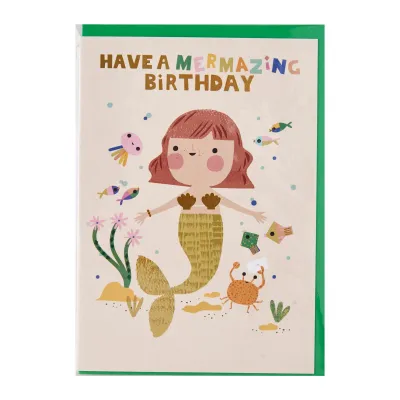
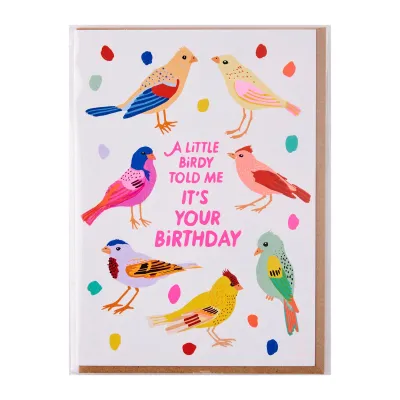
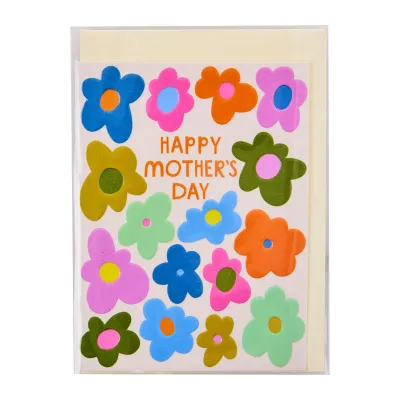
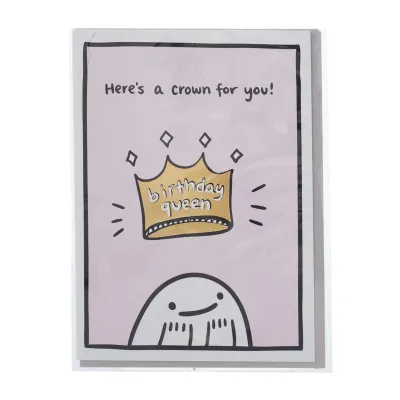
Prices are valid at publication and may change. Please refer to the product page for the latest price.
Paper weight is the most immediate indicator of quality. Standard, mass-produced cards are typically printed on paper weighing between 200 and 250 grams per square meter (GSM). While functional, these cards can feel flimsy and may bow under their own weight when displayed on a shelf. Premium stationery brands generally use cardstock ranging from 300 to 350 GSM or higher. This heavier weight ensures the card stands upright without warping, especially in Singapore’s humid climate, which can soften lighter paper fibers over time.
Texture and finish also play a critical role in both appearance and writability. Uncoated, matte, or lightly textured papers (such as linen, felt, or cotton blends) offer a sophisticated, classic look and are highly receptive to fountain pens, gel pens, and rollerballs without smudging. Glossy finishes, while vibrant for photographic designs, require specific quick-drying or permanent markers to prevent ink from smearing during writing.
Inspect the printing techniques and ink quality closely. Premium cards often feature specialized finishes such as metallic foil stamping, letterpress debossing, or thermography (raised ink). These techniques add depth and a premium feel that flat digital printing cannot replicate. Check that the foil edges are crisp, the debossing is deep and consistent, and the colors are saturated without pixelation or alignment errors.
Finally, evaluate the envelope and structural durability. A premium card should always be paired with a coordinating envelope of matching quality, ideally made from paper weighing at least 100 to 120 GSM. The envelope should fit the card snugly without forcing the corners to bend, and the adhesive strip should be secure. For cards with complex folds, pop-up elements, or heavy embellishments, ensure the structural joints are clean and do not tear upon opening.
Matching Card Styles to Specific Occasions
Different life events call for distinct visual languages and tones. Aligning the design philosophy of a card with the nature of the occasion ensures your message is received with the intended sentiment.

Birthdays and Casual Celebrations
For birthdays, housewarmings, and casual milestones, the design focus is on joy, warmth, and personality. These cards frequently employ vibrant color palettes, playful typography, and whimsical illustrations. When selecting cards for close friends or family, look for brands that offer unique artistic styles, ranging from hand-drawn watercolor patterns to bold, modern graphic designs.
Humor is a popular element in casual cards, but it requires careful selection. High-quality humorous cards rely on clever wordplay, relatable situational comedy, or charming illustrations rather than generic jokes. If you want to make a memorable impact, consider interactive designs. Cards featuring intricate laser-cut pop-ups, multi-layered fold-outs, or integrated keepsake elements (such as detachable bookmarks or stickers) turn a simple greeting into an engaging experience.
Weddings and Formal Milestones
Formal occasions such as weddings, anniversaries, and significant achievements demand a refined, elegant aesthetic. The design language here is characterized by restraint, sophisticated typography, and premium materials. Minimalist layouts with generous white space allow the quality of the paper and the elegance of the script to stand out.
Look for cards that incorporate classic embellishments like gold, silver, or rose gold foil stamping, which catch the light beautifully. Letterpress printing, which leaves a physical impression in thick cotton paper, is highly prized for formal stationery due to its artisanal, tactile quality. If you are coordinating a larger gesture, look for brands that offer matching stationery suites, allowing you to pair the main congratulatory card with coordinating thank-you notes or gift enclosure cards.
Thank-You and Professional Messages
Expressing gratitude in a professional or semi-formal context requires a balance of warmth and decorum. For corporate settings, client appreciation, or formal thank-you notes, opt for neutral or muted color palettes, clean borders, and classic serif or sans-serif typography. Avoid overly flashy embellishments or highly casual illustrations that might detract from the sincerity of the message.
When writing professional notes, cards with blank interiors are highly recommended over those with pre-printed sentiments. A blank interior forces you to write a personalized message, which carries significantly more professional value. Ensure the cardstock is thick enough to handle formal writing instruments, as many professional notes are written using fountain pens that require bleed-resistant paper.
Understanding Brand Categories and Where to Shop
To find the right card, it helps to understand the three primary categories of stationery brands and where they are typically sold in Singapore.
Mass-market brands focus on high-volume production and broad appeal. These cards are highly accessible and cost-effective, typically ranging from S$3 to S$6. They feature standardized designs, pre-printed messages, and standard digital printing on medium-weight cardstock. You can easily find these options in major local bookstores, supermarkets, and department stores across Singapore.
Boutique stationery brands prioritize design-led collections, premium materials, and unique artistic collaborations. These brands often import high-quality paper stocks, utilize specialized printing techniques like foil stamping, and offer curated designs that change seasonally. Prices generally range from S$6 to S$12 per card. Boutique cards are typically stocked in specialty stationery shops, lifestyle concept stores, and independent design boutiques located in creative hubs or central shopping districts.
Artisanal and local independent creators offer hand-crafted, small-batch, or locally themed designs. In Singapore, many independent illustrators design cards that feature local cultural references, colloquial humor, or illustrations of iconic local food and landmarks. These cards provide a highly personal touch and support the local creative community. They are best found at local makers’ markets, craft fairs, independent art supply shops, or directly through the artists’ online portfolios and dedicated e-commerce storefronts.
When deciding where to shop, physical retail stores allow you to touch the paper, inspect the print quality, and verify the envelope fit in person. However, online marketplaces and brand websites offer a wider selection, convenient bulk purchasing options, and access to international boutique brands that may not have a physical retail presence in Singapore.
Essential Checks Before You Buy
To avoid common purchasing mistakes, especially when shopping online, keep this practical checklist in mind:
- Verify Dimensions and Folding Styles: Check the exact measurements of the card (such as standard A2, A6, or A7 sizes). Be aware that non-standard shapes, such as square cards, often require additional postage rates under Singapore Post guidelines due to automated sorting limitations.
- Confirm Envelope Inclusion: Never assume an envelope is included, particularly when purchasing from independent creators or online platforms. Always read the product description to confirm that each card comes with a matching, properly sized envelope.
- Check Shipping Timelines and Fees: If ordering from international boutique brands for a specific event, verify the estimated delivery window to Singapore. Allow a buffer of at least two weeks for potential customs or postal delays. Check if prices are displayed in S$ to avoid unexpected currency conversion fees.
- Review Minimum Order Quantities (MOQs): For large events like weddings or corporate functions, check if the seller enforces a minimum order quantity. Many custom or semi-custom stationery brands offer tiered bulk pricing, which can significantly lower the cost per card for larger orders.
Frequently Asked Questions (FAQ)
Can I order custom greeting cards online?
Yes, many online stationery platforms and local print shops allow you to customize greeting cards. The customization process typically involves selecting a base template, choosing a paper type, and uploading your own text, photos, or digital illustrations.
Before finalizing your order, always request a digital proof or a physical sample if available. Carefully check the alignment, bleed margins, and text spelling. Ensure that any uploaded images meet the manufacturer’s minimum resolution requirements (usually 300 DPI) to prevent blurry or pixelated printing on the final product.
What paper weight is best for premium greeting cards?
For a truly premium, luxurious feel, look for cards printed on cardstock weighing between 300 GSM and 350 GSM. Paper in this weight range feels substantial, resists bending, and stands upright reliably when displayed.
If you are looking for the highest tier of formal stationery, look for 100% cotton paper, which is often measured in ply (such as 1-ply or 2-ply) rather than GSM. Cotton paper has a soft, tactile texture that is exceptionally receptive to letterpress printing and high-end inks.
How far in advance should I order cards for a wedding?
If you are purchasing standard, off-the-shelf wedding congratulatory cards, buying them 2 to 3 weeks in advance is sufficient. However, if you are ordering custom invitation suites or personalized thank-you cards, you should begin the process much earlier.
For custom stationery, allow 6 to 8 weeks before you plan to mail them. This timeline provides 2 weeks for design adjustments and proofing, 2 weeks for printing and quality checks, and 2 weeks for shipping to Singapore and hand-addressing the envelopes. Mailing invitations 8 to 12 weeks before the wedding date ensures your guests have ample time to RSVP.
Community discussion
Share your experience or ask a question. Comments are reviewed before publication.