
Finding the right raffia yarn for crochet bags in Singapore involves evaluating material composition, structural integrity, and brand transparency on e-commerce platforms. Since physical testing is not always possible before purchasing online, crafters must rely on specific label indicators, weight-to-length ratios, and user feedback to identify high-quality options. This guide provides a systematic framework to evaluate raffia yarn brands, ensuring your finished crochet bag maintains its shape, resists humidity, and stands up to daily wear.
Quick Selection Criteria for Quality Raffia Yarn
When selecting raffia yarn for structured bag projects, the first step is to understand the core material composition. Raffia yarn generally falls into two categories: 100% paper-based options derived from wood pulp, and synthetic or semi-synthetic blends such as viscose and rayon. Paper-based raffia offers a matte, organic texture and excellent natural rigidity, making it ideal for bags that need to stand upright on their own. Viscose and rayon blends, on the other hand, provide a softer hand feel, a subtle sheen, and greater flexibility, which reduces hand strain during long crochet sessions.
Another critical factor is the yarn’s thickness and weight-to-length ratio, which directly influences the density and weight of the finished bag. For structured crochet bags, a standard yield of approximately 150 to 250 meters per 100 grams is highly recommended. A lower ratio (fewer meters per gram) indicates a thicker, heavier strand that creates robust, self-supporting walls but may result in a heavier bag. A higher ratio indicates a finer strand, which is excellent for delicate lace patterns but may require holding two strands together to achieve the necessary stiffness for a functional bag.
Products mentioned in this guide
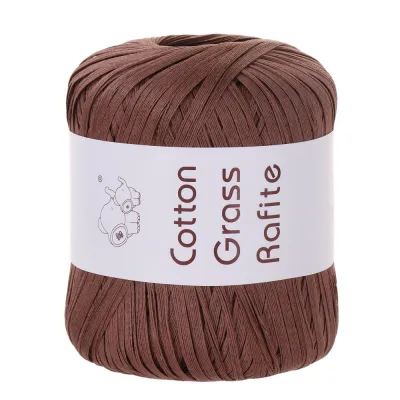
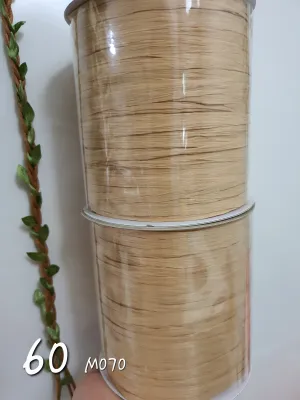
Prices are valid at publication and may change. Please refer to the product page for the latest price.
Before adding any yarn to your online cart, carefully verify the essential label information and specifications. High-quality brands clearly state the fiber content, weight in grams, length in meters, and recommended crochet hook sizes (typically ranging from 3.0mm to 4.5mm for bag projects). Avoid listings that omit these basic metrics or use vague descriptions like “straw thread” without specifying the material. Consistent yarn thickness is vital; variations within a single roll can lead to uneven tension, warping your bag’s symmetry and compromising its structural integrity.
Material Properties That Ensure Bag Structure and Durability
To create a durable, well-shaped, and functional crochet bag, you must understand how the physical characteristics of raffia yarn behave under tension. Unlike traditional wool or acrylic yarns, raffia has virtually no elasticity. This lack of stretch means the yarn’s tensile strength depends entirely on the quality of the raw cellulose fibers and the manufacturing process. High-quality raffia brands process the paper or viscose to resist splitting when pulled firmly. When evaluating a brand, look for a flat ribbon that is folded consistently or a pre-twisted strand that does not untwist easily. This structural integrity ensures that bag straps and bases do not sag or snap when carrying daily essentials.

The surface texture and friction levels of the yarn also play a major role in stitch stability. Extremely smooth or slick synthetic raffia can cause stitches to slip, leading to loose tension and a floppy bag structure over time. Conversely, a slightly textured, matte paper raffia provides natural friction that locks each stitch securely in place. This friction is particularly beneficial when working dense, structural stitches like the single crochet, waistcoat stitch, or thermal stitch. These tight stitch patterns rely on the yarn’s surface grip to maintain a rigid, self-supporting fabric that keeps its shape even when empty.
Given Singapore’s warm and humid climate, moisture resistance and recovery properties are essential considerations for everyday accessories. While pure paper raffia is biodegradable and breathable, low-grade paper yarns can soften, swell, and lose their structural integrity when exposed to high humidity or light rain. Premium paper raffia brands often apply a light, water-resistant treatment to the fibers, allowing the finished bag to repel minor splashes and sweat without losing its shape. Viscose-based raffia handles humidity exceptionally well, maintaining its strength and color without softening, though both types should still be protected from heavy downpours and thoroughly dried if they become wet.
How to Evaluate and Verify Yarn Brands on Online Marketplaces
Shopping for craft supplies on online marketplaces requires a systematic approach to verify brand reliability and product quality without the benefit of physical touch. Start by analyzing the product descriptions for transparent manufacturing details. Reputable brands and sellers provide comprehensive specifications, including the country of origin, fiber source, and precise weight and length measurements. If a listing uses generic terms and lacks clear specifications, it is difficult to predict how the material will behave during crocheting or how it will wear over time.
Customer reviews are a goldmine of practical information, offering insights into how the yarn performs in real-world projects. When browsing reviews, look past simple star ratings and search for specific feedback regarding yarn splitting, shedding, or snapping. High-quality raffia should not shed excessive paper dust or split into thin, weak threads while being worked. Another critical factor to look for in reviews is color bleeding. Some poorly dyed raffia yarns can transfer color onto your hands during the crochet process or, worse, onto your clothing when the finished bag is worn. Search customer feedback for keywords like “color transfer,” “stiff,” “soft,” or “split” to gauge the yarn’s true quality.
Verifying seller authenticity and authorized distributor status on e-commerce platforms is crucial to avoid counterfeit or substandard craft supplies. Substandard yarns often mimic the packaging of established brands but lack consistent quality control, resulting in frequent knots, uneven thickness, and weak spots within a single skein. Prioritize purchasing from official brand stores, highly rated local craft shops, or sellers with a high volume of positive transactions and responsive customer service. Authentic distributors are usually willing to provide clear photos of the yarn labels, showing batch numbers and dye lots, which helps ensure you receive genuine, high-quality materials.
Matching Yarn Characteristics to Your Specific Bag Design
Aligning the specific characteristics of your chosen raffia yarn with your intended bag design is key to achieving a professional finish. For highly structured designs, such as boxy tote bags, market baskets, or rigid clutches, stiffness is your primary requirement. For these projects, select a 100% paper-based raffia with a flat, wide ribbon profile. When crocheted with a hook size slightly smaller than recommended, this type of yarn creates a dense, wood-like fabric that holds sharp corners and supports its own weight. This ensures the bag retains its clean lines and does not collapse when placed on a flat surface.
For slouchy hobo bags, flexible drawstring bucket styles, or summer beach bags, a stiff paper yarn can be uncomfortable to carry and difficult to work with. For these designs, softer and more pliable options, such as viscose or rayon-based raffia, are much more suitable. These fibers flow smoothly over the crochet hook, significantly reducing hand and wrist fatigue during long crafting sessions. The resulting fabric has a beautiful, natural drape that conforms comfortably to the body while still offering the rustic, textured aesthetic characteristic of raffia.
Colorfastness and dye lot consistency are also vital considerations, especially for multi-color patterns, stripes, or tapestry crochet designs. Because paper-based yarns are made from natural fibers, they can vary slightly in shade between different production runs based on how the raw material absorbs the dye. Always ensure that all the skeins you purchase for a single project share the exact same dye lot number printed on the label. Additionally, if your design combines highly saturated colors (such as deep navy, red, or black) with lighter shades, test a small sample of the dark yarn by rubbing it with a damp white cloth to check for color transfer before starting your project.
Smart Buying Practices for Craft Supplies on E-commerce Platforms
To ensure a smooth purchasing experience and avoid common online shopping pitfalls in Singapore, it is important to practice smart buying habits. One of the most common challenges when buying yarn online is managing expectations regarding color. Digital screens can distort shades significantly depending on display settings and lighting. A shade that appears as a warm, sandy beige on your screen might arrive as a cool-toned grey. To mitigate this, look for sellers that offer physical color cards or sample rings for purchase. If these are not available, carefully examine customer-uploaded photos in the review section, as these typically show the yarn under natural, unedited lighting conditions.
Managing batch and dye lot consistency is another essential practice for large-scale projects. Always calculate your yarn requirements generously before placing an order. It is far safer to purchase one or two extra skeins from the same batch initially than to run out of yarn mid-project and struggle to find a matching dye lot later. When ordering through e-commerce platforms, use the seller message feature to explicitly request that all skeins of a particular color be selected from the same production batch. Most reputable craft sellers are happy to accommodate this request to ensure customer satisfaction.
Finally, always calculate the total cost of your purchase in S$, taking into account shipping fees and potential bulk discounts. While raffia yarn is lightweight, it is highly volumetric, meaning large orders can sometimes incur higher shipping costs due to the physical size of the package. Compare different listings and check if the seller offers free local shipping above a certain spending threshold. Additionally, review the platform’s return and exchange policies. Knowing you can return defective materials—such as skeins with excessive knots, uneven thickness, or severe fraying—provides peace of mind and protects your investment in your crafting hobby.
Frequently Asked Questions (FAQ)
Can I use standard paper yarn as a substitute for specialized raffia yarn?
Standard paper yarn, such as the type used for gift wrapping, industrial packaging, or general crafting, is generally not a suitable substitute for specialized crochet raffia yarn. Packaging paper yarn is typically stiff, tightly spun into a hard, round cord, and lacks the flexibility required for comfortable crocheting. Attempting to crochet with it can cause severe hand strain and result in a rough, abrasive fabric that is unpleasant to touch. In contrast, specialized raffia yarn is specifically processed to be pliable, flat, or gently folded, allowing it to slide smoothly over a crochet hook while maintaining structural resilience and water resistance. Using generic paper yarn often leads to a brittle bag that is prone to tearing when wet and lacks the refined finish of purpose-made crochet raffia.
How do I prevent raffia yarn from tangling or fraying while crocheting?
To prevent tangling, it is best to avoid pulling raffia yarn from the center of the skein unless it has been wound into a professional center-pull cake. Pulling from the outside of the roll helps maintain the flat, untwisted ribbon structure of the yarn. If the strand begins to twist excessively as you work, simply let the skein dangle and untwist naturally. To prevent fraying and splitting, always use high-quality crochet hooks with smooth surfaces, such as polished aluminum, plastic, or smooth bamboo; avoid hooks with rough seams or sharp edges that can catch on the delicate paper fibers. When joining a new skein, avoid tying bulky knots, which can create weak points and unsightly bumps in your work. Instead, use a small dab of fabric adhesive designed for paper and yarn, or weave the ends securely over several stitches to distribute the tension evenly across the fabric.
Community discussion
Share your experience or ask a question. Comments are reviewed before publication.