
For beginners in Singapore looking to start their needlework journey, the most reliable plastic embroidery frame is a medium-sized (6 to 8 inches) round hoop featuring a molded tongue-and-groove inner ridge and a heavy-duty metal adjustment screw. This specific configuration provides reliable fabric tension, prevents slippage during long stitching sessions, and easily withstands the high humidity of the local climate. By focusing on these structural features rather than brand names, you can secure a durable tool that keeps your fabric taut and your stitches consistent.
Evaluating Plastic Frames for Beginner Embroidery
When selecting your first embroidery frame, the material you choose directly impacts your stitching experience, comfort, and the longevity of your tools. While traditional wooden hoops are widely available, plastic frames offer distinct practical advantages, particularly for those new to the craft.
Plastic hoops are exceptionally lightweight, reducing hand fatigue during extended stitching sessions. Unlike wood, which can have microscopic splinters or rough edges that snag delicate embroidery floss, molded plastic provides a smooth surface. This smooth finish protects both your ground fabric and your working threads from accidental damage.
Products mentioned in this guide
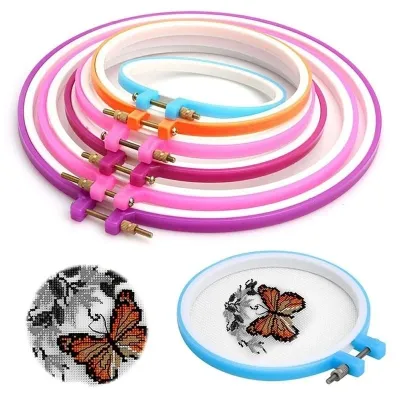

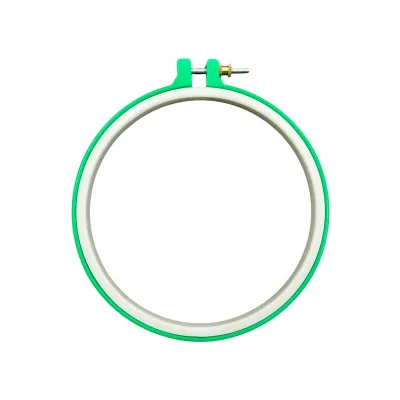
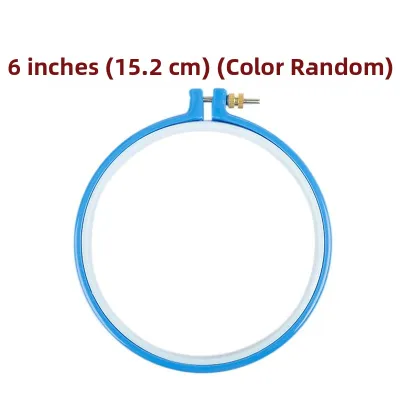
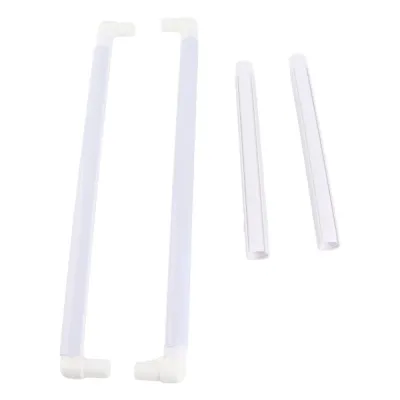
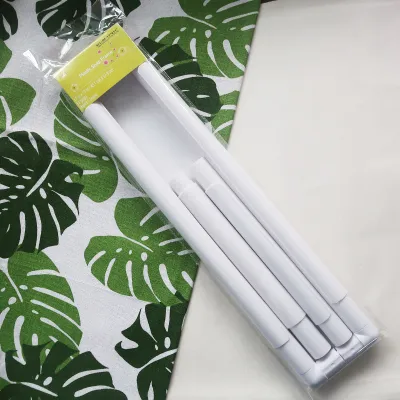
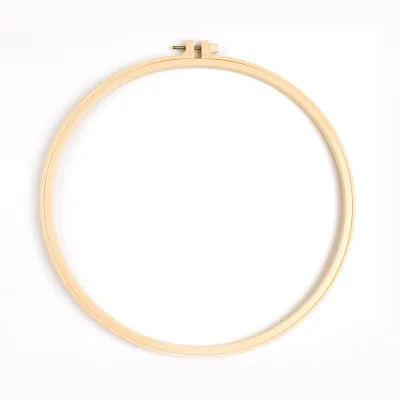
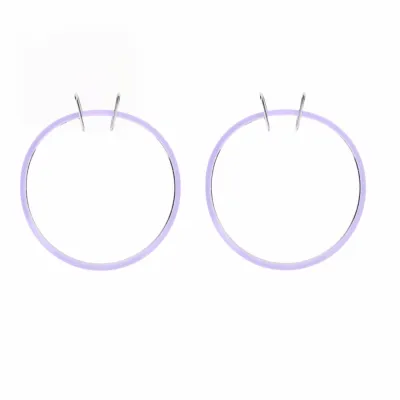
Prices are valid at publication and may change. Please refer to the product page for the latest price.
In Singapore’s tropical climate, where relative humidity levels regularly exceed 80 percent, material stability is a major consideration. Wooden hoops absorb moisture from the air, causing them to expand, contract, or warp over time. This warping can create gaps between the inner and outer rings, leading to uneven tension. Plastic is highly resistant to humidity, maintaining its exact shape and structural integrity regardless of the weather. Furthermore, plastic frames are highly resistant to mold and can be easily washed with mild soap and water if they accumulate oils from your hands.
However, plastic frames do have specific limitations. Under extreme tension, very thin or low-grade plastic hoops can flex or bow, which compromises their grip. Additionally, highly slippery fabrics like silk or heavy, dense materials like thick denim may require extra preparation to stay secure, as the smooth plastic surface offers less natural friction than unfinished wood. For standard cotton, linen, and aida cloth, a high-quality plastic frame remains an outstanding, low-maintenance choice.
Key Mechanisms and Features to Check Before Buying
Understanding the physical design of a plastic embroidery frame allows you to assess its quality before making a purchase. Three primary features dictate how well a frame will perform: the closure mechanism, the inner rim design, and the overall rigidity of the material.

Closure Mechanisms
The method used to tighten the frame determines how easily you can adjust tension and how long that tension will hold.
- Screw-Tightened Hoops: This is the most common and versatile design for beginners. It features an outer ring with an open section joined by a long screw and nut. When buying, look for frames with metal screws—ideally brass or stainless steel—rather than plastic ones. Metal threads are far less likely to strip or crack under pressure, allowing you to tighten the hoop securely.
- Spring-Loaded Hoops: These consist of a flexible metal inner ring with squeeze-handles and a rigid plastic outer ring. You squeeze the inner ring to compress it, place your fabric over the outer ring, and release the spring. While incredibly fast to mount, they offer no manual tension adjustment, making them less suitable for very thick or highly delicate fabrics.
- Snap-Fit or Flexi-Hoops: These frames use a rigid inner plastic ring and a flexible, rubberized outer ring that stretches and snaps into a groove. They provide consistent, uniform tension and often feature decorative wood-grain finishes. However, they can be physically challenging for beginners to assemble without distorting the weave of the fabric.
Lip Depth and Inner Grooves
The secret to the reliable grip of plastic frames lies in their interlocking profiles. High-quality plastic hoops feature a “tongue-and-groove” system, where a raised ridge (the tongue) on the outer wall of the inner ring fits precisely into a corresponding channel (the groove) on the inner wall of the outer ring.
When the outer ring is tightened, this interlocking system crimps the fabric slightly, locking it firmly in place. This prevents the fabric from sagging as you work. When shopping, always check the product photos or packaging to confirm the presence of this molded ridge, as completely smooth plastic hoops will struggle to hold tension.
Material Thickness and Rigidity
The overall sturdiness of the plastic determines whether the hoop will warp under pressure. Cheap, thin-walled plastic hoops will bend inward when you tighten the screw, creating loose spots along the sides. Look for hoops made from dense, thick-walled plastics such as ABS (acrylonitrile butadiene styrene) or heavy-duty polypropylene. These materials feel solid in the hand and resist flexing, ensuring a flat, drum-tight stitching surface.
Matching Frame Size and Depth to Your Fabric
Selecting the correct frame size and depth is not just about matching the scale of your design; it also involves hand ergonomics and fabric compatibility.
Diameter Selection
Embroidery frames are measured by their diameter, and choosing the right size depends on your physical comfort and the active stitching area.
- Small Frames (under 4 inches): These are excellent for small motifs, patches, or intricate detail work. However, because the working area is so small, your hands may feel cramped, and you will need to reposition the fabric frequently for larger designs.
- Medium Frames (4 to 8 inches): A 6-inch or 7-inch hoop is widely considered a practical starting size for beginners. It fits comfortably in one hand, allowing your non-dominant hand to support the frame while your dominant hand stitches. It provides a generous working area that accommodates most beginner patterns without requiring constant fabric repositioning.
- Large Frames (over 8 inches): While tempting for larger projects, big hoops are heavy and difficult to hold steady for long periods without a dedicated floor or table stand. Maintaining uniform tension across a large plastic surface is also significantly more challenging.
Fabric Thickness Compatibility
The depth of the frame’s lip and the adjustability of its screw determine which fabrics it can accommodate. Standard lightweight cottons, linens, and 14-count aida cloth are highly compatible with almost all plastic frames.
If you plan to work with thicker materials, such as canvas, wool felt, or multiple layers of fabric for applique, you must ensure the frame’s screw is long enough to accommodate the extra bulk. A frame with a shallow lip or a short screw will struggle to close over thick fabrics, potentially stripping the threads or cracking the plastic housing.
Working vs. Display Dimensions
It is important to distinguish between a “working” hoop and a “display” hoop. A working hoop is designed purely for utility, featuring a prominent adjustment screw and a rigid structure optimized for holding high tension during the stitching process.
A display hoop, such as a flexi-hoop, is designed to frame the finished piece for wall hanging. These hoops often omit the adjustment screw entirely, replacing it with a decorative hanging loop. While you can stitch directly in a display hoop, doing so can be frustrating due to the lack of adjustable tension. For the best results, beginners should use a rigid, screw-tightened plastic hoop for the active stitching phase, then transfer the finished, washed piece to a dedicated display frame.
Sourcing and Verifying Product Specs in Singapore
Finding the right plastic embroidery frame in Singapore requires knowing where to look and how to evaluate product specifications to ensure you receive a high-quality tool.
Local and Online Sourcing Channels
Singapore offers several reliable avenues for purchasing embroidery supplies. For a hands-on experience, visit traditional haberdasheries and craft shops located in historic commercial areas like Chinatown, or explore neighborhood stationery and sewing supply stores. These physical locations allow you to handle the hoops, test the rigidity of the plastic, and inspect the screw mechanisms firsthand.
If shopping on online marketplaces or dedicated craft ecommerce platforms, you have access to a wider variety of sizes and styles. However, online shopping requires extra vigilance to ensure you are not buying low-grade, flimsy products.
Product Specification Checklist
Before finalizing an online purchase, systematically verify the following details in the product description:
- Exact Dimensions: Ensure the listing specifies the inner diameter of the hoop, as some sellers list the outer dimensions, which can make the actual stitching area smaller than expected.
- Screw Material: Look for explicit mentions of metal hardware, brass screws, or stainless steel tension adjusters. Avoid listings that do not specify the screw material or show purely plastic adjustment tabs.
- Inner Ridge Confirmation: Verify that the product description or close-up photos show a molded inner ridge or tongue-and-groove system.
- Plastic Grade: High-quality listings often specify the use of ABS plastic or durable resin.
Red Flags to Avoid
Be cautious of listings that use vague terms like “universal embroidery hoop” without providing exact measurements or material specifications. Extremely cheap multi-packs—such as five or six hoops bundled together for under S$5—are often made from thin, recycled plastics that warp easily and lack the necessary rigidity to hold fabric tight. Finally, watch out for listings with unverified claims of “slip-free performance” that do not show a physical inner ridge in the product images; without a physical groove, smooth plastic cannot guarantee a secure grip.
Frequently Asked Questions (FAQ)
How do I prevent fabric from slipping in a plastic frame?
If you find your fabric slipping during stitching, you can easily increase the frame’s grip by wrapping the inner ring with cotton twill tape or bias tape. Simply wind the tape tightly around the circumference of the inner ring, overlapping the edges slightly, and secure the ends with a few small stitches or fabric glue. This adds a textured, compressible layer that fills any minor gaps between the rings and holds the fabric firmly in place. Additionally, always ensure you tighten the adjustment screw gradually while gently pulling the fabric taut around the edges, taking care not to over-tighten to the point of stripping the metal threads.
Can plastic embroidery frames be used for final display?
Yes, plastic frames can make highly suitable final displays, provided you choose the right style. Standard utility hoops with bright colors and prominent metal screws offer a modern, playful aesthetic that works well with contemporary designs. Alternatively, flexi-hoops are specifically designed for display, featuring a wood-grain textured outer ring made of flexible plastic and a built-in hanging loop at the top. These frames mimic the classic look of polished wood while retaining the durability and moisture resistance of plastic, making them ideal for hanging finished pieces in Singapore’s humid environment without risk of decay.
Community discussion
Share your experience or ask a question. Comments are reviewed before publication.