
Gifting a piece of history carries a quiet, enduring weight that modern mass-produced souvenirs simply cannot match. For those looking to present a meaningful token of Singapore’s heritage, a vintage Singapore coin offers a tangible connection to the nation’s rapid transformation from a bustling trading port to a global financial hub. These miniature pieces of art capture specific eras, cultural shifts, and national aspirations in their metal alloys, making them highly personal gifts when matched thoughtfully to the recipient’s own story. Whether you are looking to delight an international visitor, evoke deep nostalgia in an elderly relative, or satisfy the rigorous standards of a history enthusiast, selecting the right coin requires an understanding of local numismatic history, design symbolism, and proper preservation.
Understanding Vintage Singapore Coin Designs and Conditions
To choose the right coin, it helps to understand the distinct design eras of Singapore’s currency. The First Series, introduced in 1967 shortly after independence, is affectionately known as the “Marine Series.” It features local marine life and maritime symbols, reflecting the young nation’s reliance on the sea and its identity as an island state. This series is highly prized for its bold, clean artistic style, capturing creatures like the seahorse, swordfish, and lionfish. The Second Series, launched in 1985, shifted the focus to local flora, celebrating the “Garden City” vision with detailed depictions of flowers like the Vanda Miss Joaquim, star jasmine, and powderpuff plant.
For gifting purposes, the physical condition of the coin plays a major role in its visual appeal and presentation value. “Circulated” coins bear the soft wear, minor scratches, and natural patina of actual use in daily commerce, which can add a sense of rustic authenticity and historical charm. These coins tell a story of the hands they have passed through and the daily transactions they facilitated. Conversely, “Uncirculated” or “Proof” coins retain their original mint luster, sharp details, and mirror-like finishes. These pristine specimens are ideal for formal presentation or display, as they showcase the engraver’s art in its purest form.
Products mentioned in this guide
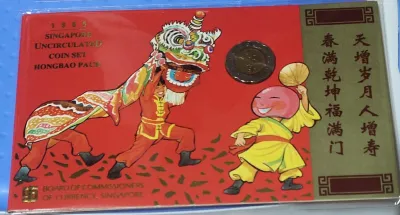

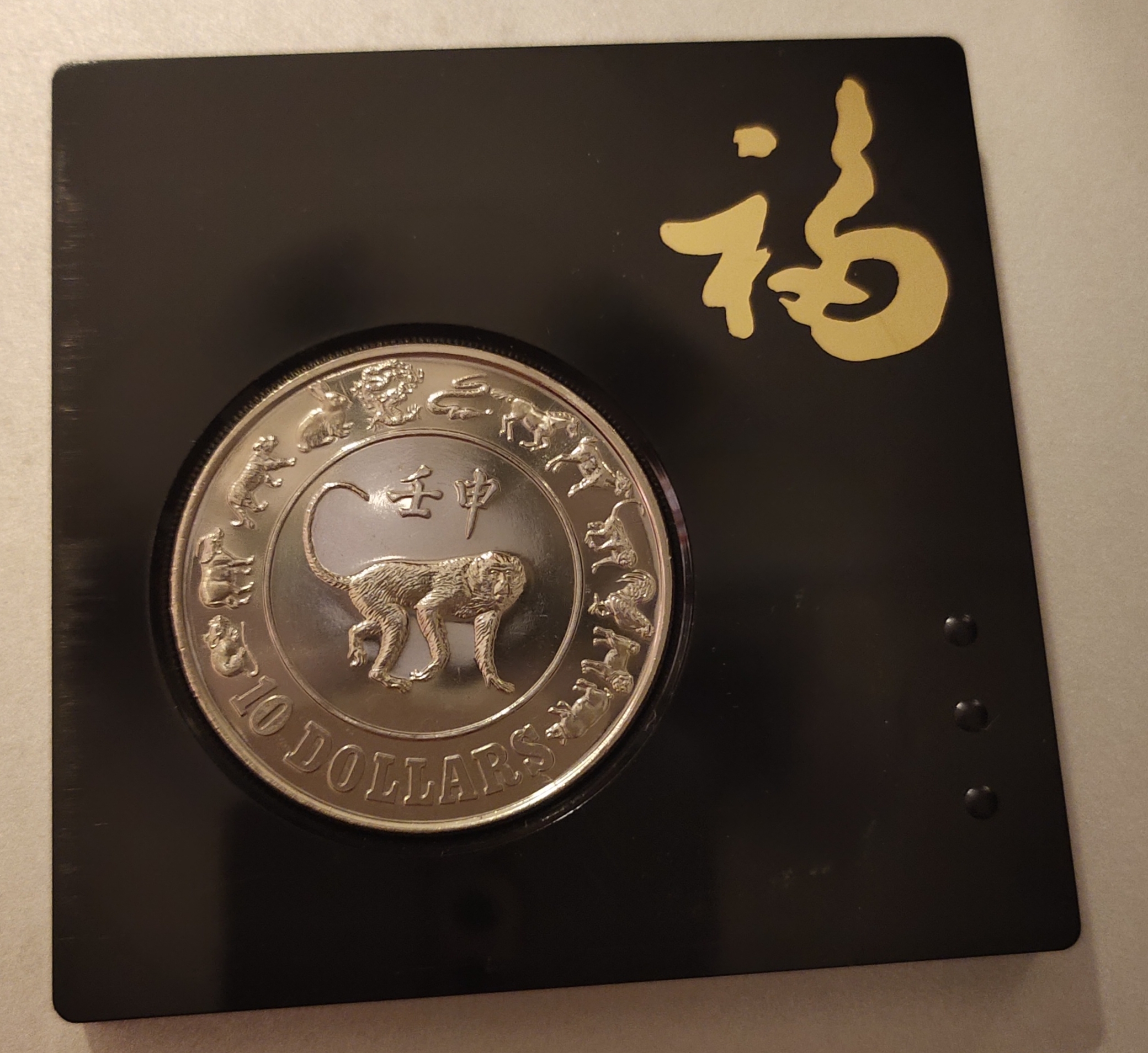
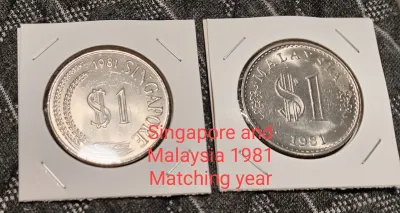
Prices are valid at publication and may change. Please refer to the product page for the latest price.
The metal composition of these coins also tells a story of the era’s economic realities. For example, early First Series coins were struck in copper-nickel for higher denominations, while the 1-cent coin was minted in bronze. Over time, as metal prices fluctuated, compositions changed, and understanding these shifts can help you explain the physical weight and color variations of the coins to your recipient. These subtle details add another layer of depth to your gift, showing a comprehensive appreciation for the object’s history.
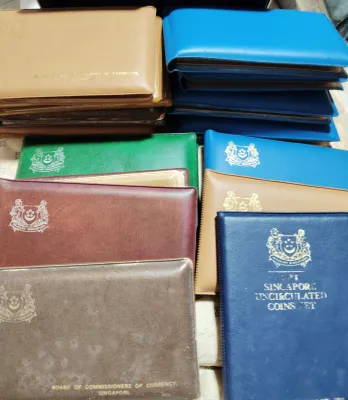
It is also important to distinguish between standard circulation coins and special commemorative issues. Standard coins represent everyday life and shared memories of the local population, making them highly relatable and nostalgic. Commemorative issues—often minted in precious metals like silver or gold—mark specific historical milestones, such as national anniversaries, key infrastructural achievements, or regional sporting events. These limited-edition pieces offer a premium gifting option, often coming in original presentation cases that add to their collectible appeal.
Matching Vintage Coin Themes to Your Recipient
A vintage coin is more than just old currency; it is a physical story. To make your gift truly memorable, align the coin’s specific imagery, era, and historical context with the recipient’s personal journey, interests, or relationship with Singapore.

Meaningful Picks for Tourists and Visitors
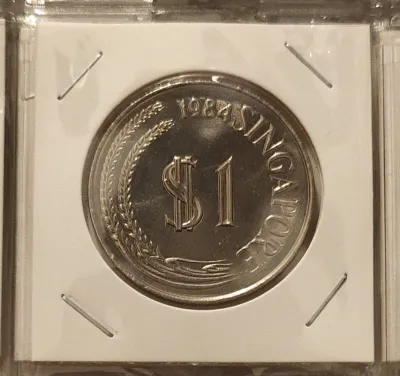
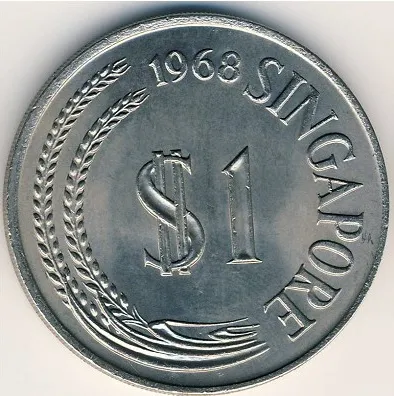
For international visitors, a souvenir should encapsulate the unique identity of the destination. The First Series S$1 coin, featuring a stylized merchant vessel set against a background of a towering crane, is an exceptional choice. It beautifully represents Singapore’s historical roots as a maritime trading post and its subsequent industrial rise, making it a highly symbolic keepsake. This design tells the story of how a small island nation leveraged its geographic position to become a global shipping powerhouse.
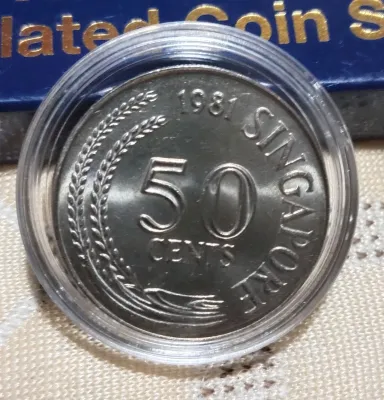
Another visually striking option is the First Series 50-cent coin, which showcases the intricate, dramatic form of a lionfish. This design highlights the tropical marine biodiversity surrounding the island, offering an exotic and artistic keepsake that stands out in any collection. The lionfish motif is both elegant and bold, capturing the attention of anyone who appreciates natural history and fine engraving.
When selecting coins for tourists, larger denominations like the 50-cent or S$1 pieces are generally preferred. Their larger surface area makes the detailed engravings easy to appreciate without magnification, making them highly suitable for display on a desk, shelf, or mantelpiece back home. Additionally, these larger coins have a satisfying weight in the hand, reinforcing the feeling of holding a substantial piece of Singapore’s history.
Sentimental Choices for Elderly Relatives
For older family members, a vintage coin can act as a powerful key to the past, unlocking memories of their youth, early careers, or significant family milestones. Selecting a coin minted in a year that corresponds to a major life event—such as their marriage year, the birth of their first child, or the year they purchased their first home—adds an incredibly deep layer of sentimentality. This personalized touch shows that you have put genuine thought into aligning the gift with their personal history.
The First Series coins, which circulated widely from the late 1960s through the mid-1980s, carry immense nostalgic value for those who lived through Singapore’s early decades of independence. Handing an elderly relative a well-preserved 10-cent seahorse coin or a 20-cent swordfish coin can instantly evoke memories of simple daily transactions, bustling wet markets, and the old streetscapes of their younger days. These coins represent the tangible reality of the nation’s nation-building years, a period of hard work and shared progress that many older Singaporeans look back on with immense pride.
Alternatively, the Second Series S$1 coin, introduced in 1987 with its iconic octagonal rim, holds a special place in local lore. The octagonal shape is widely associated with traditional beliefs of prosperity and positive energy, making it a highly auspicious and respectful gift for elderly relatives during festive occasions like Chinese New Year or milestone birthdays. Gifting this coin is a subtle way to wish them good fortune and longevity, wrapped in a familiar piece of local history.
Historical and Thematic Selections for Enthusiasts
History buffs and dedicated numismatists appreciate coins that tell a complex story or represent a pivotal moment in minting history. For these recipients, look for transitional years or low-mintage issues where the historical context is as valuable as the physical coin itself. For instance, coins from the transition years between the First and Second series offer a fascinating look at how the nation’s visual identity evolved over time.
Special commemorative issues are particularly appealing to enthusiasts. For example, early silver commemorative coins issued in the late 1960s or 1970s to mark key national milestones offer both historical depth and aesthetic beauty. These coins were often produced in limited quantities, making them highly sought-after pieces of Singapore’s tangible heritage. An enthusiast will appreciate the rarity of these issues and the specific historical events they celebrate, such as the founding of modern Singapore or early National Day celebrations.
When gifting to an enthusiast, it is crucial to balance historical significance with the coin’s physical state. While a rare coin in average condition is still appreciated, finding a specimen with minimal wear and a clear, legible strike allows the recipient to study the fine details of the engraving, such as the designer’s initials or subtle minting variations, under a magnifying glass. Providing a coin that has been well-preserved ensures that its historical details remain sharp and clear for study and display.
Sourcing and Verifying Vintage Coins for Gifting
Acquiring authentic vintage coins requires a careful approach to ensure you are purchasing genuine historical items rather than modern replicas or altered pieces. A reliable route is to visit established numismatic shops and certified coin dealers, many of which are located in historic districts like Chinatown or specialized shopping arcades in Singapore. These professional dealers have the expertise to verify the authenticity of their inventory and can provide valuable background information on each piece, helping you understand the history behind your purchase.
When visiting a numismatic shop, do not hesitate to ask the dealer about the coin’s provenance or history. Reputable dealers are usually passionate collectors themselves and are often happy to share stories about where a particular batch of coins came from or how rare a specific year’s strike is. Asking questions like “Has this coin been professionally conserved?” or “Are there any known die varieties for this year?” can help you gauge the dealer’s expertise and ensure you are making an informed purchase. This dialogue not only guarantees authenticity but also arms you with fascinating anecdotes to share with your recipient.
Before making a purchase, perform some basic visual checks to assess the coin’s authenticity and condition. Look closely at the surface of the coin for signs of harsh cleaning, such as fine, parallel hairline scratches or an unnaturally bright, chemical-looking shine that lacks the soft, cartwheel luster of an original uncirculated coin. Genuine vintage coins should have natural, even wear and a consistent patina that develops slowly over decades of exposure to the air. Avoid coins that show signs of being polished, as this permanently damages the metal and ruins its historical value.
Be cautious of coins that look unusually pristine for their age unless they are certified by reputable third-party grading services. For high-value or rare commemorative coins, always ask the seller for original mint packaging, certificates of authenticity, or a written guarantee of genuineness. If purchasing from online marketplaces or auction platforms, prioritize sellers with long-standing positive feedback, clear return policies, and detailed, high-resolution photographs of the actual coin you will receive. Taking these precautions ensures that your gift is a genuine piece of history that the recipient can cherish with confidence.
Elevating the Gift with Proper Presentation
The presentation of a vintage coin gift is just as important as the coin itself, especially when positioning it as a meaningful keepsake. To protect the coin from environmental damage while enhancing its visual appeal, avoid loose storage or cheap plastic sleeves. Many inexpensive plastic holders contain polyvinyl chloride (PVC), which degrades over time and releases acidic green residue that can permanently corrode and ruin the coin’s surface. This chemical damage is irreversible and can destroy both the beauty and value of the coin.
Instead, opt for archival-safe materials such as PVC-free acrylic capsules, inert cardboard flips with Mylar windows, or velvet-lined presentation boxes. A floating 3D suspension frame, which holds the coin securely between two sheets of flexible, transparent membrane, is an excellent modern display option that allows the recipient to view both the obverse and reverse sides of the coin without touching it. This type of display makes the coin look like a museum artifact, instantly elevating its perceived value.
Since the presentation card is a key element of the gift, consider using premium stationery materials to match the historical theme. Textured cotton paper, parchment-style cardstock, or hand-pressed paper with deckled edges can complement the vintage aesthetic beautifully. Writing the historical details in elegant calligraphy or using a classic typewriter font can further enhance the old-world charm of the presentation. You can secure the information card and the coin holder together inside a wax-sealed envelope or a small linen pouch, creating a multi-layered unwrapping experience that feels highly personal and luxurious.
To elevate the gifting experience further, include a beautifully crafted information card using high-quality stationery. Write down the coin’s denomination, year of issue, design details, and a brief explanation of its historical significance. This thoughtful addition transforms the coin from a simple piece of old currency into a curated historical artifact, showing the recipient that deep thought and care went into selecting their gift. Always handle the coin by its edges or wear clean cotton gloves during packaging to prevent skin oils from tarnishing the metal over time.
Frequently Asked Questions (FAQ)
Is it legal to gift or export vintage Singapore coins?
Yes, it is entirely legal to gift, own, and export standard vintage Singapore coins. These coins are considered collectible items and historical artifacts. However, if you are planning to export exceptionally rare, high-value, or culturally significant numismatic treasures in large quantities, it is wise to check local export regulations. For standard personal gifts, you can safely pack them in your luggage or ship them internationally, though you should always verify the customs and import regulations of the recipient’s destination country to avoid any unexpected delays or duties at the border.
Should I clean a vintage coin before gifting it?
No, you should never clean a vintage coin before gifting it, regardless of how dirty or tarnished it may appear. Abrasive rubbing, metal polishes, or chemical dips can permanently strip away the coin’s original surface metal and its natural patina, which took decades to form. This irreversible damage drastically reduces the coin’s historical and numismatic value. If the coin has loose dust or debris, you can gently blow it away using a manual air blower or use a very soft, dry camel-hair brush. For heavily soiled or corroded pieces that require deep preservation, it is highly advisable to leave them in their natural state or consult a professional numismatic conservator.
Community discussion
Share your experience or ask a question. Comments are reviewed before publication.