
A thoughtfully chosen historical coin is far more than simple currency; it is a tangible fragment of time, a physical survivor of the eras that shaped modern Singapore. For history lovers and collectors, holding a coin minted during the colonial era or the early days of independence offers an immediate, tactile connection to the past. Unlike modern mass-produced souvenirs, historical coins carry a sense of gravity, artistry, and individual story, making them exceptional gifts for milestones, birthdays, or corporate gestures. Selecting the perfect coin requires balancing the recipient’s personal connection to Singapore’s history with the physical condition, authenticity, and presentation of the piece.
To make a truly meaningful choice, you must first understand where your recipient’s interests lie on the historical and collecting spectrum. By aligning the coin’s historical context with their personal passion, you transform a simple collectible into a deeply personal keepsake.
Understanding the Recipient's Numismatic Interests
To select a coin that truly resonates, you must first understand where your recipient’s interests lie on the historical and collecting spectrum. A casual history enthusiast is often drawn to the narrative, visual charm, and sheer age of a coin. For this person, a coin does not need to be flawless or exceedingly rare; instead, it should tell a compelling story about Singapore’s development, such as the bustling trade of the colonial port or the pride of early self-governance. They will appreciate the aesthetic details, the historical context, and the physical connection to a bygone era.
Products mentioned in this guide
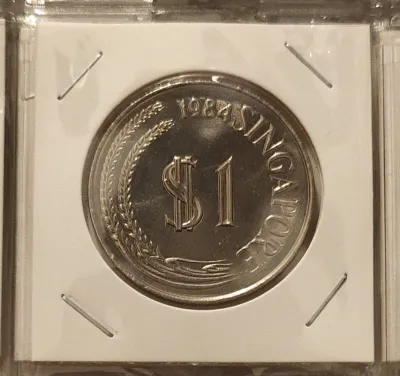
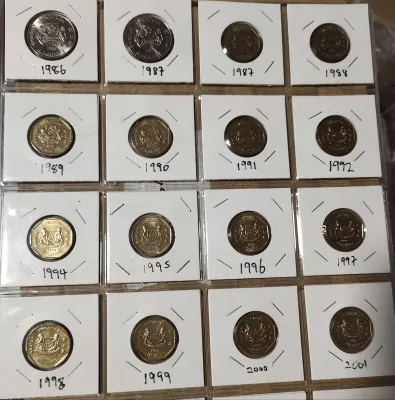
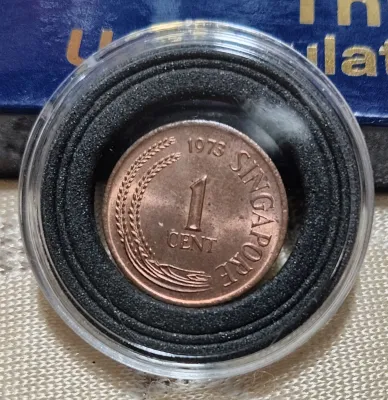

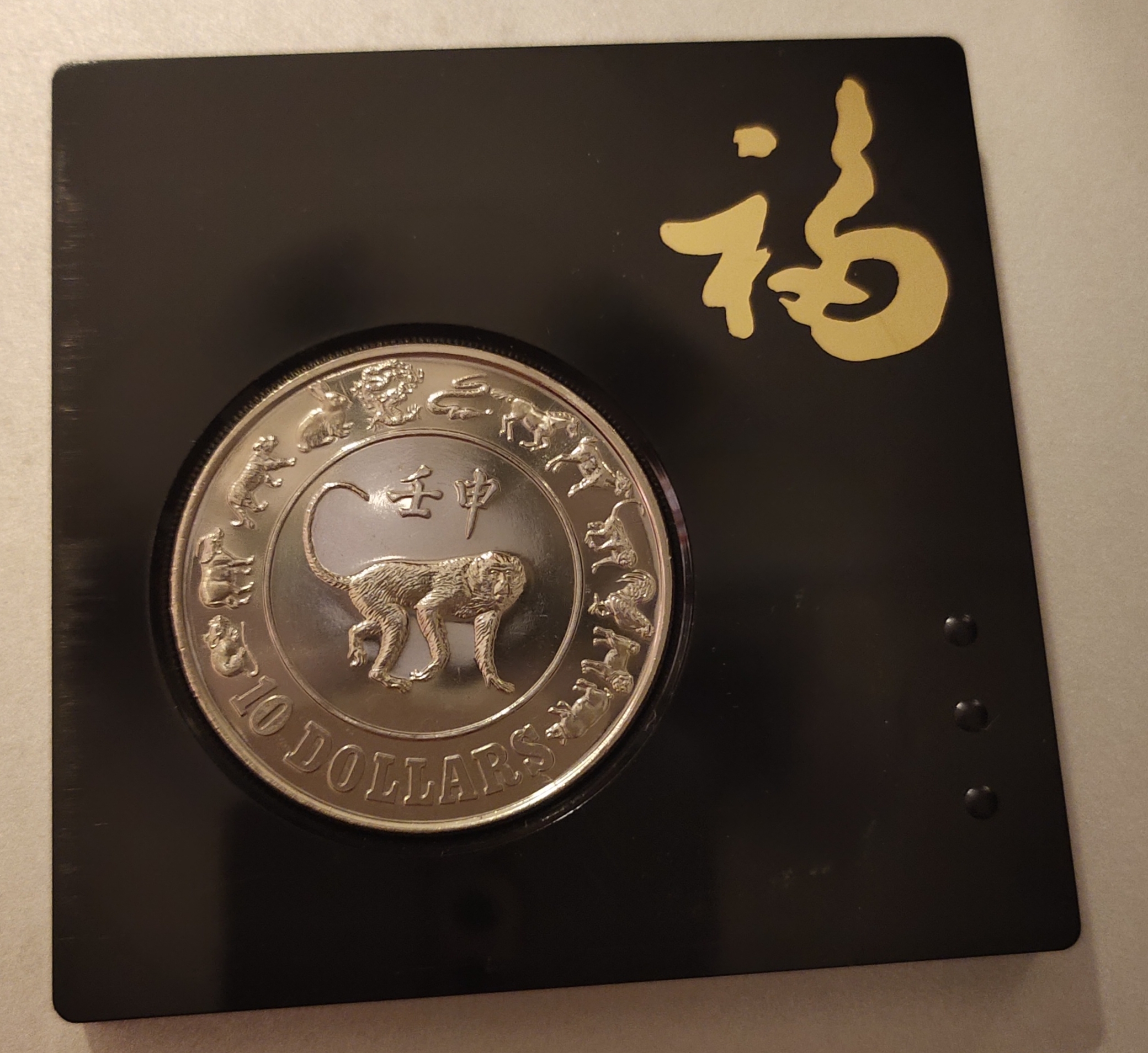
Prices are valid at publication and may change. Please refer to the product page for the latest price.
In contrast, a serious numismatist operates with a different set of priorities. They are highly focused on technical details, including specific mint marks, mintage numbers, metal compositions, and precise preservation states. For a dedicated collector, a common coin in average condition may hold little interest, whereas a highly graded, certified specimen of a relatively scarce issue could be the crown jewel of their collection. When gifting to a serious collector, it is often wise to discreetly inquire about their current collection focus or seek out certified, professionally graded pieces that fill a specific gap in their holdings.
It is also essential to distinguish between the different types of value a coin can hold. Intrinsic value refers strictly to the melt value of the precious metal, such as silver or gold, from which the coin is made. Historical significance, on the other hand, is tied to the role the coin played in society, the era it represents, or the symbols depicted on its face. Rarity is determined by how many specimens survive today in a given condition. The most meaningful gifts often strike a balance, offering a rich historical narrative alongside a level of preservation that makes the coin a pleasure to examine and display.
Notable Eras and Coin Categories for Meaningful Gifts
Singapore’s monetary journey mirrors its geopolitical evolution, offering several distinct eras of coinage that appeal to different historical sensibilities. By mapping these major historical periods to their corresponding coin designs, you can select a gift that aligns perfectly with the recipient’s favorite historical chapter.

Straits Settlements and Colonial Era Coins
For those fascinated by the early maritime history of the region, coins from the Straits Settlements era (1826–1939) are highly evocative. During this period, Singapore served as a vital trading hub under British colonial administration, and the currency circulated across a territory that included Penang and Malacca. These coins represent the bustling era of coal-fired steamships, rubber plantations, and spice merchants. They carry a distinct colonial aesthetic, featuring the portraits of British monarchs such as Queen Victoria, King Edward VII, King George V, and King George VI.
The visual variety of Straits Settlements coinage makes them exceptionally fun to collect and gift. You can find copper half-cents, one-cent pieces, and silver denominations ranging from five cents to the substantial one-dollar coin. One of the most unique options from this era is the square-shaped one-cent or half-cent coins issued in the early twentieth century. Their unusual geometry immediately catches the eye, making them excellent conversation pieces. Silver dollars from the late nineteenth and early twentieth centuries are also highly prized for their weight, intricate designs, and the classic luster of old silver, offering a premium feel that makes them feel like a treasure.
Early Republic and Circulation Issues
If your recipient is more drawn to modern nation-building and local heritage, the first coins issued by the independent Republic of Singapore are an outstanding choice. Introduced in 1967, the First Series of circulation coins—often referred to as the Marine Series—marked a monumental step in the nation’s sovereignty. Replacing the Malaya and British Borneo currency, these coins symbolized Singapore’s new identity and economic independence.
The designs of the First Series are deeply rooted in local natural history, featuring marine life that reflects Singapore’s island geography. The ten-cent coin features a seahorse, the twenty-cent coin depicts a swordfish, the fifty-cent coin showcases a lionfish, and the one-dollar coin features a stylized merchant vessel set against a background of clouds. These designs evoke a powerful sense of nostalgia for older generations who remember using them in daily life, while younger history lovers appreciate them as symbols of a young nation finding its footing. Gifting a well-preserved set of these early circulation coins is a beautiful way to celebrate local identity and shared heritage.
Commemorative and Limited Edition Sets
For a gift that is explicitly designed for presentation, official commemorative coins and limited-edition proof sets are highly recommended. Unlike standard circulation coins, which are minted quickly for daily commerce, proof coins are struck using specially polished dies and planchets. This process results in a mirror-like background field and frosted, highly detailed raised designs, creating a striking visual contrast that is immediately recognizable.
The Monetary Authority of Singapore has issued numerous commemorative coins over the decades to mark significant national milestones, cultural events, and historical anniversaries. Examples include coins celebrating key anniversaries of founding milestones, national defense achievements, or cultural festivals. These pieces are often minted in precious metals like sterling silver or gold and are packaged in official presentation cases with certificates of authenticity. Because they were never intended for general circulation, they are typically found in pristine condition, making them a sophisticated and hassle-free gifting option.
Evaluating Condition, Grading, and Authenticity
When browsing old coins for sale, understanding how to evaluate their physical condition and verify their authenticity is crucial to ensuring you are getting a genuine piece of history. The value and appeal of a coin are heavily influenced by its state of preservation. In numismatics, condition is described using standardized grading terms. “Circulated” coins show signs of wear, scratches, and loss of detail from being passed from hand to hand. “Uncirculated” coins retain their original mint luster and show no signs of wear, though they may have minor contact marks from the minting process. “Proof” refers to the specialized manufacturing method described earlier, rather than a grade of wear.
To guarantee the legitimacy of a high-value coin, look for specimens that have been certified by reputable, independent third-party grading services, such as the Numismatic Guaranty Company (NGC) or the Professional Coin Grading Service (PCGS). These coins are assessed by professional graders, authenticated, and sealed in tamper-evident plastic holders known as “slabs.” The slab features a label detailing the coin’s denomination, year, variety, and numerical grade on a scale from 1 to 70. Buying a slabbed coin provides peace of mind, especially for beginners, as it eliminates the risk of purchasing a counterfeit or altered piece.
If you are purchasing uncertified coins, you must learn to identify common red flags. One of the most critical rules in coin collecting is to avoid coins that have been improperly cleaned. Well-meaning gift givers sometimes try to polish old coins to make them look shiny and new, but this permanently damages the coin’s surface, leaving microscopic harsh scratches and stripping away the natural patina or “toning” that develops over decades. A naturally aged coin with a dark, even patina is far more desirable and valuable than one that has been chemically stripped or scrubbed. Other red flags include soft, mushy details (which can indicate a cast counterfeit), unnatural edges, or signs of environmental corrosion.
When searching for old coins for sale, always verify the reputation of the seller. Established local dealers, specialized numismatic auction houses, and members of recognized trade associations are generally the safest sources. Ensure the seller has a clear return policy that allows you to have the coin inspected or returned if it does not meet expectations. Ask for any available provenance documentation, which traces the coin’s history and ownership, adding an extra layer of historical value to your gift.
Sourcing, Presentation, and Gifting Etiquette
Finding the perfect coin is only half the journey; how you source and present it plays a massive role in the overall gifting experience. To acquire a high-quality coin, consider visiting established local numismatic shops, particularly those located in historic districts like Chinatown or central commercial areas. These physical stores allow you to examine the coins under a magnifying glass before purchasing and offer the opportunity to speak with knowledgeable dealers who can share historical anecdotes about the piece. Alternatively, reputable online numismatic platforms and specialized auctions provide access to a wider variety of rare issues, though you should rely on high-resolution photographs and certified grading when buying online.
Once you have acquired the coin, proper presentation is essential to protect its condition and elevate it as a premium gift. Standard plastic sleeves and soft vinyl holders often contain polyvinyl chloride (PVC). Over time, PVC breaks down and releases acidic chemicals that react with the metal of the coin, leaving a sticky, green residue known as verdigris that can permanently ruin the surface. Instead, always choose archival-quality, PVC-free holders. Mylar flips, hard plastic capsules, or specialized coin display cases are excellent choices. A wooden presentation box lined with acid-free felt or velvet provides a luxurious touch that makes the act of opening the gift feel truly special.
To turn a coin into a deeply meaningful narrative gift, do not let the coin stand alone. Include a beautifully written contextual note or a small historical summary. Explain the significance of the era the coin represents, the meaning behind the symbols on its face, and why you chose that specific piece for the recipient. If the coin comes with original mint packaging, certificates of authenticity, or historical documentation, present these alongside the coin. This thoughtful addition transforms the gift from a simple collectible into an engaging storytelling experience, allowing the recipient to fully appreciate the historical journey of the treasure they now hold.
Frequently Asked Questions (FAQ)
Is it legal to buy and sell old Singapore coins?
Yes, it is entirely legal to buy, sell, and own old Singapore coins, including colonial-era issues and early Republic circulation coins. These items are classified as numismatic collectibles rather than active legal tender, though some early Republic coins technically retain their face value. While there are strict international laws protecting major archaeological treasures and looted cultural property, standard historical coins that were minted in large quantities for circulation are freely traded among private collectors and dealers without heritage restrictions.
How should I store a gifted coin to preserve its condition?
To preserve the condition of a gifted coin, store it in a cool, dry environment with stable temperatures and low humidity. Avoid storing coins in areas prone to moisture, such as kitchens or bathrooms, as humidity can accelerate oxidation and tarnish. Always handle the coin by its edges rather than touching the flat surfaces, as natural oils and acids from your fingers can leave permanent fingerprints on the metal. Use archival-safe, PVC-free storage materials like Mylar flips, inert plastic capsules, or dedicated coin albums to shield the coin from dust and physical contact.
Community discussion
Share your experience or ask a question. Comments are reviewed before publication.