
Selecting the right double-sided fabric tape depends on whether your project requires a temporary hold during stitching or a permanent, no-sew bond. For temporary tasks like quilting basting or positioning appliqué, a water-soluble wash-away tape keeps layers aligned without pins and dissolves completely in the wash. For permanent alterations like no-sew hems or raw-edge appliqué, a heat-activated fusible tape creates a lasting, laundry-resistant bond. Matching the tape’s adhesive properties, width, and activation method to your specific fabric type ensures professional results without needle gumming or fabric damage.
Understanding Temporary vs. Permanent Fabric Tapes
To make informed decisions, you must first understand the two primary categories of double-sided fabric tape: temporary (often water-soluble or tear-away) and permanent (fusible or heat-activated). These two types serve entirely different purposes and operate on distinct chemical and physical principles. Selecting the wrong type can lead to ruined garments, gummed-up sewing machines, or structural failures in your finished projects.
Temporary double-sided fabric tapes, often marketed as wash-away or water-soluble basting tapes, are pressure-sensitive adhesives. They are designed to hold fabric layers securely in place during assembly and stitching, functioning as a precise alternative to pins or hand-basting. Once their job is done, these tapes are formulated to dissolve completely when exposed to water, leaving no sticky residue, stiffness, or discoloration on the fabric fibers.
Products mentioned in this guide
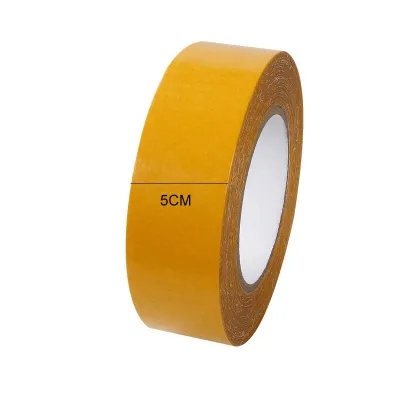
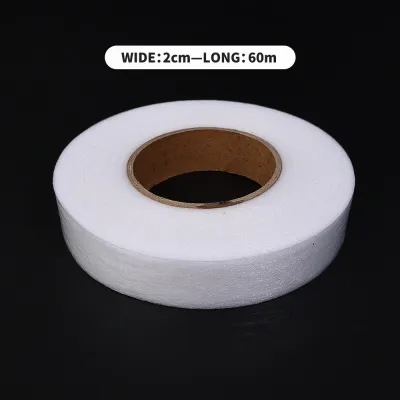
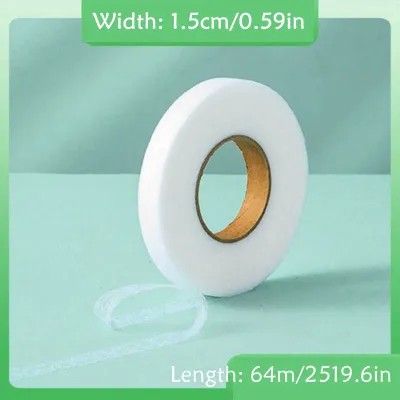
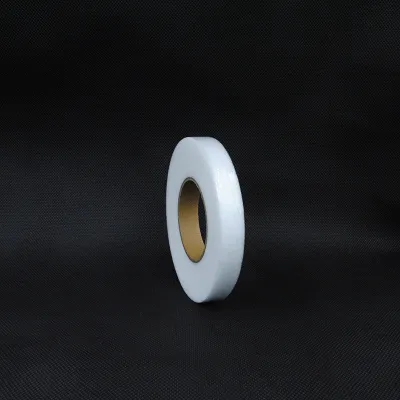
Prices are valid at publication and may change. Please refer to the product page for the latest price.
In contrast, permanent double-sided fabric tapes—commonly referred to as fusible webs, iron-on tapes, or hem tapes—are heat-activated thermoplastic adhesives. At room temperature, they feel dry and non-sticky. When subjected to the heat and pressure of a household iron, the adhesive melts, flows into the fabric fibers, and fuses the layers together as it cools. This creates a durable, laundry-resistant bond that is designed to withstand repeated washing and dry cleaning cycles without peeling.
When selecting between these two categories, always evaluate your project’s final requirements against three main criteria: washability, tape width, and activation method. If the item cannot be washed, a temporary water-soluble tape may remain trapped in the fabric forever, whereas a permanent fusible tape requires a fabric that can tolerate the high heat of an iron. Always consult the care labels of both your fabric and your tape before beginning to prevent accidental scorching or bonding failures.
Additionally, environmental factors can play a role in how these materials perform. In warm and highly humid climates, such as in Singapore, storing pressure-sensitive temporary tapes in a cool, dry place or an airtight container is highly recommended. This prevents the adhesive from absorbing ambient moisture, which can degrade its tackiness or cause the tape to become overly gooey before you even apply it to your fabric.
Choosing Tape for Temporary and No-Sew Hemming
Hemming is one of the most common applications for double-sided fabric tape, but the choice of tape depends heavily on whether you intend to finish the hem with machine stitches or leave it entirely stitch-free. Using the wrong tape can result in stiff, unnatural folds or a sewing machine needle covered in sticky adhesive.

For temporary hemming, where the tape is used strictly to hold a fold in place before stitching, a narrow, wash-away tape is highly recommended. Slippery fabrics like silk, rayon, or lightweight polyester are notorious for shifting and puckering under the presser foot when secured only with pins. A 6mm water-soluble tape locks the hem fold flat and smooth, allowing you to sew a perfect blind hem or topstitch. Because the tape dissolves during the first wash, the finished hem retains its natural drape and flexibility without any permanent stiffness.
For permanent, no-sew hemming, a heat-activated fusible tape is the standard choice. This technique is ideal for quick repairs, matching trouser lengths, or finishing home textiles like curtains where visible stitching is undesirable. When using fusible tape, it is critical to verify that your fabric can handle the heat required to melt the adhesive. Delicate synthetics, sheer silks, and fabrics with high elastic content can easily scorch, melt, or lose their shape under a hot iron. Always perform a test on a scrap piece of fabric using a pressing cloth to protect both the fabric and the iron soleplate.
Width selection is equally vital when hemming. The width of the tape should match the weight of the fabric and the depth of the hem allowance. For lightweight fabrics and delicate garments, a narrow tape (6mm to 10mm) preserves the fabric’s natural movement and prevents the hem from becoming bulky or rigid. For heavy-duty fabrics such as denim, canvas, or thick wool, a wider tape (15mm to 25mm) is necessary to distribute the weight of the fabric fold and ensure the permanent bond can withstand the mechanical stress of wear and laundering.
Securing Fabric Appliqué with Precision Tape
Fabric appliqué requires a high level of precision, as small, intricate shapes must be positioned perfectly onto a background fabric before they are permanently secured. Double-sided fabric tape acts as an extra set of hands, preventing delicate pieces from shifting, warping, or stretching during the stitching process.
To achieve clean edges on intricate designs, the width and form of your fabric tape must match the scale of your appliqué pieces. Using a tape that is too wide will cause the adhesive to extend beyond the borders of the appliqué, attracting dust, lint, and pet hair, or gumming up your sewing machine’s presser foot. For detailed work, choose ultra-narrow tapes (3mm) or opt for double-sided fusible adhesive sheets that allow you to trace and cut custom shapes directly out of the adhesive film before fusing them to your fabric.
The choice between temporary and permanent hold depends on your preferred finishing style. If you plan to finish the edges of your appliqué with a dense satin stitch, blanket stitch, or decorative machine embroidery, a temporary water-soluble tape is the ideal stabilizer. It holds the shape flat during stitching and then washes away completely, leaving the appliqué soft and yielding. If you prefer a raw-edge appliqué look with no edge stitching, you must use a high-quality permanent fusible web to bond the shape completely to the base fabric, which seals the edges and prevents fraying.
One of the most common challenges when sewing through fabric tape is needle gumming. When a sewing machine needle repeatedly pierces adhesive, the friction generates heat, causing the adhesive to transfer to the needle shaft and eye. This sticky buildup leads to skipped stitches, uneven thread tension, and frequent thread breaks. Before sewing your final piece, perform an observable trial on a scrap sandwich of your project fabrics and tape. Stitch a few inches at your normal sewing speed; if you observe sticky residue on the needle, switch to a non-stick needle, clean the needle periodically with rubbing alcohol, or adjust your stitching line to avoid running directly through the adhesive.
Basting Quilt Layers Without Pins
Basting is the process of temporarily securing the three layers of a quilt—the quilt top, the batting, and the backing fabric—together before the actual quilting stitches are applied. Traditional basting methods, such as using hundreds of safety pins or hand-basting with thread, can be time-consuming, physically demanding, and can warp the flat surface of the quilt sandwich.
Double-sided wash-away basting tape offers a flat, pin-free alternative that keeps all three layers perfectly aligned without distortion. To use this method, apply narrow strips of water-soluble tape across the batting or backing fabric, peel off the paper backing, and smooth the quilt top over the adhesive. Because the tape is completely flat, your sewing machine’s walking foot or free-motion quilting foot can glide smoothly across the surface without catching on safety pins or requiring you to stop and remove pins as you sew.
To prevent needle gumming during the extensive stitching required for quilting, strategic placement of the basting tape is essential. Avoid running tape directly along the paths where you plan to execute dense decorative quilting. Instead, place the tape strips in areas where the needle will not repeatedly pierce the adhesive, such as along the seam lines if you plan to “stitch in the ditch,” or in the outer margins of the quilt sandwich. This minimizes needle contact with the adhesive while still providing excellent structural support across the quilt surface.
After completing your quilting, the basting tape must be removed to restore the quilt’s softness and loft. Verify that the tape you selected is fully water-soluble and will dissolve completely in the water temperature recommended for your quilt fabrics. Wash the finished quilt in a gentle cycle following both the tape manufacturer’s washing instructions and the care guidelines for your batting and fabrics. Inspect the dried quilt to ensure no stiff areas remain, confirming that the adhesive has washed away completely without leaving stains or residue.
Application Techniques and Troubleshooting
Achieving a flawless bond with double-sided fabric tape requires proper application techniques and an understanding of how different fabrics interact with adhesives. Whether using temporary pressure-sensitive tapes or permanent fusible webs, following a systematic approach prevents common failures like peeling, shifting, or fabric damage.
First, ensure that your fabric is thoroughly prepared before applying any tape. The fabric surface must be clean, dry, and free of any laundry additives. Brand-new fabrics often contain factory sizing, starch, or chemical finishes that create a barrier, preventing the adhesive from making direct contact with the fibers. Pre-washing and drying your fabrics without fabric softeners or dryer sheets is a crucial step to ensure maximum adhesion, especially for permanent bonds.
Second, prioritize safety and fabric protection when using heat-activated fusible tapes. Direct contact between a hot iron and exposed adhesive can ruin your iron’s soleplate and leave sticky, scorched marks on your fabric. Always place a clean pressing cloth or a sheet of parchment paper over your project before applying the iron. This barrier protects your iron and helps distribute the heat evenly across the tape, ensuring a consistent melt and a secure bond without scorching delicate fibers.
Finally, if you experience poor adhesion, do not immediately increase the iron’s heat, as this can damage heat-sensitive synthetic fabrics. Instead, consider the texture and finish of your material. Highly textured fabrics like corduroy, fleece, or heavy canvas, as well as water-repellent or heavily treated outdoor fabrics, do not provide a flat surface for adhesives to grip. Troubleshoot by adjusting the pressure and dwell time strictly according to the tape manufacturer’s packaging instructions, or perform a test with a heavy-duty tape designed specifically for textured surfaces.
Frequently Asked Questions (FAQ)
Can I use regular office double-sided tape on fabric?
Standard stationery or office double-sided tape is entirely unsuitable for fabric and sewing projects. Office tapes use adhesives designed for paper and plastic, which behave poorly on porous fabric fibers. They leave a sticky, permanent residue that is incredibly difficult to remove, can discolor or degrade delicate fabric fibers, and will instantly gum up your sewing machine needle, leading to skipped stitches and potential machine damage. Always use specialized fabric tapes designed to either wash away cleanly or fuse permanently under heat.
How do I remove sticky residue left by fabric tape?
The removal method depends on the type of fabric tape used. For temporary, water-soluble tapes, simply soaking the fabric in warm water or running it through a standard wash cycle will dissolve the adhesive completely. For stubborn residue left by permanent fusible tapes or low-quality adhesives, start by checking the garment’s care label. If the fabric allows, apply a mild, fabric-safe adhesive remover or rubbing alcohol to a cotton swab and test it on a hidden seam first to ensure it does not cause discoloration. Gently blot the residue, then wash the fabric thoroughly to remove any chemical traces.
Community discussion
Share your experience or ask a question. Comments are reviewed before publication.