
Selecting the right cute squishy stickers for school-aged children requires balancing personal expression with classroom practicality. For lower primary students in Grades 1 to 3, the most suitable options are large, simple, and highly durable designs that support developing fine motor skills. As students progress to upper primary in Grades 4 to 6, they benefit from slightly smaller, more detailed stickers that can be integrated into functional tasks like labeling personal items or tracking reading goals. For secondary school students, the ideal choices shift toward minimalist, low-profile, and aesthetically mature designs that serve organizational purposes, such as color-coding subjects or creating tactile page tabs in planners. By aligning sticker selection with both the student’s developmental stage and their school’s specific guidelines, parents can ensure these fun stationery items remain a source of motivation rather than a classroom distraction.
Understanding School Rules and Sticker Policies
Before purchasing any decorative stationery, it is essential to review the school’s official student handbook or stationery guidelines. Many schools maintain specific rules regarding the appearance of notebooks, planners, and pencil cases to foster a focused learning environment. Some institutions strictly prohibit highly raised or textured decorations on textbooks and exercise books, as these can prevent materials from stacking neatly on classroom shelves or desks. Understanding these boundaries beforehand helps prevent situations where a student is asked to remove their favorite decorations.
The level of enforcement and the specific restrictions often vary significantly between primary and secondary school environments. Primary schools may allow more leeway for colorful and tactile items, viewing them as helpful tools for sensory engagement and personal organization. However, they may still restrict oversized or noisy designs that distract other students during lessons. In contrast, secondary schools often demand a more uniform and professional aesthetic, where highly conspicuous or overly childish decorations might be discouraged or outright banned under general neatness policies.
Products mentioned in this guide
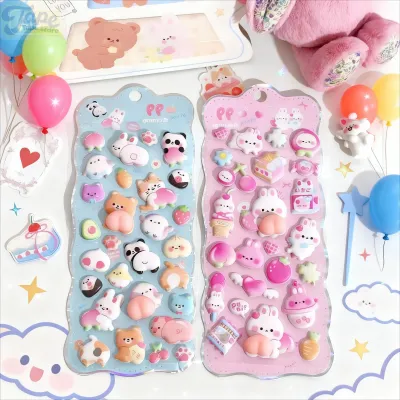
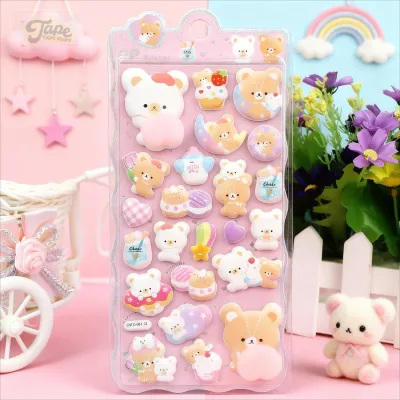
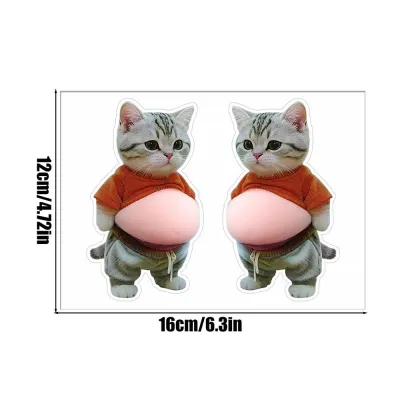
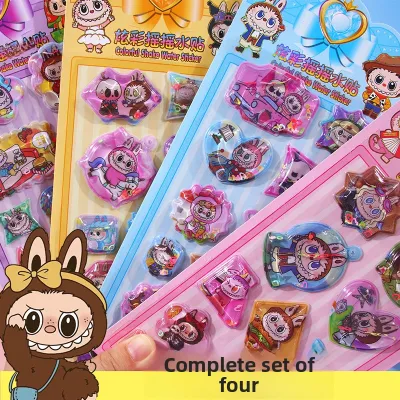
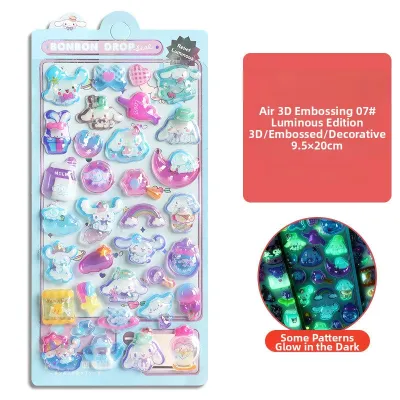
Prices are valid at publication and may change. Please refer to the product page for the latest price.
Thickness is a particularly critical factor to consider when evaluating school compliance. Standard flat stickers lie flush with the page, but squishy varieties introduce a three-dimensional element that can significantly increase the bulk of a notebook. If a student applies multiple thick stickers to a single notebook, the cover may no longer close properly, making it difficult to slide into a standard backpack or locker. Checking the maximum allowable thickness for school supplies can save time and prevent damage to both the stickers and the books themselves.
Additionally, some schools have strict policies regarding the decoration of shared or rented materials. If textbooks are loaned to students for the academic year, applying permanent or high-tack stickers to the covers or pages is generally prohibited. In these cases, students must opt for low-tack, easily removable options or restrict their decorating to personal pencil cases and private journals. Verifying these rules ensures that students can enjoy personalizing their gear without facing fines or replacement fees at the end of the term.
Choosing Squishy Stickers for Primary School Students
For lower primary students in Grades 1 to 3, stationery is highly tactile, and squishy stickers serve as excellent tools for sensory play and motor skill development. At this stage, children are still refining their fine motor coordination, making large, chunky stickers with simple outlines the most appropriate choice. Designs featuring bold shapes, familiar animals, or basic food items are easy for small hands to grasp, peel, and place without tearing. These larger formats minimize frustration and help build confidence as children personalize their school folders and drawing pads.

Durability is a primary concern for this younger age group, as primary school stationery undergoes significant wear and tear. Lower primary students frequently handle their belongings with less care, leading to dropped pencil cases, bent notebook covers, and spilled water bottles. To withstand this rough environment, look for squishy stickers made from dense, high-rebound foam or thick silicone with a protective, wipe-clean top layer. These materials resist tearing when pulled and maintain their shape even after being compressed repeatedly in a crowded school bag.
As students transition into upper primary in Grades 4 to 6, their preferences shift toward more detailed themes and functional applications. While they still appreciate the cute aesthetic, they often prefer stickers that depict specific characters, intricate patterns, or miniature scenes. This age group can handle smaller, more delicate sticker designs, allowing them to decorate tighter spaces like the margins of their weekly planners or the borders of their subject dividers.
For upper primary students, squishy stickers can also be integrated into daily academic routines to boost motivation. They can be used as reward markers on reading logs, visual milestones on homework charts, or personalized name labels for shared classroom supplies. Using distinct, tactile stickers helps older primary students quickly identify their own rulers, calculators, and folders in a busy classroom where many classmates carry identical items. This functional approach teaches organizational skills while still allowing room for personal style.
Selecting Squishy Stickers for Secondary School Students
As students enter secondary school, their aesthetic preferences undergo a significant transition away from overtly childish designs. Teenagers generally favor a more sophisticated, mature look that reflects their evolving personal identity. Minimalist illustrations, vintage color palettes, botanical themes, and subtle pop-culture references replace the bright, cartoonish characters of their primary school years. Squishy stickers for this age group should complement a clean, curated stationery aesthetic rather than dominate it.
In secondary school, the academic workload increases, making functional organization a top priority for students managing multiple subjects. Squishy stickers can serve as excellent tactile tools for navigating complex planners, bullet journals, and lecture binders. For instance, a student can use small, color-coded squishy dots to mark exam dates, project deadlines, or extracurricular activities. The raised texture of the stickers allows students to flip directly to important sections of their notebooks simply by feeling the edge of the page.
To maintain professional presentation and school compliance, secondary students should focus on low-profile squishy materials. Epoxy stickers, thin polyurethane domes, and flat silicone designs offer a subtle three-dimensional effect without adding excessive bulk. These lower-profile options ensure that notebooks can still stack flatly on library tables and fit easily into slim laptop sleeves or school lockers. This balance allows students to enjoy the tactile satisfaction of squishy stationery while keeping their academic materials neat and organized.
Furthermore, secondary students often appreciate the ability to customize high-use tech accessories, such as laptop lids, tablet cases, and scientific calculators. Choosing stickers with a sleek, modern finish—such as matte silicone or metallic-bordered epoxy—allows them to personalize these expensive items in a mature way. Opting for designs that can be easily peeled off without leaving a sticky residue is especially important for tech devices, as it preserves the resale value and clean appearance of the hardware.
Key Features to Check Before Buying
When shopping for squishy stickers, evaluating the adhesive quality is a crucial step to ensure the product performs well without causing damage. High-quality stickers should feature a balanced adhesive that grips firmly to various surfaces but can be removed cleanly when necessary. This is particularly important if the stickers will be applied to rented school lockers, shared textbooks, or plastic folders that may need to be reused. Look for manufacturer descriptions that specify “removable,” “low-tack,” or “residue-free” adhesive properties to avoid permanent marks or torn paper.
Material safety is another paramount consideration, especially since students frequently touch their stationery throughout the school day. Parents should verify that the foam, silicone, or polyurethane materials used in the stickers are non-toxic and free from harmful chemicals. Avoid products that emit a strong, pungent chemical odor upon opening, as this can indicate the presence of volatile organic compounds or low-grade plastics. Choosing stickers that meet standard consumer safety guidelines ensures a safe study environment, particularly for younger children who might accidentally touch their faces or mouths after handling their stationery.
The physical dimensions and thickness of the stickers must be carefully checked against the intended stationery items. Before purchasing, measure the grid size of the student’s planner or the margins of their notebooks to ensure the stickers will fit comfortably. A sticker that is too large may overlap printed text, block important calendar dates, or interfere with the spiral binding of a notebook. Selecting a variety of sizes, from small accent stickers to larger focal designs, provides the flexibility needed to decorate different items without cluttering the page.
Finally, surface compatibility must be verified to ensure the stickers adhere properly and do not peel off prematurely. Different sticker backings react uniquely to various materials, such as textured paper, laminated book covers, smooth plastic folders, or metal pencil cases. To prevent disappointment, perform a quick trial by applying a single sticker to an inconspicuous area of the target surface and observing it for twenty-four hours. If the edges begin to curl or lift, the adhesive may not be compatible with that specific material, indicating that a different type of sticker or a different placement surface is required.
Frequently Asked Questions (FAQ)
Can squishy stickers damage textbook pages when removed?
Yes, high-tack adhesives on squishy stickers can easily tear or lift the surface fibers of thin textbook pages during removal. To prevent this damage, always test the sticker’s adhesive strength on a spare piece of similar paper or a less visible corner of the book first. If the adhesive feels exceptionally strong, you can reduce its tackiness by pressing the sticky side against a clean piece of clothing once or twice before applying it to the page.
When it is time to remove a sticker, avoid pulling it straight upward, as this concentrated force is highly likely to rip the paper. Instead, peel the sticker back slowly and flatly, keeping it parallel to the page surface. If the sticker is stubborn or applied to a delicate page, using a small amount of removable adhesive putty as an alternative backing can allow the student to enjoy the tactile decoration without risking permanent damage to school-issued materials.
How do I clean squishy stickers if they get dirty in a pencil case?
Squishy stickers can easily attract dust, graphite powder, and ink smudges when stored inside a busy pencil case. For silicone-based or plastic-coated squishy stickers, you can gently wipe the surface with a slightly damp, lint-free cloth to remove surface dirt. Avoid using harsh chemical cleaners or abrasive scrubbing pads, which can strip away the printed designs or degrade the protective top layer. Allow the sticker to air dry completely before closing the notebook or pencil case.
For porous, uncoated foam stickers, avoid soaking them in water or using wet cloths, as moisture can easily penetrate the foam core. This trapped moisture can weaken the adhesive backing, cause the sticker to peel off, or even lead to mold growth over time. Instead, use a piece of clean adhesive tape or a sticky lint roller to gently lift away dust and dry debris from the surface. Always refer to the manufacturer’s care instructions on the packaging for specific cleaning recommendations.
Community discussion
Share your experience or ask a question. Comments are reviewed before publication.