
To crochet a durable, structured bag in Singapore’s warm and humid climate, selecting the right cotton yarn is the most critical decision you will make. Cotton is the preferred fiber for bag-making because of its exceptional strength, breathability, and natural resistance to stretching compared to animal fibers or acrylics. However, not all cotton yarns are created equal; some are soft and drapey, while others are stiff and highly structured. Finding the perfect balance ensures your finished tote, clutch, or market bag can carry daily essentials without sagging or losing its shape over time.
By understanding how to evaluate yarn weight, fiber blends, and manufacturing treatments, you can confidently source high-quality materials from local shops or online platforms. This guide will equip you with the practical knowledge needed to read yarn labels, select the best structural techniques, and choose the ideal cotton yarn for your next crochet project.
What Makes Cotton Yarn Suitable for Crochet Bags
The physical properties of cotton yarn directly influence how well a crocheted bag holds its shape under load. Unlike garments, which require drape and flexibility, a bag demands structural integrity and resistance to gravity. Evaluating the weight, ply, and treatment of the yarn before starting your project will save you from the disappointment of a saggy, misshapen finished product.
Products mentioned in this guide
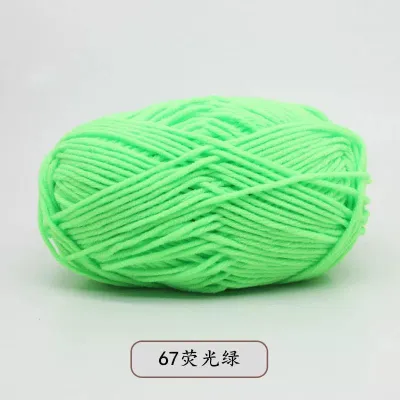
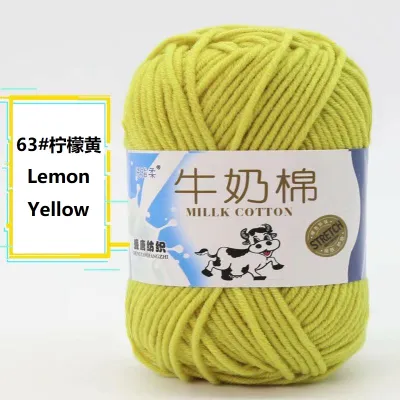
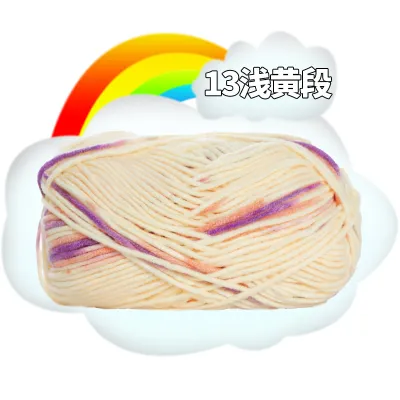
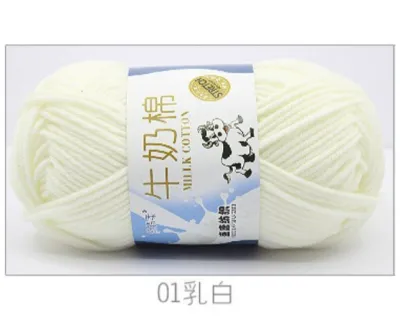
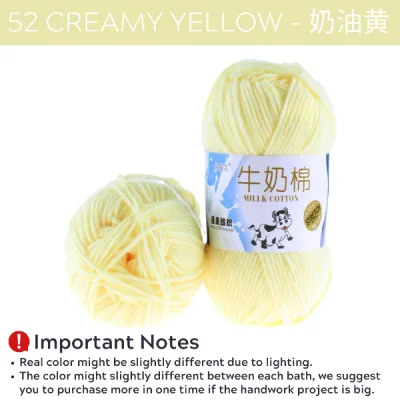
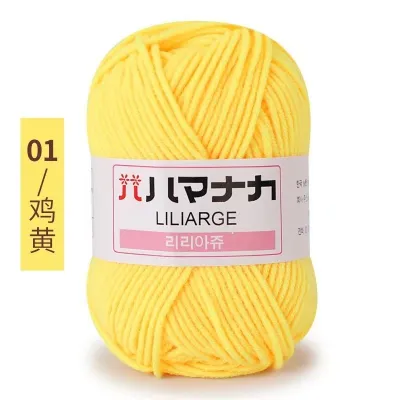
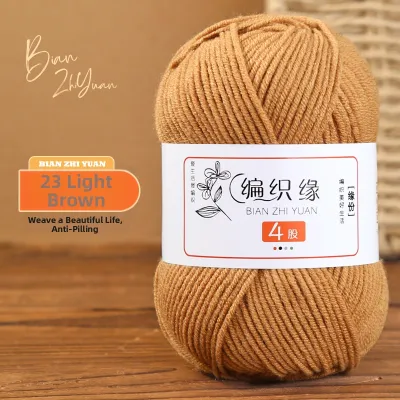
Prices are valid at publication and may change. Please refer to the product page for the latest price.
Yarn weight and ply play a foundational role in determining fabric density. For bag-making, heavier weights such as worsted (Medium 4), aran, or bulky (Bulky 5) are generally preferred. These thicker yarns create a robust fabric that can support weight without stretching excessively. Additionally, look for tightly plied yarns, where multiple strands are twisted firmly together. A tight twist prevents the crochet hook from splitting the yarn during stitching and results in a smoother, stronger cord-like structure that resists wear and friction.
Another key decision is choosing between mercerized and unmercerized cotton. Mercerization is a chemical treatment that alters the cotton fiber structure, increasing its luster, dye affinity, and tensile strength. Mercerized cotton yarn is stiffer, has a subtle sheen, and offers incredibly crisp stitch definition, making it excellent for structured handbags and intricate textured patterns. It also boasts better resistance to water and mildew, which is highly beneficial in Singapore’s humid environment. Unmercerized cotton, on the other hand, is untreated, resulting in a matte finish and a softer, more pliable texture. While unmercerized cotton is highly absorbent and perfect for casual, rustic market bags, it tends to stretch more and offers less structural rigidity.
Before purchasing, you can assess a yarn’s tension and drape through a simple physical test. Hold a skein of yarn and pull a small section taut; observe how much spring or elasticity it has. Pure cotton should have very little stretch. If you are in a physical store, drape a loop of the yarn over your finger to see if it falls in a sharp, stiff curve or a soft, limp line. For structured bags, you want a yarn that resists bending easily, indicating that it will hold a firm shape once crocheted into a dense fabric.
Reading Yarn Labels to Verify Bag-Making Suitability
Learning to read and interpret yarn labels is an essential skill that allows you to independently verify a product’s suitability for bag-making. Relying solely on brand marketing can lead to purchasing yarn that is too soft or weak for your intended design. The label contains all the technical specifications required to predict how the yarn will behave.

First, check the fiber content listed on the label. For maximum durability and minimal stretch, 100% cotton is the gold standard. However, stable cotton blends can also be highly effective. A blend of cotton and polyester (such as an 80/20 or 70/30 mix) can offer increased durability, lighter overall weight, and faster drying times, which is convenient for washable bags. Be cautious of blends containing high percentages of bamboo, rayon, or acrylic, as these fibers introduce significant drape and elasticity, which can cause your bag to sag when loaded with heavy items.
Next, analyze the yardage, gauge, and recommended hook sizes. Cotton is a naturally dense and heavy fiber, meaning a 100-gram skein of cotton will have significantly less yardage than a 100-gram skein of acrylic yarn. Always calculate your project requirements based on total meters or yards rather than weight to ensure you buy enough yarn. The recommended hook size on the label is designed to create a standard, drapey fabric for garments. For a sturdy bag, you will want to ignore this recommendation and select a hook that is one to two sizes smaller to achieve a dense, tight fabric.
Finally, examine the care instructions and laundry symbols. Bags are subjected to dirt, sweat, and ground contact, making washability a key concern. Look for labels that indicate the yarn is machine washable and can be tumbled dry on low heat. If the label specifies hand-washing only or warns against agitation, consider whether you are willing to maintain the finished bag according to those restrictions. Choosing a low-maintenance, machine-washable cotton ensures your bag remains practical for daily use.
Where to Source and Buy Yarn in Singapore
Singapore offers a variety of options for sourcing high-quality cotton yarn, ranging from traditional brick-and-mortar craft shops to extensive online marketplaces. Knowing how to navigate these channels ensures you get the best quality materials for your budget.
Visiting local craft stores and specialty yarn shops in Singapore is highly recommended, especially if you are new to bag-making. Physical stores allow you to feel the texture, stiffness, and weight of the yarn firsthand. You can also verify the true color of the yarn under natural light, which often differs from digital screens. Additionally, local shop owners and staff are often experienced crafters who can offer valuable advice on yarn selection and project suitability.
If you prefer the convenience of online shopping, e-commerce platforms and online marketplaces offer an extensive selection of international cotton yarn brands. When buying online, it is crucial to perform due diligence to ensure a positive experience. Check seller ratings, read customer reviews, and look for photos uploaded by previous buyers to verify the yarn’s actual appearance. Pay close attention to shipping origins and estimated delivery times, as overseas shipping can take longer to arrive in Singapore. Look for listings that provide clear technical specifications rather than generic descriptions.
When purchasing multiple skeins of cotton yarn for a single bag project, always verify the dye lot consistency. A dye lot is a number printed on the yarn label identifying the specific batch in which the yarn was dyed. Because minor variations in water temperature, chemical balance, and dye concentration occur between batches, skeins from different dye lots can have subtle color differences. These variations may look imperceptible in the skein but can create highly visible, distracting lines across your finished bag. If shopping in a physical store, double-check that the dye lot numbers match on all skeins. If purchasing online, send a message to the seller before shipping to request matching dye lots for your order.
Techniques for Crocheting Sturdy and Structured Bags
Even the highest quality cotton yarn requires proper crafting techniques to maximize its durability and structural integrity. How you work the yarn determines whether the finished bag will be a functional, long-lasting accessory or a decorative piece that stretches out of shape on its first outing.
The most effective technique for creating a sturdy bag is selecting a crochet hook size that is smaller than what the yarn label recommends. For example, if the label suggests a 5.0mm hook, try using a 3.5mm or 4.0mm hook instead. This adjustment forces your stitches to be tight, compact, and dense. A tight fabric minimizes the gaps between stitches, preventing small items like pens or keys from slipping through, and significantly reduces the overall elasticity of the fabric.
In addition to tight stitching, incorporating structural elements can dramatically extend the lifespan of your bag. No matter how tightly crocheted, cotton fabric will naturally yield to gravity over time under heavy loads. To counteract this, consider sewing a fabric lining into the interior of the bag. Sturdy fabrics like cotton canvas, linen, or duck cloth work best. For added rigidity, you can apply fusible interfacing to the lining fabric before sewing it in. For the handles, which experience the most tension, reinforce them by crocheting over a length of non-stretch nylon cord, or attach pre-made leather, faux-leather, or cotton webbing straps using sturdy metal hardware.
Before starting your bag, always take the time to crochet a gauge swatch. Create a square swatch measuring at least 10 by 10 centimeters using your chosen yarn, hook, and stitch pattern. Wash and block the swatch according to the yarn’s care instructions, then measure it again to check for shrinkage or stretch. To test its load-bearing capacity, pin the top of the swatch to a hanger and suspend a small weight from the bottom. Observing how much the swatch stretches under tension will give you a realistic prediction of how your finished bag will behave, allowing you to adjust your stitch count or hook size before committing to the full project.
Frequently Asked Questions (FAQ)
Can I use standard worsted weight cotton yarn for a heavy-duty tote bag?
Yes, you can use standard worsted weight cotton yarn for a heavy-duty tote bag, but you must adapt your technique to ensure the bag can handle heavy loads. Because worsted weight yarn is moderately thick, a standard crochet stitch may still stretch under pressure. To compensate for this, you can hold two strands of worsted weight yarn together while crocheting (double-stranding), which effectively doubles the thickness and creates a highly robust, bulky-weight fabric. Alternatively, choose dense, low-stretch stitch patterns such as the single crochet thermal stitch or the waistcoat stitch, which naturally create a thicker, more rigid fabric barrier.
How do I prevent a crocheted cotton bag from stretching out of shape over time?
To prevent a crocheted cotton bag from stretching, employ a three-pronged approach focusing on tension, stitch selection, and reinforcement. First, use a crochet hook that is 1.0mm to 1.5mm smaller than recommended to maintain tight tension. Second, avoid openwork, lace, or mesh stitch patterns for the base and straps of the bag, as these patterns naturally expand under weight; instead, use solid, compact stitches. Third, always line the interior of the bag with a non-stretch fabric like canvas or linen. The fabric lining will absorb the weight of the bag’s contents, protecting the crocheted outer shell from stretching and sagging.

Community discussion
Share your experience or ask a question. Comments are reviewed before publication.