
Chinese fans make memorable souvenirs and gifts in Singapore because they combine functional relief from the tropical heat with deep artistic heritage. The most suitable types for gifting depend on the recipient’s lifestyle and the occasion: folding fans offer portable utility and formal elegance, round silk fans serve as exquisite decorative keepsakes, and carved sandalwood fans provide a premium, fragrant sensory experience. In a city-state where traditional heritage seamlessly blends with modern living, a thoughtfully chosen fan is both a practical accessory and a sophisticated piece of art.
Selecting the right fan requires a balance of aesthetic appreciation and practical inspection. Whether you are buying a gift for a corporate partner, an elder, or a friend visiting from abroad, understanding the nuances of materials, craftsmanship, and cultural symbolism ensures your gesture is well-received. By focusing on observable quality indicators, you can confidently navigate the diverse options available in Singapore’s cultural precincts and specialty shops.
How to Evaluate Chinese Fans for Gifting
Evaluating the quality of a Chinese fan before purchasing is essential to ensure it serves as a lasting keepsake. First, inspect the structural materials, starting with the ribs or frame. For bamboo-ribbed fans, run your fingers along the edges; high-quality bamboo is thoroughly sanded to eliminate splinters or uneven thickness. The outer guard ribs, which protect the fan when closed, should feel sturdy and show a consistent grain pattern.
Products mentioned in this guide

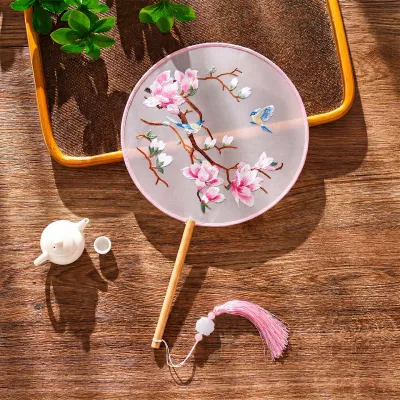
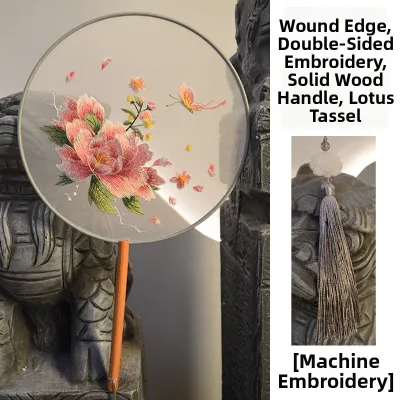

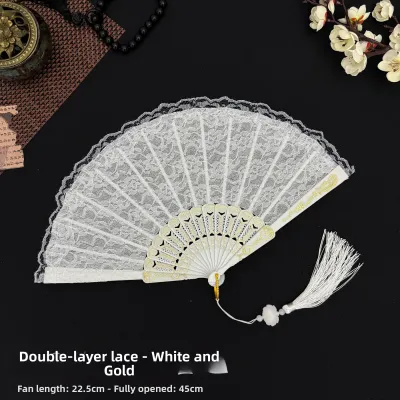
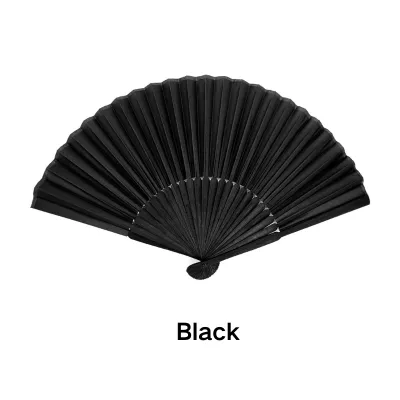

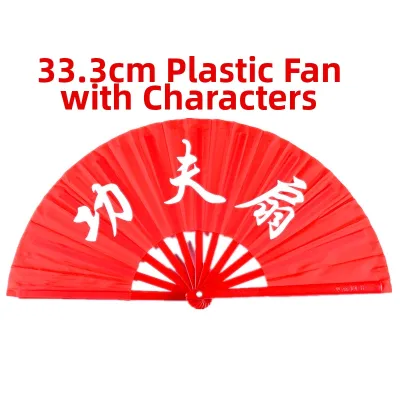
Prices are valid at publication and may change. Please refer to the product page for the latest price.
Next, examine the fan leaf, which is typically made of paper, silk, or lace. The material must be attached securely to the ribs without any visible glue residue, bubbles, or lifting edges. Gently hold the fan up to a light source to check the tension of the fabric or paper; an unevenly stretched leaf can warp over time, especially when exposed to Singapore’s ambient humidity. The artwork should be sharp, with clean lines that do not smudge when lightly touched.
Sizing and portability are equally important considerations depending on how the recipient intends to use the fan. If the gift is for a traveler who needs to pack it in a suitcase, or if you plan to mail it overseas, a compact folding fan measuring between seven and nine inches is highly practical. For local recipients who appreciate home decor, a larger folding fan or a rigid round fan complete with a display stand makes a more striking visual statement.
Finally, consider the cultural motifs depicted on the fan. Traditional Chinese designs are rich with symbolic meaning, and aligning these motifs with the recipient’s personality or the gifting occasion adds a thoughtful layer to your present. For example, images of pine trees or cranes represent longevity and respect, making them ideal for elders. Meanwhile, depictions of bamboo or orchids symbolize integrity and refinement, which are highly suitable for professional or academic contacts.
Folding Fans for Versatile and Formal Gifting
Folding fans are highly versatile options for gifting, offering an excellent blend of portable utility and formal elegance. These fans easily tuck into a bag or pocket, providing a refreshing breeze during outdoor events or commutes before transitioning into a sophisticated indoor accessory. Their classic design appeals to a wide demographic, from young professionals to older family members.

For formal occasions, the choice of materials speaks volumes about the gift’s value. Premium folding fans often feature ribs made from polished ebony, mahogany, or aged winter bamboo, which offer a satisfying weight and durability. The leaf is typically crafted from double-layered Xuan paper or high-grade silk. Silk leaves provide a soft, luxurious sheen and are highly resistant to tearing along the folds, while paper leaves offer a crisp texture that showcases traditional ink calligraphy and landscape paintings beautifully.
For formal or corporate gifting, minimalist and classic motifs are generally the safest and most appreciated choices. Calligraphy featuring classical poetry or auspicious idioms conveys intellectual respect and sophistication. Landscape paintings, often rendered in traditional monochrome ink, evoke a sense of tranquility and timelessness. Avoid overly bright or chaotic patterns for formal recipients, opting instead for subtle, understated designs that highlight the natural texture of the wood and the quality of the brushwork.
To ensure the fan is structurally sound, perform a few simple physical checks before purchasing. Open and close the fan several times; the movement should be fluid, smooth, and silent, without any catching or resistance. Examine the alignment of the ribs when the fan is fully closed; they should stack completely flush with one another. Lastly, inspect the pivot pin at the base of the fan. This pin holds the entire structure together and must be securely fastened; a loose or flimsy pivot will cause the ribs to wobble, leading to uneven wear and eventual damage to the leaf material.
Round Fans for Artistic and Decorative Gifts
Round fans, historically known as court fans or screen fans, are celebrated for their elegant circular or tear-shaped silhouettes. Unlike folding fans, round fans remain rigid and are prized primarily for their decorative value. They make exceptional gifts for art collectors, interior design enthusiasts, or anyone who appreciates traditional Chinese aesthetics and wishes to incorporate a touch of heritage into a modern living space.
The frame and handle of a round fan form the foundation of its aesthetic appeal. High-quality frames are crafted from natural materials such as slender bamboo, polished dark woods, or lacquered wood. The frame must be highly symmetrical and free from any warping or hairline cracks. The handle should feel balanced in the hand, with a smooth finish that highlights the natural grain of the wood. Many premium round fans feature decorative elements at the handle base, such as hand-carved jade accents or flowing silk tassels.
The face of a round fan is typically made of fine silk, gauze, or translucent organza, providing a delicate canvas for embroidery or hand painting. When evaluating the fabric, check for uniform tension across the entire frame; there should be no wrinkles, sagging, or loose threads. Examine the border where the fabric meets the frame, ensuring the binding ribbon is neatly stitched or glued without any messy adhesive marks. If the fan features embroidery, inspect both sides; high-quality double-sided embroidery looks identical on the front and back, with all thread ends neatly concealed.
Because round fans are decorative, they are best presented alongside a dedicated wooden display stand. This allows the recipient to showcase the fan as a tabletop centerpiece, a mantelpiece ornament, or a shelf display. When gifted this way, the fan ceases to be a simple accessory and becomes a permanent piece of art that enhances the ambiance of a home or office, serving as a constant reminder of your thoughtful gesture.
Sandalwood and Carved Fans for Premium Souvenirs
Sandalwood fans represent a luxurious and sensory option in the world of traditional Chinese fans. Carved from fragrant sandalwood, these fans are cherished not only for their intricate, lace-like openwork designs but also for the natural, soothing aroma they release with every gentle wave. They make highly memorable, premium souvenirs for special guests, international visitors, or milestone celebrations.
The defining characteristic of a genuine sandalwood fan is its natural fragrance. Authentic sandalwood emits a subtle, warm, and woody scent that is persistent but never overpowering. This aroma is inherent to the wood and can last for decades, becoming more noticeable when exposed to gentle warmth. Be cautious of fans that have a sharp, intensely sweet, or perfume-like scent; this is often a sign of cheap wood that has been artificially scented. Artificial fragrances fade quickly and can trigger sensitivities, whereas genuine sandalwood offers a clean, natural sensory experience.
In addition to the scent, the quality of the carving is a key indicator of craftsmanship. Inspect the fretwork—the delicate, cut-out patterns on the wooden ribs. High-quality carving features clean, precise edges with no rough wood fibers, splinters, or incomplete cuts within the intricate designs. Because the extensive carving makes the wooden ribs thin and delicate, carefully check the entire structure for any hairline cracks or weak points, particularly around the pivot pin at the base.
To preserve a premium sandalwood fan, thoughtful packaging is essential in Singapore’s humid climate. A high-quality fan should be presented in a silk-lined brocade box, which cushions the delicate wood from physical impact and dust. Sandalwood can warp or crack if subjected to rapid changes in humidity or direct air conditioning drafts. Advise the recipient to store the fan in its protective box when not on display and to avoid keeping it in damp areas, ensuring the wood and its natural fragrance remain preserved for years to come.
Shopping and Verification Tips in Singapore
Finding an authentic, high-quality Chinese fan in Singapore requires knowing where to look and what details to verify. Cultural precincts such as Chinatown are excellent starting points, hosting specialty heritage shops, traditional stationery boutiques, and Chinese emporiums that stock a wide range of fans. For curated pieces, museum gift shops associated with Asian art and history offer verified selections that guarantee quality.
When browsing, it is important to distinguish between mass-produced tourist items and genuine artisan craftsmanship. Mass-produced fans are often characterized by lightweight plastic ribs molded to look like wood, unevenly glued paper leaves, and pixelated digital prints instead of hand-painted or embroidered designs. In contrast, a genuine handcrafted fan will exhibit natural variations in the wood grain, subtle differences in hand-painted brushstrokes, and a solid, balanced weight. The finish on an artisan fan will be consistently smooth, with no sharp edges or visible glue spills.
Do not hesitate to engage with the retailer to verify the fan’s origin and quality. Ask specific questions about the materials used, such as the type of wood or the grade of the silk. Inquire whether the fan was sourced from a specific artisan workshop or region known for fan-making heritage. A reputable seller will be knowledgeable about their inventory, able to explain the meaning behind the decorative motifs, and transparent about their return or exchange policies, giving you peace of mind in your purchase.
Frequently Asked Questions (FAQ)
Are there any cultural taboos when gifting a Chinese fan?
In Chinese culture, the word for fan (shàn) shares a similar pronunciation with the word for scatter or part (sàn). Because of this phonetic connection, some traditionalists associate gifting a fan with the parting of ways or the ending of a relationship. However, in modern Singapore, this association is generally treated as a minor superstition rather than a strict taboo. To ensure your gift is received with joy, you can easily frame the gesture positively. Include a handwritten card highlighting the fan’s artistic craftsmanship, its utility in Singapore’s warm climate, or its symbolic motifs of prosperity and good fortune. Alternatively, pairing the fan with a display stand or a tea set shifts the focus to home decor.
How should the recipient store and maintain a silk or paper fan?
To maintain the pristine condition of a silk or paper fan in Singapore’s humid tropical climate, proper storage is key. Keep the fan in a cool, dry place away from direct sunlight, which can cause colors to fade and delicate paper or silk fibers to degrade over time. Avoid storing fans in areas prone to high humidity, such as near open windows or in bathrooms. When the fan is not being displayed or used, it should be kept in a protective fabric sleeve or its original silk-lined box to prevent dust accumulation and accidental tearing. Always handle the fan with clean, dry hands, and avoid touching the delicate paper or silk leaf directly, as natural skin oils can leave permanent marks or attract mold over time.
Community discussion
Share your experience or ask a question. Comments are reviewed before publication.