
Finding the right wrapping bubble—sometimes listed as wraping bubble on online marketplaces—in Singapore requires balancing the fragility of your items against the total cost of your packaging materials. To get the most value, you must look beyond the initial price tag of a roll and evaluate the bubble size, layer construction, and actual material dimensions. Selecting the correct specifications ensures your items survive transit through local delivery networks or international shipping without overpaying for unnecessary bulk. Whether you are running an e-commerce business from home or preparing for a residential move, understanding these technical details will help you make an informed and cost-effective purchase.
Understanding Protection Levels and Bubble Specifications
To choose the right wrapping bubble, you must first understand the technical specifications that dictate its performance. Bubble wrap is not a one-size-fits-all product; its protective capability depends on bubble diameter, plastic thickness, and layer construction.
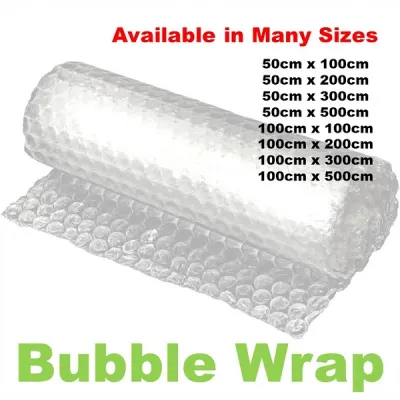
Bubble diameter typically ranges from small (10mm) to large (25mm or 30mm). Small bubbles are designed for surface protection and scratch prevention. They are highly flexible, making them ideal for wrapping tightly around small or intricately shaped items such as cosmetics, glassware, and small ornaments. Large bubbles provide excellent shock absorption and are excellent for filling large empty spaces (void fill) inside shipping boxes. They protect heavier or more robust items, such as household appliances, by creating a thick cushion that absorbs high-impact forces.
Products mentioned in this guide
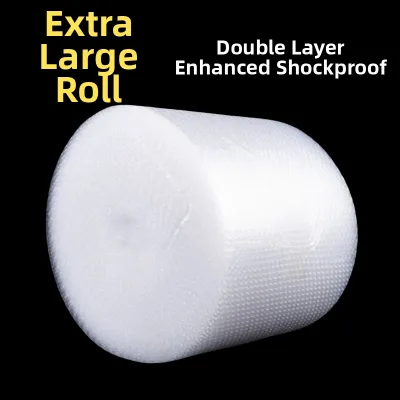
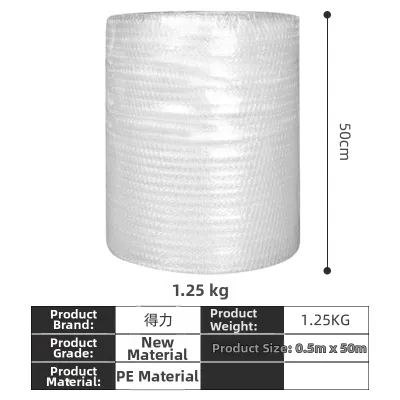
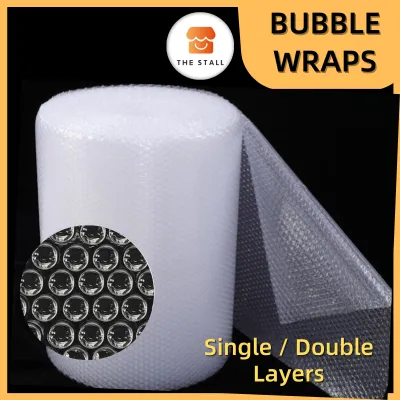
Prices are valid at publication and may change. Please refer to the product page for the latest price.
Plastic thickness, often measured in microns, determines the puncture resistance and air retention of the bubbles. Standard light-duty wrap uses thinner plastic, suitable for lightweight items without sharp edges. Heavy-duty wrap uses a thicker plastic film that resists popping under pressure and prevents sharp corners from puncturing the air pockets.
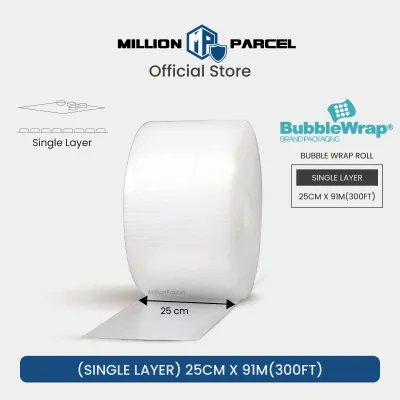
Another critical factor is the layer construction. Single-layer bubble wrap features bubbles exposed on one side of a flat plastic backing. This style is highly flexible and easy to manipulate. Multi-layer bubble wrap sandwiches the bubbles between two flat sheets of plastic. This construction provides significantly higher puncture resistance and prolonged air retention, making it a recommended choice for heavy or high-value shipments.
Evaluating Value Beyond the Price Tag
When shopping for wrapping bubble in Singapore, comparing products solely by the price per roll can be highly misleading. A low-priced roll may seem like a bargain, but it often contains less material or inferior specifications that require you to use more layers, ultimately costing you more.

To determine the true value of a roll, you should calculate the price per square meter. This is done by multiplying the roll’s width by its length to find the total surface area, and then dividing the retail price by this figure. For example, a roll that is 0.5 meters wide and 100 meters long provides 50 square meters of material. If this roll costs S$20, the cost is S$0.40 per square meter. Comparing rolls using this metric allows you to identify which brand offers the most material for your money.
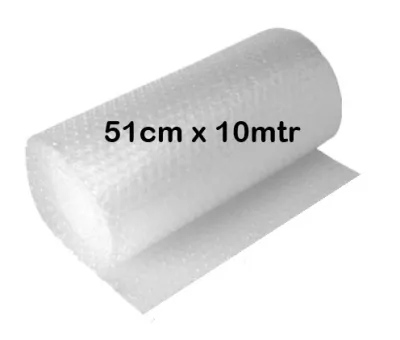
You must also verify the actual dimensions of the roll before purchasing. Some budget brands or unbranded listings on online marketplaces may advertise standard dimensions but deliver rolls that are shorter or narrower than stated. Checking customer reviews or purchasing a single test roll to measure its physical dimensions can save you from paying for missing material.
Secondary costs should also factor into your value calculations. In Singapore, where commercial and residential space is limited, storing bulky rolls of bubble wrap can incur significant indirect costs. If you do not have dedicated storage space, buying smaller, highly compressed rolls or sourcing from a supplier that offers rapid delivery may be more economical than buying massive bulk rolls. Additionally, consider the weight of the packaging material. While plastic is lightweight, heavy-duty multi-layer wrap adds more weight to your packages, which can slightly increase your shipping fees for weight-sensitive courier services.
Where to Source and Verify Bubble Wrap in Singapore
Sourcing reliable wrapping bubble in Singapore involves choosing between retail convenience, wholesale pricing, and online accessibility. Each sourcing channel serves different needs depending on your volume and urgency.
Office supply stores and local stationery shops are highly convenient for immediate, low-volume needs. If you suddenly run out of wrap during a packing session, these stores allow you to walk in and purchase a small roll immediately. However, they charge premium retail prices, making them unsuitable for regular or high-volume shipping.
For businesses or individuals planning large moves, specialized packaging wholesalers located in industrial areas such as Ubi, Woodlands, or Jurong offer highly competitive bulk pricing. These suppliers sell commercial-grade materials and often provide volume discounts. While they may require a minimum order quantity or a trip to an industrial estate, the cost savings per square meter are substantial.
General online marketplaces and e-commerce platforms offer a middle ground, providing a wide selection of brands and convenient doorstep delivery. The challenge with online marketplaces is quality consistency. To mitigate this risk, it is highly recommended to request sample rolls or purchase a single small batch from a new seller before committing to a large bulk order. This allows you to test the bubble inflation, plastic thickness, and seal strength firsthand.
When evaluating local suppliers, look for clear distributor labels and detailed material specifications on the packaging. Reputable brands will clearly state the plastic type, such as Low-Density Polyethylene (LDPE), and provide information on whether the material is recyclable. In line with Singapore’s initiatives to reduce packaging waste, choosing brands that offer recyclable materials or contain recycled content can help lower your environmental footprint.
Decision Framework: Matching Your Needs to the Right Specifications
To ensure you select the most cost-effective and protective wrapping bubble for your specific scenario, you can apply a simple decision framework based on item weight, fragility, and value.
For lightweight, non-fragile items such as books, clothing accessories, or durable plastic goods, choose small-bubble, single-layer wrap. This specification provides sufficient scratch protection and surface defense without adding unnecessary bulk or weight to your package. It is also the most economical choice for filling small void spaces inside a shipping box to prevent items from shifting.
For heavy, highly fragile, or high-value items such as glassware, ceramics, and electronics, opt for large-bubble, multi-layer wrap. The double-sided flat backing ensures the bubbles do not pop easily under the weight of the item, while the larger air pockets provide the necessary deceleration cushion during accidental drops.
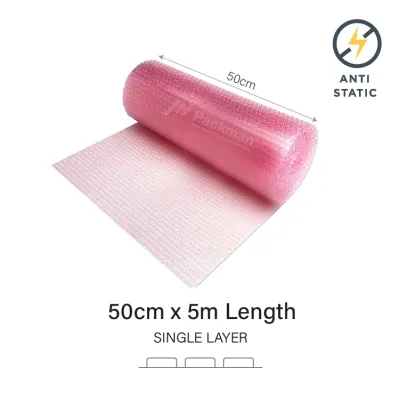
Before wrapping electronic components such as computer parts, graphics cards, or motherboards, verify if the items require anti-static protection. Standard plastic bubble wrap can generate electrostatic discharge (ESD) during handling and transit, which can permanently damage sensitive electronic circuits. In these cases, you must use specialized pink anti-static bubble wrap, which is treated to dissipate static charges safely.
For items that are extremely heavy, irregularly shaped, or classified as hazardous, standard bubble wrap may not provide adequate protection. If your item has sharp, heavy protrusions that can easily pierce plastic, or if it requires precise temperature control, standard wrapping bubble is not sufficient. In these scenarios, stop and consult professional packaging services to explore custom foam inserts, wooden crates, or specialized temperature-controlled packaging solutions.
Frequently Asked Questions (FAQ)
Can I reuse bubble wrap for the same level of protection?
You can reuse bubble wrap, but you must carefully inspect its condition first. Over time and through repeated use, the air pockets in bubble wrap can lose pressure, pop, or develop slow leaks. Inspect the wrap for deflated bubbles, deep creases, or tears in the plastic backing. If a significant portion of the bubbles are popped or soft to the touch, the wrap’s shock-absorption capability is severely compromised. For fragile or high-value items, always use fresh, fully inflated bubble wrap to ensure maximum protection. You can save slightly deflated or worn wrap to use as light void fill for non-fragile shipments.
Does the color of the bubble wrap indicate its strength?
No, the color of standard bubble wrap does not indicate its physical strength or durability. Standard clear, blue, or green bubble wraps rely entirely on their plastic thickness (measured in microns) and bubble size for their protective capabilities. However, color is used to identify specialized properties. The most common example is pink bubble wrap, which indicates that the plastic has been treated with an anti-static additive. This anti-static wrap is designed specifically for shipping electronic components to prevent electrostatic discharge. Always choose your bubble wrap based on its technical specifications rather than its color, unless you specifically require anti-static properties.
Community discussion
Share your experience or ask a question. Comments are reviewed before publication.