
Choosing between pure linen, linen-cotton blends, and hemp for your sewing projects comes down to balancing structural integrity, drape, and ease of maintenance. In warm, humid climates, these natural bast fibers are highly prized for their breathability and moisture-wicking properties. However, their physical structures differ significantly, which directly impacts how they behave under a sewing machine needle and how they wear over time. By understanding these material differences, you can select the ideal fabric for everything from lightweight tropical apparel to heavy-duty home textiles.
Comparing Physical Traits: Drape, Texture, and Durability
Pure linen, derived from the flax plant, is celebrated for its classic, crisp drape and distinctive textured slubs. These slubs are natural irregularities in the yarn that give linen its characteristic rustic appearance. While pure linen allows for excellent airflow, its molecular structure lacks elasticity, meaning it wrinkles almost instantly upon wear. This characteristic is often embraced as part of its relaxed, casual charm, but it requires acceptance of a crumpled aesthetic.
Linen-cotton blends introduce the softness and resilience of cotton fibers to the crispness of flax. By blending these two natural materials, manufacturers produce a fabric that is significantly softer to the touch from the very first wear. The addition of cotton improves the overall drape, making it more fluid and less prone to the sharp, stubborn creases characteristic of pure linen. This makes blends highly practical for everyday garments that need to look neat throughout a busy day.
Products mentioned in this guide
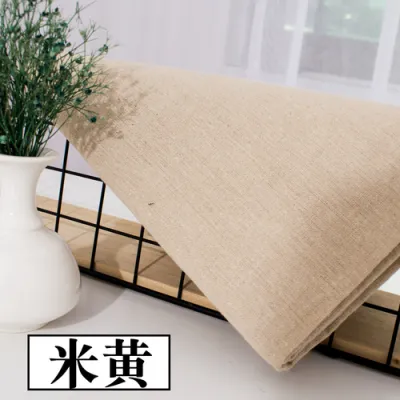
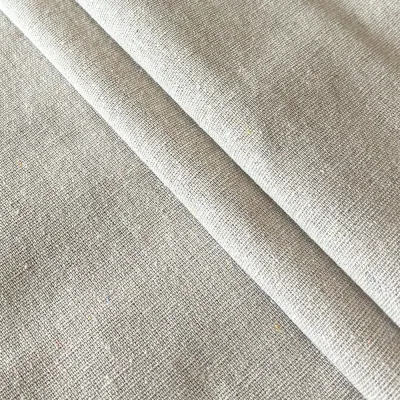
Prices are valid at publication and may change. Please refer to the product page for the latest price.
Hemp fabric stands out as one of the strongest natural fibers available, offering exceptional tensile strength and superior abrasion resistance. When you first handle hemp fabric, it often feels noticeably stiffer and heavier than pure linen of a similar weight. However, hemp possesses a unique quality: it softens beautifully with every subsequent wash and wear without losing its structural integrity. This makes it incredibly durable, though it requires some patience during the initial breaking-in period.
To ensure you get the exact performance you need, always verify the fiber percentage and fabric weight listed on the bolt or packaging. A blend that is 70% cotton and 30% linen will behave much more like cotton, whereas a 50/50 blend strikes a more even balance. Fabric weight, typically measured in grams per square meter, will also dictate whether the material is suitable for a breezy summer blouse or a structured pair of trousers.
Sewing Characteristics and Handling Techniques
Working with these natural fibers requires specific adjustments to your sewing machine setup and handling techniques. Needle and thread selection should always be determined by the specific weave density and fabric weight rather than the fiber name alone. For lightweight linens or fine blends, a standard universal needle in size 70/10 or 80/12 paired with an all-purpose polyester or cotton thread works beautifully. For heavy, tightly woven hemp or thick linen canvas, switch to a heavy-duty needle, such as a size 90/14 or 100/16, to prevent skipped stitches or needle breakage.

Managing fraying edges is a critical step when sewing with bast fibers, as their loose, natural weaves tend to unravel quickly once cut. To safeguard your projects, plan for slightly wider seam allowances—such as 1.5 cm to 2 cm—to give yourself ample room for finishing. Selecting appropriate edge finishes, such as clean-finished flat-felled seams, enclosed French seams, or overlocked edges, will prevent the fabric from fraying during construction and subsequent laundering cycles.
Pressing is another area where these fabrics demand careful attention. While pure linen and hemp can withstand relatively high heat, you should always rely on the manufacturer’s care label for specific heat and steam settings. Using an excessively hot iron without a pressing cloth can scorch the natural fibers or leave an unsightly shine on darker fabrics. Applying steam can help relax stubborn creases, but always test a scrap piece first to observe how the fabric reacts to moisture and heat.
Pre-washing is non-negotiable when working with pure linen, cotton blends, and hemp. Natural fibers are notorious for shrinking during their first exposure to water and heat. To avoid the heartbreak of a finished garment shrinking out of fit, wash and dry your fabric using the exact methods you plan to use for the finished item. If you plan to machine-wash your garments in cool water and line-dry them in the shade, subject the raw fabric yardage to that exact cycle before cutting your pattern pieces.
Matching the Right Fabric to Your Sewing Project
Matching the unique physical properties of these fabrics to the right sewing project ensures both functional success and aesthetic satisfaction. Pure linen is the quintessential choice for relaxed, breathable summer garments. Its crispness and excellent airflow make it perfect for loose-fitting sundresses, wide-leg trousers, and breezy button-down shirts. It is also highly suited for lightweight home textiles, such as casual table runners, napkins, and sheer curtains that filter light beautifully while allowing breezes to pass through.
Linen-cotton blends are highly versatile and serve as an excellent entry point for sewists who find pure linen intimidating. The added softness and reduced wrinkling make these blends ideal for everyday apparel, including structured blouses, casual skirts, and children’s clothing. They are also popular in lightweight quilting and crafting projects, where the fabric needs to hold its shape well under the needle while remaining soft and easy to manipulate.
Hemp fabric shines brightest in utilitarian and heavy-duty applications where durability is paramount. Its high tensile strength makes it the perfect candidate for sewing robust tote bags, heavy-duty aprons, utility jackets, and home upholstery projects. If you are crafting items that will undergo frequent friction, heavy loads, or outdoor exposure, hemp provides the long-term structural integrity needed to withstand years of hard wear.
Before finalizing your material purchase, take a moment to evaluate the project’s required drape, weight, and long-term maintenance level. A structured utility jacket demands the weight and strength of hemp, whereas a fluid, tiered skirt will look stiff and bulky unless crafted from a lightweight linen-cotton blend or a highly washed, fluid pure linen.
Verifying Fabric Quality and Composition Before Purchase
When shopping at your local fabric store or browsing online marketplaces, performing practical, observable checks will help you assess the quality and authenticity of the material. Start by carefully reading the textile labels on the fabric bolt. These tags provide essential information regarding the exact fiber composition, country of origin, and care instructions. Confirming the exact blend ratios ensures that the fabric will deliver the specific structural and tactile qualities your pattern requires.
Next, inspect the weave of the fabric across the width of the bolt. Unroll a meter or two and hold it up to the light to check for consistency. While natural slubs are expected and desirable in linen and hemp, look out for uneven tension, excessively thin patches, or weak points in the weave that could compromise the durability of your finished item. A high-quality weave should feel consistent and stable across the entire grainline.
Assessing the drape and hand feel in person is incredibly valuable. Drape a section of the fabric over your arm or hand to observe how it falls and moves. Note whether it feels excessively stiff, scratchy, or surprisingly soft. This hands-on test gives you a realistic preview of how the finished garment will feel against the skin and how it will behave when you walk or move.
Finally, do not hesitate to consult the retailer or store staff before making your final cut. Ask if they have specific care instructions, estimated shrinkage rates, or recommendations for suitable interfacings and linings. Many experienced fabric retailers can provide invaluable insights into how a specific bolt of fabric behaves after washing, helping you avoid unexpected surprises once you get the material home to your sewing table.
Frequently Asked Questions (FAQ)
Can I combine pure linen and hemp in a single sewing project?
Combining pure linen and hemp in a single project is possible, but it requires careful planning due to their differing physical properties. Hemp and linen have different shrinkage rates, weights, and drape characteristics, which can cause tension issues or distorted seams after washing. To ensure they behave consistently, always pre-wash both fabrics using the exact same method before cutting. It is highly recommended to sew a small test sample of the two fabrics joined together and wash it to observe if one fabric puckers or pulls against the other.
What is the best way to finish seams on pure linen and hemp?
Because both pure linen and hemp are highly prone to fraying, choosing the right seam finish is essential for the longevity of your project. For lightweight to medium-weight fabrics, French seams provide a beautiful, fully enclosed finish that hides raw edges completely. For heavier fabrics or structured garments like trousers and utility jackets, flat-felled seams offer exceptional strength and a clean, professional look on both the inside and outside. If you have access to a serger, overlocking the raw edges is a quick and highly effective method, provided you adjust the differential feed to prevent the fabric edges from stretching or waving.
Community discussion
Share your experience or ask a question. Comments are reviewed before publication.